Muhammad Hamdan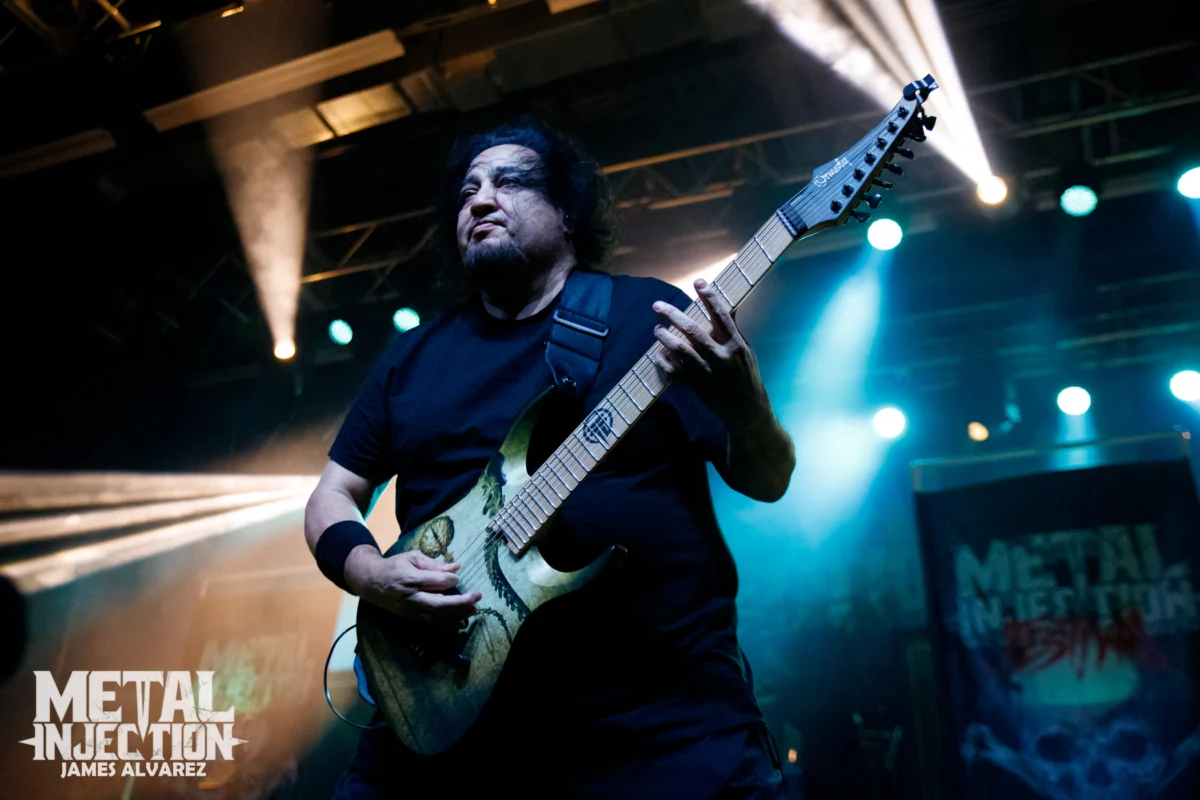
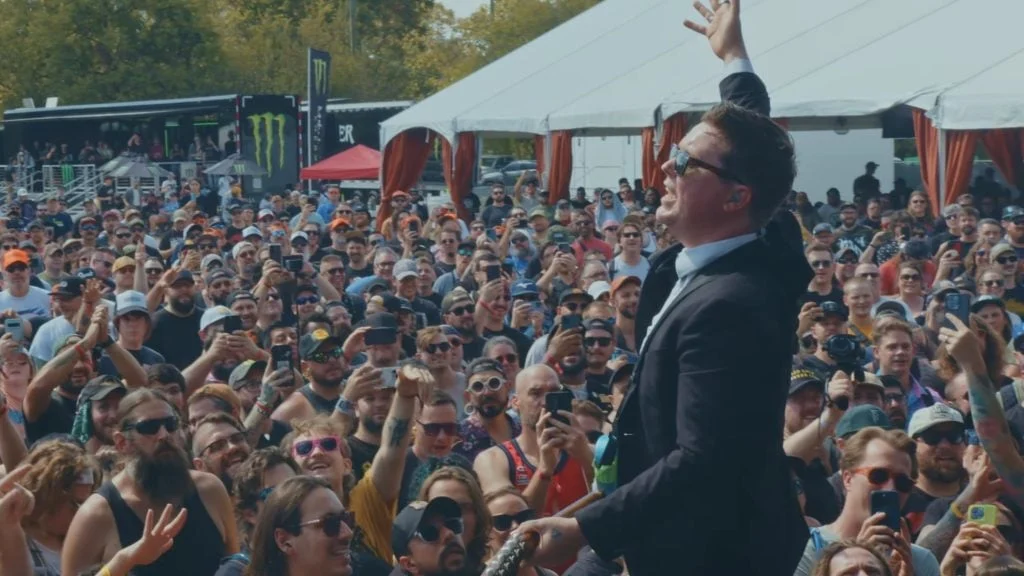
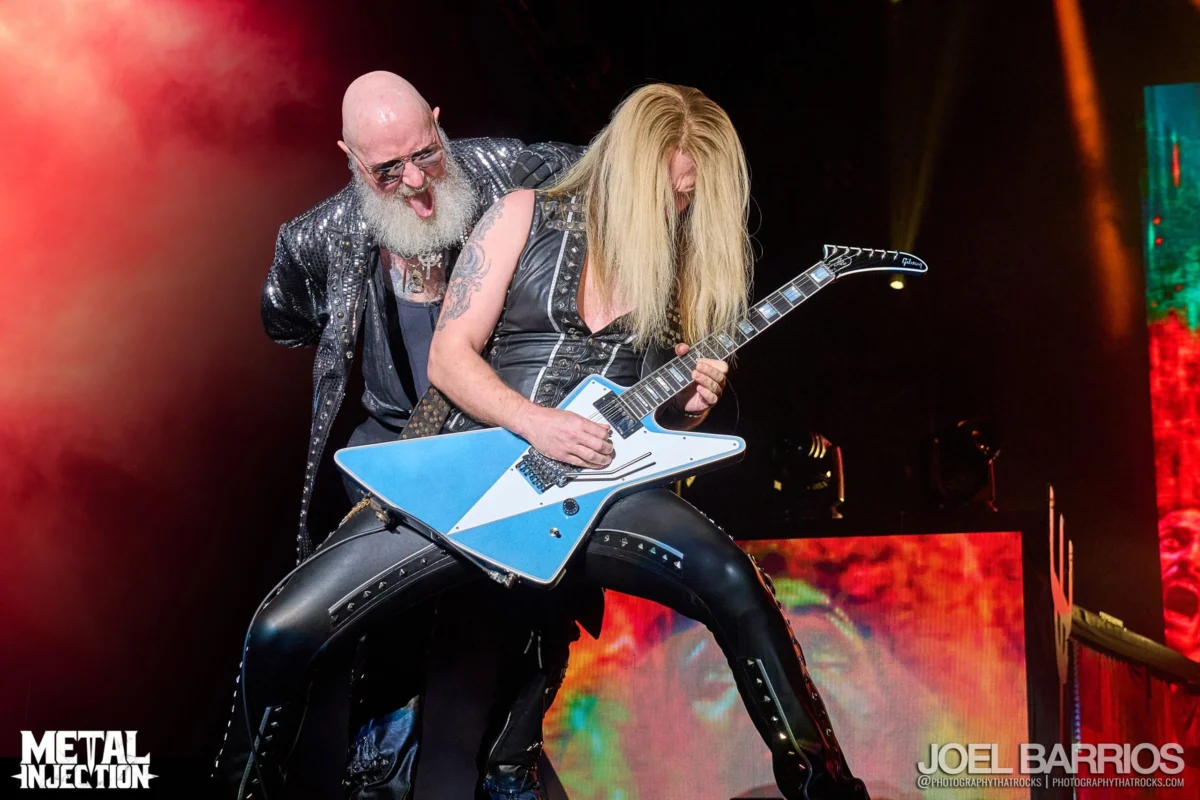
Fear Factory, the pioneers of industrial metal, are poised to unleash their signature blend of aggression and electronic soundscapes upon European audiences with a comprehensive tour scheduled from late August through October 2024. While anticipation for a new studio album to accompany this tour remains high among fans, official confirmation of its release date is still pending, leaving a significant element of suspense for the dedicated fanbase. The band’s commitment to delivering their potent live performance across the continent is a testament to their enduring appeal within the global metal community.
The tour, which promises to be a significant event on the European metal calendar, will feature a formidable lineup of supporting acts. Crystal Lake, Hate, and The Nocturnal Affair are slated to join Fear Factory for the majority of the European leg, creating a robust and diverse package of heavy music. This collaboration ensures that concertgoers will experience a full spectrum of extreme music, from the intricate rhythms of industrial metal to the raw power of death metal and the unique atmospheric elements brought by each supporting band. The tour commences on August 29th at the Tama venue in Poznan, Poland, marking the beginning of a multi-week odyssey across numerous countries. Tickets for these highly anticipated shows are available through various ticketing platforms, including StubHub, allowing fans worldwide to secure their entry into what is expected to be a series of electrifying performances.
European Tour Itinerary and Notable Details
The detailed itinerary for Fear Factory’s European tour reveals a meticulously planned route designed to maximize reach and accessibility for their fanbase across the continent. The tour kicks off in Poland with three consecutive dates: August 29th in Poznan at the Tama, followed by August 30th in Krakow at the Kwadrat, and concluding the Polish segment on August 31st in Warsaw at the Palladium. It is important to note that Crystal Lake will not be participating in these initial three Polish dates, a detail that may influence attendance decisions for some fans specifically seeking the full billed lineup.
Following their Polish engagement, Fear Factory and their supporting acts will traverse the Baltic region, with stops in Vilnius, Lithuania, on September 2nd at Loftas; Riga, Latvia, on September 3rd at Palladium; and Tallinn, Estonia, on September 4th at Helitehas. The tour then moves into Scandinavia, featuring dates in Helsinki, Finland, on September 5th at Apollo, and Turku, Finland, on September 6th at Logomo. The journey continues westward to Sweden, with a performance in Stockholm on September 8th at Fryshuset Klubben, and then to Denmark, with a show in Copenhagen on September 9th at Vega.
The Benelux countries are next on the schedule, with Ghent, Belgium, hosting a concert on September 11th at Vooruit, followed by two dates in the Netherlands: September 12th at Baroeg Open Air in Rotterdam, and September 13th at Doornroosje in Nijmegen. Germany, a significant market for heavy music, will see Fear Factory play a series of shows throughout September. These include dates in Cologne on September 15th at Live Music Hall, Hamburg on September 16th at Markthalle, Berlin on September 17th at Huxleys, Munich on September 18th at Kesselhaus, and Karlsruhe on September 20th at Substage. A date in Luxembourg is scheduled for September 19th in Esch-sur-Alzette at Rockhal.
Central Europe is also a key focus, with a concert in Vienna, Austria, on September 21st at Simm City, and a performance in Budapest, Hungary, on September 23rd at Barba Negra. The Balkan region is represented with a show in Zagreb, Croatia, on September 24th at Boogaloo. The tour then heads into Italy for dates in Rome on September 26th at Orion and Milan on September 27th, which coincides with the Metalitalia Festival. Paris, France, will host a show on September 29th at Le Trabendo.
The United Kingdom will host the final stretch of the tour in October, commencing on October 1st in Manchester at The Ritz. Subsequent dates include Nottingham on October 2nd at Rock City, Buckley on October 3rd at Tivoli, and a significant stop in Dublin, Ireland, on October 5th at The Academy. The tour returns to the UK for shows in Belfast on October 6th at Limelight, Glasgow on October 7th at SWG3, Bristol on October 8th at Prospect, Southampton on October 9th at The 1865, and concluding in London on October 10th at O2 Forum Kentish Town. This extensive itinerary underscores Fear Factory’s commitment to their European fanbase and their enduring presence in the live music circuit.
Background and Context of Fear Factory’s European Presence
Fear Factory has a long and impactful history of touring Europe, a continent that has consistently embraced their innovative approach to heavy music since their formation in Los Angeles in 1990. Their unique fusion of aggressive guitar riffs, precise drumming, and the incorporation of electronic elements, synthesizers, and samples, set them apart in the burgeoning industrial metal scene of the early 1990s. Albums like "Soul of a New Machine" (1992) and the critically acclaimed "Demanufacture" (1995) laid the groundwork for a sound that would influence countless bands across various subgenres of metal.
The band’s consistent presence in Europe can be attributed to several factors. Firstly, the European festival circuit, particularly in countries like Germany, Scandinavia, and the UK, has historically been a fertile ground for extreme music, offering a platform for bands of Fear Factory’s caliber to reach large and engaged audiences. Secondly, the cultural landscape in many European nations has often been more receptive to experimental and genre-bending music than some other global markets, allowing industrial metal to find a dedicated following.
Moreover, Fear Factory’s discography, which includes significant releases such as "Obsolete" (1998) and "Archetype" (2004), has solidified their status as a cornerstone of modern metal. Their ability to evolve their sound while maintaining their core identity has ensured sustained relevance. The current lineup, featuring founding guitarist Dino Cazares and vocalist Milo Silvestro, alongside drummer Mike Heller and bassist Tony Campos, brings a potent combination of experience and fresh energy to their live performances. The anticipation for a new album suggests a potential new chapter for the band, and a European tour would be an ideal stage to introduce fresh material to their global audience.
Supporting Acts: A Complementary Showcase of Heavy Music
The inclusion of Crystal Lake, Hate, and The Nocturnal Affair as supporting acts is a strategic choice that enhances the overall appeal of the tour. Crystal Lake, a Japanese metalcore band, has been steadily building a significant international following with their aggressive sound and energetic performances. Their inclusion suggests a deliberate effort to cater to fans of contemporary extreme music, blending intricate breakdowns with melodic elements.
Hate, a Polish death metal band, brings a raw and uncompromising intensity to the lineup. With a career spanning over three decades, Hate is a respected entity within the extreme metal underground, known for their relentless sonic assault and dark lyrical themes. Their participation adds a significant dose of pure, unadulterated aggression to the tour package.
The Nocturnal Affair, a project featuring members from various established bands, offers a distinct flavor with its blend of gothic atmosphere and melodic metal. This inclusion diversifies the sonic palette of the tour, appealing to a broader spectrum of metal enthusiasts who appreciate a more atmospheric and vocally driven approach to heavy music. The synergy between these three distinct yet complementary acts promises a compelling and varied concert experience for all attendees, amplifying the draw of Fear Factory’s headline performance.
The Impact of a New Album on the Tour
The potential release of a new Fear Factory album preceding or during this extensive European tour carries significant implications for both the band and their fans. Historically, new album cycles are intrinsically linked to major touring initiatives. A fresh body of work provides new material for live sets, injecting excitement and renewed interest into the band’s performance repertoire. For dedicated fans, a new album represents a progression of the band’s sonic identity and an opportunity to connect with their music on a deeper level.
The absence of confirmed details regarding a new record creates a dual sense of anticipation and uncertainty. If a new album is indeed slated for release, its reception could significantly influence the tour’s narrative. A critically acclaimed and commercially successful album would undoubtedly bolster attendance and fan engagement, potentially leading to sold-out shows and a heightened atmosphere of excitement. Conversely, if the album does not resonate as strongly, the tour might rely more heavily on the band’s extensive catalog and established reputation.
From an industry perspective, a new Fear Factory release would be a notable event in the industrial metal landscape. The band’s influence is undeniable, and any new material from them is closely watched by critics and peers alike. The success of such a release could also impact the band’s broader career trajectory, potentially opening doors to larger venues, more prominent festival slots, and increased media attention. The current tour, therefore, stands as a crucial platform for Fear Factory to reassert their dominance in the genre, regardless of whether new music is formally introduced, by showcasing their enduring live prowess and connecting with their dedicated global fanbase.
Broader Implications for the Metal Scene
Fear Factory’s extensive European tour is more than just a series of concerts; it represents a significant indicator of the continued health and resilience of the live heavy music industry. In an era where touring logistics, economic factors, and evolving fan consumption habits present ongoing challenges, bands of Fear Factory’s stature undertaking such ambitious continental tours demonstrate a robust demand for live metal experiences.
The collaborative nature of the tour, featuring multiple established and emerging acts, highlights a trend towards multi-band packages that offer greater value and variety to concertgoers. This approach not only increases the appeal of individual shows but also serves to expose audiences to a wider array of artists within the heavy music spectrum. This cross-pollination of fanbases can be instrumental in the growth and sustainability of emerging bands like Crystal Lake and The Nocturnal Affair, while reinforcing the established presence of veterans like Hate.
Furthermore, the sheer geographical scope of the tour, spanning from Eastern Europe to the United Kingdom, underscores the global nature of metal fandom. It signifies that dedicated audiences exist across diverse regions, and that bands are willing to invest the considerable resources required to reach them. This commitment is vital for maintaining the international character of the metal scene, fostering cultural exchange, and ensuring that fans in various locales have equitable access to high-caliber live performances. The success of this tour will undoubtedly contribute to the ongoing narrative of heavy music’s enduring appeal and its capacity to thrive in the contemporary entertainment landscape.