Muhammad Ibadurrohman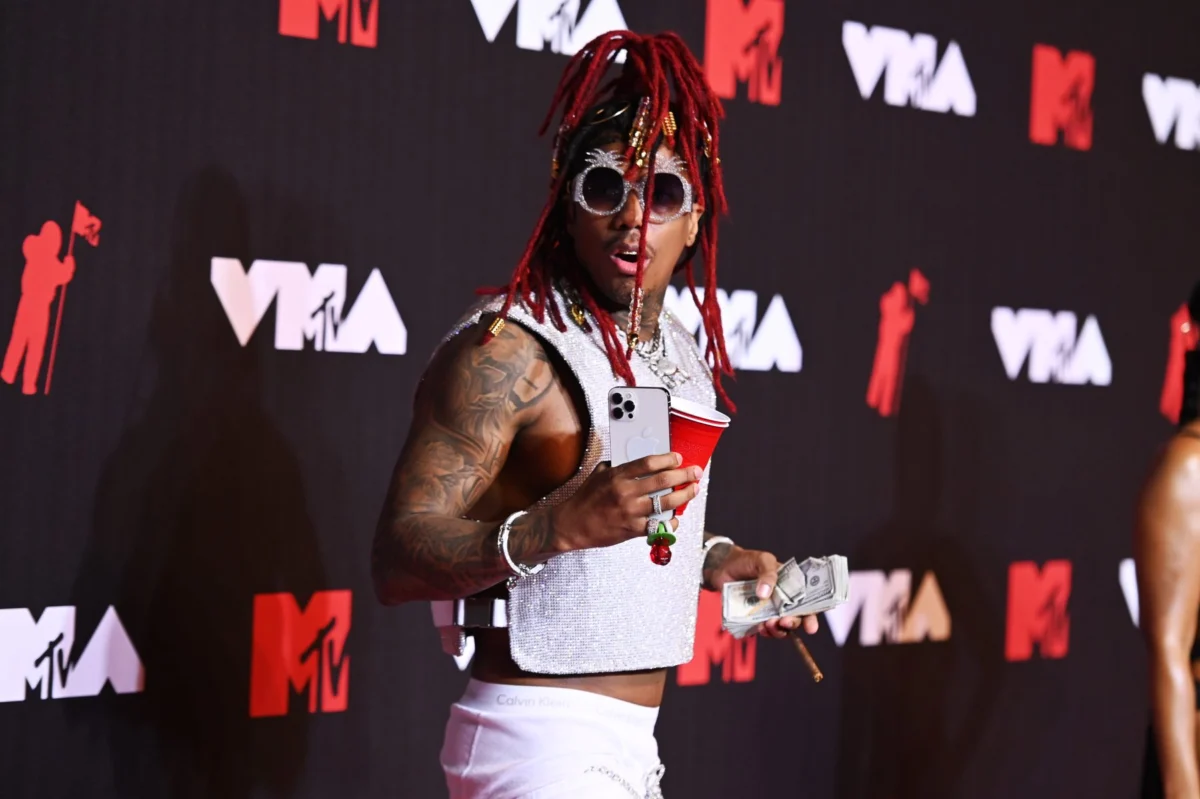
A federal judge has refused to dismiss key aspects of MTV’s lawsuit, allowing claims that streamer Zeus Network’s program, Bad vs. Wild, infringes on trademarks belonging to the long-running hip-hop comedy series Wild ‘N Out, created and hosted by Nick Cannon. The ruling, issued Monday, April 30, marks a significant procedural victory for MTV’s parent company, Paramount Skydance (formerly Viacom), as the case now moves into the discovery phase, setting the stage for a potentially protracted legal battle over intellectual property in the rapidly evolving streaming landscape.
The Genesis of the Dispute: A Clash of Comedy Battle Shows
The legal dispute centers on the allegation that Bad vs. Wild, released by Zeus Network, is an illegal "cosplay" or direct imitation of Wild ‘N Out, a show that has been a cultural staple on MTV and VH1 for over two decades. Filed last year, the lawsuit by Viacom against Zeus Network contends that Bad vs. Wild has illicitly copied "each and every" element of the original series, leveraging its established format and goodwill for financial gain. While Nick Cannon, the charismatic host and a pivotal figure in both shows, is not named as a defendant in the lawsuit, his central role in both programs underscores the core of the conflict: the perceived appropriation of a successful creative formula.
Wild ‘N Out debuted on MTV in 2005, quickly establishing itself as a unique blend of improvisational comedy, battle rap, and celebrity guest appearances. Over its remarkable 21 seasons, the show has become a significant platform for emerging comedic and musical talent, featuring an impressive roster of guests including Snoop Dogg, Kanye West, A$AP Rocky, and Lil Wayne. Its distinctive format, characterized by two teams of comedians and rappers engaging in a series of competitive games culminating in a freestyle rap battle, has cultivated a devoted fanbase and cemented its status as a flagship program for MTV.
Viacom’s lawsuit explicitly states that Bad vs. Wild is an intentional clone, arguing that Zeus Network strategically poached Cannon, effectively creating a counterfeit sequel. "In an era where original content is at a premium, Zeus has chosen the path of least resistance: stealing the fruits of Viacom’s goodwill and decades of labor and innovation, and pawning it off as its own original idea for its own financial gain," Viacom’s lawyers asserted in their initial filing. This strong language highlights the perceived audacity of the alleged infringement and the value Viacom places on its intellectual property.

Deciphering the Legal Nuances: Copyright vs. Trademark
U.S. District Judge Arun Subramanian’s ruling provides crucial insight into the distinctions between copyright and trademark law, particularly as they apply to television show formats. The judge dismissed several key elements of Viacom’s case, most notably the allegation that Bad vs. Wild infringed the copyrights of Wild ‘N Out.
Judge Subramanian’s rationale for dismissing the copyright claims centered on the principle that copyright law primarily protects the expression of an idea, not the idea or concept itself. He argued that allowing copyright claims based purely on thematic similarities between formulaic shows like battle rap or reality TV programs would have a "perverse" and detrimental effect on content creation across the industry. "Many reality shows… would be liable for copyright infringement, as they often recruit the same individuals, place them in similar scenarios, and have similar pacing and themes," the judge stated. He added, "There is a reason that Viacom can only point to a single case for support; if thematic similarities sufficed for a copyright-infringement claim, it would make the development of new television shows much more difficult." This aspect of the ruling reinforces the long-standing legal challenge of protecting unscripted show formats under copyright, which often struggle to meet the "originality and fixation" requirements.
However, the judge took a different stance on the trademark claims. He determined that Bad vs. Wild had potentially violated trademark law due to the use of a similar name and logo, especially given that the shows are directly competing in the same market. Trademark law is designed to prevent consumer confusion regarding the source or origin of goods and services. When two programs with similar names and formats are presented by the same prominent host, the likelihood of consumers mistakenly believing they are related or from the same production house significantly increases. The judge concluded that Viacom had presented sufficient evidence to avoid the dismissal of these claims, allowing them to proceed to the discovery phase. This indicates that while the ideas behind a show might not be copyrighted, the branding—names, logos, and distinctive identifiers—are rigorously protected under trademark law.
The Enduring Legacy of ‘Wild ‘N Out’
To fully appreciate the stakes of this lawsuit, one must consider the profound impact and cultural footprint of Wild ‘N Out. Since its debut, the show has transcended mere entertainment, evolving into a significant cultural phenomenon within hip-hop and comedy circles. It offered an early platform for now-famous artists and comedians, helping to launch the careers of figures like Kevin Hart, Pete Davidson, DC Young Fly, and Chance the Rapper, among many others. The show’s unique blend of competitive improv, celebrity interactions, and live musical performances resonated deeply with a young, urban audience, establishing a loyal viewership base that has sustained it for over two decades.
Wild ‘N Out is more than just a show; it’s a brand synonymous with a particular style of humor, musical talent, and raw, unscripted energy. Its longevity across multiple ViacomCBS networks (MTV and VH1) speaks volumes about its sustained popularity and commercial success. For Viacom, protecting Wild ‘N Out is not just about a single program; it’s about safeguarding a valuable intellectual property asset that contributes significantly to its brand equity and cultural relevance. The series has generated substantial revenue through advertising, syndication, live tours, and merchandise, making it a cornerstone of MTV’s unscripted programming slate.

Zeus Network and the Battle for Streaming Dominance
The Zeus Network, founded in 2018, operates in a highly competitive streaming landscape, primarily targeting a younger, diverse audience with a focus on unscripted reality, drama, and lifestyle content, often featuring social media influencers and celebrities. Platforms like Zeus thrive on creating engaging, often controversial, content that resonates with specific demographics. Their business model frequently involves partnering with established personalities to draw in an audience already familiar with the talent.
Bad vs. Wild fits squarely within Zeus Network’s content strategy, leveraging Nick Cannon’s established appeal and his known association with the battle-rap-comedy format. While details about the show’s viewership on Zeus Network are not publicly disclosed, the very existence of the lawsuit suggests it garnered enough attention to be perceived as a direct threat or competitor to Wild ‘N Out. This incident highlights a broader trend in the streaming wars: as more platforms emerge, the competition for unique and compelling content, as well as the talent to deliver it, intensifies, sometimes leading to disputes over creative ownership and market share.
Broader Implications for Intellectual Property in Entertainment
The judge’s decision, while procedural, carries significant implications for the entertainment industry, particularly concerning intellectual property rights in the age of streaming. It underscores the difficulty of protecting generic show formats under copyright law, but simultaneously reaffirms the robust protection afforded by trademark law for distinctive branding elements.
This case serves as a reminder that while ideas are free, the specific names, logos, and identifiable marks that consumers associate with a particular brand or source are not. For content creators and networks, it emphasizes the importance of carefully crafting and protecting their intellectual property, not just through copyright registration for specific episodes or scripts, but also through rigorous trademark protection for show titles, logos, and other branding elements that foster consumer recognition.
Legal experts suggest that such cases are becoming more common as talent increasingly moves between established networks and newer streaming platforms. Creators, eager for more control or better compensation, might seek to replicate past successes on new platforms, inevitably leading to clashes with their former partners over intellectual property. The outcome of this lawsuit could set a precedent for how talent-led formats are handled when a creator moves to a new platform.

The Road Ahead: Discovery and Potential Trial
With the trademark claims allowed to proceed, the case will now enter the discovery phase. This period will involve extensive legal maneuvers, including depositions of witnesses, exchange of documents, and requests for evidence from both sides. Viacom will seek to demonstrate definitively that Zeus Network’s Bad vs. Wild created a likelihood of confusion among consumers, leading them to believe the show was affiliated with, sponsored by, or endorsed by MTV or Wild ‘N Out. This could involve presenting market research, consumer surveys, and internal communications from Zeus Network.
Conversely, Zeus Network will likely argue that their show is sufficiently distinct, or that any similarities fall within the realm of common show tropes that are not exclusively owned by MTV. They may also challenge the extent of consumer confusion or the strength of MTV’s trademark.
The discovery phase can be lengthy and costly, often leading to settlement negotiations. However, if no settlement is reached, the case will eventually proceed to trial, where a jury or judge will ultimately decide whether Zeus Network infringed on MTV’s trademarks. The potential remedies could include an injunction preventing Zeus Network from using the Bad vs. Wild name or similar branding, as well as monetary damages for lost profits or unjust enrichment.
Reps for both Paramount Skydance and Zeus Network did not immediately return requests for comment following the judge’s ruling, a standard practice during ongoing litigation. While Nick Cannon himself is not a party to the lawsuit, its resolution will undoubtedly have implications for his future creative endeavors and his ongoing relationship with both established media conglomerates and emerging digital platforms. The legal battle over Bad vs. Wild and Wild ‘N Out is more than just a dispute over two comedy shows; it’s a bellwether for the future of intellectual property in a fragmented and fiercely competitive entertainment industry.