Nana Wu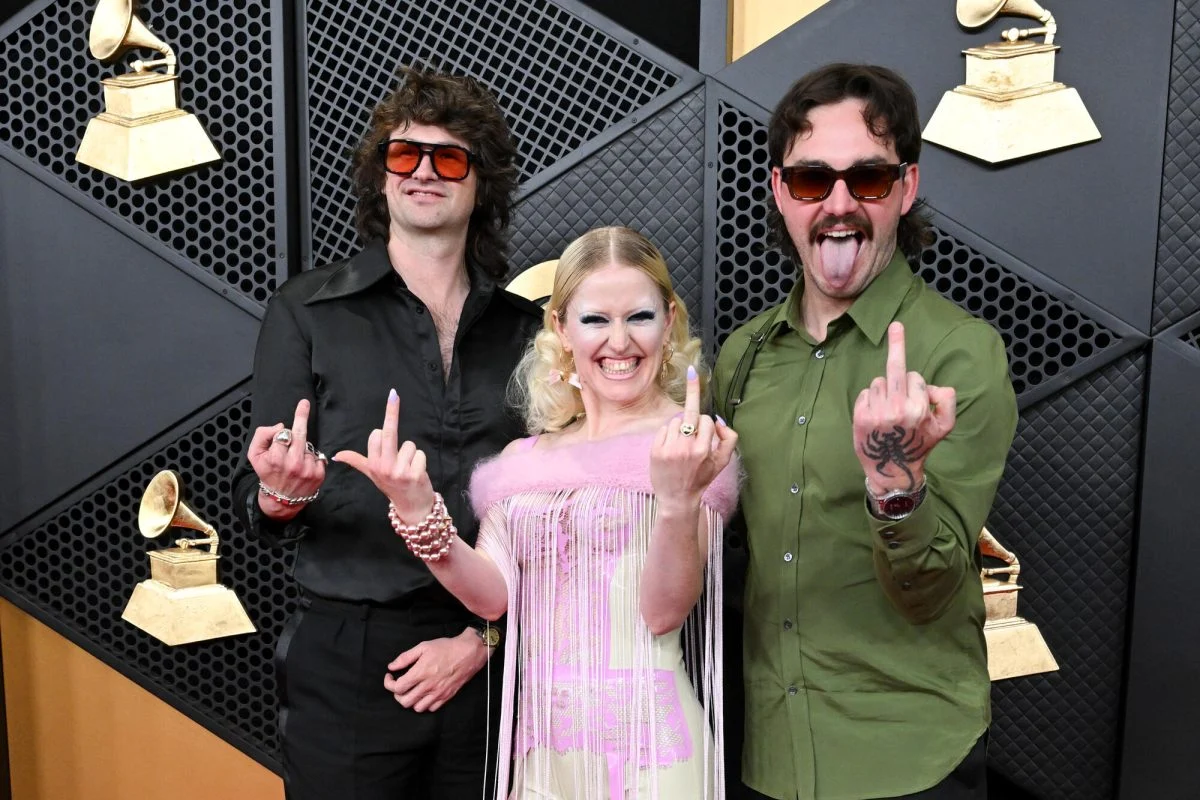
A U.S. federal judge has delivered a significant procedural victory to Amy Taylor, the fiery frontwoman of the acclaimed Australian punk rock band Amyl and the Sniffers, in her protracted copyright dispute with photographer Jamie Nelson. In a ruling that underscored the court’s preference for resolution outside of a full trial, Judge George Wu of the U.S. District Court for the Central District of California denied Nelson’s anti-SLAPP motion and issued a stark warning to the photographer, stating that "things are only going to get worse" if the matter proceeds to trial. The court mandated that both parties enter mediation within three weeks, signaling a clear judicial push towards an amicable settlement in a case that has drawn attention to the complex landscape of intellectual property rights in the entertainment industry.
Judicial Intervention and the Push for Settlement
The hearing, held on Monday, March 31, 2026, saw Judge Wu largely rule in favor of Taylor, marking a critical juncture in the ongoing legal battle. Taylor’s legal representative, Jonathan Pink, characterized the outcome as a near-total victory for his client. "The U.S. district court today ruled almost entirely in favor of plaintiff, Amy Taylor, giving her the right to amend her federal court action, keeping alive her state-based claims, and leaning on defendant, Jamie Nelson, to settle this lawsuit," Pink affirmed in a post-hearing statement. He further emphasized the lopsided nature of the decision, stating, "In summary, today’s hearing was a near-complete victory for Amy Taylor and nearly the complete opposite for Ms. Nelson."
Judge Wu’s intervention was not merely procedural but carried a strong advisory tone. He set a firm mediation deadline of April 23, 2026, ahead of a subsequent hearing scheduled for April 27. The judge’s warning to Nelson was unequivocal: absent a significant "course-correction," he indicated a readiness to enter a default judgment against Nelson’s company, Jamie Nelson Studios LLC, as early as April 29. This judicial threat of a default judgment is a powerful tool, implying that the court may rule against a party who fails to defend themselves or comply with court orders, effectively bypassing a full trial.
Furthermore, Judge Wu dismissed Nelson’s attempts to challenge the legal acumen of Taylor’s counsel, who boasts over 30 years of experience in copyright law. He also explicitly declined to offer legal assistance to Nelson for her claims, reiterating that such a role falls outside the purview of the federal judiciary. From the bench, the judge directly addressed Nelson, delivering a pointed piece of advice: "Settlement is worth it even if you have to pay more than you want. Things are only going to get worse for you if you go forward." This direct counsel from a federal judge underscores the perceived weakness of Nelson’s current legal position and the potential for increasingly severe financial and legal repercussions should the case proceed to trial.
The Genesis of the Dispute: From Magazine Shoot to Legal Showdown
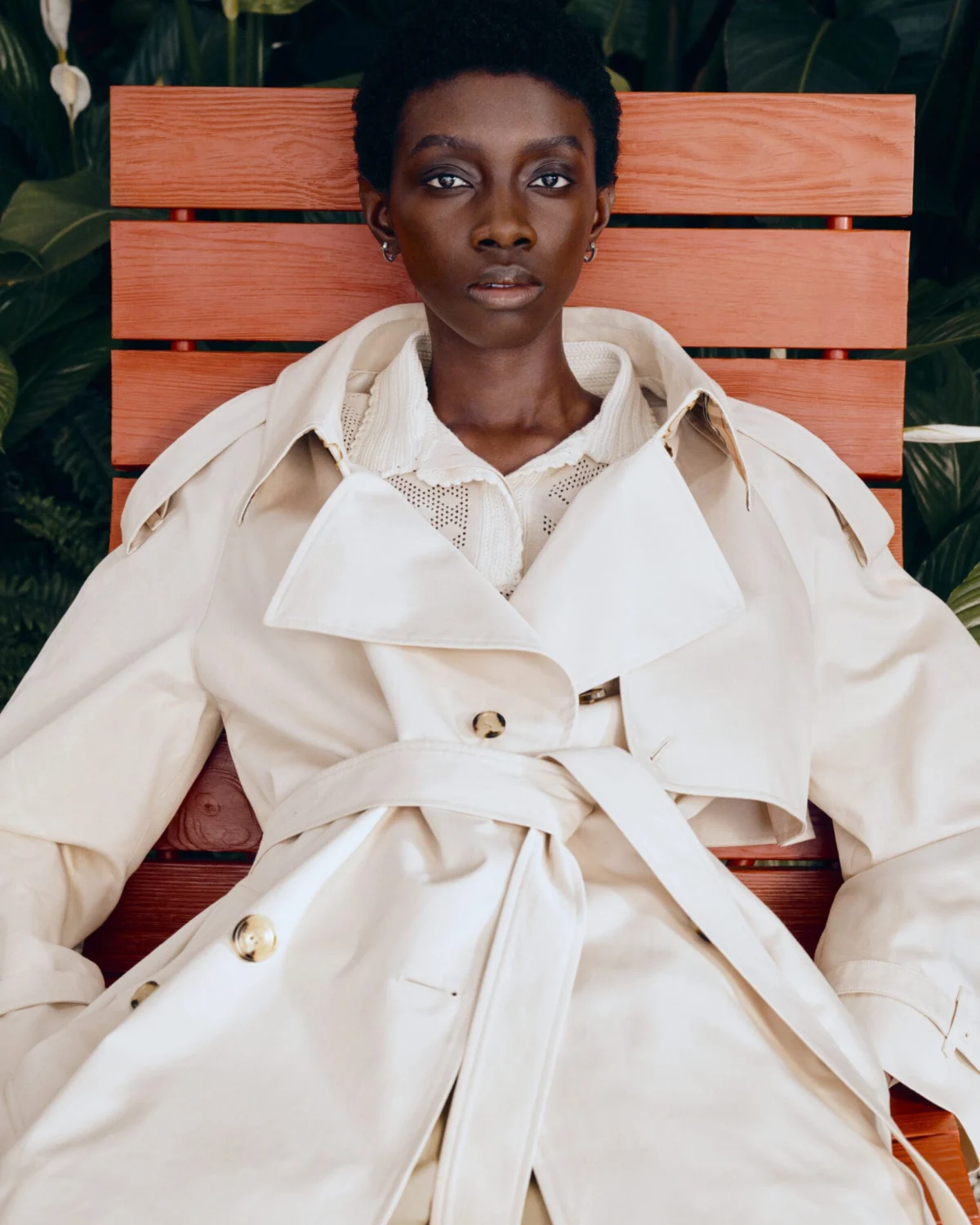
The heart of the legal fracas lies in a 2025 photo shoot conducted for Vogue Portugal. Jamie Nelson photographed Amy Taylor in a series of images that Nelson later titled Champagne Problems. According to Taylor’s legal team, the agreement for this shoot was explicitly contingent on the understanding that the images would be utilized solely for the editorial purposes of the magazine. This is a common arrangement in the fashion and entertainment industries, where celebrities grant limited licenses for their likeness to be used for specific publications, often with strict controls over subsequent commercialization.
The dispute escalated when Nelson allegedly proposed selling a selection of these photographs as fine art prints, individually priced at a substantial $3,600, and also contemplated releasing a limited-edition zine featuring the images. Taylor’s management team, acting on her behalf, reportedly rejected these proposals, asserting that such commercial exploitation fell outside the scope of the original agreement. Despite this rejection, Taylor’s lawsuit, filed in a California district court in late 2025, contends that Nelson proceeded to list the prints for sale and continued to display and use the images across her website and various social media platforms without obtaining the necessary authorization.
This sequence of events highlights a recurring tension in the creative industries: the balance between a photographer’s copyright in their original work and a subject’s right to control the commercial use of their likeness, especially when they are a public figure. While a photographer typically owns the copyright to the images they create, any commercial use of a celebrity’s image beyond the initial agreed-upon license often requires separate negotiation and consent, and usually, additional compensation.
Understanding Anti-SLAPP Motions and Copyright Counterclaims
Jamie Nelson’s attempt to dismiss Taylor’s lawsuit via an anti-SLAPP motion provides crucial context. SLAPP stands for "Strategic Lawsuit Against Public Participation." Anti-SLAPP laws are designed to protect individuals from frivolous lawsuits intended to silence or intimidate them for exercising their First Amendment rights, such as free speech. In California, anti-SLAPP motions are a robust legal defense, allowing a defendant to seek early dismissal of a lawsuit if they can show that the plaintiff’s claim arises from an act in furtherance of the defendant’s right of petition or free speech. If the defendant makes this showing, the burden shifts to the plaintiff to demonstrate a probability of prevailing on the claim.
Judge Wu’s denial of Nelson’s anti-SLAPP motion signifies that the court found Taylor’s claims were likely not designed to suppress Nelson’s free speech but rather to protect Taylor’s legitimate intellectual property and publicity rights. This denial is a strong indicator that the court views Taylor’s case as having substantive merit, shifting the legal momentum significantly in her favor.
In response to Taylor’s lawsuit, Nelson has filed copyright counterclaims of her own. She alleges that a third party connected to Taylor posted her images without permission. This move transforms the dispute into a multi-faceted legal battle, with both sides asserting copyright infringements. However, the judge’s recent ruling, particularly his stern warning and the denial of the anti-SLAPP motion, suggests that Nelson’s counterclaims may face an uphill battle if not resolved through mediation. Her statement to Rolling Stone AU/NZ on Tuesday, reiterating that her "copyright counterclaims remain active and will continue to move forward against Amy Taylor, Amyl and the Sniffers, John Angus Stewart, and PHC Films," underscores her determination to pursue her legal rights despite the judicial pressure to settle. Nelson also highlighted "the realities independent artists face when navigating disputes against well-funded and highly aggressive legal pressure," framing her continued fight as a defense of artists’ rights.

Broader Implications for Artists and Photographers
This high-profile case resonates deeply within the entertainment and art industries, underscoring the critical importance of clear, comprehensive contracts and precise licensing agreements in creative collaborations. The digital age has democratized content creation and dissemination, but it has simultaneously complicated the enforcement of intellectual property rights. Images can be shared globally in an instant, often blurring the lines of original intent and authorized usage.
For artists like Amy Taylor, the control over their image and likeness is not merely a matter of personal preference but a crucial aspect of their brand, career, and income. Unauthorized commercialization can dilute their brand, misrepresent their image, and divert potential revenue. For photographers like Jamie Nelson, their copyright in the images they capture is their livelihood, and the ability to commercialize their work is often central to their business model. The tension arises when these two sets of rights intersect, particularly when initial agreements may be perceived differently by each party or when subsequent opportunities for commercialization emerge.
Legal experts frequently advise both artists and photographers to secure detailed written agreements that explicitly outline:
- The scope of use (e.g., editorial only, specific publications, limited-edition prints, online use).
- The duration of the license.
- Any territorial restrictions.
- The terms for any future commercialization or re-licensing.
- The rights of publicity and privacy for the subject.
- Clear provisions for revenue sharing or additional fees for expanded usage.
The absence of such granular detail, or differing interpretations of vague terms, often leads to disputes like the one between Taylor and Nelson. The case serves as a cautionary tale for all parties involved in artistic collaborations, emphasizing that even seemingly minor oversights in contractual language can escalate into costly and time-consuming legal battles.
The Road Ahead: Mediation and Potential Outcomes
The court-ordered mediation is now the immediate focus for both parties. Mediation is a confidential process where a neutral third party helps disputing parties reach a mutually acceptable agreement. It is often favored by courts to resolve cases efficiently, reduce the burden on the judicial system, and allow parties to craft solutions that a court might not be able to impose.
During mediation, Taylor and Nelson, with their respective legal counsel, will have the opportunity to discuss their positions, explore common ground, and negotiate a settlement. Potential outcomes could include:
- Financial settlement: Nelson could pay Taylor for the alleged unauthorized use of her images.
- Licensing agreement: A new agreement could be drafted allowing Nelson to sell prints under specific terms, potentially with royalties to Taylor.
- Destruction of unauthorized prints/materials: Nelson could agree to cease all unauthorized sales and remove images from her platforms.
- Mutual dismissal of claims: Both parties could agree to drop their respective lawsuits as part of a broader settlement.
- Public statement: An agreed-upon statement clarifying the resolution of the dispute.
Should mediation fail by the April 23 deadline, the case will revert to the court, with the next hearing scheduled for April 27. The judge’s previous warning about a potential default judgment against Jamie Nelson Studios LLC on April 29 adds significant pressure on Nelson to engage constructively in the mediation process. A default judgment would be a severe blow, potentially leading to a judgment against her company without a full trial on the merits, which could include substantial monetary damages and injunctive relief.
Amyl and the Sniffers: A Context of Success
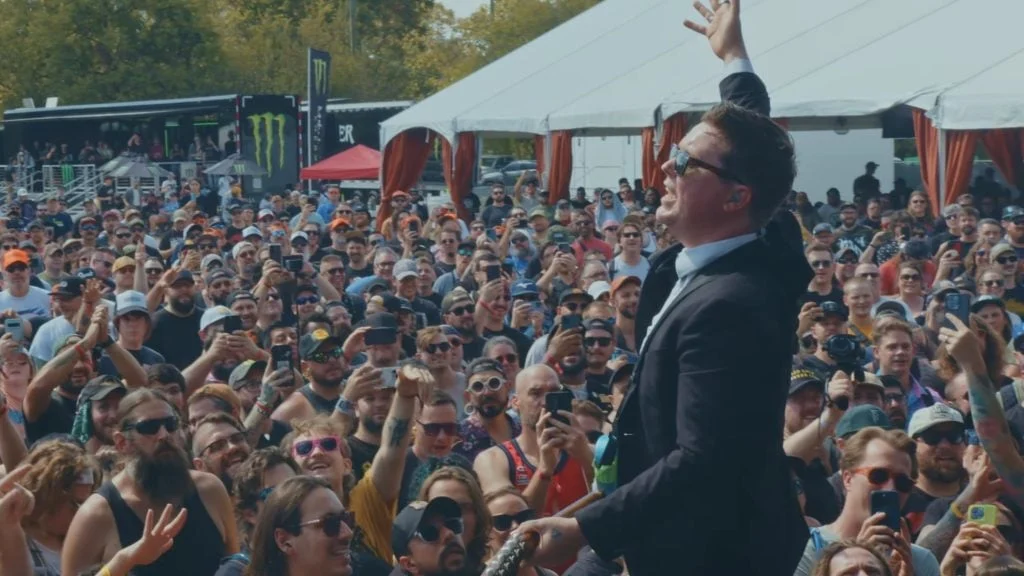
Amy Taylor’s prominence as an artist adds another layer to the significance of this case. Formed in Melbourne in 2016, Amyl and the Sniffers have rapidly ascended to become one of Australia’s most celebrated rock exports. Their raw, energetic punk sound and Taylor’s charismatic stage presence have garnered them a global following. Their 2022 album, Comfort to Me, debuted at No. 1 on the ARIA Albums Chart, Australia’s official music chart, and received widespread international critical acclaim. The band’s success has been recognized with nominations at prestigious events like the Brit Awards, and Taylor herself received "Australian of the Year" recognition, highlighting her status as a significant cultural figure.
This level of public recognition naturally increases the commercial value of Taylor’s image and, consequently, the stakes involved in any dispute over its unauthorized use. For a public figure, maintaining control over their public image is paramount, not just for financial reasons but also for artistic integrity and personal brand management. The legal battle, therefore, is not just about a few photographs but about fundamental rights and protections afforded to artists in the contemporary creative economy.
The judicial admonition and the mandated mediation represent a pivotal moment in this unfolding copyright dispute. The outcome will not only determine the rights and liabilities of Amy Taylor and Jamie Nelson but will also send a clear message to the broader creative community about the critical importance of clear agreements and respect for intellectual property rights in an increasingly complex digital landscape.