Mia Khoirunisa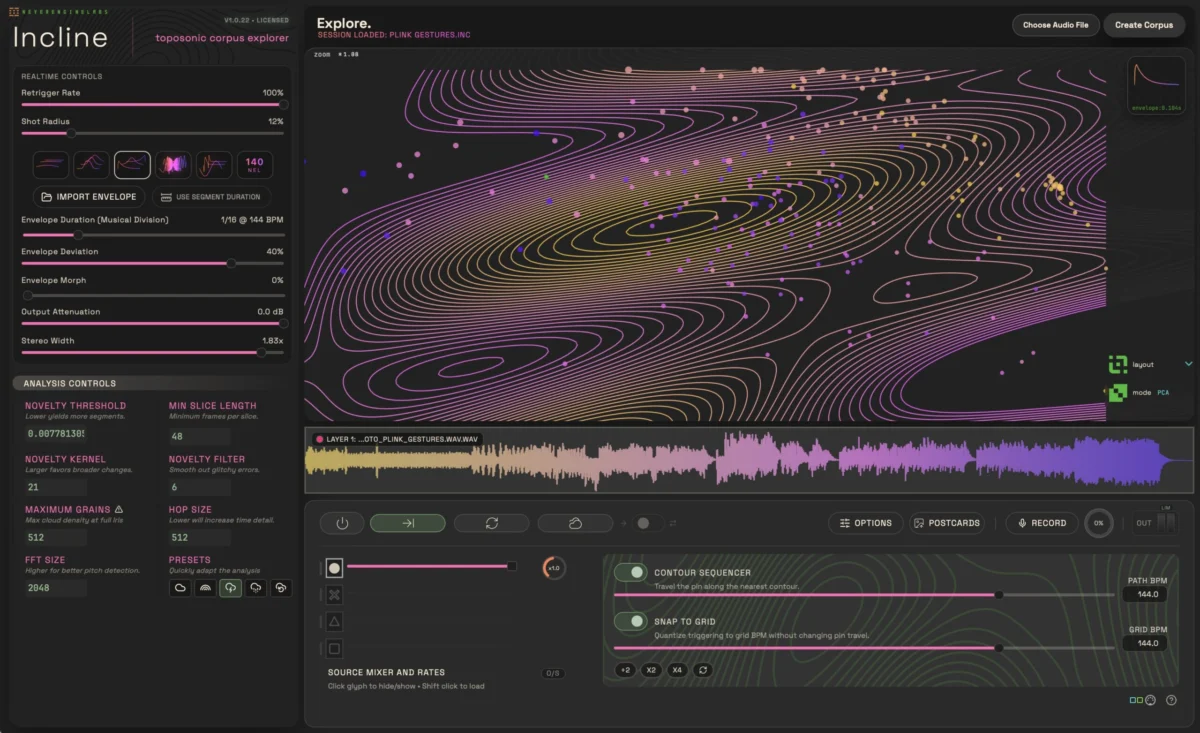
Incline, the groundbreaking new audio manipulation software from Cristián Vogel’s NeverEngine Labs, is poised to revolutionize the landscape of digital sound design by merging the intricate world of microsound with the advanced capabilities of machine learning. This innovative tool moves beyond the conventional, linear time-based approach of granular synthesis, instead offering users a dynamic, two-dimensional topographical map upon which to sculpt and perform sound. By atomizing audio into highly configurable segments and applying precise, sophisticated envelopes, Incline promises unique rhythmic and textural results, opening up uncharted territories for sonic exploration.
Historically, granular synthesis has operated primarily along a single axis of time. Users manipulate individual sound grains – minuscule fragments of audio – by altering their pitch, duration, and position within a linear temporal framework. While this method has yielded a rich palette of sounds, from dense, shimmering textures to chaotic sonic clouds, it remains fundamentally tethered to the familiar paradigms established by early audio technologies like tape loops and analog playback. Incline, however, boldly departs from this tradition.
A New Dimension: Topographical Soundscapes
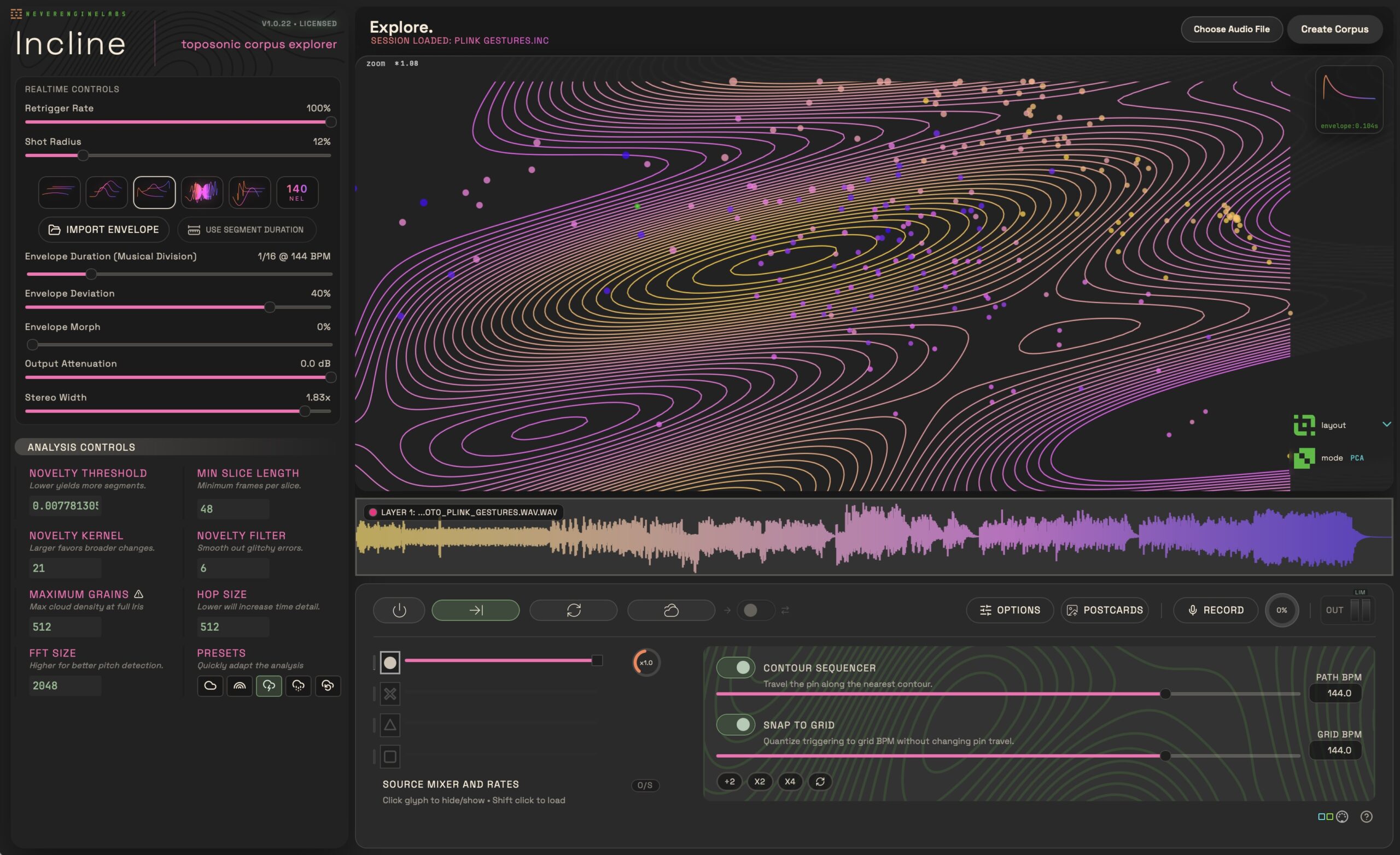
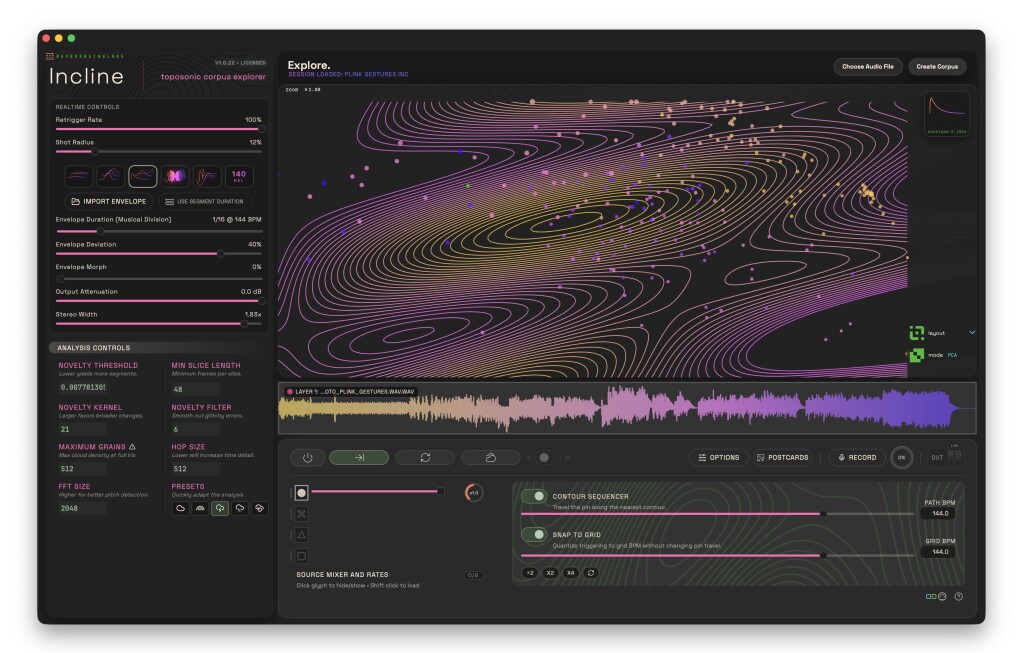
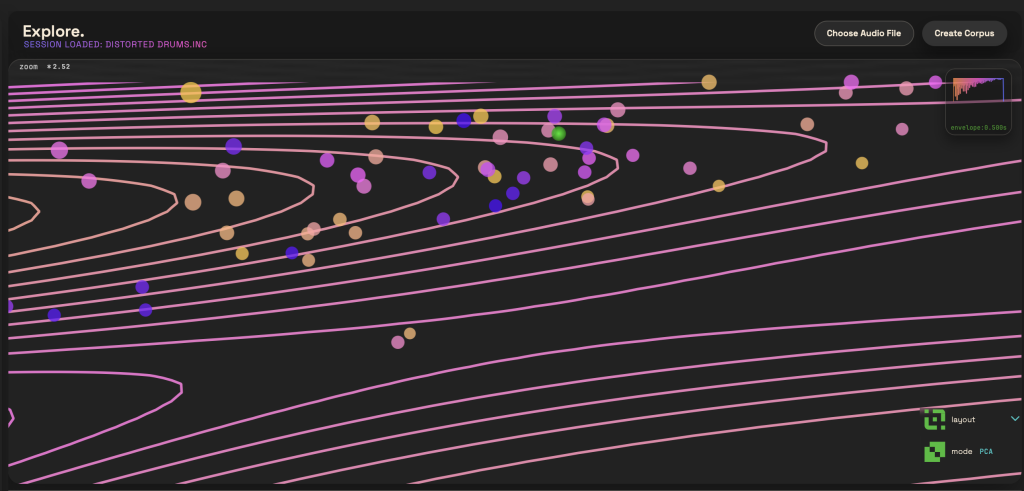
At the core of Incline’s innovation is its representation of sound as a two-dimensional landscape. Instead of navigating a timeline, users interact with a visually rendered topography, akin to a geographical map, where sound segments are plotted. This "toposonic corpus" allows for a fundamentally different mode of interaction: performing sound by traversing this terrain. The visual metaphor of contour lines, reminiscent of cartographic representations, underscores the tool’s unique approach to sonic sculpting. This aesthetic choice not only enhances user comprehension but also signals a departure from the abstract, often invisible, processes of traditional digital audio manipulation.
The driving force behind this paradigm shift is Cristián Vogel’s deep engagement with machine learning, or as he terms it, "machine listening." By employing these advanced algorithms, Incline is able to visualize and atomize sound in entirely novel ways, facilitating intricate sonic weaving and complex textural development. The act of navigating this topographical map becomes an inherently musical process, enhanced by pre-tuned settings, beat quantization, and automated playback along defined segments. This integration allows for the creation of precise, stuttered rhythmic effects, moving beyond the often amorphous character associated with less controlled granular synthesis.
Advanced Enveloping: Beyond the Standard
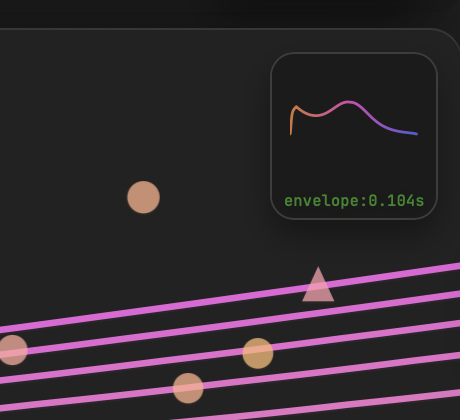
A standout feature of Incline is its sophisticated envelope generation system. Unlike many granular tools that offer limited envelope options, Incline incorporates a full-fledged wavetable engine with extensive index control and import capabilities. This means users are not confined to basic Hanning or Gaussian windows; they can craft highly personalized envelopes or import them from specialized tools like NeverEngine Labs’ own WaveKitchen. This level of control over the amplitude and timbre of individual grains, or groups of grains, is crucial for shaping nuanced sonic structures and achieving highly specialized, personalized results. The ability to import and manipulate wavetables opens up a vast sonic palette, allowing for intricate timbral evolution and complex harmonic transformations within the granular framework.
Workflow and Exploration: A Step-by-Step Guide
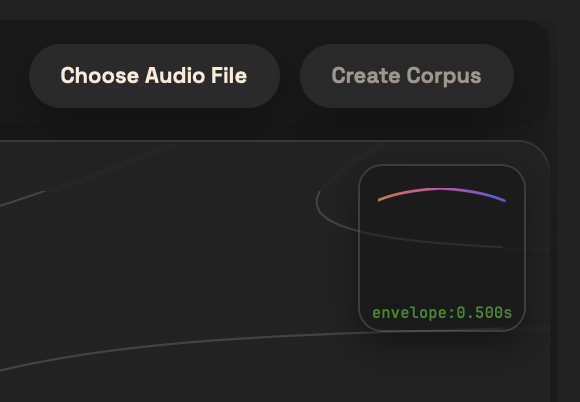
The journey into Incline’s sonic possibilities begins with a brief pre-analysis of an imported audio file, a process that typically takes only a few seconds. The user initiates this by selecting an audio file and clicking "Create Corpus." This foundational step involves the software’s segmentation algorithms, which dissect the audio into manageable sonic units.
The segmentation process is governed by controls located in the bottom left of the interface. While a comprehensive array of parameters is available, users can achieve significant results by leveraging the five intuitive presets found on the bottom right. The "Balanced" preset serves as an excellent starting point, offering a general-purpose segmentation. For those seeking greater sonic variation, the "Novelty" preset is ideal. To emphasize rhythmic elements, the "Transients" preset is recommended. Furthermore, users can opt for presets that generate smaller fragments or tempo-estimated loops, which are particularly useful for creating intricate grooves. The latter option significantly increases the likelihood of generating cohesive rhythmic patterns, although other modes can also yield compelling rhythmic results.
Upon adjusting parameters or selecting a preset, the "Create Corpus" button re-analyzes the audio, generating a visual topographical map populated with sonic points. This dynamic feedback loop allows users to rapidly remap the sound by experimenting with different presets or, as their confidence grows, by directly manipulating analysis values.
Navigating the Sonic Terrain
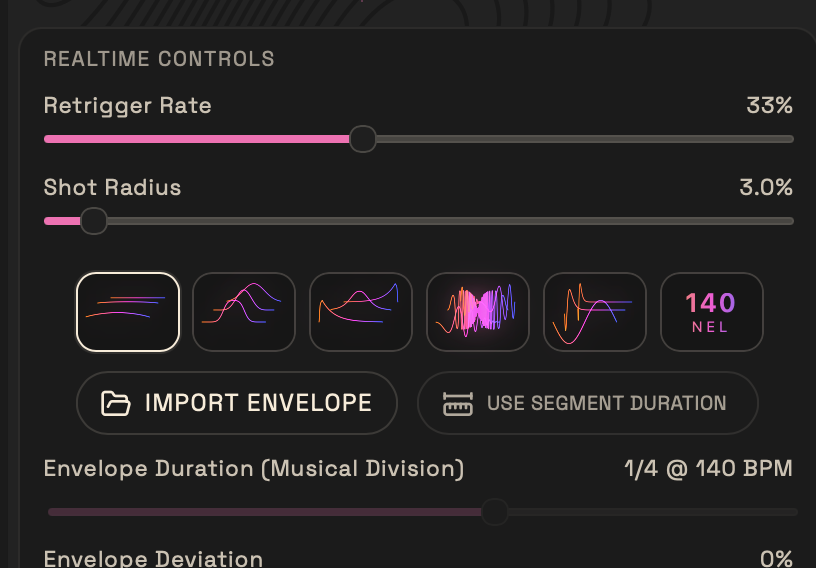
Once the corpus is generated, the exploration phase begins. Playback can be initiated, with initial settings often favouring forward playback and disabled looping for focused exploration. Users can interact directly with the generated map by clicking on the various points, each representing an atomized microsound. The "Shot Radius" control functions similarly to a brush size in digital painting, determining the proximity required to trigger a sound grain.
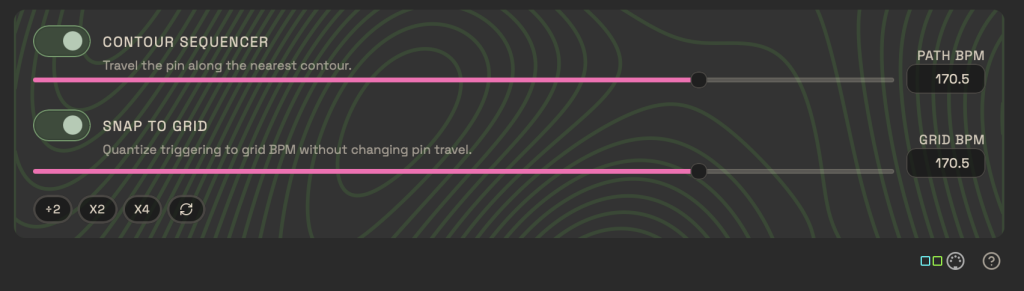
Activating the "Contour Sequencer" and "Snap to Grid" features transforms navigation into a more structured performance. A visual indicator, often a green puck or "pin," moves across the topographical lines, tracing a path through the sound. The "Retrigger Rate," analogous to density in synchronous granular synthesis, can be adjusted to control the frequency of grain playback. It is important to note that gaps in playback are an intentional design feature, reflecting the user’s current position within the topography. The density and presence of silence will vary based on the distribution of grains and playback modes.
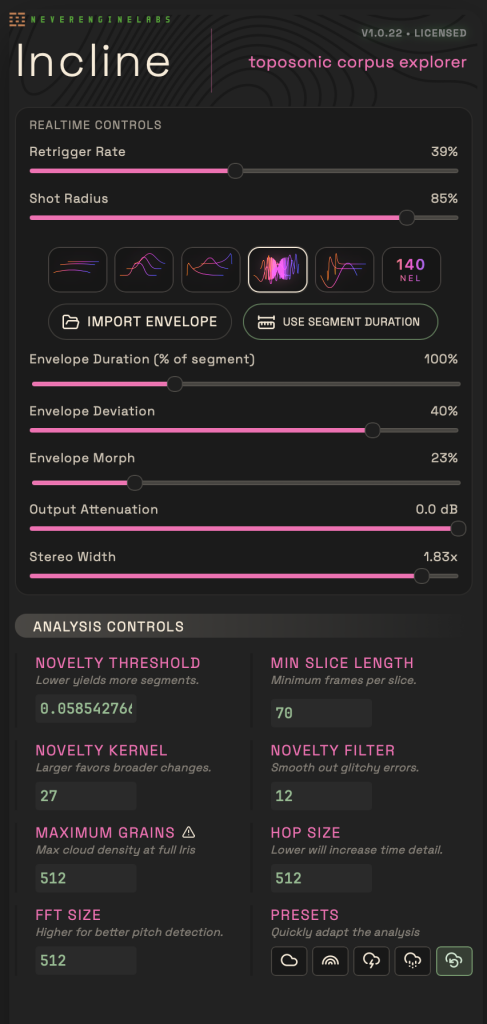
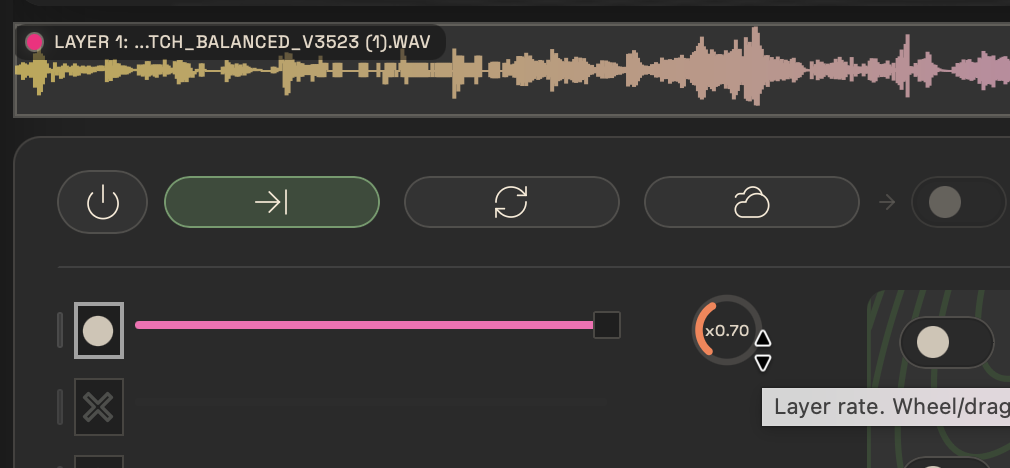
Pitch manipulation is achieved through the "Rate" control within the "Source Mixer" section, allowing for repitching of the selected grains. The "Envelopes" section is where the true depth of Incline’s sonic sculpting capabilities is revealed. The software provides access to a diverse range of factory envelopes, such as "Factory A," which can produce shorter, percussive sounds. The "Morphing" or "Index" controls allow users to traverse through wavetable positions, leading to dynamic sonic evolutions. For instance, within "Factory A," morphing through wavetable positions can generate reverse envelopes and swelling textures.
The Power of Wavetable Integration
The integration of wavetables is a significant differentiator for Incline. Users can import their own wavetables, and NeverEngine Labs provides an extensive library of approximately 140 wavetables within a dedicated preset bank. These imported and factory wavetables do not necessarily morph continuously; instead, users can shuffle through them using the "Envelope Index." This granular control over timbral change within the envelope’s contour adds another layer of sonic sophistication.
Percussive and Rhythmic Possibilities
Incline’s capacity for producing rhythmic results is particularly noteworthy. Demonstrations showcase the tool’s ability to generate intricate percussive patterns, moving beyond the ethereal textures often associated with granular synthesis. This versatility makes Incline a compelling option for electronic music producers working in genres like techno and dub techno, where precise rhythmic articulation is paramount.
Strategies for Developing Sonic Ideas
Developing compelling sonic ideas within Incline involves a multi-faceted approach to exploration and manipulation.
Visual Exploration and Navigation
Users are encouraged to zoom, scroll, and navigate the sound by interacting directly with the topographical map or the conventional waveform view. This visual-auditory feedback loop is central to the Incline experience.
Saving and Recalling Sonic States: "Postcards"
A feature known as "Postcards" allows users to save specific views of the topographical map. When a particular zoom level, position, or configuration yields a desirable sonic outcome, it can be captured as a "postcard." This enables users to quickly recall and revisit these sonic snapshots, fostering a non-linear approach to composition and sound design.
Layout Adjustments for Sonic Reorganization
The "Layout" menu offers various options for reorganizing the visual representation of the sound grains. With the exception of the "Motion" setting, which controls timing based on playback pin travel distance versus a fixed BPM, these layout options fundamentally alter the sonic characteristics by reconfiguring the arrangement of grains. Experimentation with these settings is key to discovering unexpected sonic behaviors.
The Visual as the Auditory: Constraining Playback
A crucial principle in Incline is that the visual representation directly correlates to the auditory output. Changes in the display inherently modify the sound’s attributes. The contour sequencer’s movement is constrained by the visible viewport, meaning users can employ zoom to define the boundaries of their playback pathway, effectively controlling the sonic material accessible within a given moment.
Layering and Compositional Depth
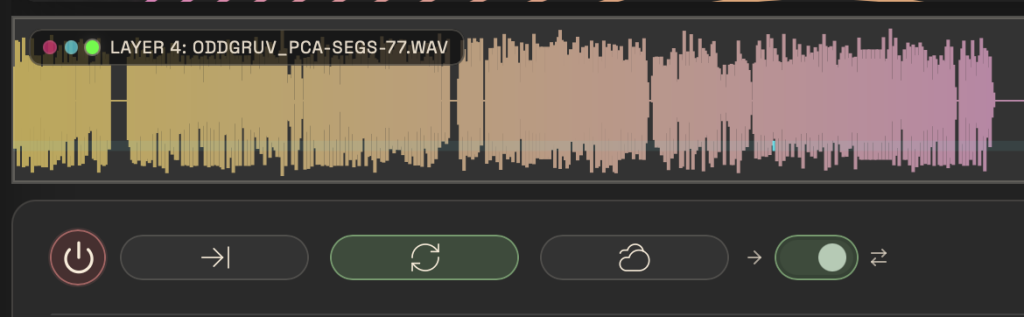
Incline supports the addition of multiple sound files, facilitating the creation of complex, layered compositions. This is achieved by shift-clicking layers in the "Source Mixer" or by repeatedly using the "Choose Audio File" function. While experienced users may dive into multi-layered projects immediately, beginners are advised to start with a single layer to fully grasp the interface and its capabilities. Saving work is accessible via "File > Save," and a fresh start can be initiated with "File > New."
MIDI Integration for Expressive Control
The software is designed to integrate seamlessly with MIDI controllers and sequencers. Users can route MIDI input from external devices or virtual MIDI ports (such as IAC MIDI on macOS or third-party solutions on Windows). Both X and Y axes of the topographical map can be mapped to MIDI CCs, offering continuous control over sonic parameters. Additionally, MIDI note inputs can be mapped across the sample, enabling users to play the soundscape with a MIDI controller or sequence complex sonic patterns externally. While Incline operates as a standalone application, its audio output can be easily routed back into a host Digital Audio Workstation (DAW) for further processing and integration into larger projects.
NEL Wave Kitchen: A Synergistic Companion
The synergy between Incline and NeverEngine Labs’ standalone wavetable generation tool, WaveKitchen, is a significant aspect of the Incline ecosystem. WaveKitchen provides a robust suite of tools for creating wavetables suitable for any synthesizer, but its capabilities are particularly well-suited for pairing with Incline. Features like the Euclidean generator in WaveKitchen can produce intricate microrhythms within Incline’s envelopes, while other transforms can yield unique rhythmic and timbral results. When combined with Incline’s playback triggering and speed controls, these granular materials can effectively transform into oscillators, with the wavetable shape dictating the sonic output.
Broader Implications and Future Outlook
Incline transcends the traditional definition of granular synthesis, offering a novel approach to sound slicing and resynthesis. It evokes a similar sense of discovery and expanded perception as the initial encounters with granular synthesis, spectral effects, or convolution processing. The tool provides a rare blend of experimental freedom and precise control. The inclusion of quantization and sophisticated envelope tools allows for razor-sharp manipulation of sonic elements, enabling the creation of both highly experimental soundscapes and tightly controlled rhythmic patterns.
Cristián Vogel’s distinct compositional perspective and extensive experience in sound design are palpable throughout Incline. His work as NEL, characterized by a departure towards tougher beats and rhythmic textures reminiscent of his earlier production style, often employing modular synthesizers in an improvised live-to-tape process, finds a conceptual echo in Incline’s improvisational potential. The software facilitates a meditative approach to sound creation, whether through precise manipulation or exploratory jamming.

At its launch, Incline is available for macOS, with a Windows version anticipated in the near future. A 7-day trial is offered, allowing prospective users to experience its unique capabilities firsthand. The availability of this innovative tool signifies a significant step forward in digital audio manipulation, promising to inspire a new generation of sonic artists and sound designers.
Key Takeaways:
- Dimensional Shift: Incline reimagines granular synthesis by moving from a linear time axis to a two-dimensional topographical landscape.
- Machine Learning Integration: Leverages machine learning ("machine listening") for advanced sound atomization and visualization.
- Sophisticated Enveloping: Features a powerful wavetable engine for highly customizable grain envelopes, with import capabilities.
- Topographical Performance: Users "perform" sound by navigating the visual soundscape, enabling intuitive and expressive control.
- Rhythmic Potential: Capable of generating intricate rhythmic patterns beyond typical granular synthesis.
- Synergy with WaveKitchen: Integrates seamlessly with NeverEngine Labs’ wavetable creation tool for expanded timbral possibilities.
- Accessibility: Currently available for macOS with a Windows version forthcoming, and includes a trial period.