Reynand Wu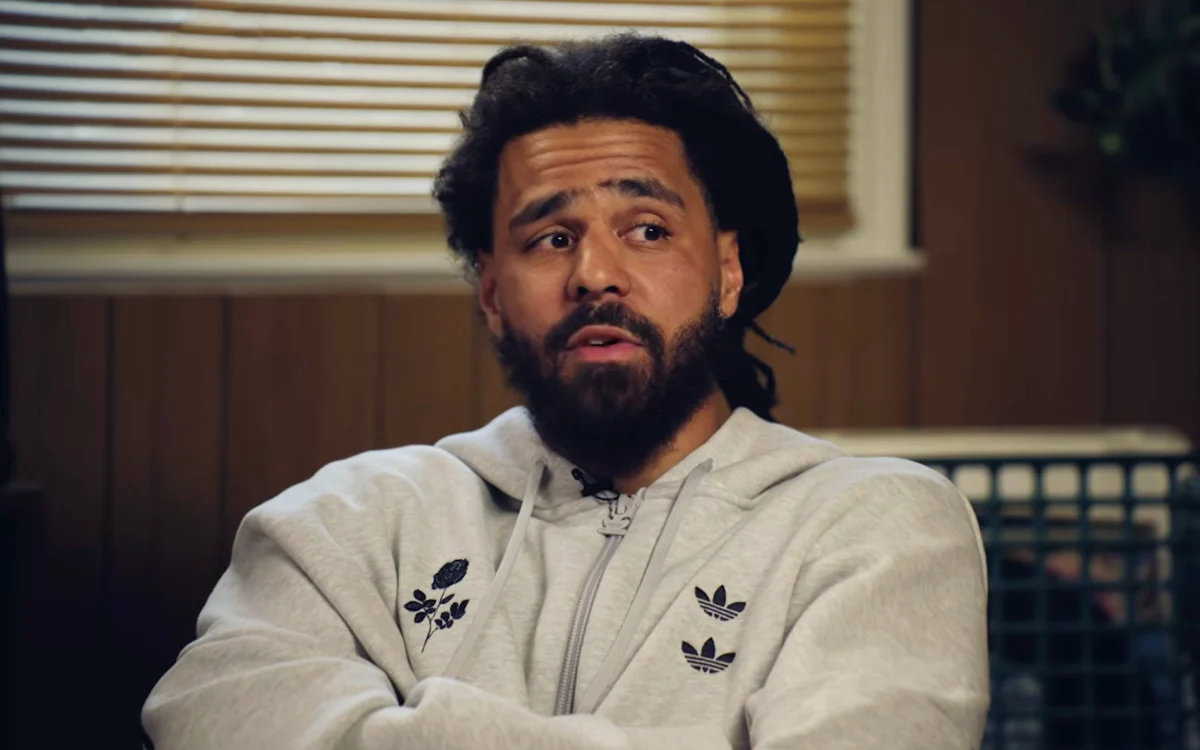
In his first comprehensive series of interviews since controversially withdrawing from the high-profile rap battle involving Drake and Kendrick Lamar, J. Cole has offered profound insights into his decision, the emotional aftermath, and his current perspective on the industry’s most significant rivalry of 2024. The Dreamville co-founder delved into the motivations behind his swift apology to Kendrick Lamar for his since-deleted diss track "7 Minute Drill" and reflected on the broader implications of the feud for the artists involved and the hip-hop community. His candid discussions, notably with Apple Music’s Nadeska Alexis and hip-hop veteran Cam’ron, provide an unprecedented look into the mind of an artist grappling with personal integrity, public expectation, and the intense pressures of competitive rap.
The Genesis of a Generational Feud and Cole’s Brief Involvement
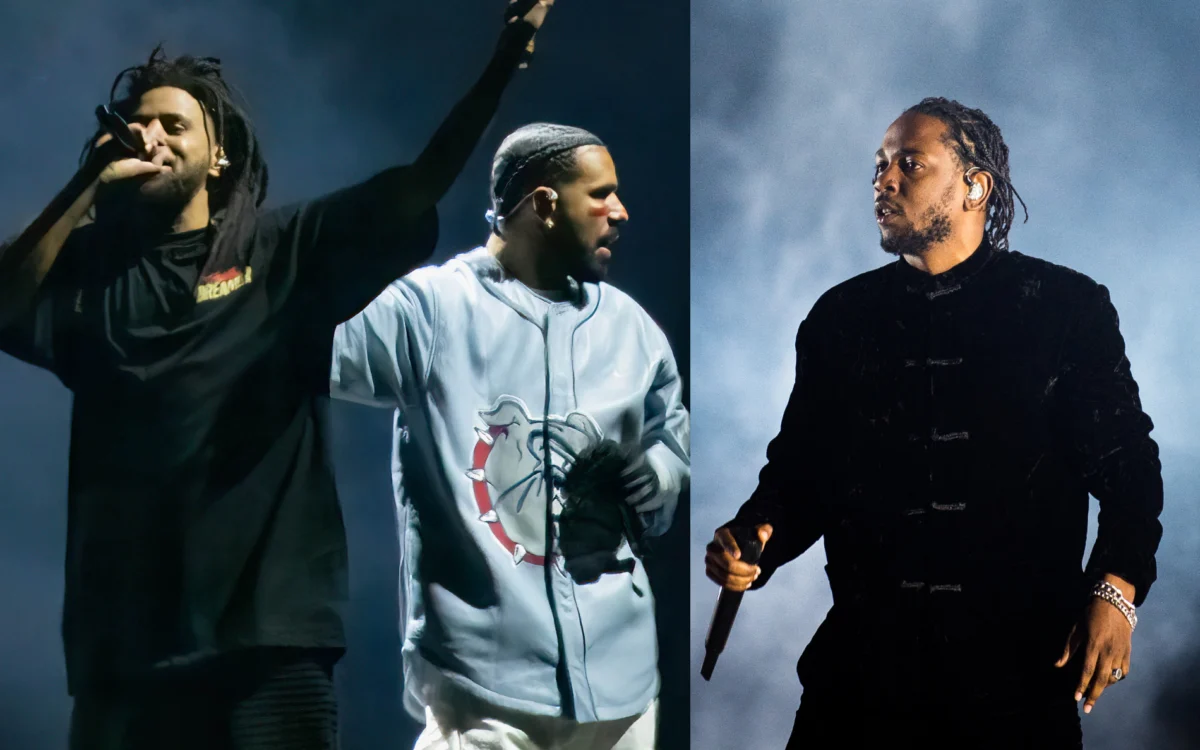
The origins of the much-discussed rap beef can be traced back to October 2023 with the release of Drake’s track "First Person Shooter" featuring J. Cole. On the song, Cole confidently declared himself, Drake, and Kendrick Lamar as the "Big 3" of modern hip-hop, a statement that, while seemingly unifying, inadvertently set the stage for a dramatic shift in the rap landscape. This assertion was met with a seismic response in March 2024 when Kendrick Lamar, in a surprise verse on Future and Metro Boomin’s track "Like That," unequivocally rejected the "Big 3" notion, proclaiming himself superior and explicitly dissing both Drake and J. Cole. Lamar’s verse, delivered with a potent blend of lyrical dexterity and aggressive conviction, served as a direct challenge, igniting what would quickly become one of the most intense and scrutinized rap rivalries in recent memory.
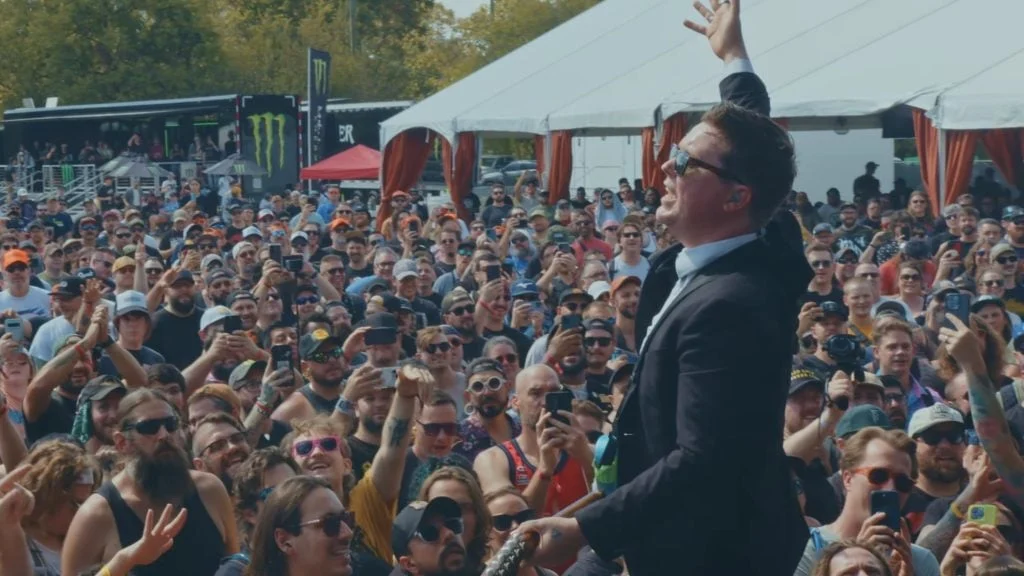
J. Cole, initially targeted alongside Drake, felt compelled to respond. On April 5, 2024, during his headlining performance at Dreamville Festival in Raleigh, North Carolina, he debuted "7 Minute Drill" from his surprise project, Might Delete Later. The track contained direct disses aimed at Kendrick Lamar, critiquing his recent output and perceived absence from the musical forefront. However, just two days later, on April 7, Cole made a remarkable and unprecedented move. During the same festival, he publicly apologized to Lamar, expressing deep regret for the diss track and stating his intention to remove it from streaming platforms, which he promptly did. This act of de-escalation, while praised by some for its maturity, drew significant criticism from others who viewed it as a retreat from battle and a stain on his competitive legacy.
The Emotional Toll and Public Scrutiny
In his conversation with Nadeska Alexis, J. Cole revealed the profound internal conflict that led to his apology. He described a period of intense stress and discomfort in the days following the release of "7 Minute Drill." "The idea hit me about an hour before [I went out on stage at Dreamville Fest]," he recounted, describing a sudden feeling of lightness and excitement that accompanied the decision to make peace. "Because the two or three days before that, I was stressing the fuck out. I felt like I had misrepresented myself. I was giving life to division and to negative storylines about somebody that I fuck with and I got love for and care about." This internal turmoil, he explained, left him feeling "terrible" and "miserable," indicating a deep personal discomfort with the nature of the beef and his role in it.
The gravity of his decision was not lost on his inner circle. Cole shared a poignant detail about his wife’s reaction: "She started crying when he told her that he was going to make peace with Kendrick because she knows how I feel about him and she saw how it was weighing on me the two or three days before that." This emotional validation from his closest confidante underscored the sincerity of his regret and the significant personal cost of engaging in a conflict that went against his core values.
Despite the personal relief he felt, Cole was acutely aware of the "widespread backlash" that followed his public apology and the subsequent deletion of "7 Minute Drill." Critics and fans alike debated whether his move was a sign of weakness, a strategic misstep, or an act of mature leadership. Figures like Fat Joe publicly commented on the perceived "taint" to Cole’s legacy. Cole admitted that while his internal peace made the criticism easier to bear, it still took a toll on his confidence. "The world didn’t give a fuck [about how great I felt after the apology] and they were fucking me up — my name, my reputation," he acknowledged. "Although the lightness that I felt made it easier to deal with, over time I had to process that shit and I had to get right." He confessed to moments of doubt, admitting to thinking, "Damn, ngga, you’re fucking done* right now. It’s over!" These fears, he elaborated, forced him to confront his anxieties about his career and standing in the rap world. The constant bombardment of online discourse, with "every other muthafucking video" on YouTube dissecting his decision, made it difficult to escape the noise. He even joked about friends and family texting him to "check on me," highlighting the widespread public concern and intense scrutiny.
Navigating the Aftermath: Relationships with Drake and Kendrick
In a separate, equally revealing interview with Cam’ron, J. Cole addressed his current relationship with both Drake and Kendrick Lamar, offering a nuanced perspective on their interactions since the dust settled on their 2024 showdown. Cole confirmed that while direct, frequent communication has not been re-established, a foundational respect and affection remain. "I’m in the same place where I genuinely love these nggas, but I’m not gonna act like we’ve been communicating and talking," he stated, acknowledging the reality of the situation. He admitted to having had "conversations with them post everything but not, like, a lot. That’s me not knowing where they’re* at." This honesty underscores the delicate nature of their relationships, strained but not broken by the intensity of the beef. His desire to reach out, expressed as "I be wanting to shoot off a text," despite feeling it might sound "lame" on mic, further illustrates his genuine regard for both artists as individuals, separate from the competitive arena.
Critique of Fan Culture and Industry Dynamics
Beyond his personal experiences, J. Cole offered a broader critique of the fan culture and industry dynamics that emerged during the Drake-Kendrick feud. He expressed profound "disgust" at the intense division between the artists’ respective fanbases, drawing a stark parallel to political polarization. "Right away, the world became like politics — you either Democrat or Republican; you either Kendrick or Drake. You gotta pick a side," he lamented. This observation highlights a growing trend in digital culture where nuance and appreciation for multiple artists are often sacrificed for binary allegiance.
Cole went further, criticizing what he perceived as a "campaign" to diminish Drake’s artistic standing in the wake of the battle. He suggested that many used the opportunity to express pre-existing negative sentiments or simply "pile on" and "tear this dude down and create a narrative as if he’s not great." This commentary speaks to the often brutal and unforgiving nature of public opinion, especially in the era of social media, where collective sentiment can rapidly shift and solidify into a dominant narrative, regardless of an artist’s long-standing contributions or achievements. His observation that this "campaign" probably "still is to this day" indicates a lasting concern about the sustained impact on Drake’s reputation.
Dual Perspectives: Celebrating Success, Acknowledging Struggle
Perhaps one of the most compelling aspects of J. Cole’s reflections is his ability to hold seemingly contradictory emotions simultaneously: pride for Kendrick Lamar’s triumph and sympathy for Drake’s perceived downturn. He openly celebrated Kendrick’s monumental success following the beef, referencing key moments that cemented Lamar’s victory in the public consciousness. "When I saw Kendrick get the moment he had — the Pop Out, the stadium, the Super Bowl, the Grammys — I’m just as proud of this n*gga as I was when I knew him back then," Cole articulated. This statement reflects a deep-rooted admiration and personal connection that transcends the competitive aspects of hip-hop, harking back to their earlier careers and shared journey in the genre.
However, this celebration of Kendrick’s success is tempered by a profound sense of empathy for Drake. "But I also hate that for Drake and I hate how the world has turned on him," Cole admitted. This reveals a complex emotional landscape where loyalty and respect for both peers coexist, even when they are at odds. His closing remark, "Simultaneously, I’m also like, ‘I hope Iceman goes crazy!’" refers to Drake’s potential future projects, demonstrating his continued support and desire for Drake’s resurgence despite the outcome of the battle. This dual perspective is rare in the cutthroat world of rap and speaks volumes about Cole’s character and his understanding of the human element behind the headlines.
Broader Implications for Hip-Hop
J. Cole’s unique position in this saga—briefly involved, then retreating to a position of objective observation—offers a valuable lens through which to examine the broader implications for hip-hop. His decision to apologize and delete "7 Minute Drill" was widely interpreted as a prioritization of peace and personal integrity over competitive bravado, a move that challenged conventional rap battle norms. While some argued it demonstrated a lack of killer instinct, others saw it as a mature pivot, redefining what success and respect mean in the genre.
The feud itself, culminating in Kendrick Lamar’s decisive victory, arguably reshaped the "Big 3" narrative, solidifying Lamar’s position at the apex and prompting a re-evaluation of Drake’s legacy. Cole’s comments about the "campaign" against Drake highlight the increasingly unforgiving nature of public discourse and the immense pressure artists face in the digital age. The rapid escalation and personal nature of the disses, which delved into highly sensitive allegations, also raised questions about the boundaries of competitive rap and the potential for real-world consequences beyond lyrical sparring.
Ultimately, J. Cole’s recent interviews serve as a crucial post-mortem on one of hip-hop’s most impactful events. His candid admissions about stress, regret, and the difficulty of navigating public opinion, coupled with his balanced perspective on the outcomes for both Drake and Kendrick, paint a picture of an artist deeply committed to his craft and his values, even when those values clash with the expectations of a highly competitive industry. His reflections offer not just a personal account, but a significant commentary on the state of hip-hop, its fan culture, and the enduring human element within its most intense rivalries. As the industry moves forward, Cole’s actions and words will undoubtedly contribute to the ongoing conversation about integrity, competition, and legacy in the ever-evolving landscape of rap music.