Kholidah
The television and streaming landscape in South Korea has reached a critical juncture in the first quarter of 2026, as high-budget productions and A-list casting no longer guarantee audience loyalty through to a series finale. While the global appetite for Hallyu content remains robust, internal industry data and social media sentiment analysis from March 2026 indicate a growing trend of "dropping" series mid-cycle. This phenomenon, where viewers intentionally cease watching a show before its conclusion, has hit several high-profile dramas across major networks like tvN, JTBC, and ENA, as well as global streaming giant Netflix. As the "drop rate" becomes a significant metric for production houses, the industry is forced to reconcile with the fact that initial hype—often driven by "star power"—is increasingly insufficient to mask deficiencies in narrative pacing, character development, and thematic execution.
The Evolution of Audience Sentiment and the March 2026 Drop Rate
Historically, K-Dramas have relied on a "hook" in the first four episodes to secure viewership. However, the television cycle of March 2026 demonstrated that modern audiences, particularly those on digital platforms such as Reddit’s r/KDRAMA and various international fan forums, are becoming more discerning and less patient with stagnant plotlines. The current quarter saw a record number of viewers reporting that they abandoned series between episodes 6 and 10, citing a disconnect between the promotional promises and the actual story progression.

Industry analysts suggest that the "binge-watching" culture has paradoxically made viewers more sensitive to "filler" content. When a show fails to maintain its internal logic or when the chemistry between leads feels manufactured, the social cost of continuing—spending another ten to twelve hours on a subpar product—outweighs the initial investment. This shift in consumer behavior was most evident in five specific titles that dominated the "dropped" lists throughout March 2026.
1. Boyfriend On Demand: The Limitations of High-Concept Virtual Romance
Perhaps the most surprising entry on the list of dropped dramas is the Netflix original Boyfriend On Demand. Starring BLACKPINK’s Jisoo and the versatile Seo In Guk, the series was positioned as a flagship release for early 2026. The plot centers on a burnt-out webtoon producer who seeks solace in a sophisticated virtual reality (VR) dating service, only to find the boundaries between her digital romance and her professional reality becoming dangerously porous.
Despite the star power of Jisoo, whose return to the screen was met with massive global anticipation, the series struggled with execution. Critics and viewers alike noted that while the premise was innovative, the narrative failed to explore the psychological depths of VR addiction or the complexities of modern loneliness. Instead, the story frequently regressed into conventional tropes. Social media feedback indicated that by episode 8, the "blurring lines" between reality and the digital world felt repetitive rather than suspenseful. The high "drop rate" for this series suggests that even the most dedicated "stans" (super-fans) found it difficult to overlook a script that many described as "lackluster" and "tonally inconsistent."

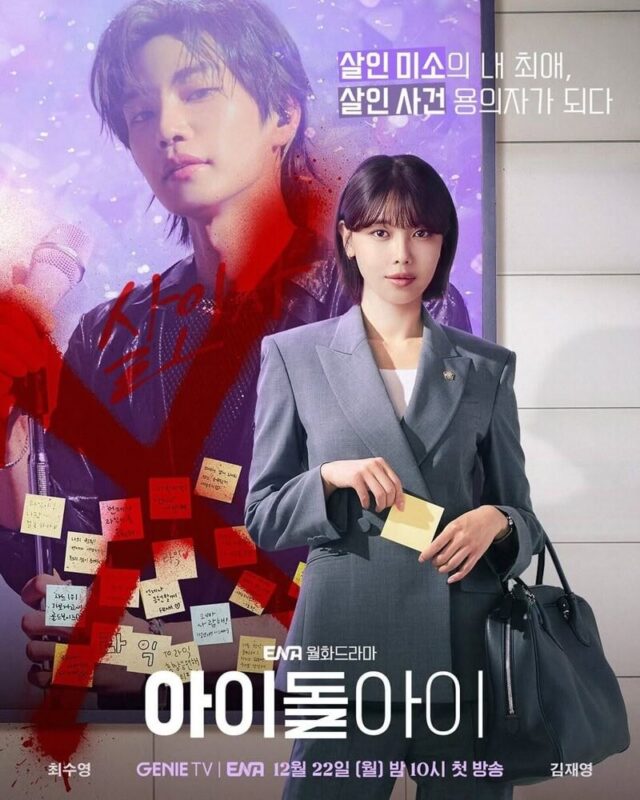
2. Idol I: The Difficulty of Blending Legal Procedurals with K-Pop Fandom
ENA’s Idol I attempted a risky genre blend by combining a legal procedural with the high-stakes world of K-Pop fandom. The story follows a lawyer who leads a double life as an obsessive fan, only to find herself defending her favorite idol in a high-profile murder case. The premise offered a unique opportunity to critique celebrity culture and the legal system simultaneously.
However, as the series progressed through March, viewership data showed a sharp decline. The primary complaint among those who dropped the show was the pacing. Many viewers felt that the legal aspects were oversimplified, while the "fangirl" subplots became distracting rather than endearing. By the midpoint of the season, the central mystery—the murder case—was sidelined by what fans described as "boring" interpersonal drama. The ENA series serves as a case study in the dangers of "genre-mashing" without a cohesive tonal anchor, leading many to exit the series before the truth of the murder was ever revealed.
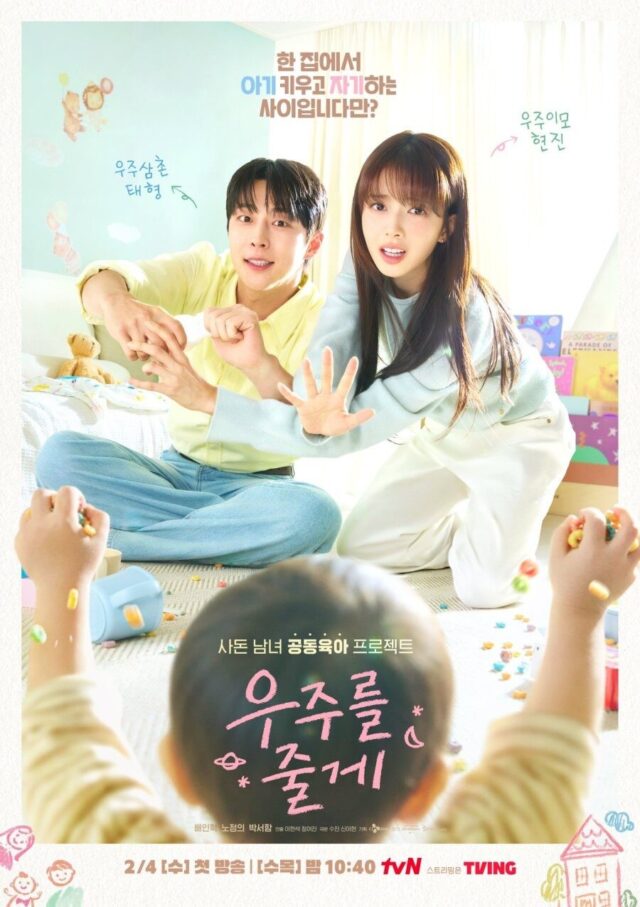
3. Our Universe: When Familiar Tropes Fail to Engage
Our Universe, a coming-of-age romantic comedy focusing on two in-laws forced to live together while raising an orphaned nephew, relied heavily on the "enemies-to-lovers" and "forced proximity" tropes. In the current K-Drama climate, these tropes require a fresh perspective or exceptional character chemistry to succeed.

Reports from March 2026 suggest that Our Universe failed on both counts. While the initial episodes garnered decent ratings due to the heartwarming "found family" element, the central conflict between the two leads was viewed by many as artificial. On community forums, viewers expressed frustration that the characters’ dislike for one another felt forced for the sake of the plot, rather than being rooted in organic character development. When the "expectations" of a cozy, emotional healing drama were replaced by stagnant bickering, a significant portion of the audience chose to stop watching, seeking more substantive narratives elsewhere.
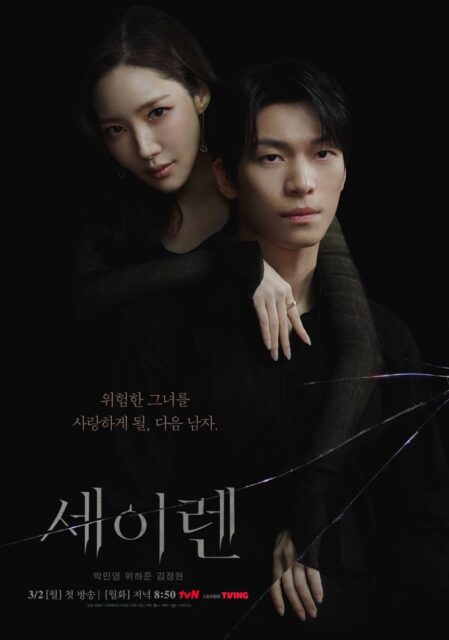
4. Siren’s Kiss: A Thriller Hampered by Pacing and Chemistry Issues
tvN’s Siren’s Kiss featured an elite cast including Park Min Young, Wi Ha Joon, and Kim Jung Hyun. As a romantic thriller involving an insurance investigator and a lethal art auctioneer, it was expected to be a seasonal hit. The noir-inspired aesthetic and the "femme fatale" archetype promised a sophisticated viewing experience.
The reality, however, was a series that many viewers found difficult to finish. The primary criticism centered on a perceived lack of chemistry between the leads, a fatal flaw for a show marketed on its "dangerous" and "seductive" romance. Additionally, the thriller elements were criticized for being slow-moving. In an era where viewers are accustomed to the fast-paced storytelling of limited series, Siren’s Kiss suffered from what many called "pacing issues," with the investigation failing to provide enough "reveals" to keep the audience hooked. The "drowning" metaphor used in the show’s promotion unfortunately became a point of irony for fans who felt they were "drowning in a slow plot."
5. Still Shining: The Downhill Trajectory of Second-Chance Romances
The JTBC and Netflix collaboration Still Shining tapped into the popular "second-chance romance" genre, following high school sweethearts who reunite in their thirties. This genre typically performs well with domestic and international audiences due to its nostalgic appeal.
However, Still Shining became one of the most frequently cited "dropped" dramas of March 2026. While the first four episodes were praised for their cinematography and emotional resonance, the subsequent episodes were described as going "downhill." Viewers reported feeling "frustrated" by the characters’ lack of communication and the introduction of unnecessary "love triangles" that felt like a regression to 2010-era drama cliches. The sentiment that the story was being "stretched" to fit a 16-episode format led to a mass exodus of viewers who preferred to remember the "shining" moments of the beginning rather than endure a disappointing conclusion.
Chronology of the March 2026 Slump
The decline in retention for these series was not instantaneous but followed a discernible timeline throughout the first quarter of the year:
- January 2026: High-profile announcements and teaser trailers for Boyfriend On Demand and Siren’s Kiss drive massive social media engagement.
- February 2026: Premiere weeks for most of these titles see strong Nielsen Korea ratings and high Netflix "Top 10" rankings.
- Early March 2026: The first wave of "drop" reports appears on Reddit and Twitter (X) as shows reach their 6th and 7th episodes.
- Late March 2026: Discussion threads for Idol I and Our Universe see a 40% decrease in participation, while "Dropped Drama" threads become the most active spaces for K-Drama discourse.
Data and Industry Analysis: The Cost of Disengagement
Data from streaming analytics firms in March 2026 suggests that the "completion rate" for 16-episode dramas has fallen by 12% compared to the same period in 2025. This is particularly concerning for advertisers and streaming platforms that rely on sustained viewership to justify high licensing fees.
Industry analyst Kim Soo-jin of the Seoul Media Research Institute notes, "The March 2026 data shows that the ‘star-power buffer’ is shrinking. In the past, fans would finish a drama simply because their favorite actor was in it. Now, with an overabundance of content options, the script is the ultimate decider. If the story drags or the characters become unlikeable, the audience will move on to the next release within minutes."
Broader Implications for the K-Drama Industry
The high drop rates of March 2026 serve as a wake-up call for production houses like Studio Dragon and JTBC Studios. There is a growing consensus that the traditional 16-episode format may be contributing to the "mid-series slump" that causes viewers to lose interest. We are likely to see a shift toward 8 or 12-episode formats for high-concept thrillers and romances to ensure tighter pacing.
Furthermore, the reaction to Boyfriend On Demand and Siren’s Kiss highlights a need for more authentic character writing. Audiences in 2026 are increasingly critical of "hollow" characters who exist only to move a plot forward. As production costs continue to rise, the financial risk of a "dropped" hit becomes a major concern for the industry.
In conclusion, the television landscape of March 2026 has proven that while the initial spark of a new K-Drama can capture the world’s attention, only a consistently engaging narrative can keep it. As viewers become more protective of their time, the pressure is on writers and directors to deliver series that are not just worth starting, but more importantly, worth finishing.