Johan Budi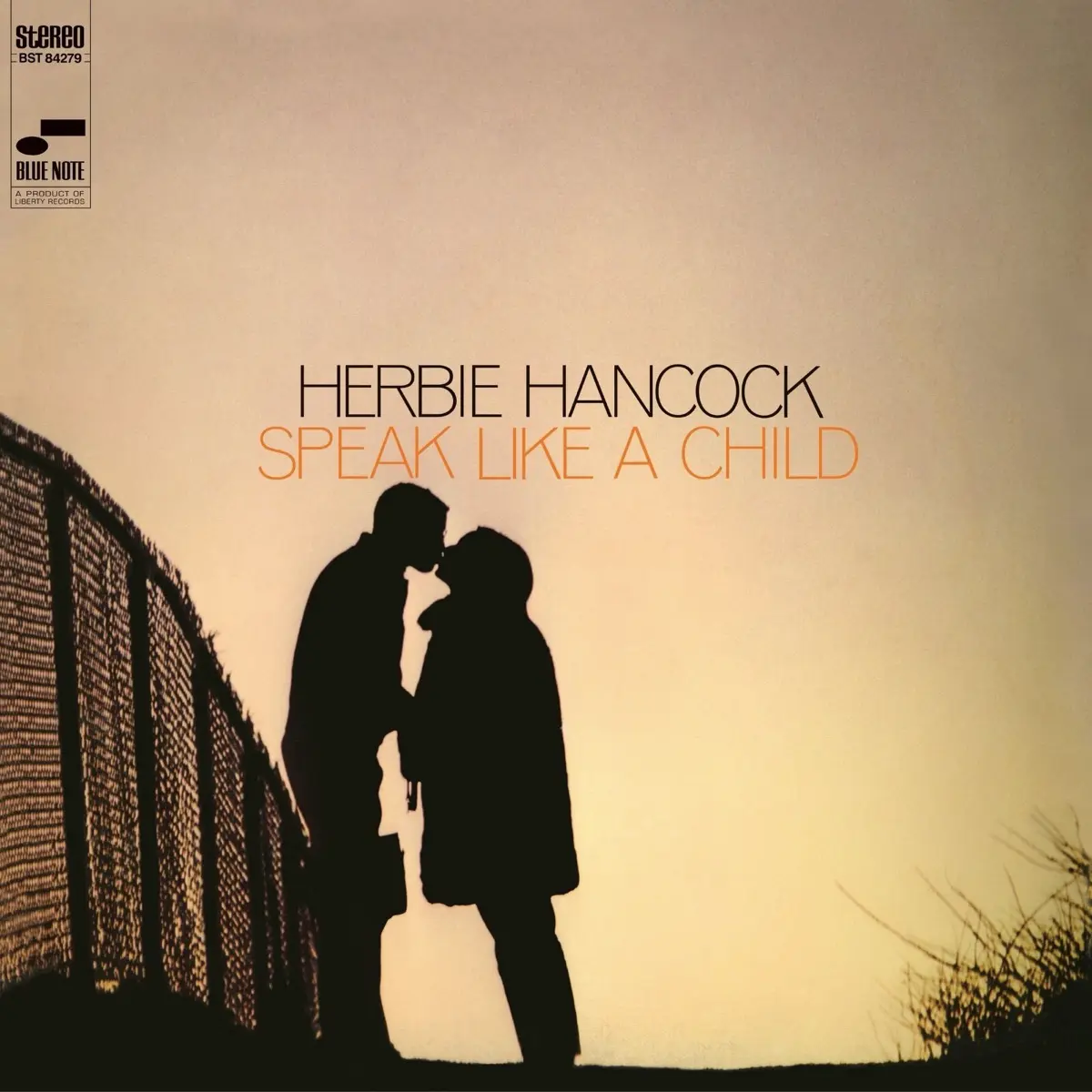
The recording of Speak Like a Child in March 1968 marked a pivotal moment in the career of Herbie Hancock, serving as a sophisticated bridge between his early hard-bop roots and the experimental fusion that would define his work in the 1970s. Originally released on Blue Note Records (BST 84279), the album represents a deliberate departure from the aggressive, avant-garde textures common in the late 1960s, opting instead for a tonal palette defined by "pastel" colors and melodic restraint. While the album features a sextet, its architectural core remains a piano trio, with the horn section providing atmospheric reinforcement rather than traditional lead solos. This unique arrangement allowed Hancock to explore a specific aesthetic of "peace and liberation," a theme that has remained a focal point for jazz historians and critics for over five decades.
The Genesis of Speak Like a Child
By 1968, Herbie Hancock was already established as a formidable force in jazz, largely through his membership in the Miles Davis Second Great Quintet. However, his solo output for Blue Note allowed him to explore compositional ideas that differed from the high-energy spontaneity of the Davis group. Speak Like a Child was conceived during a period of intense personal and musical reflection. Hancock sought to capture a sense of childhood innocence—not as a form of regression, but as a sophisticated musical philosophy.
The sessions took place at the legendary Van Gelder Studio in Englewood Cliffs, New Jersey, on March 6 and 9, 1968. Hancock assembled a rhythm section consisting of bassist Ron Carter, his colleague from the Davis quintet, and drummer Mickey Roker. To achieve the specific "middle-register" warmth he envisioned, he added Thad Jones on flugelhorn, Peter Phillips on bass trombone, and Jerry Dodgion on alto flute. This specific instrumentation was unconventional for the time, eschewing the bright, piercing sounds of trumpets and saxophones in favor of a deeper, more resonant texture.
Historical Context: The 1968 Landscape
The release of Speak Like a Child occurred against a backdrop of significant social and musical upheaval. In 1968, the United States was grappling with the Civil Rights Movement, the Vietnam War, and the assassination of Martin Luther King Jr. In the jazz world, the "New Thing" or free jazz was pushing boundaries of dissonance, while the seeds of jazz-fusion were beginning to sprout.
Hancock’s decision to release an album characterized by "naivety" and "peace" was, in many ways, a counter-cultural statement. While tracks like "Riot" (originally written for the Miles Davis album Nefertiti) hinted at the turbulence of the era, the overall mood of the album was one of introspective calm. This juxtaposition reflected Hancock’s belief that music could serve as a sanctuary. The album followed his previous successes, such as Maiden Voyage (1965), but moved away from the maritime themes toward a more psychological and emotional exploration of human development.
Compositional Analysis and Orchestral Philosophy
The primary innovation of Speak Like a Child lies in its orchestration. Hancock was heavily influenced by the arranging styles of Gil Evans and Duke Pearson. Pearson, who was the A&R director at Blue Note at the time, actually produced the album and encouraged Hancock’s interest in softer, more complex voicings.
The horns on the album do not solo. Instead, they function as an extension of the piano’s harmonic resonance. By using flugelhorn, bass trombone, and alto flute, Hancock created a "choir" that could provide a lush, velvet-like backdrop for his piano improvisations. This approach is most evident in the title track, "Speak Like a Child," where the horns provide a gentle bossa-inflected pulse that allows the piano to float over the rhythm.
In "Riot," the sextet demonstrates a "reckless swing," as noted by critics in the mid-1980s. Here, the horns are used to punctuate the aggressive, jagged themes, yet the focus remains on Hancock’s "light-fingered" and "polished" piano work. The track "Toys" serves as a masterclass in the reconciliation of exploration and restraint. The loping mid-tempo groove provided by Ron Carter allows Hancock to investigate complex harmonic substitutions without losing the listener in abstraction.
Technical Data and Discography
The album’s structure is divided into six distinct compositions, each contributing to the overarching narrative of childhood and growth. The original 1968 release (Blue Note BST 84279) featured the following tracklist and durations:
- Riot (4:40) – A high-energy, complex piece showcasing Hancock’s ability to navigate dense harmonic structures.
- Speak Like a Child (7:50) – The centerpiece of the album, characterized by its melodic simplicity and sophisticated backing.
- First Trip (6:01) – Composed by Ron Carter, this track highlights the synergy between the trio members.
- Toys (5:52) – A study in mid-tempo swing and "easy fluency" from the bass.
- Goodbye to Childhood (7:06) – A melancholic, reflective piece that utilizes the full depth of the bass trombone and alto flute.
- The Sorcerer (5:36) – Another piece written for Miles Davis, reimagined here with a more orchestral focus.
The recording was engineered by Rudy Van Gelder, whose signature "warm" sound captured the nuances of the woodwinds and the percussive clarity of Hancock’s piano. The total running time of the original LP was approximately 37 minutes, a standard length for the era that ensured maximum fidelity on vinyl pressings.
Personnel and Collaborative Dynamics
The success of Speak Like a Child is deeply rooted in the caliber of its personnel. Ron Carter’s contribution cannot be overstated; his "easy fluency" on the acoustic bass provided the melodic counterpoint necessary for Hancock to take risks in his soloing. Carter’s ability to maintain a rock-solid temporal foundation while simultaneously playing melodic fills was a hallmark of the Davis quintet, and it is utilized to great effect here.
Mickey Roker, often recognized for his work with Dizzy Gillespie and Lee Morgan, provided a different feel than the more avant-garde Tony Williams (who played on Maiden Voyage). Roker’s drumming on this album is characterized by its tastefulness and "swinging" sensibility. His playing on "First Trip" and "Toys" demonstrates a commitment to the groove that aligns with Hancock’s desire for the album to be his "most swinging" to date.
The horn section—Thad Jones, Peter Phillips, and Jerry Dodgion—were all seasoned professionals capable of the precise intonation required for Hancock’s close-interval voicings. Thad Jones, a master of the flugelhorn, brought a lyrical quality that perfectly complemented the "diffident" and "intelligent" nature of Hancock’s playing.
Critical Reception and the 1986 Retrospective
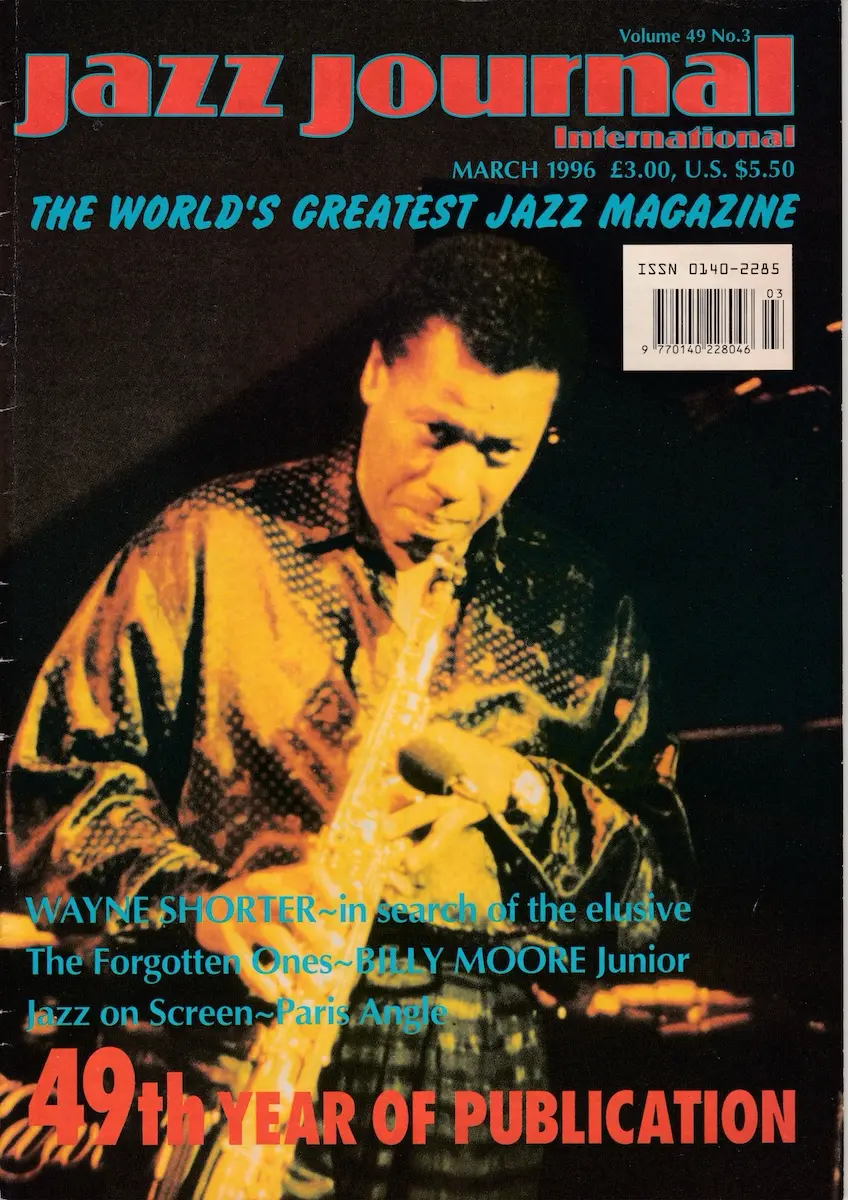
Upon its initial release in 1968, Speak Like a Child was praised for its beauty and harmonic sophistication, though some critics at the time were surprised by its lack of aggressive horn solos. By the time Mark Gilbert reviewed the album for Jazz Journal in March 1986, it had solidified its status as a classic. Gilbert noted that the album "measured up well to its title," capturing an atmosphere of "peace and liberation."
The 1986 retrospective highlighted Hancock’s "intelligence and reflection," qualities that distinguished him from "barrelhouse" pianists. Critics noted that while Hancock’s playing was "light-fingered," it was never superficial. Instead, his quick phrases were seen as being informed by a deep musical logic. The observation that the listener "never feels pressurized" speaks to the album’s enduring appeal; it invites the listener into a complex musical world without the jarring confrontation found in other late-60s jazz releases.
Broader Impact and Implications for the Jazz Canon
Speak Like a Child had a profound impact on the development of "post-bop." It proved that jazz could be harmonically advanced and experimental without sacrificing melody or beauty. The album’s influence can be heard in the work of subsequent generations of jazz pianists and arrangers, from Maria Schneider to Robert Glasper, who have cited Hancock’s orchestral approach to the piano as a primary inspiration.
Furthermore, the album marked the end of an era for Hancock. Shortly after its release, he would leave Miles Davis and begin experimenting with electric instruments, leading to the formation of the Mwandishi band and later the Headhunters. Speak Like a Child stands as the pinnacle of his acoustic period, a final, refined statement on what could be achieved with traditional instruments and a visionary approach to arrangement.
In the broader context of the Blue Note catalog, Speak Like a Child remains a definitive example of the label’s commitment to artistic growth. It represents a moment where the artist was given the freedom to pursue a specific, non-commercial vision—one that prioritized atmosphere and "hidden riches" over radio-friendly singles. Today, the album is frequently cited in lists of the greatest jazz recordings of all time, valued for its timeless quality and its successful attempt to capture the ephemeral nature of "childhood" through the lens of sophisticated adult artistry.
The enduring legacy of the album is also found in its "diffident" nature. In an era of loud, demanding music, Speak Like a Child remains a record that rewards "those who pay attention." It is a testament to the idea that silence, space, and restraint are just as powerful as volume and speed. As Hancock himself noted on the original sleeve, the album was a personal milestone in his search for "swing," a search that resulted in a masterpiece of balance and poise.