Johan Budi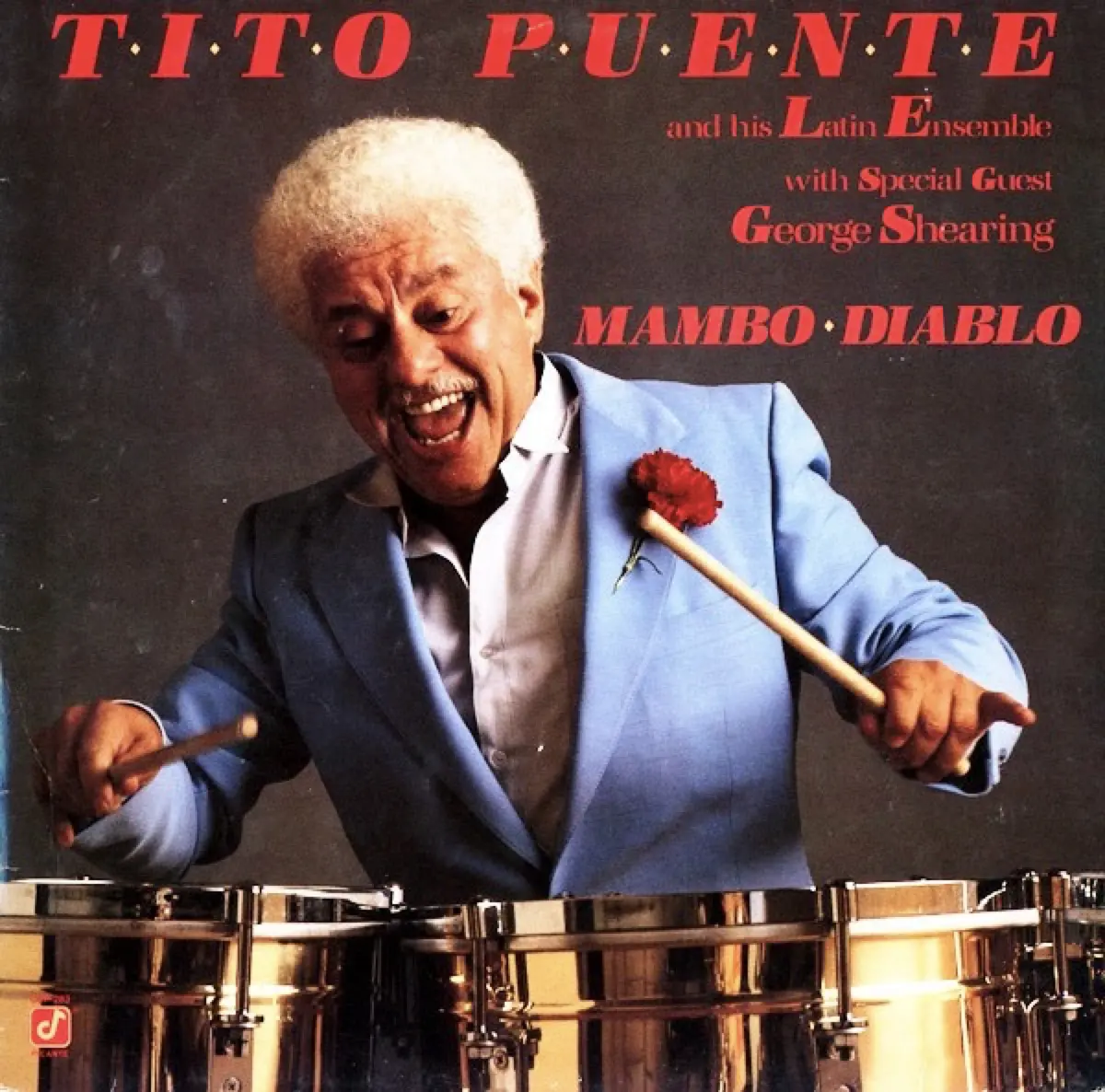
The recording of Mambo Diablo in May 1985 at a studio in San Francisco marked a pivotal moment in the discography of Ernest Anthony Puente Jr., known globally as Tito Puente, signaling a sophisticated fusion of Afro-Cuban rhythms with American jazz standards that would eventually redefine the Latin jazz landscape of the 1980s. Released under the Concord Jazz Picante label (CJP-283), the album arrived during a period of significant transition for the "King of Latin Music," as he sought to bridge the gap between the high-energy dance halls of the Palladium era and the refined, listening-focused environment of international jazz festivals. The project, which featured Puente’s Latin Ensemble at the height of its technical prowess, remains a subject of intense study for musicologists and jazz critics, particularly for its daring reinterpretations of canonical works by Dave Brubeck, Billy Strayhorn, and George Shearing.
Historical Context and the Shift to Concord Jazz
By the mid-1980s, Tito Puente had already established himself as a titan of percussion, but his career was undergoing a strategic pivot. After decades of leading large orchestras and navigating the salsa explosion of the 1970s with Fania Records, Puente began to focus more intensely on his "Latin Ensemble." This smaller, more agile group allowed for greater improvisational freedom and a clearer showcase for Puente’s skills on the vibraphone—an instrument he had studied at Juilliard but which often took a backseat to his legendary timbales work in larger settings.
The partnership with Concord Jazz, specifically its "Picante" imprint, was instrumental in this shift. Founded by Carl Jefferson, Concord Jazz was a bastion of mainstream and "cool" jazz. The creation of the Picante sub-label provided a prestigious platform for Latin artists to be marketed alongside jazz greats like Mel Tormé and Rosemary Clooney. Mambo Diablo was not merely another dance record; it was a deliberate statement of jazz intent, designed to be analyzed by critics and appreciated by aficionados of complex arrangement and harmonic depth.
Chronology of the 1985 San Francisco Sessions
The production of Mambo Diablo was a concentrated effort that took place in May 1985. The timing was crucial, as Puente was preparing for a series of international tours that would take the Latin Ensemble across Europe and Japan. The ensemble brought together a "who’s who" of Latin jazz virtuosos, including pianist Sonny Bravo, saxophonist Mario Rivera, and the rhythmic backbone of Bobby Rodriguez on bass and Jose Madera on congas.
The recording sessions were characterized by a high degree of spontaneity balanced with rigorous structural discipline. Unlike the sprawling jam sessions (descargas) of the previous decades, the tracks on Mambo Diablo were tightly clocked, with most falling between four and six minutes. This brevity reflected a radio-friendly sensibility without sacrificing the "swinging" essence that Puente demanded. Following the San Francisco sessions, the album was mixed and mastered for a 1985 release, quickly gaining traction in both Latin and mainstream jazz circles.
Technical Analysis of Key Tracks and Reimagined Standards
The centerpiece of the album’s critical legacy is its treatment of established jazz standards. Perhaps the most analyzed track is the ensemble’s rendition of Paul Desmond’s "Take Five." Originally written in 5/4 time for the Dave Brubeck Quartet, "Take Five" is one of the most recognizable melodies in jazz history. Puente’s arrangement performs a rhythmic "alchemy," shifting the composition into a high-octane mambo. By increasing the tempo and doubling the piano lead to create an echo effect—playfully referred to by some critics as "Take Ten"—the ensemble successfully translated a "cool jazz" staple into a vibrant Afro-Caribbean context.
Similarly, the album tackled Billy Strayhorn’s "Lush Life," a composition known for its melancholic complexity and difficult harmonic shifts. Puente’s version opens as a moody bolero, staying true to the song’s introspective roots, before blossoming into a rhythmic cha-cha. This transition is anchored by a swinging saxophone solo from Mario Rivera, demonstrating how Latin rhythms can provide a new structural framework for jazz ballads without stripping them of their emotional weight.
The title track, "Mambo Diablo," serves as the album’s energetic manifesto. From its opening vibraphone riff and sharp percussive start, the track exemplifies the "rhythmic panache" that defined Puente’s mid-80s sound. Critics at the time noted that the track’s sheer "toe-curling" energy occasionally overshadowed the more subtle arrangements on the B-side, yet it remains a definitive example of the mambo’s evolution in a small-group setting.
Collaboration with George Shearing
A significant highlight of the Mambo Diablo sessions was the guest appearance of legendary British-American jazz pianist George Shearing. Shearing contributed his talents to "Lullaby of Birdland," a song he composed in 1952. The collaboration was a full-circle moment for both artists, as Shearing had long been an admirer of Latin rhythms, famously incorporating them into his own quintet’s sound in the 1950s.
In this 1985 recording, "Lullaby of Birdland" is transformed from a standard "smooch" or mid-tempo swing into an uptempo mambo. The interplay between Shearing’s sophisticated piano voicings and Puente’s aggressive drumming provided a masterclass in cross-cultural musical dialogue. This track, in particular, solidified the album’s standing with jazz traditionalists who might have otherwise viewed Latin jazz as a peripheral sub-genre.
Musical Personnel and Ensemble Dynamics
The success of Mambo Diablo was largely dependent on the specific chemistry of the Latin Ensemble. The lineup for the session included:
- Tito Puente: Vibraphone, percussion, and timbales.
- Sonny Bravo: Piano (a stalwart of the New York scene known for his precise montunos).
- Jimmy Frisaura: Trombone, trumpet, and flugelhorn (providing the essential brass "punch").
- Jose Madera: Congas and percussion (a long-time Puente collaborator and arranger).
- Mario Rivera: Tenor and soprano saxophone, flute (known as "El Comandante" for his versatile multi-instrumentalism).
- Bobby Rodriguez: Bass (the rhythmic anchor of the group).
- Johnny "Dandy" Rodriguez: Bongos and percussion.
This unit functioned with a level of telepathic communication. The arrangements often veered toward the predictable in slower numbers—occasionally leaning into a "schmaltzy" aesthetic—but the ensemble’s collective "rhythmic panache" consistently rescued the material from becoming overly commercial.
Industry Response and the 1986 Grammy Win
The industry’s reaction to Mambo Diablo was immediate and overwhelmingly positive. At the 28th Annual Grammy Awards, held in early 1986, the album won the award for Best Tropical Latin Performance. This was a significant achievement, as it marked Puente’s third Grammy win and reaffirmed his status as the premier ambassador of Latin music in the United States.
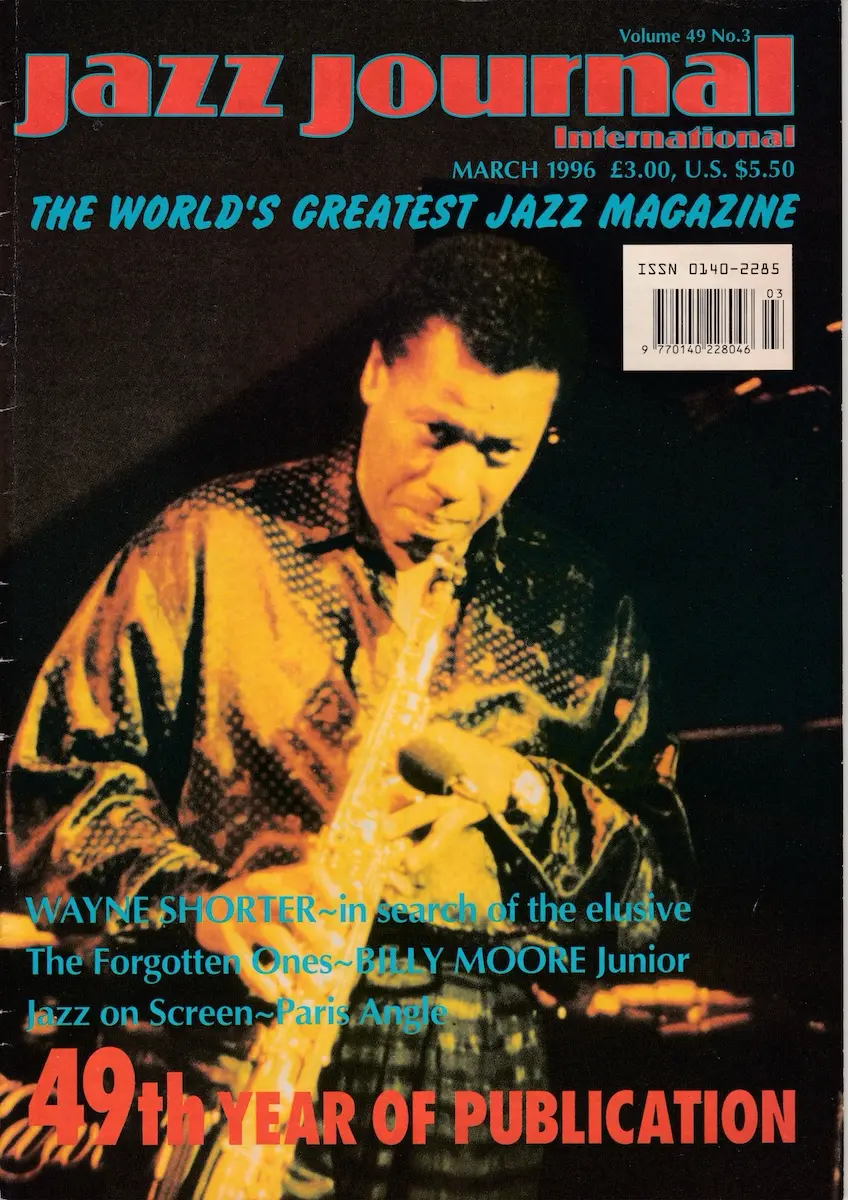
Critics, such as Simon Adams writing for Jazz Journal in March 1986, praised the album for its ability to make difficult jazz tunes "listenable" and "pleasant" for a wider audience. While some purists questioned the "sweetness" of the vibraphone arrangements, the consensus was that Puente had successfully proved that "the devil has all the best tunes and the best musicians to play them." The album’s commercial success helped propel Concord Jazz Picante into a dominant position in the market, leading to subsequent successful releases like Sensacion and Un Poco Loco.
Broader Impact and Implications for Latin Jazz
The legacy of Mambo Diablo extends far beyond its 1985 recording date. It served as a blueprint for the "Latin Jazz" format that would dominate the 1990s and 2000s: a mix of original mambos and "Latinized" American standards played by a small, highly disciplined ensemble.
- Educational Impact: The arrangements on Mambo Diablo, particularly "Take Five," became standard repertoire for university jazz programs and Latin jazz workshops, teaching students how to navigate complex time signatures within a clave-based framework.
- Cultural Validation: By recording for Concord Jazz and winning a Grammy in a "Tropical" category while playing sophisticated jazz, Puente helped blur the lines between "ethnic" music and "fine art" music.
- The Vibraphone Resurgence: The album highlighted the vibraphone as a lead voice in Latin music, influencing a new generation of mallet players to explore the intersection of mallet percussion and Afro-Cuban rhythms.
Ultimately, Mambo Diablo stands as a testament to Tito Puente’s enduring relevance. At a time when many of his contemporaries were struggling to find their place in a changing musical landscape, Puente utilized the 1985 San Francisco sessions to prove that his music was not a relic of the past, but a living, breathing, and evolving force. The album remains a cornerstone of the Concord Jazz catalog and a definitive entry in the canon of 20th-century American music.