Aveline Kirana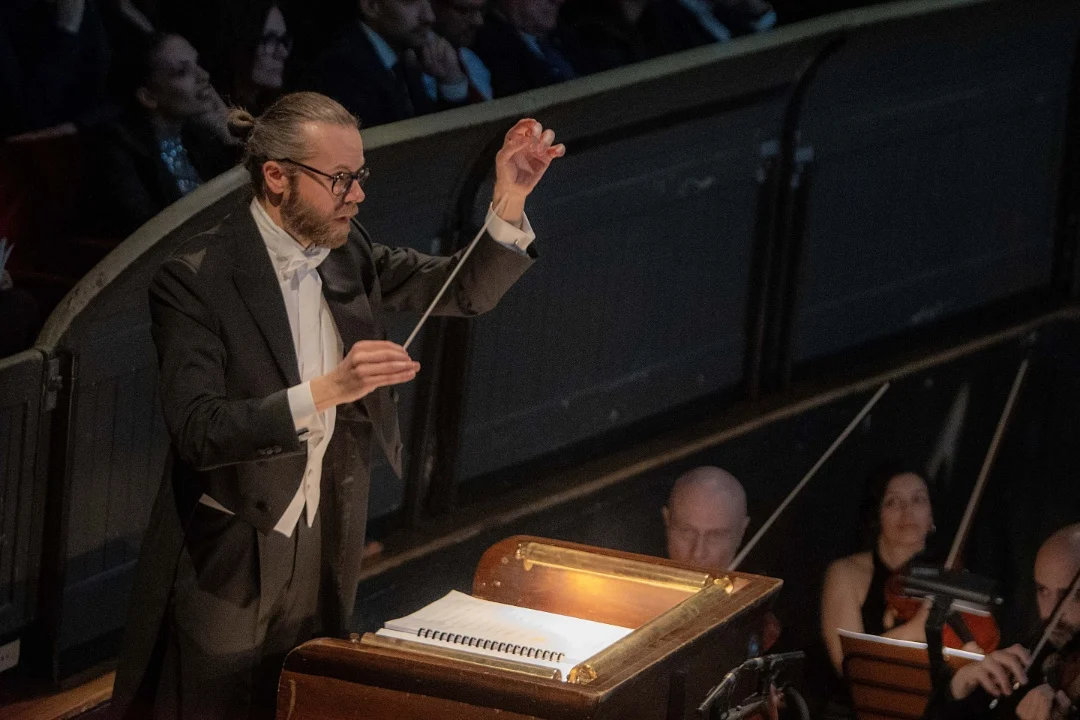
The world premiere of "Cronaca di un amore: Callas e Pasolini," a significant new operatic work commissioned by the Teatro Municipale di Piacenza and co-produced with the Teatro Comunale di Bologna and the Fondazione Haydn di Bolzano e Trento, has cast a compelling new light on the enigmatic intersection of two monumental cultural figures: opera icon Maria Callas and visionary filmmaker Pier Paolo Pasolini. Unveiled on the final weekend of March, this production ventures beyond a conventional biographical narrative to explore a specific, yet profoundly influential, chapter in the soprano’s life – her encounter with Pasolini during the 1969 filming of his seminal work, "Medea."
A Unique Operatic Exploration of an Unlikely Connection
"Cronaca di un amore: Callas e Pasolini" is not presented as a straightforward biographical opera. Instead, composer Davide Tramontano, working with librettist Alberto Mattioli, has crafted a dramaturgy that deliberately eschews chronological progression. The focus shifts to the intense emotional and intellectual currents that defined the relationship between Callas and Pasolini, a connection characterized by its improbability and its profound stimulation. As the title suggests, the opera functions as a "chronicle" – a reconstruction of a specific period pieced together from historical sources, contemporary press clippings, and firsthand accounts from individuals who orbited the artists’ lives. The subtitle, "of a love," further emphasizes the inherently precarious and ultimately unattainable nature of their bond.
Tramontano, a composer at 26, articulated in a recent interview that his artistic impetus stemmed from a desire to unearth an unexplored facet of these legendary figures. He sought to move beyond their established myths and delve into their human dimensions, particularly at a juncture where their personal and artistic paths converged, albeit without ever fully merging. This exploration is musically rendered through a symphonic orchestral structure, where timbres and registers interweave and dissolve, evoking the layered nature of memory and introspection. While not strictly atonal, Tramontano’s musical language eschews easily recognizable melodies, instead favoring a theoretically grounded and powerfully descriptive approach. For Callas, he imbues the music with a lyrical and emotionally resonant quality, while Pasolini is often portrayed through a more declamatory, narrative vocal style that leans towards parlato. The opera aims not to provide definitive answers about their relationship, but rather to illuminate its inherent fissures – the vast gulfs between their social and political spheres, and their emotional landscapes, which, despite a palpable mutual attraction, remained ultimately irreconcilable. The resulting theatrical construct fluidly navigates the historical and the imagined, drawing upon documented events like memories from the "Medea" set and their epistolary exchanges, all framed within an open-ended structure that offers no definitive conclusion regarding the possibility, or impossibility, of their love.
World Premiere Production: A Vision of Dreamlike Immersion
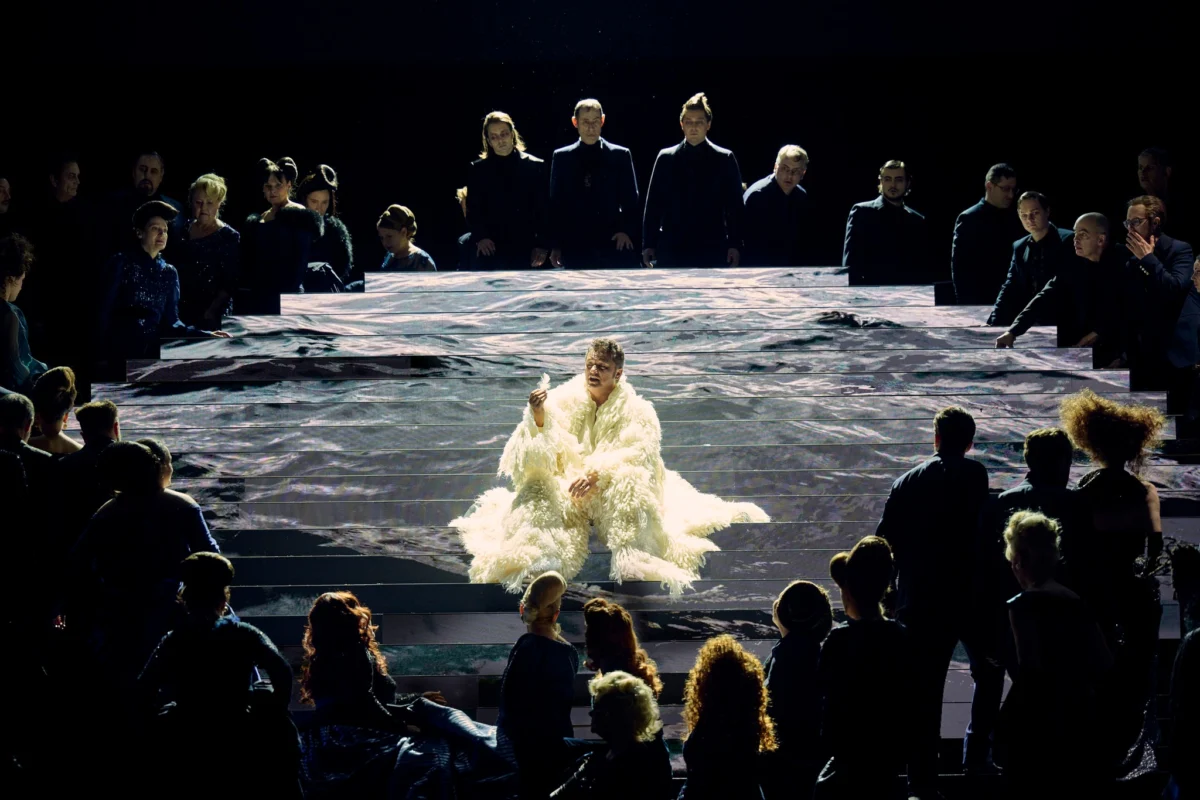
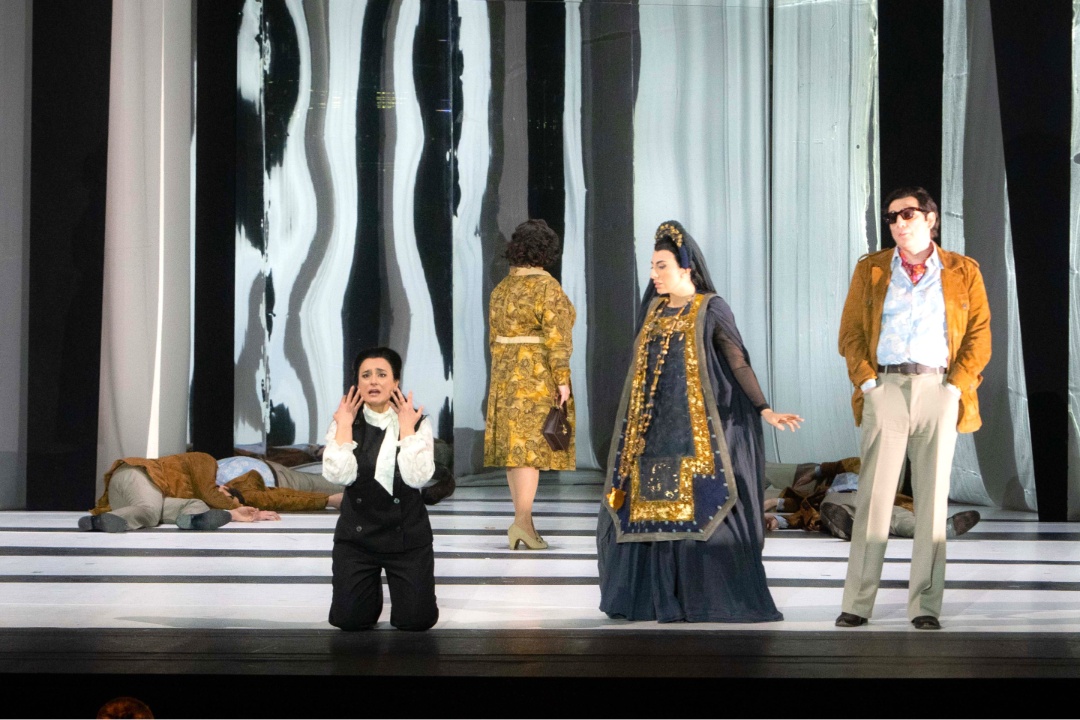
The staging, a collaborative effort between Davide Livermore and Mercedes Martini, is marked by its rich dramatic content, though visually more restrained than Livermore’s typically elaborate productions. This deliberate sobriety is not a weakness but a coherent artistic choice, prioritizing introspection over ostentatious spectacle. The directorial team defines their approach as a "dreamlike immersion," a space where the abstract and the recognizable coexist, and where characters simultaneously inhabit multiple dimensions. This allows for a nuanced portrayal of Callas as both the iconic "diva" and the vulnerable "woman," and Pasolini as the intellectual figure and the poet driven by a desperate yearning for connection. A particularly striking directorial innovation involves the use of supernumeraries who embody the protagonists’ alter egos. These silent, identically dressed figures move across the stage, suggesting the fragmented nature of identity and the unfolding of internal conflicts on parallel planes.
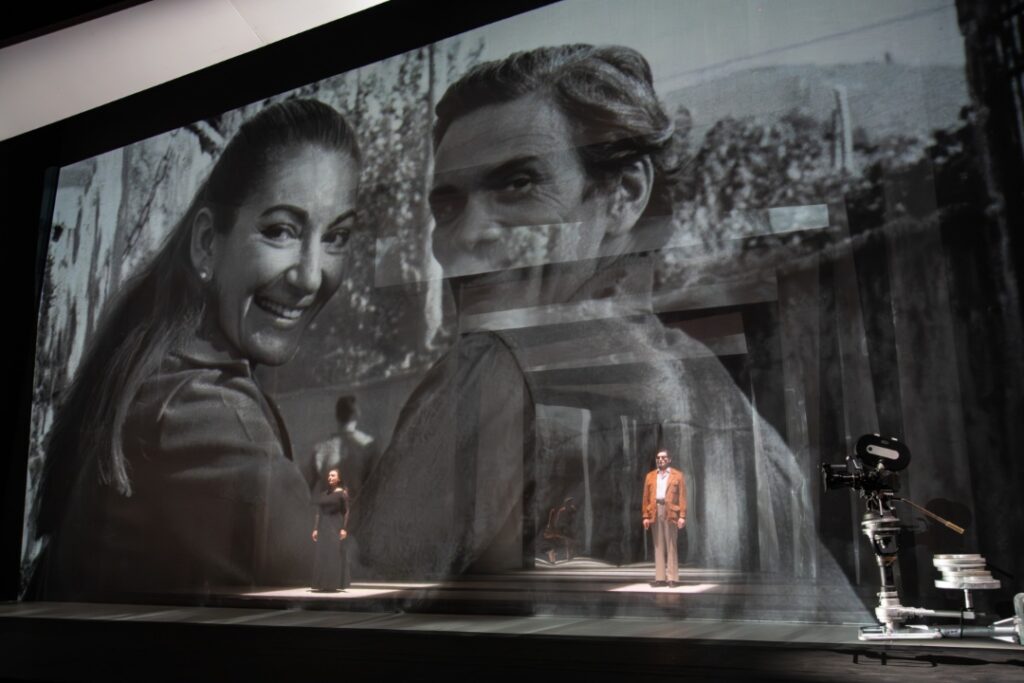
Eleonora Peronetti’s set design further reinforces this conceptual framework. The abstract space, with its shifting surfaces and structures, creates a pervasive sense of instability, mirroring the protagonists’ inner turmoil. The audiovisual material, curated by D-Wok, is exceptionally effective. Rather than relying on the usual spectacle, the projected images, composed entirely of real historical photographs, function as fragments of a story that is never fully reassembled. The iconic photograph of Callas and Pasolini kissing in Rome is not presented as a static image but as a catalyst, a point of departure that expands the operatic exploration of their myth. Photographs from the filming of "Medea" provide crucial contextual anchors, notably in the opening scene, which revisits the well-documented episode of Callas fainting during the shoot. The opera culminates in a poignant final scene where both characters are depicted composing a smiling image as the stage lights gradually fade, leaving the audience to ponder the enduring power of their connection. Anna Verde’s costume designs and Aldo Mantovani’s lighting design contribute to a remarkably coherent scenic environment, characterized by its sobriety, avoidance of caricature, and unwavering support for the emotional arc of the characters.
Illuminating Musicality and Stellar Vocal Performances
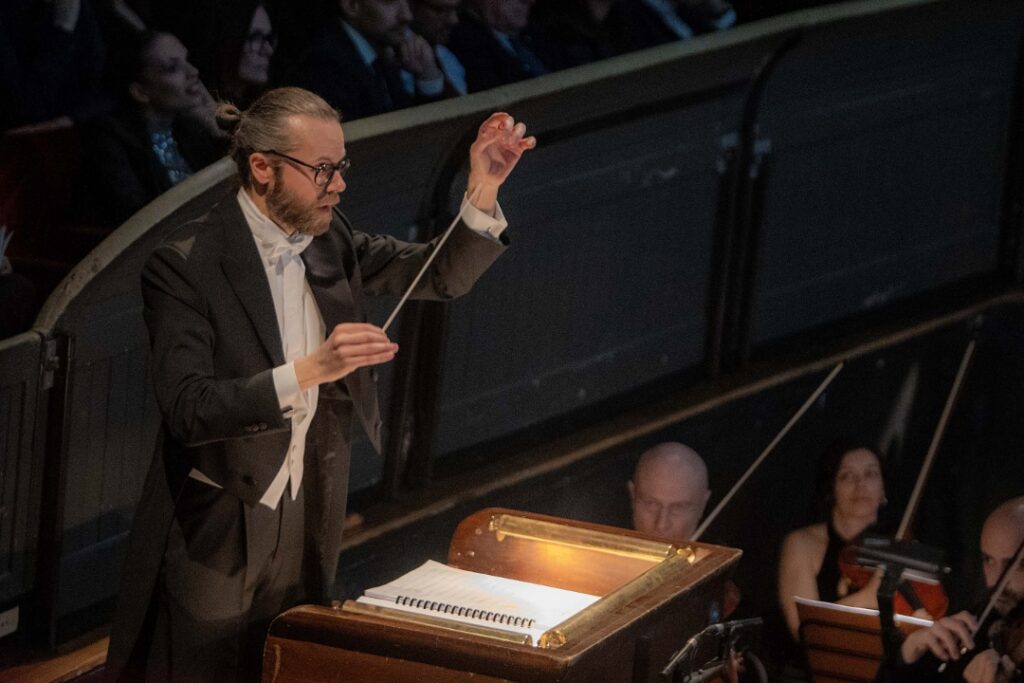
From a musical standpoint, the opera consistently evokes a sense of tension, a sentiment echoed by the composer himself. The musical direction of Enrico Lombardi proved instrumental in maintaining the production’s overall balance. Lombardi demonstrated a profound grasp of Tramontano’s complex musical language, effectively highlighting the composer’s considerable artistic maturity. His refined and meticulous interpretation articulated the intricate orchestral textures with clarity, while consistently sustaining dramatic momentum. The Orchestra Filarmonica Italiana, under his baton, responded with impressive cohesion, precision, and sonic quality, contributing to a continuous and organic musical flow.
At the heart of the performance is Carmela Remigio’s portrayal of Maria Callas. Remigio consciously eschewed any form of vocal or dramatic caricature, instead opting for a deeply human interpretation marked by fragility and profound despair. She did not attempt to replicate Callas’s distinctive timbre but rather sought to convey the soprano’s inner emotional landscape. Her meticulous attention to phrasing and textual delivery, coupled with notable vocal power, resulted in a complex and moving portrait where the formidable diva ultimately yields to the woman.
Baritone Bruno Taddia delivered a compelling performance as Pier Paolo Pasolini, imbuing the character with significant physical presence and interpretative depth. Taddia skillfully integrated Pasolini’s multifaceted personality without fragmentation, allowing the different aspects of his character to flow naturally into one another. His duets were particularly effective; with his lover, Ninetto Davoli, the vocal line became more incisive, while with Callas, a more exposed and vulnerable Pasolini emerged, revealing his internal contradictions.
Tenor Didier Pieri convincingly embodied Ninetto Davoli, referred to in the opera as "Il ragazzo" (the boy/the lover). Pieri endowed the character with a clear stage presence and a solid vocal profile. His clean vocal emission, consistent phrasing, and particularly vivid diction in the Roman dialect were essential in defining a character who serves as a crucial dramatic counterpoint, embodying Pasolini’s most immediate emotional conflicts.
Soprano Caterina Meldolesi brought solidity and musicality to the role of "La Madre," Pasolini’s mother. Although her role is limited in scope, the character carries significant symbolic weight within the dramatic structure. Meldolesi’s careful vocal emission, precise phrasing, and clarity of diction, combined with an effective stage presence, made her contribution memorable.
Implications and Enduring Legacy
"Cronaca di un amore: Callas e Pasolini" ultimately offers no easy answers; instead, it poses profound questions about the nature of human connection, artistic legacy, and the enduring power of unfulfilled love. While Maria Callas and Pier Paolo Pasolini maintained contact throughout their lives without ever formalizing their relationship, the opera powerfully suggests that both were, in their own ways, condemned to solitude. Their deaths occurred within a relatively short period of each other, and the work seems to underscore a final, poignant realization: the impossibility of their love, which, paradoxically, is precisely what imbues it with its greatest expressive strength.
The opera’s success lies in its ability to transcend biographical retelling and delve into the psychological and emotional complexities of its subjects. By focusing on a specific, charged period of their lives, Tramontano and Mattioli have created a work that resonates with universal themes of longing, artistic struggle, and the inherent isolation that can accompany extraordinary lives. The production’s thoughtful staging and musical execution have been met with critical acclaim, solidifying its place as a significant addition to the contemporary operatic repertoire and a powerful meditation on the enduring allure of two of the 20th century’s most iconic cultural figures. The collaborative spirit between the Teatro Municipale di Piacenza, Teatro Comunale di Bologna, and Fondazione Haydn di Bolzano e Trento underscores a commitment to fostering new operatic voices and exploring compelling, often overlooked, narratives within the genre. The opera’s premiere serves as a reminder of opera’s capacity to engage with complex historical and personal narratives, offering audiences a rich tapestry of music, drama, and profound human insight.