Reynand Wu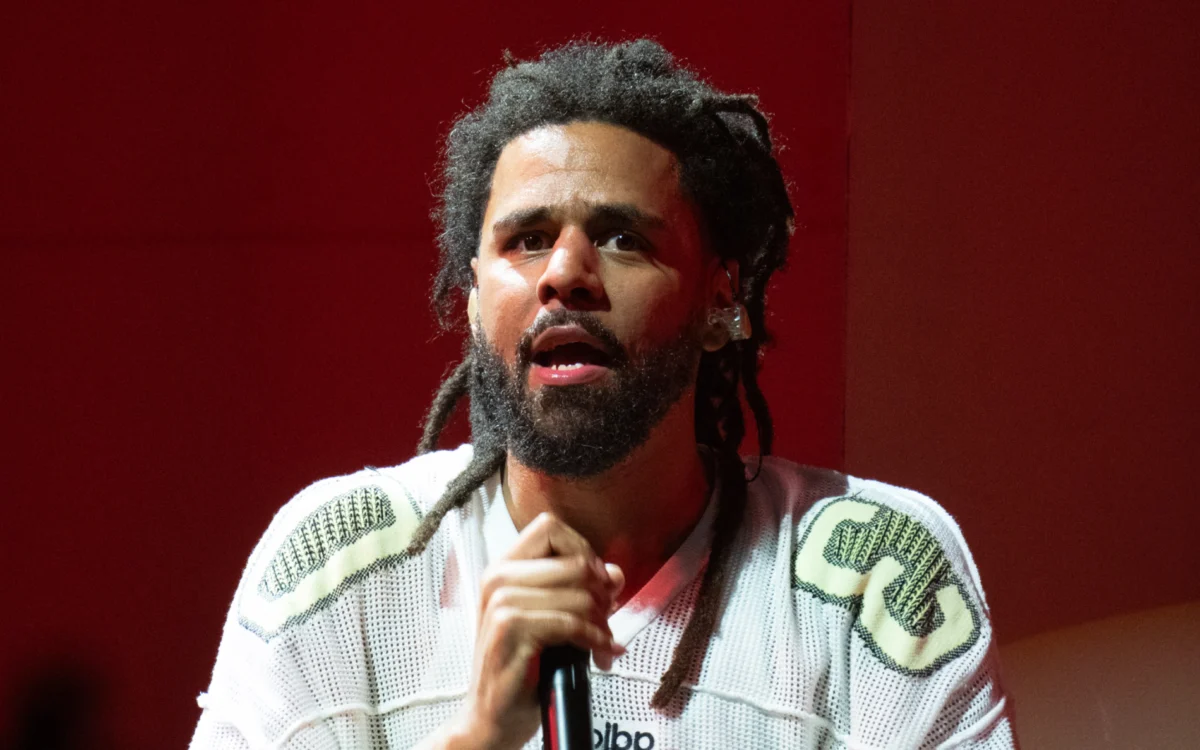
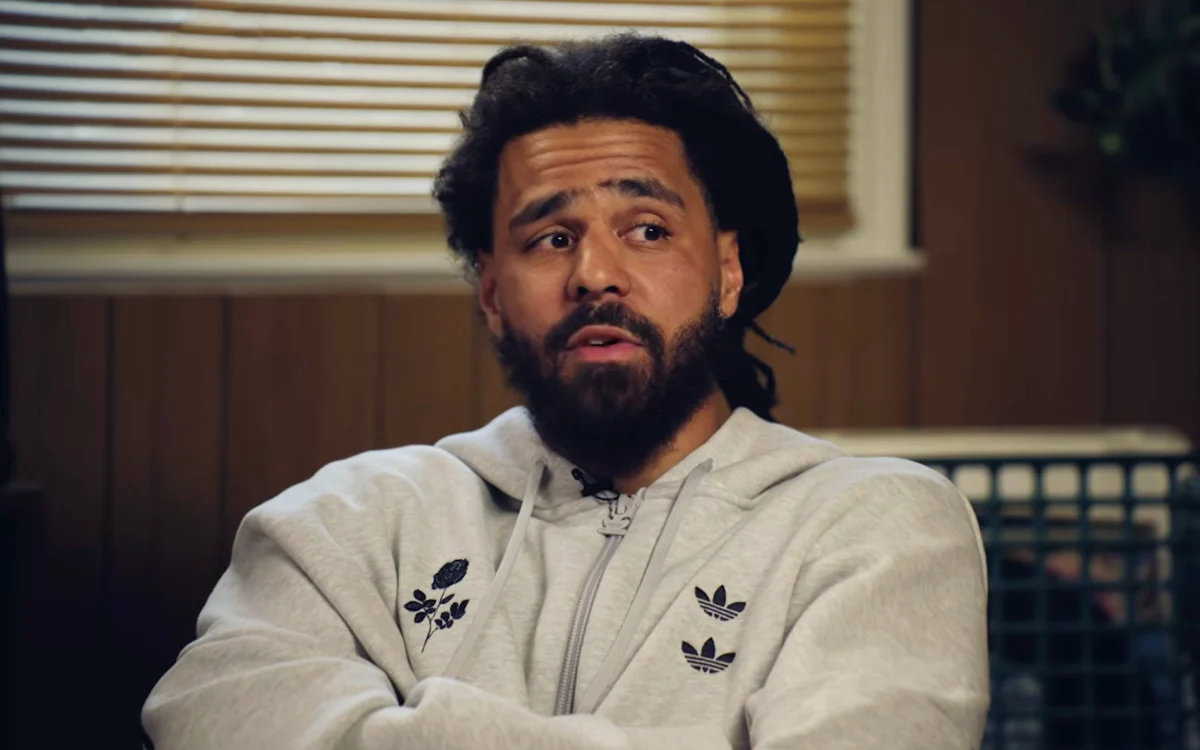
In a revelation that has sent ripples through the hip-hop community, Grammy-winning artist J. Cole has publicly named Wu-Tang Clan affiliate Killah Priest as the one rapper he is currently listening to outside of his own work. The unexpected endorsement, made during an interview with the YouTube channel Lost In Vegas as part of his promotional tour for the highly anticipated album The Fall-Off, highlights a significant moment where a mainstream titan shines a spotlight on an revered, yet often overlooked, underground legend. This co-sign not only re-energizes interest in Killah Priest’s profound discography but also underscores a growing appreciation for lyrical depth and narrative complexity within contemporary hip-hop discourse.
The Revelation: A "Left-Field" Choice Ignites Discussion
J. Cole, known for his meticulous lyrical craftsmanship and introspective narratives, was prompted by the Lost In Vegas interviewers to name MCs he’s currently engaging with, specifically excluding the genre’s customary "Mount Rushmore" figures such such as JAY-Z, Nas, 2Pac, and The Notorious B.I.G. His response was immediate and striking: "The first answer that comes to my mind is somebody that I’ve been playing the last month — this one song in particular. And it made me dive back into some of the shit he’s been releasing over the years. It’s gonna be hella left-field… but Killah Priest."
Cole’s admission that his selection would be "left-field" speaks volumes about Killah Priest’s standing in the broader music landscape. While revered by hip-hop purists and underground enthusiasts, Priest has never achieved the widespread commercial success or household name recognition of his Wu-Tang brethren or artists like Cole himself. This choice immediately signaled a departure from conventional answers, drawing attention to Cole’s genuine and unvarnished appreciation for artistry over popularity.
The Genesis of a New Fandom: "NASA Case" Unlocks Killah Priest’s Genius
The North Carolina native confessed that his prior familiarity with Killah Priest’s extensive catalog was limited, largely confined to the Brooklyn veteran’s "vicious" solo track, "B.I.B.L.E. (Basic Instructions Before Leaving Earth)," featured on GZA’s seminal 1995 album, Liquid Swords. "B.I.B.L.E." is a masterclass in philosophical rap, known for its intricate spiritual metaphors and dense wordplay, serving as a gateway for many to Priest’s unique style. However, it was during his recent Trunk Sale Tour that Cole stumbled upon a track that would irrevocably alter his perception and cement his newfound admiration: "NASA Case."
Cole recounted the almost accidental discovery of the nine-and-a-half-minute epic. "I played this song and this shit… it’s crazy. I didn’t know what the fuck to expect; I just clicked [on it]. It’s nine and a half minutes," he detailed. The length alone is a testament to the track’s ambitious scope, a rarity in an era often dominated by shorter, more digestible content. Cole further elaborated on the song’s stylistic divergence from his usual preferences: "It’s not a style that’s normally the one I gravitate to. It’s super dense, it’s super — I’m not even going to say poetic. It’s prose. It’s like a book, damn near. And he’s telling this story."
His initial encounter with "NASA Case" was characterized by a captivating struggle. "Bro, I shit you not, I’m listening to it and I’m like, ‘I can’t exactly follow what he’s talking about.’ I’m getting enough, though, to keep me hooked." This candid admission reveals the challenging yet ultimately rewarding nature of Killah Priest’s artistry. His lyrics often weave complex narratives, philosophical inquiries, and esoteric references that demand active listening and intellectual engagement. It’s a stark contrast to much of today’s more immediate, punchline-driven rap, requiring a different kind of mental processing.
The Deep Dive: From Confusion to Awe
The true turning point for Cole came not in a single listen, but through a dedicated, almost academic, study of "NASA Case." He described an immersive process of repeated engagement, a testament to the track’s layers of meaning. "I listened to that song, I shit you not, like nine times in a row because every time I listened to it again, the story got clearer and clearer," he explained. This iterative listening experience transformed his initial bewilderment into profound appreciation.
As the narrative complexities of "NASA Case" gradually unfolded, Cole’s reaction escalated from admiration to outright astonishment. "And I’m like, ‘Oh my God! Is this ngga an alien?!’" he exclaimed. This sentiment further intensified with each subsequent listen. "By the time I’m done with my ninth listen and I see the concept he’s playing with, I’m like, ‘Oh my God, is this ngga from another dimension and he knows some shit we don’t know?!’" Such a hyperbolic reaction from an artist of J. Cole’s caliber speaks volumes about the sheer impact of Killah Priest’s lyrical prowess. It’s a rare moment when a peer is left so utterly dumbfounded by another’s artistic genius.
Cole concluded his praise by emphasizing the track’s enduring appeal: "It’s one of the only songs outside of my album that I’m playing ’cause it’s so enjoyable and I’m so amazed with what this dude did… Shout out to Killah Priest, man." This highlights the singular impression "NASA Case" has left on him, making it a standout in his personal rotation despite his own impending album release.
Killah Priest: A Pillar of Lyrical Depth and Esoteric Wisdom
To fully appreciate the significance of J. Cole’s endorsement, one must understand Killah Priest’s unique position and enduring legacy within hip-hop. Born Walter Reed in Brooklyn, New York, Killah Priest emerged in the early 1990s as a close associate of the Wu-Tang Clan. While not a core member of the iconic Staten Island group, his lyrical contributions and spiritual presence were deeply interwoven with their mythology and sound.
Priest’s distinctive style is characterized by its profound philosophical and spiritual undertones, often delving into themes of religion, history, metaphysics, and social commentary with a dense, poetic lexicon. His verses are less about traditional battle rap bravado and more about constructing elaborate narratives and exploring existential questions. This approach earned him a devoted following among listeners who craved intellectual stimulation and intricate storytelling in their hip-hop.
His solo debut, Heavy Mental, released in 1998, remains a cult classic, celebrated for its ambitious concepts, intricate wordplay, and atmospheric production. Tracks like "One Step" and "The Professional" showcased his ability to craft immersive sonic landscapes with his voice alone. Over the decades, Priest has maintained a prolific output, consistently releasing albums that adhere to his distinct artistic vision, often shunning commercial trends in favor of creative integrity. His career is a testament to artistic perseverance and unwavering dedication to a unique lyrical path, making him a true "rapper’s rapper." His work with the group Sunz of Man further cemented his reputation as a master storyteller and conceptual artist.
Implications: Reshaping the Narrative of Hip-Hop’s Elite
J. Cole’s public embrace of Killah Priest carries several significant implications for both artists and the broader hip-hop landscape:
Mainstream Spotlight for an Underground Icon
The most immediate effect is the potential for Killah Priest to gain a new generation of listeners. A co-sign from an artist of J. Cole’s stature, who commands a massive and dedicated fanbase, can significantly boost an underground artist’s visibility. Many of Cole’s fans, who might be less familiar with hip-hop’s deeper history or its more esoteric corners, are now likely to explore Priest’s discography, particularly "NASA Case." This could translate into increased streaming numbers, renewed interest in his back catalog, and potentially even new collaborations or touring opportunities. It’s a powerful reminder that critical acclaim and artistic impact are not always synonymous with commercial dominance.
Reinforcing Lyrical Prowess as a Benchmark
Cole’s admiration for Priest’s dense, narrative-driven style reinforces the importance of lyrical complexity and storytelling in hip-hop. In an era where mainstream success is often driven by catchy hooks and accessible themes, Cole’s endorsement champions a different kind of artistry – one that rewards patience, deep listening, and intellectual engagement. This could encourage other artists to push their lyrical boundaries and inspire listeners to delve deeper into the craft of rhyming.
Cole’s Authenticity and Artistic Values
This revelation further solidifies J. Cole’s reputation as a genuine connoisseur of hip-hop and an artist driven by passion rather than commercial calculation. By explicitly choosing an artist outside the usual "Mount Rushmore" candidates, he demonstrates a willingness to look beyond the obvious and celebrate talent wherever he finds it. This move resonates with his own artistic trajectory, where he has consistently prioritized lyrical integrity and conceptual depth in his own work, often earning him the moniker of a "purist." His past reverence for wordsmiths like Canibus and Royce Da 5’9" during his formative years as a "lyrics-obsessed teenager" provides a consistent thread to his current appreciation for Killah Priest. It underscores a continuous search for intellectual and artistic stimulation within the genre.
A Broader Dialogue on Hip-Hop’s Legacy
The discussion around Cole’s pick sparks a broader conversation about hip-hop’s rich history, its unsung heroes, and the subjective nature of "greatness." It challenges listeners to expand their horizons beyond the most commercially successful artists and explore the vast and diverse landscape of talent that has shaped the genre over decades. This kind of intergenerational co-sign helps bridge gaps between different eras of hip-hop, fostering a deeper appreciation for the genre’s evolution and its foundational figures.
The "Lost In Vegas" Platform and The Fall-Off Context
The interview itself, conducted on the Lost In Vegas YouTube channel, provides additional context. Known for its detailed and often viral music review videos, Lost In Vegas attracts a viewership that is deeply invested in musical analysis and critical discussion. This makes it an ideal platform for J. Cole to share such a nuanced and personal musical revelation, as his words are likely to resonate with an audience that values musical depth.
J. Cole’s current press run is primarily focused on promoting The Fall-Off, his long-awaited album that is rumored to be his final studio release. The themes explored in The Fall-Off are anticipated to be introspective, reflective, and potentially career-defining. His current immersion in Killah Priest’s work, particularly a dense, nine-and-a-half-minute narrative piece, could offer a subtle hint at the artistic direction or thematic complexity that listeners might expect from Cole’s upcoming project. It suggests an artist who is deeply engaged with storytelling and conceptual depth as he approaches a pivotal moment in his career.
Inferred Reactions and Future Impact
While Killah Priest has not yet issued a public statement regarding J. Cole’s endorsement, the impact on his career is almost certainly positive. Social media chatter has already seen a surge in mentions of Killah Priest, with many fans expressing excitement and validation for the long-deserving artist. This newfound attention could lead to increased collaboration opportunities, a renewed appreciation for his extensive catalog, and potentially even a critical re-evaluation of his overall contribution to hip-hop.
In conclusion, J. Cole’s unexpected and profound admiration for Killah Priest’s "NASA Case" is more than just a personal musical preference; it’s a cultural moment. It highlights the enduring power of lyrical artistry, challenges mainstream perceptions of success, and re-introduces a revered underground figure to a global audience. As hip-hop continues to evolve, such endorsements serve as vital bridges, connecting different eras and artistic philosophies, and ensuring that true lyrical mastery continues to be recognized and celebrated across the genre’s diverse landscape.