Muhammad Ibadurrohman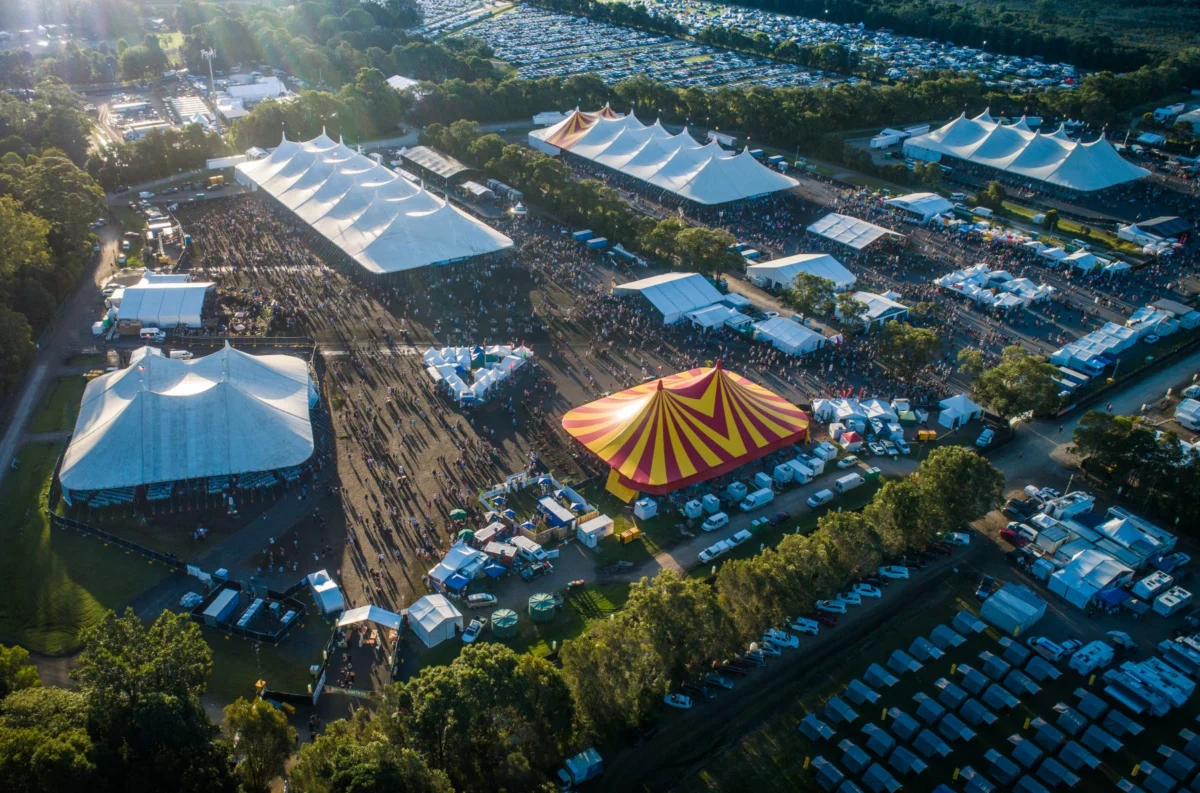
The vibrant pulse of Australia’s Easter long weekend, typically marked by the iconic Bluesfest in Byron Bay, has been abruptly silenced, leaving a gaping void in the nation’s cultural calendar and sending tremors through an already beleaguered live music industry. What was poised to be a jubilant celebration of music, featuring an eclectic lineup led by legendary acts such as Split Enz, Parkway Drive, Sublime, and Earth, Wind & Fire, was instead met with the stark reality of cancellation. The beloved festival, which had been a cornerstone of Australian entertainment for 36 years, was scheduled to commence today, April 2nd, but its gates will remain firmly shut, not due to the whims of Mother Nature, but the devastating blow of financial insolvency.
The news of Bluesfest’s demise arrived abruptly last month, delivered not with the promise of future dates or alternative arrangements, but with the grim announcement of a liquidator’s appointment. Worrells, a prominent insolvency firm, was tasked with managing all financial matters, including vendor and partner obligations, effectively signaling the end of an era. This decision left thousands of eager ticketholders, artists, and numerous small businesses in a precarious position, relegated to the status of unsecured creditors, grappling with the immediate financial fallout and the broader implications for trust within the festival ecosystem.
A Legacy Unravels: The Rise and Fall of an Australian Institution
Bluesfest Byron Bay, officially known as the Byron Bay Bluesfest, was more than just a music festival; it was a cultural institution. Established in 1990, it quickly grew from a niche blues and roots event into one of Australia’s most respected and awarded festivals. Its enduring appeal lay in its ability to consistently attract a diverse array of world-class talent, spanning blues, roots, folk, soul, rock, and contemporary music, all set against the stunning backdrop of the Byron Bay hinterland. Over its 36-year history, it had become synonymous with the Easter long weekend, drawing tens of thousands of visitors annually to the scenic coastal town.
The festival’s success was built on a foundation of carefully curated lineups, a family-friendly atmosphere, and a commitment to providing a unique, immersive experience. It boasted multiple stages, extensive camping facilities, and a vibrant marketplace, transforming the Tyagarah Tea Tree Farm into a temporary city of music lovers. Its reputation as a destination event meant attendees often traveled from across Australia and internationally, planning their holidays around its dates. For many, Bluesfest was an annual pilgrimage, a tradition woven into the fabric of their lives, and its cancellation represents a profound loss beyond mere entertainment.
Economically, Bluesfest was a colossal contributor to the Byron Shire and the broader Northern Rivers region of New South Wales. While specific figures for the cancelled 2024 event are now moot, past estimates suggest the festival injected tens of millions of dollars into the local economy each year. This included significant revenue for accommodation providers (hotels, motels, holiday rentals, campgrounds), hospitality venues (restaurants, cafes, bars), retail businesses, transport services, and numerous local suppliers. The direct employment opportunities for event staff, security, artists, and vendors, coupled with indirect job creation, made it a vital economic engine. The sudden void left by its absence during the peak Easter holiday period is expected to result in a substantial financial hit for many businesses already navigating a challenging economic climate.
A Chronology of Collapse: Warnings and the Final Blow
The signs of distress within the Australian festival landscape have been evident for some time, and Bluesfest was not immune. In June 2023, festival director Peter Noble candidly described the situation as an "extinction event" for many festivals, lamenting the severe pressures facing the industry. This prescient warning foreshadowed the challenges that would ultimately lead to his own festival’s downfall.
The first significant public indicator of Bluesfest’s precarious future emerged when it was announced that the 2025 edition would be its "finale," suggesting a planned, albeit melancholic, conclusion. This initial communication hinted at underlying financial pressures or a strategic decision to wind down operations. However, the situation dramatically escalated when, on March 13th, less than three weeks before the scheduled start date of April 2nd, organisers abruptly announced the immediate cancellation of the 2024 festival. The subsequent appointment of Worrells as liquidator confirmed the severity of the crisis, indicating that the festival could no longer meet its financial obligations. Peter Noble, a prominent and often vocal figure in the Australian music industry, has remained publicly silent since the liquidator’s appointment, underscoring the gravity of the situation.
This abrupt cessation, particularly the timing so close to the event, left no opportunity for alternative arrangements for ticketholders, artists, or vendors. The lack of direct refunds, with ticketholders instead advised to register as unsecured creditors with the liquidator, has ignited widespread anger and frustration. Many patrons had not only purchased tickets, some costing up to $686.40 plus booking fees for a full five-day pass, but had also invested thousands more in flights, accommodation, and other travel arrangements, making the financial loss significantly greater than the ticket price alone.
The Economic Ripple Effect: More Than Just Missed Music
The financial implications of Bluesfest’s cancellation extend far beyond disappointed fans and lost ticket revenue. For the myriad of small businesses in Byron Bay and surrounding areas, the Easter long weekend is a crucial trading period, often equating to weeks or even months of regular income. Accommodation providers, from luxury resorts to humble campgrounds, are now facing mass cancellations. Restaurants, cafes, and local retail stores, which had stocked up on supplies and rostered extra staff in anticipation of the influx of festival-goers, are confronting significant losses. Many local vendors, food stalls, and artisans who relied on the festival for a substantial portion of their annual turnover are now out of pocket, having invested in stock, equipment, and staff without any prospect of recouping their costs.
Artists and their touring crews are also severely impacted. While headliners like Split Enz and Earth, Wind & Fire likely have more robust financial backing, many mid-tier and emerging artists depend heavily on festival appearances for income and exposure. The cancellation means lost performance fees, travel expenses, and the invaluable opportunity to connect with a large audience. Production companies, staging crews, sound and lighting technicians, security personnel, and transport operators, who are integral to the logistical execution of such a large-scale event, also face sudden job losses and forfeited contracts. The ripple effect permeates the entire ecosystem of the live entertainment industry, from the smallest local supplier to international touring acts.
For ticketholders, the situation is particularly galling. As unsecured creditors in a liquidation process, the likelihood of receiving a full refund, or indeed any significant refund, is often low. The complexities of insolvency proceedings mean that secured creditors, such as banks or major suppliers, typically take priority. This leaves thousands of individuals facing substantial financial losses, compounded by the time and effort required to navigate the bureaucratic process of registering their claims. The emotional toll of anticipating a beloved annual event, only to have it snatched away with no recourse for financial recompense, adds to the public’s disillusionment.

Behind the Scenes: Unpacking the "Extinction Event"
The collapse of Bluesfest is not an isolated incident but rather the latest and arguably most high-profile casualty in a troubling trend sweeping across the Australian festival landscape. A growing list of events, including Rolling Loud Australia, Esoteric Festival, Caloundra Music Festival, Splendour in the Grass, Groovin the Moo, and Listen Out, have either been canceled, postponed, or significantly scaled back in recent years. This phenomenon points to systemic issues plaguing the industry, which director Peter Noble aptly termed an "extinction event."
Several critical factors are converging to create this perfect storm:
- Cost-of-Living Crisis: Australians are currently experiencing significant economic pressure, with rising inflation, interest rates, and stagnant wage growth eroding discretionary spending. For many households, expensive festival tickets, combined with travel, accommodation, and on-site expenses, have become an unaffordable luxury.
- Soaring Operational Costs: The cost of staging large-scale events has skyrocketed. This includes everything from artist fees, which have become increasingly competitive globally, to the logistical nightmare of securing and transporting staging, sound, and lighting equipment. Insurance premiums for festivals have become prohibitively expensive, reflecting increased risks and liability. Security costs, driven by stricter regulations and rising labor expenses, also add a significant burden.
- Supply Chain Issues and Staffing Shortages: The lingering effects of the pandemic continue to impact global supply chains, leading to increased costs and delays for essential equipment and materials. Furthermore, the events and hospitality sectors are grappling with persistent staffing shortages, driving up labor costs and making it challenging to secure experienced personnel for crucial roles.
- Changing Consumer Behavior: There’s a noticeable shift towards last-minute ticket purchasing, making it difficult for promoters to gauge demand and manage cash flow effectively. Some analysts also suggest a broader shift in entertainment preferences, with consumers potentially opting for smaller, more intimate events, or investing in other forms of leisure and travel.
- Geopolitical Impacts: Even distant global events, such as the war in Ukraine and tensions in the Middle East, have tangible local effects. Rising global oil prices translate directly into higher fuel costs for transportation, impacting everything from artist tours to the delivery of festival infrastructure.
- Regulatory Hurdles: Increasing bureaucratic complexity and the cost of obtaining permits, complying with stringent health and safety regulations, and managing environmental impacts add another layer of expense and administrative burden for festival organizers.
These intertwined challenges create an environment where even well-established and beloved festivals like Bluesfest, with decades of operational experience and a loyal fanbase, can no longer remain viable.
Industry Reactions and Broader Implications
The cancellation has elicited strong reactions from within the music industry. MC Pressure and Suffa from Hilltop Hoods, who were slated to headline the initially planned 2025 "finale," voiced profound disappointment. "If they’re not offering ticket refunds and they’re in liquidation, no one will trust that," remarked MC Pressure, adding, "What I’m really disappointed in what happened there, I think it was mismanaged and they’ve done a lot of damage to the festival scene in Australia with what they’ve done." Suffa concurred, stating, "It’s gonna take a lot to get that trust back." These sentiments highlight the critical issue of consumer confidence, which has been severely eroded by the string of cancellations and refund woes.
Local government bodies, such as the Byron Shire Council, are undoubtedly bracing for the economic fallout. While official statements from local authorities and tourism bodies are yet to fully quantify the impact, it is understood that they will be working to mitigate the losses, perhaps through promoting alternative local attractions or supporting affected businesses. The cancellation serves as a stark reminder to regional economies of the vulnerability of relying heavily on single, large-scale events.
Industry associations like Live Performance Australia (LPA) are likely to view this as a dire warning sign for the sector as a whole. Calls for greater government support, perhaps in the form of dedicated funding, insurance schemes, or regulatory reform, are expected to intensify. The perception that the Australian festival market is becoming increasingly unstable could also deter international artists and investors, further exacerbating the problem.
The broader implication is a potential restructuring of the Australian festival landscape. Smaller, more agile events might thrive, while large-scale, multi-day festivals face an uphill battle. There might be a move towards more localized events, or greater collaboration between promoters to share resources and mitigate risks. However, the damage to consumer trust from the Bluesfest debacle, particularly the refund situation, is perhaps the most significant long-term consequence. Without confidence that their investment is secure, patrons will be hesitant to commit to future events, creating a vicious cycle for an industry already on the brink.
Byron Bay Rallies: A Community’s Resilience
Despite the profound disappointment, the spirit of Byron Bay and its vibrant music scene are rallying. The local community, accustomed to the annual influx of Bluesfest attendees, is quickly adapting to soften the blow. Byron Bay’s busy network of live venues, known for their eclectic programming, are stepping up to fill some of the void. Establishments like The Northern, The Beach Hotel, and various smaller clubs are expected to host additional performances, offering solace and entertainment to those who had planned to spend their Easter immersed in music. Already, artists like The Wailers, The Living End, and The Tea Party’s Jeff Martin are scheduled to perform in the area, ensuring that some of the musical energy intended for Bluesfest will still find a stage.
This immediate response highlights the resilience and resourcefulness of Byron Bay’s cultural community, eager to maintain its reputation as a hub for live music and creative expression. While these efforts cannot entirely compensate for the scale and economic impact of Bluesfest, they demonstrate a collective determination to ensure that the Easter weekend remains a time for celebration and connection. The region’s natural beauty and myriad other attractions will undoubtedly still draw visitors, but the unique cultural magnet of Bluesfest will be sorely missed.
The Road Ahead for Australian Festivals
The abrupt cessation of Bluesfest underscores the urgent need for a comprehensive reassessment of the Australian festival model. The era of large-scale events operating on tight margins and vulnerable to external shocks may be drawing to a close, paving the way for new, more sustainable approaches. This might involve greater government intervention in the form of subsidies, grants, or insurance backstops, similar to initiatives seen in other countries. Industry collaboration, resource sharing, and innovative ticketing models that build greater consumer confidence could also be part of the solution.
Ultimately, the demise of Bluesfest is a poignant moment for Australia’s cultural landscape. As Hilltop Hoods’ Suffa lamented, "It was a dope fest. An important part of the Australian festival landscape. Iconic." Its absence leaves not only a significant economic hole but also a profound cultural void. The challenges that led to its collapse are systemic, impacting the entire industry. The path forward for Australian festivals will require creativity, resilience, and potentially, a fundamental shift in how these cherished cultural events are conceived, funded, and sustained, ensuring that the music, and the community it fosters, can continue to thrive. The Easter long weekend in Byron Bay this year will be markedly different, a quiet testament to the "extinction event" that continues to reshape the nation’s vibrant live music scene.