Jia Lissa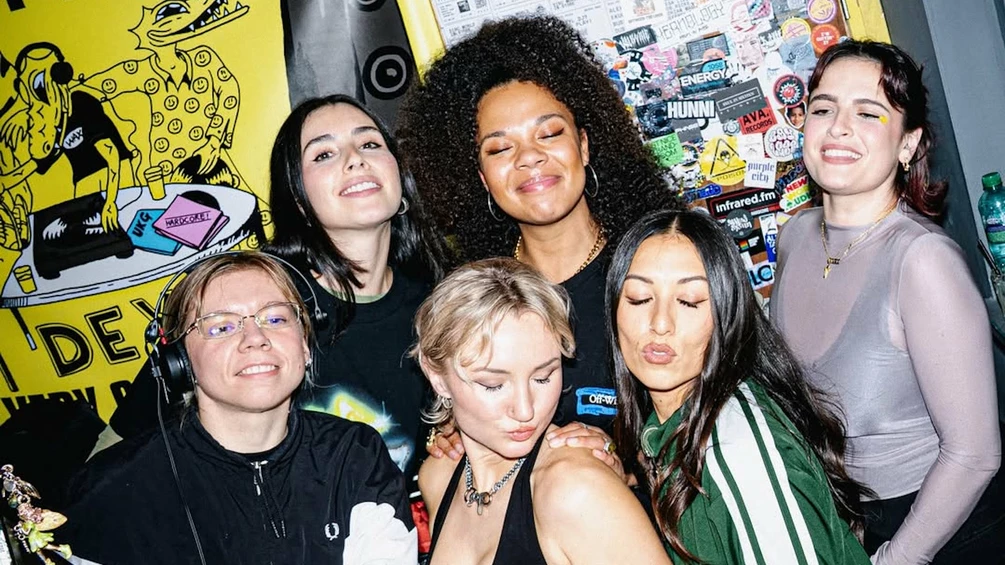
The Academy’s genesis lies in Kiimi’s broader vision for Club Hunni, a platform dedicated to amplifying the voices of women, trans, and non-binary individuals within the music sphere. This new workshop series extends that mission by providing tangible technical knowledge, practical career advice, and invaluable networking opportunities. The initial event will delve into critical aspects of career development, nuanced production practices, and strategies for successfully navigating the intricate music industry. Following the panel discussion, attendees will have the opportunity to engage in a closing Q&A session, fostering direct interaction with the panelists, before transitioning into a social mixer designed to encourage community building and peer-to-peer connections among aspiring and emerging producers.
Addressing the Representation Gap in Music Production
The electronic music industry, while celebrated for its progressive soundscapes and diverse subcultures, has historically struggled with a significant lack of representation in technical and production roles, particularly for women, trans, and non-binary individuals. Studies and industry analyses consistently highlight a disproportionate gender imbalance behind the mixing desk and in studio environments. For instance, data from various music industry reports, such as those by the USC Annenberg Inclusion Initiative, frequently reveal that women account for a minuscule percentage of producers and engineers credited on popular tracks. While specific statistics for the broader FLINTAQ community in production roles are harder to isolate, the general trend of underrepresentation extends across this demographic. This disparity often stems from a combination of factors, including systemic biases, lack of visible role models, limited access to mentorship, financial barriers to equipment and education, and an intimidating "boys’ club" culture prevalent in many traditional studio settings.
The absence of diverse perspectives in production not only stifles individual career growth but also limits the creative potential and sonic diversity of the entire genre. Initiatives like Club Hunni Academy are therefore not merely supplementary but fundamentally crucial for democratizing access to skills and opportunities. By creating dedicated, safe, and inclusive learning environments, these workshops directly confront the existing structural inequalities, empowering individuals who might otherwise feel marginalized or overlooked in mainstream educational or professional contexts. The focus on FLINTAQ individuals ensures that the curriculum and networking opportunities are tailored to address the specific challenges and unique strengths of this community, fostering an environment where participants feel seen, heard, and supported.
The Inaugural Session: A Deep Dive into Industry Insights
The choice of panelists for the inaugural Club Hunni Academy session underscores the caliber and relevance of the program. I. JORDAN, Elkka, and Storm Mollison represent a diverse spectrum of talent and experience within the electronic music scene, each having carved out significant careers as DJs, producers, and label owners. Their collective expertise offers a rich tapestry of perspectives on what it takes to succeed and innovate in a rapidly evolving industry.
I. JORDAN, known for their dynamic and genre-defying productions and DJ sets, brings a wealth of experience in sound design, creative workflow, and building a distinctive artistic identity. Their journey through the electronic music landscape provides valuable insights into experimental approaches to production and navigating the independent artist path.
Elkka, an acclaimed producer, DJ, and head of the label ‘femme culture,’ is celebrated for her innovative productions and her commitment to fostering female and non-binary talent. Her expertise spans intricate sound design, track arrangement, and the practicalities of releasing music independently or through a label. As a successful label owner, Elkka can offer invaluable advice on the business side of music, from A&R to distribution and marketing.
Storm Mollison, a respected DJ and emerging producer, offers a perspective rooted in current club culture and the intricacies of building a career through live performance and community engagement. Her experiences navigating the scene as a DJ and transitioning into production will resonate with many aspiring artists, providing practical guidance on blending different aspects of a music career.
The panel discussion topics—career development, production practices, and navigating the music industry—are meticulously chosen to cover the most pressing concerns for budding producers. Under "career development," discussions are expected to range from establishing a brand and managing social media presence to securing bookings, working with agents, and understanding legal aspects of the music business. "Production practices" will likely cover everything from fundamental DAW (Digital Audio Workstation) techniques, sound synthesis, mixing, and mastering basics, to fostering a unique creative process and overcoming creative blocks. Finally, "navigating the music industry" will address crucial topics such as intellectual property rights, royalties, understanding contracts, building professional relationships, and maintaining mental well-being in a demanding field. The interactive Q&A session that follows will allow attendees to pose specific questions, ensuring personalized advice and clarification on complex topics. The subsequent social mixer is not merely a casual gathering but a strategic component designed to facilitate peer networking, an essential element for professional growth and emotional support in any creative industry.
Kiimi’s Vision and Club Hunni’s Evolution
Club Hunni Academy is a natural extension of DJ and producer Kiimi’s long-standing commitment to creating more equitable spaces in electronic music. Kiimi herself has established a strong presence in the scene, known for her captivating productions and compelling DJ sets. Her personal experiences navigating the industry have undoubtedly fueled her passion for mentoring and supporting other FLINTAQ artists. The Club Hunni platform, from which the Academy springs, has previously hosted various events and workshops, consistently championing inclusivity and diversity. Its evolution into a structured academy format signifies a deepening commitment to providing sustained, practical education.
In a statement announcing the event, Club Hunni articulated its core philosophy: "Whether you’re brand new to production or already releasing music, this is a space to learn directly from artists doing it, ask questions, and meet people on the same journey, all in a beautiful intimate setting." This statement encapsulates the welcoming and empowering ethos that underpins the Academy. It acknowledges the varied skill levels among potential participants, from absolute beginners to those already making inroads into releasing music, ensuring that the environment is beneficial for all. The emphasis on learning "directly from artists doing it" highlights the value of real-world experience and practical insights over purely theoretical instruction, bridging the gap between academic knowledge and industry realities.
The Academy’s location at Hausu in Peckham, a vibrant cultural hub in London, further underscores its accessibility and integration into the city’s thriving underground music scene. Peckham has become synonymous with innovative music and arts initiatives, making it an ideal setting for an inclusive workshop series.
Broader Implications and the Growing Movement for Inclusivity
The launch of Club Hunni Academy is not an isolated event but rather part of a larger, burgeoning movement within the electronic music community to address historical imbalances and foster greater inclusivity. In February, just two months prior to the Academy’s launch, Toraigh Watson initiated Club Rua, another queer-led, FLINTA-focused club night in London. This parallel development highlights a clear trend: there is a growing recognition of the need for dedicated spaces and platforms where FLINTAQ individuals can thrive without the barriers often encountered in mainstream settings.
These initiatives are crucial for several reasons. Firstly, they provide vital role models and mentors. When aspiring producers see successful artists from their own communities sharing knowledge and experiences, it provides tangible proof that their ambitions are attainable. This visibility can be incredibly empowering and inspiring. Secondly, they foster community and solidarity. The music industry can be highly competitive and isolating. By creating networks of support, these academies and club nights help participants build lasting relationships, share resources, and navigate challenges collectively. This sense of belonging is paramount for long-term career sustainability and mental well-being.
Thirdly, such initiatives actively contribute to diversifying the sonic landscape. When more varied voices gain access to production tools and skills, the music itself evolves. New perspectives lead to fresh sounds, innovative genres, and a richer tapestry of artistic expression that reflects the full spectrum of human experience. This ultimately benefits the entire music-consuming public by offering a wider array of creative output.
From an economic perspective, fostering new talent from underrepresented groups also strengthens the creative economy. A more diverse talent pool leads to more innovation, new businesses, and a more robust industry overall. By equipping FLINTAQ individuals with the skills to produce, perform, and manage their careers, Club Hunni Academy is directly investing in the future growth and dynamism of London’s, and indeed the global, electronic music scene.
Looking ahead, the success of Club Hunni Academy could pave the way for similar initiatives across other cities and even online platforms, expanding its reach and impact. The curriculum may evolve to include more specialized workshops on specific software, hardware, sound engineering, or even music business modules like publishing and sync licensing. The immediate focus on panel discussions and networking lays a strong foundation, but the potential for sustained educational programming is immense.
The launch of Club Hunni Academy represents a proactive and vital step towards a more equitable and inclusive future for electronic music production. By directly addressing the historical underrepresentation of FLINTAQ individuals, providing access to top-tier mentorship, and fostering a supportive community, Kiimi and the Club Hunni platform are not just teaching production skills; they are cultivating a new generation of diverse talent poised to reshape the sounds of tomorrow. The enthusiasm surrounding its inaugural session is a testament to the urgent need for such spaces, and its trajectory will undoubtedly be watched closely by advocates for diversity across the creative industries. Further information and tickets for upcoming sessions can be found via the official Resident Advisor listing for the event.