Aveline Kirana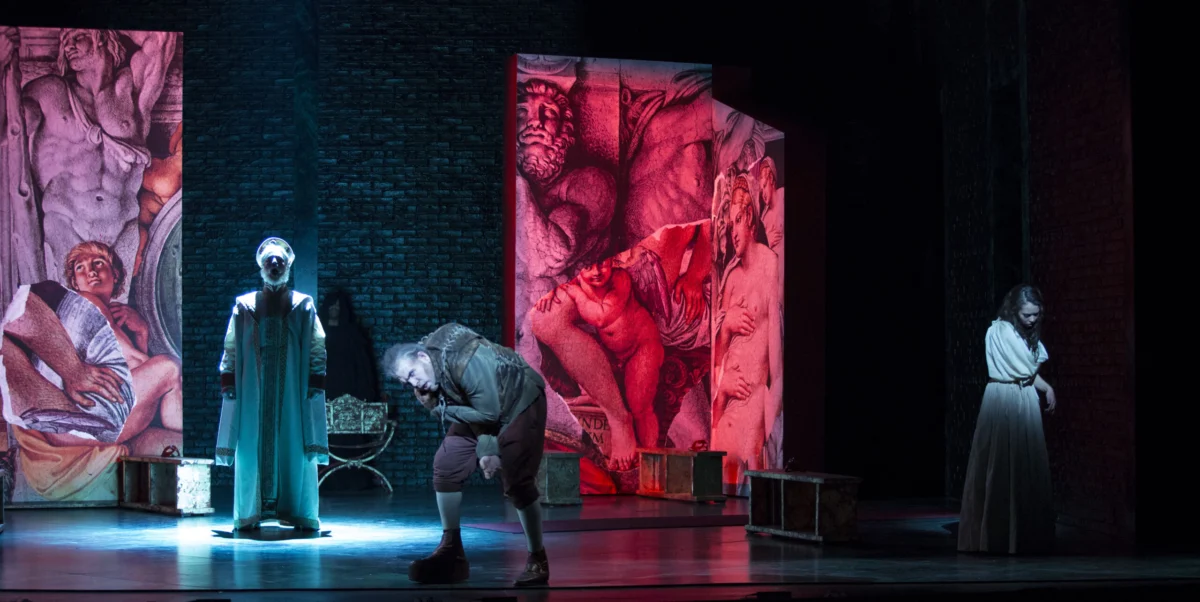
The Pittsburgh Opera has announced its much-anticipated 2026-2027 season, a significant undertaking that will commemorate the company’s 88th anniversary. This landmark season promises a rich tapestry of operatic masterpieces and a groundbreaking world premiere, signaling a vibrant future for the esteemed institution. The programming reflects a commitment to both beloved classics and innovative new works, aiming to engage a broad spectrum of opera enthusiasts and introduce the art form to new audiences within the Pittsburgh cultural landscape.
A Season of Celebrated Masterpieces and Bold New Voices
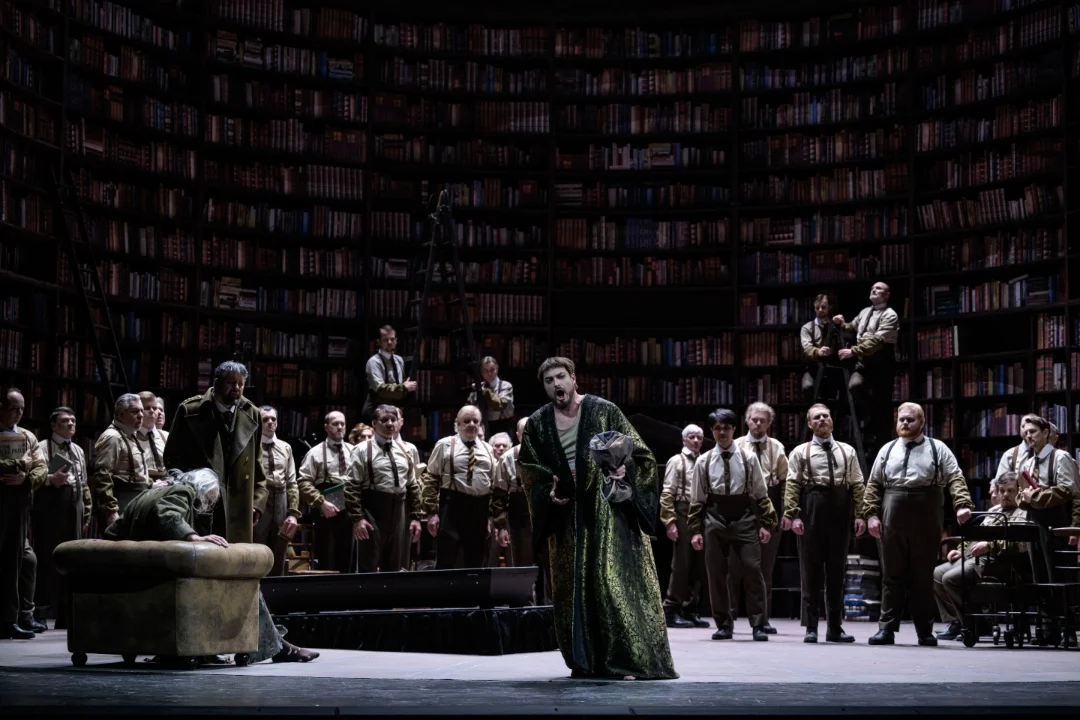
The 2026-2027 season opens with Giuseppe Verdi’s iconic tragedy, Rigoletto. This powerful opera, renowned for its dramatic intensity and unforgettable melodies, will feature a stellar cast including baritone Sebastian Catana in the titular role, alongside Daniel O’Hearn, Susanne Burgess, Maire Therese Carmack, and Peter Volpe. Conducting the performances will be Antony Walker, the Opera’s own Principal Conductor, who consistently garners critical acclaim for his insightful interpretations. The performances are scheduled for October 10, 16, and 18, 2026, setting a dramatic tone for the entire season.
Following the intensity of Verdi, the Pittsburgh Opera will present Christoph Willibald Gluck’s Orpheus & Eurydice. This groundbreaking work, a pivotal piece in the transition from Baroque to Classical opera, is celebrated for its emotional depth and exquisite musicality. The production will star Stephanie Doche as Orpheus, with Lauren Snouffer and Léa Nayak rounding out the principal roles. Antony Walker will again lead the orchestra, while José Maria Condemi will direct the production, promising a visually and emotionally compelling staging. Audiences can experience this timeless myth on November 14, 20, and 22, 2026.
The company’s commitment to Baroque opera continues with George Frideric Handel’s Partenope. This rarely performed but highly engaging comic opera, known for its intricate vocal lines and witty plot, will feature Léa Nayak, Ayanna Delk-Lewis, Erik Nordstrom, and Logan Wagner in leading roles. Antony Walker will conduct, with Haley Stamats directing the production. The performances are slated for January 23, 26, 29, and 31, 2027, offering a delightful contrast to the more dramatic works on the schedule.
World Premiere: "Working for the Macbeths" Takes Center Stage
A significant highlight of the 2026-2027 season is the highly anticipated world premiere of Working for the Macbeths. This new opera, with music by Johanny Navarro and a libretto by Marcus Yi, promises to be a compelling exploration of ambition, power, and consequence, drawing inspiration from Shakespeare’s immortal tragedy. The creative team behind this ambitious project includes director Crystal Manich. The cast features a remarkable ensemble of talent, including Léa Nayak, Asyanna Delk-Lewis, Erik Nordstrom, Logan Wagner, and Drew Comer. The premiere performances are scheduled for February 27, March 2, 5, and 7, 2027, marking a significant moment in contemporary opera and solidifying Pittsburgh Opera’s role as a champion of new artistic voices.
The season concludes with a flourish of romantic passion with Charles Gounod’s Roméo et Juliette. This beloved operatic adaptation of Shakespeare’s iconic play is celebrated for its soaring melodies and dramatic intensity. The production will boast a distinguished cast, including Oreste Cosimo and Lyrdia Katarina as the star-crossed lovers. Joining them will be Erik Nordstrom, Matt Boehler, Meredith Arwady, Logan Walker, Jason Budd, and Drew Comer. Antony Walker will once again take the podium to conduct this grand production. The final performances of the season will run from April 17, 22, 23, and 25, 2027, leaving audiences with a memorable and emotionally resonant finale.
Historical Context and Artistic Vision
The Pittsburgh Opera’s 88th anniversary season arrives at a crucial juncture for the arts in America. Following a period of unprecedented challenges for live performance, the announcement of a full, ambitious schedule speaks volumes about the resilience and forward-thinking nature of the organization. The Pittsburgh Opera has a long and storied history, founded in 1939, and has consistently contributed to the cultural fabric of the city, presenting both established repertoire and nurturing new operatic talent.
The programming for the 2026-2027 season appears to be a carefully curated blend of historical significance and contemporary relevance. Verdi’s Rigoletto, a staple of the operatic canon, offers a deep dive into themes of paternal love, betrayal, and justice. Gluck’s Orpheus & Eurydice represents a foundational work in operatic history, showcasing a move towards greater dramatic naturalism and emotional expression. Handel’s Partenope, a lesser-known gem, provides an opportunity to explore the wit and brilliance of Baroque opera seria, often characterized by its virtuosic vocal demands and intricate plots.
The decision to stage a world premiere, Working for the Macbeths, underscores the Pittsburgh Opera’s commitment to the future of the art form. The opera’s inspiration from Shakespeare suggests a contemporary re-examination of timeless themes, potentially offering fresh perspectives on ambition, morality, and the corrupting influence of power. The involvement of composers and librettists of color, such as Johanny Navarro and Marcus Yi, also signals a dedication to broadening the diversity of voices and stories represented in the operatic repertoire. This aligns with a broader national trend in the arts to promote inclusivity and reflect a wider range of human experiences.
Gounod’s Roméo et Juliette, a grand romantic opera, provides a fitting conclusion to the season, offering a passionate and emotionally charged exploration of love and fate. The juxtaposition of these works – from the tragic grandeur of Verdi and Gounod to the philosophical depths of Gluck and the contemporary explorations of Navarro and Yi – suggests a season designed to offer a comprehensive operatic experience.
Supporting Data and Industry Trends
The operatic landscape in the United States has seen significant shifts in recent decades. While established repertoire remains the backbone of most company seasons, there is a growing demand for new works and more diverse storytelling. Data from organizations like OPERA America consistently show that while attendance for classic operas remains strong, innovative programming and world premieres can attract new audiences and generate significant critical interest. The success of contemporary operas in recent years, such as the critically acclaimed premieres at companies like the Metropolitan Opera and the Santa Fe Opera, further validates the Pittsburgh Opera’s investment in new creations.
The economic impact of a thriving opera company extends beyond ticket sales. The Pittsburgh Opera, as a major cultural institution, contributes to the local economy through job creation, tourism, and support for related industries such as hospitality and retail. A robust season that attracts national and international attention can further enhance Pittsburgh’s reputation as a vibrant cultural destination.
Potential Reactions and Broader Impact
While official statements from the Pittsburgh Opera leadership were not immediately available, the announcement of such a diverse and ambitious season is likely to be met with enthusiasm from opera patrons and the broader arts community. Artistic directors of other opera companies often express a shared commitment to presenting a balanced repertoire that includes both beloved classics and new works, recognizing the importance of both tradition and innovation. Critics and reviewers will likely anticipate the premiere of Working for the Macbeths with keen interest, as world premieres are often seen as bellwethers for the future direction of operatic composition and storytelling.
The success of this season could have several implications for the Pittsburgh Opera. A strong financial performance and positive audience reception for all productions, particularly the world premiere, could solidify the company’s reputation as a leader in operatic innovation. It could also pave the way for future commissions and further expansion of its contemporary repertoire. For the artists involved, the opportunity to perform in such a distinguished season, especially on a world premiere, represents significant career milestones.
In conclusion, the Pittsburgh Opera’s 2026-2027 season is poised to be a memorable celebration of its 88th anniversary. By presenting a compelling mix of iconic operas and a groundbreaking new work, the company is demonstrating a clear vision for its future, one that honors its rich legacy while embracing the exciting possibilities of contemporary operatic expression. The season promises to be a vital contribution to the cultural landscape of Pittsburgh and a significant event within the broader American opera scene.