Reynand Wu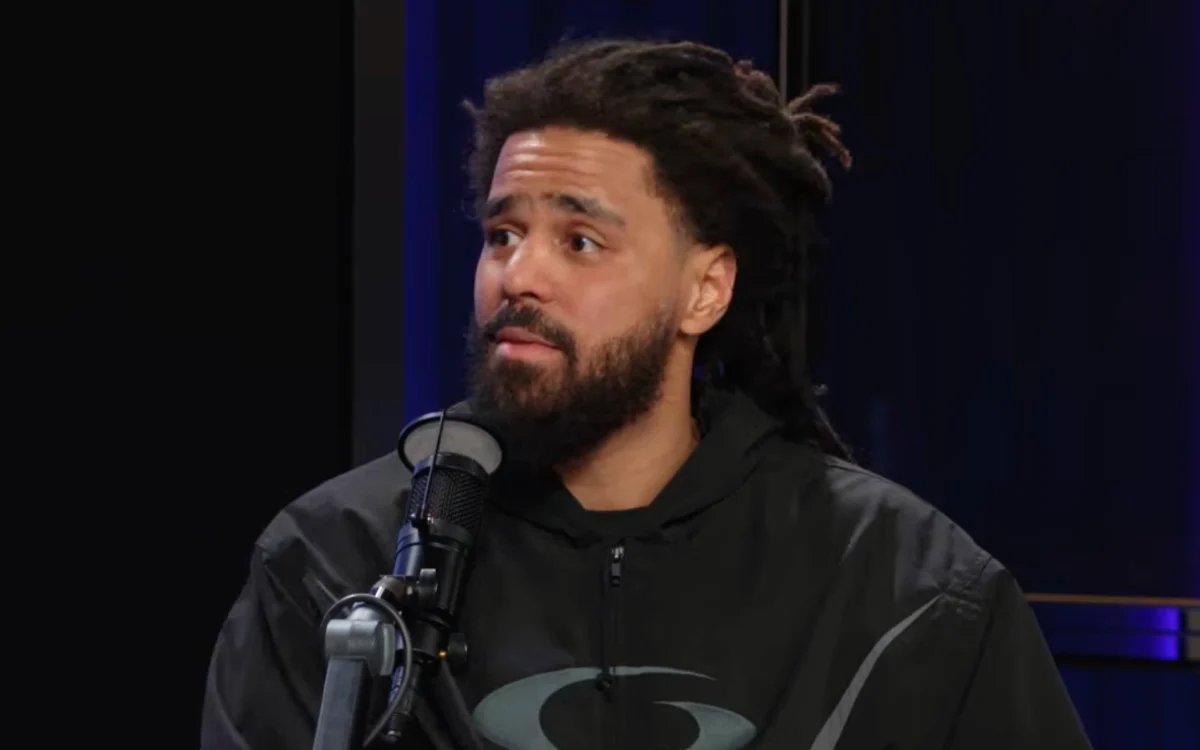
J. Cole has officially confirmed long-standing industry rumors, disclosing that both Drake and Kendrick Lamar were originally slated to appear on his critically anticipated album, The Fall-Off. The Dreamville founder detailed how the explosive 2024 rap battle between the two titans, coupled with an untimely leak of his project, ultimately compelled him to remove their contributions from the final tracklist. This revelation, made during an extensive interview with fellow rapper Cam’ron, not only provided unprecedented insight into the album’s tumultuous production but also, notably, marked a public reconciliation between Cole and Cam’ron following a previously reported "bizarre legal battle" between the two artists.
The Original Vision for The Fall-Off
For years, the prospect of J. Cole, Drake, and Kendrick Lamar—often dubbed hip-hop’s "Big Three"—collaborating extensively on a single project has been a fantasy for many fans. Cole’s recent interview peeled back the curtain, confirming that this dream was nearly a reality for The Fall-Off. He explicitly stated that Kendrick Lamar had contributed to "two joints" on the album, substantiating a claim made last year by podcaster Mal, who had asserted that both Kendrick and Drake had multiple features on an early iteration of the album.
"That was a part of my vision for it, having both of these dudes as a part of this," Cole explained, articulating his ambition to celebrate his career alongside his esteemed peers. "On my way out, I wanted to celebrate like, ‘Damn, I’m really grateful to have done it at the same time as these nggas.’" This statement underscores Cole’s intention to craft The Fall-Off as a monumental capstone to his career, enriched by the collaborative spirit of artists who have defined an era of hip-hop alongside him. The inclusion of Drake and Kendrick would have undoubtedly elevated The Fall-Off* from a highly anticipated release to an undeniable cultural event, a testament to the collective legacy of three of the genre’s most dominant figures. The album, which has been in development for approximately eight years, was envisioned as a grand finale, a testament to his journey and the friendships forged along the way.
The Catalyst: Kendrick Lamar’s "Like That" and the Escalation of Beef
The meticulously planned rollout for The Fall-Off faced an unforeseen and insurmountable obstacle with the release of Future and Metro Boomin’s track "Like That." Featuring a searing verse from Kendrick Lamar, the song served as the incendiary spark that ignited the long-simmering rivalry between Lamar and Drake, transforming it into a full-blown rap war. Cole, caught in the crossfire, revealed his mixed emotions regarding Kendrick’s verse, recognizing its artistic merit while lamenting its disruptive timing.
"I had two reactions," Cole shared. "My first reaction is: that shit is hard. It’s a hard-ass verse, undeniably. The beat is crazy, the song is ill and I’m like, ‘That shit is tough.’ My second reaction is: not now, ngga! This is inconvenient for me." This candid admission highlights the personal and professional dilemma Cole faced. As an artist, he could appreciate the undeniable lyrical prowess and impact of Kendrick’s contribution. However, as the architect of his own career-defining album, he understood the immediate threat it posed to his carefully orchestrated plans. The timing was particularly vexing, as Cole had intended to release The Fall-Off shortly after his preceding mixtape, Might Delete Later*, which served as a precursor to the album. The sudden escalation of the rap beef hijacked the industry’s attention, shifting the narrative entirely away from his upcoming release.
The Pressure and the Regrettable "7 Minute Drill"
The immediate aftermath of "Like That" saw immense pressure mount on J. Cole from both fans and industry insiders to respond. Kendrick Lamar’s verse, which notably dismissed the concept of a "Big Three" in favor of himself, implicitly challenged Cole’s position in the hierarchy. Despite not personally feeling disrespected, Cole felt compelled to address the situation to ensure The Fall-Off received the attention he believed it deserved.
"My phone was blowing up immediately like, ‘Please, press the button!’ That’s the energy from nggas that love me," he recounted. He further clarified his internal conflict: "In reality, do I actually feel any sort of [disrespect]? There wasn’t any disrespect in [Kendrick’s verse]! I didn’t listen to that and be like, ‘Damn, ngga said what?’ My feeling was, ‘Fuck!’ Because now I know this [album] that I’ve been working on for eight years, plus this other [mixtape] that I did as a set-up, n*ggas ain’t gonna never let me put that out until I address this."
This immense external pressure led to the creation and release of "7 Minute Drill," a diss track targeting Kendrick Lamar, featured on Might Delete Later. Cole confessed that his motivation was not malice but a strategic, albeit regrettable, attempt to clear the path for The Fall-Off. "There was no malice in my heart. There wasn’t even a desire to be like, ‘Ooh, this ngga gave me a chance to come demolish him!’" he asserted. "I love this ngga… but I’m worried about what the world is gonna say. Which is embarrassing to say out loud, but it’s true. Because I’m fearful that this thing that I’ve been working on for so long is gonna go unappreciated if I don’t [respond]."
Cole admitted to a calculated approach in his response: "So I’m like, ‘Let me say just enough to where it looks like I said something.’ Everything I’m saying, I know and he knows, it’s all survivable. I’m not hitting him with no fatal blows." He intended "7 Minute Drill" to be a superficial response, just enough to appease the public’s demand for a reaction without genuinely harming his relationship with Kendrick or escalating the beef beyond repair.
The Swift Regret and Public Apology
Despite his careful calibration, the release of "7 Minute Drill" quickly filled Cole with regret. The track, perceived by many as a genuine attack, polarized fans and created a divisive atmosphere. Cole realized the profound implications of his actions almost immediately. "The second it comes out, I’m like, ‘Oh, you created a dividing line where you’re forcing the world to pick a side… and to slander [Kendrick]. And they’re taking some of the shit you said and they giving it gas.’ And then my thought becomes, ‘I fucked up. I’ve misrepresented myself,’" he admitted.
The weight of this realization became unbearable. Cole’s heart grew "heavy" as he contemplated the potential damage to his long-standing friendship with Kendrick, a bond dating back to collaborations like "Forbidden Fruit" from Cole’s 2013 album Born Sinner. This profound remorse culminated in his highly publicized apology at Dreamville Fest. Standing before a massive crowd, Cole publicly retracted "7 Minute Drill," expressed deep regret, and declared his intention to remove the song from streaming platforms—a rare and unprecedented move in hip-hop.
He described the decision to apologize as a divine intervention, a moment of clarity that brought him immense relief. "The [idea] came to me an hour before, and I really feel like this was God because of how it lifted me and took the weight off me," he stated. "I didn’t give a fuck [about the immediate backlash] because I knew in my heart what I did was right for me." This act of humility, while initially met with mixed reactions from fans and critics, ultimately underscored Cole’s commitment to personal integrity and his relationships over the fleeting victories of rap beef.
Broader Context: The "Big Three" Narrative and Hip-Hop Dynamics
The saga surrounding The Fall-Off and "7 Minute Drill" is inextricably linked to the "Big Three" narrative that has dominated hip-hop discourse for over a decade. Since the early 2010s, J. Cole, Drake, and Kendrick Lamar have been consistently heralded as the genre’s preeminent forces, each boasting critical acclaim, commercial success, and dedicated fanbases. Their individual achievements have been monumental: Drake with unparalleled chart dominance and cultural omnipresence; Kendrick Lamar with Pulitzer-winning lyricism and conceptual albums; and J. Cole with a string of platinum albums, often achieved without guest features, solidifying his "no features" legend.
The implied competition and mutual respect between them have been a defining characteristic of modern hip-hop. While they have collaborated on occasion (e.g., Cole and Kendrick on "Forbidden Fruit," Drake and Cole on "Jodeci Freestyle"), a full-scale, collaborative project or even multiple features on a single album from all three was seen as the ultimate symbol of their collective reign. The Fall-Off was poised to be that moment, a celebration of their era.
The events of early 2024, particularly Kendrick’s "Like That" verse, explicitly dismantled this "Big Three" construct, asserting Lamar’s singular dominance. This challenge forced Cole into an uncomfortable position, as his carefully constructed legacy and his desire for a celebratory album were caught in the crossfire of a deeply personal and artistic rivalry he wished to avoid.
Implications for The Fall-Off and J. Cole’s Legacy
The revelations surrounding The Fall-Off carry significant implications for the album itself and for J. Cole’s artistic trajectory. The album, which has now been released, arrived without the highly anticipated collaborations, undoubtedly altering its original sonic landscape and thematic intent. While it still stands as a testament to Cole’s lyrical prowess, the absence of Drake and Kendrick Lamar undeniably reshapes its place in his discography and in hip-hop history.
The public apology for "7 Minute Drill," while commendable for its sincerity and introspection, marked a pivotal moment in Cole’s career. It showcased a vulnerability rarely seen from an artist of his stature, prioritizing personal values and genuine relationships over competitive posturing. This move solidified his image as a thoughtful, self-aware artist, even if it momentarily exposed him to criticism from those who prefer an uncompromising approach to rap beef.
Furthermore, the entire episode underscores the intense scrutiny and pressure faced by top-tier artists in the digital age. The rapid dissemination of information, the instantaneous fan reactions, and the constant demand for engagement create an environment where every move is analyzed and amplified. Cole’s decision to respond to "Like That" was, by his own admission, influenced by this very pressure, highlighting the delicate balance artists must strike between artistic integrity and public expectation.
Looking Ahead: A Reshaped Landscape
The story of The Fall-Off is more than just an album’s production woes; it’s a narrative about friendship, artistic integrity, and the unpredictable nature of hip-hop’s competitive landscape. J. Cole’s candid admissions offer a rare glimpse into the complex emotional and strategic decisions artists face at the pinnacle of their careers. The dream of a "Big Three" collaborative project may remain just that—a dream—but Cole’s willingness to share his truth, even at the cost of public perception, has added another layer to his already rich and respected legacy.
As the dust settles on the rap beef of 2024, and with The Fall-Off now available to the public in its modified form, the hip-hop world continues to evolve. J. Cole’s journey through this turbulent period serves as a powerful reminder that even the most celebrated artists are subject to external forces, personal dilemmas, and the profound impact of their words and actions within a fiercely competitive industry. The album, while different from its initial conception, now carries with it a deeper, more complex story of artistic vision colliding with unforeseen reality.