Nana Wu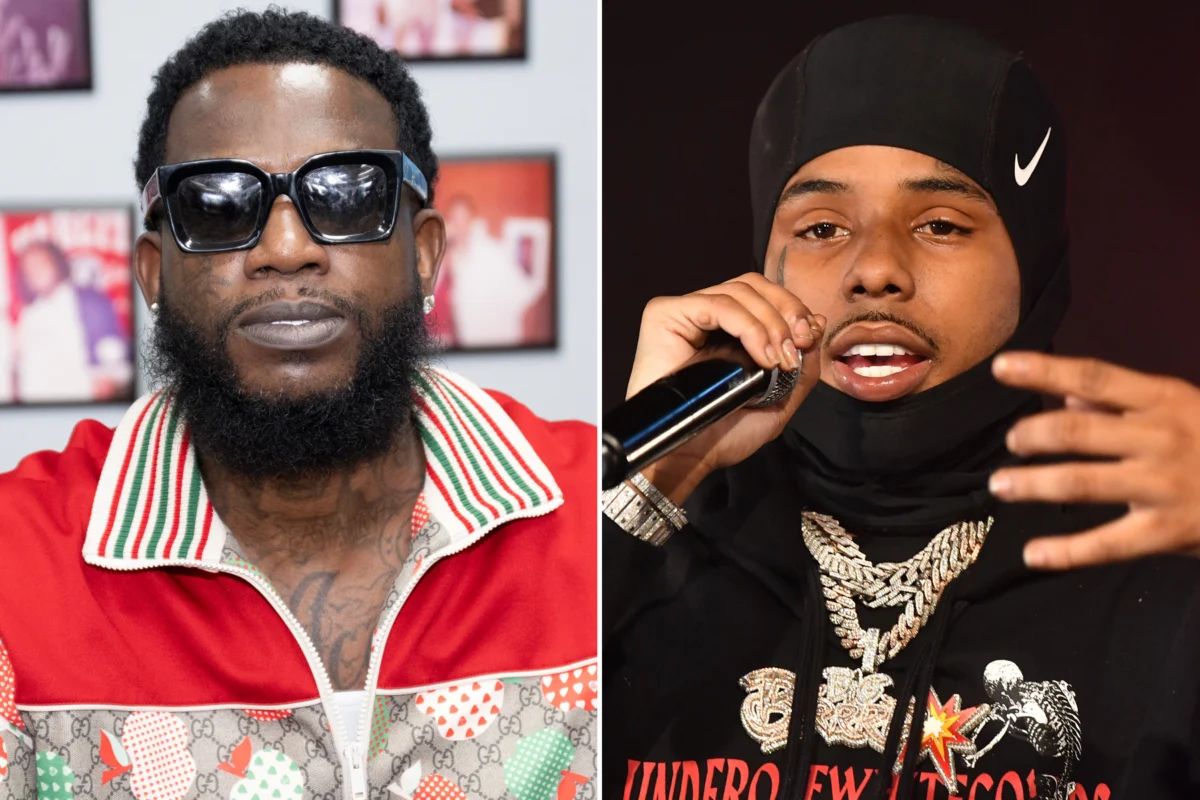
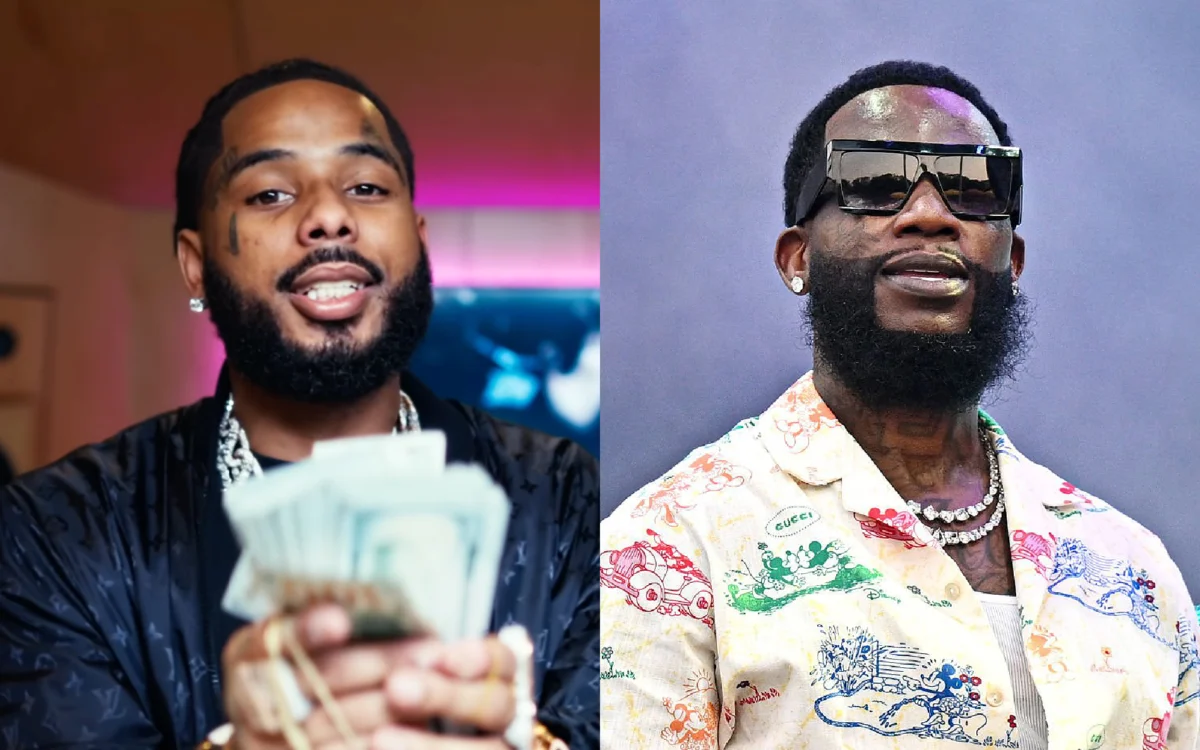
Memphis rapper Pooh Shiesty, whose legal name is Lontrell Williams Jr., found himself once again embroiled in serious legal entanglements on Thursday, April 2, when he was one of eight men taken into custody on charges of kidnapping and robbery. These grave accusations stem from a physical altercation allegedly connected to his recording contract with Gucci Mane’s prominent 1017 Records label. The incident, which reportedly occurred in Dallas, Texas, adds another tumultuous chapter to the artist’s career, which has been characterized by both meteoric success and significant brushes with the law.
The arrest marks a dramatic turn for Williams Jr., who had recently celebrated a resurgence in his musical career following a period of incarceration. The specific details surrounding the alleged dispute over his contract with 1017 Records remain a central point of the ongoing investigation, drawing widespread attention from the music industry and legal observers alike.
The Dallas Incident: A Contract Dispute Escalates
According to statements from U.S. Attorney Ryan Raybould for the Northern District of Texas, the events leading to the arrests unfolded during a pre-arranged meeting in Dallas on January 10. The purpose of this gathering, as reported, was to discuss the contentious status of Pooh Shiesty’s record contract. While the exact nature of the contract dispute has not been fully disclosed, such disagreements in the music industry often revolve around issues of creative control, financial compensation, publishing rights, or the desire of an artist to move to a different label or management.
CBS News reported that among the individuals present at this critical meeting was Radric Davis, professionally known as Gucci Mane, the founder and CEO of 1017 Records. The presence of both the artist and his label head underscores the high stakes involved in the contract negotiations. However, what began as a discussion quickly devolved into a violent confrontation.
The official complaint details a harrowing armed incident during the meeting. Raybould stated, "Williams Jr. produced an AK-style pistol and forced one of the victims to sign a release from the recording contract at gunpoint." This allegation points to an extreme level of coercion, transforming a business negotiation into a criminal act. Furthermore, the U.S. Attorney elaborated on the broader scope of the alleged crime, explaining, "The remaining conspirators displayed firearms and robbed the other victims of Rolex watches, jewelry, cash and other high-value items. One of the victims was actually choked by one of the victims to near-unconsciousness." These details paint a picture of a calculated and violent act, moving beyond a simple contract dispute to encompass severe felonies.
The charges of robbery and kidnapping carry substantial legal weight, particularly when coupled with allegations of firearm use and physical assault. The involvement of multiple individuals and the pre-meditated nature suggested by the arranged meeting further complicate the legal landscape for Pooh Shiesty and his co-defendants.
Pooh Shiesty’s Tumultuous Rise to Stardom
Lontrell Williams Jr.’s journey in the music industry has been a roller coaster of rapid ascent, critical acclaim, and significant legal challenges. His career trajectory provides essential context for understanding the gravity of his current situation.
Pooh Shiesty first burst onto the national scene in April 2020 when he officially signed with Gucci Mane’s 1017 Records, a label known for identifying and developing raw talent from the Southern hip-hop scene. This signing was made in partnership with Atlantic Records, a major player in the global music industry, signaling significant industry backing for the young artist.
His breakthrough was almost instantaneous. In the same year, his hit single "Back in Blood," featuring fellow Memphis rapper Lil Durk, vaulted into the top 20 of the Billboard Hot 100 chart, peaking impressively at No. 13. This track became a cultural phenomenon, cementing his status as a rising star and earning him instant acclaim. The industry quickly took notice, leading to his inclusion in the prestigious XXL Freshman Class, an annual list recognizing hip-hop’s most promising newcomers. He was also honored as Billboard‘s Hip-Hop Rookie of the Month, further solidifying his position as a formidable new voice in the genre.
The momentum continued with the release of his debut mixtape, Shiesty Season, in February 2021. The project was met with commercial success and critical praise, showcasing his distinctive flow and storytelling ability, and featuring collaborations with established artists like Lil Durk, Gucci Mane, 21 Savage, and Big30. The mixtape’s success positioned him as one of the most exciting new artists in hip-hop.
A History of Legal Hurdles and Recent Comeback
Despite his rapid ascent, Pooh Shiesty’s promising career has been repeatedly hampered by a series of legal issues. His initial brush with the law began shortly after the release of Shiesty Season. He was arrested twice within a single year in 2021, signaling a pattern of legal troubles that would ultimately derail his initial momentum.
The most significant of these legal battles culminated in firearm conspiracy charges. In April 2022, Pooh Shiesty was sentenced to a five-year prison term, a significant setback for an artist whose career was just hitting its stride. This period of incarceration effectively put his musical output and public presence on hold, leaving fans and industry observers to wonder about the future of his career.
However, displaying remarkable resilience, Pooh Shiesty was released from prison in October 2025, earlier than expected, reportedly due to good behavior. His release was met with anticipation from his fanbase, eager for new music. He wasted no time, dropping a fiery comeback track titled "FDO" shortly after his release. The single proved to be a powerful re-entry into the music landscape, rocketing to No. 1 on Billboard‘s Hot R&B/Hip-Hop Songs and Hot Rap Songs charts. This triumphant return signaled that despite his past legal woes, his artistic appeal and commercial viability remained strong. The success of "FDO" underscored his ability to connect with audiences and reaffirmed his position as a compelling figure in hip-hop, making his latest arrest even more startling.
Gucci Mane and 1017 Records: A Mentor-Protégé Dynamic
The relationship between Pooh Shiesty and Gucci Mane, both as artist and label head, and mentor and protégé, is central to this unfolding drama. Gucci Mane, a veteran and influential figure in trap music, founded 1017 Records, which has become a significant incubator for new talent, particularly from the Southern United States. His label is known for its distinctive sound and its ability to launch artists into mainstream success.
Gucci Mane himself has a well-documented history with the legal system, experiencing both incarceration and subsequent career rehabilitation. This personal experience often positions him as a mentor who understands the challenges faced by young artists navigating both the music industry and complex personal circumstances. His decision to sign Pooh Shiesty and actively promote his career reflected a belief in the young rapper’s talent and potential.
Contract disputes are a perennial issue in the music industry. Artists often sign deals early in their careers that, as their success grows, they may perceive as unfavorable or restrictive. These disputes can arise from disagreements over royalties, publishing splits, album commitments, or the desire for greater creative and financial independence. While the specifics of Pooh Shiesty’s contract dispute with 1017 Records are not publicly known, the allegation that it escalated to an armed robbery and kidnapping highlights the extreme and dangerous potential outcomes when such disagreements are not resolved through conventional legal or business channels.
Legal Ramifications and the Path Forward
The charges of robbery and kidnapping are among the most serious felonies in the U.S. legal system. Under federal law, kidnapping, particularly when involving firearms or bodily injury, can lead to lengthy prison sentences, potentially including life imprisonment. Robbery charges also carry significant penalties, especially given the alleged use of an AK-style pistol and the involvement of multiple victims and high-value items.
For Pooh Shiesty, this arrest could have profound and devastating consequences for his recently revitalized career. Having just been released from a five-year sentence, facing new charges of this magnitude could result in a much longer period of incarceration if convicted. This would effectively halt his music career indefinitely and severely damage his public image.
The legal process will likely involve:
- Arraignment: Where the charges are formally read, and Pooh Shiesty and his co-defendants will enter pleas.
- Bail Hearing: Given the severity of the charges and his prior criminal record, securing bail may be challenging.
- Discovery: Both prosecution and defense gather evidence.
- Pre-Trial Motions: Legal arguments made before a trial.
- Trial: If no plea agreement is reached, the case will go to trial before a jury.
The U.S. Attorney’s office will need to present compelling evidence to prove the allegations beyond a reasonable doubt. Pooh Shiesty’s legal team will undoubtedly mount a vigorous defense, challenging the prosecution’s narrative and evidence.
Broader Implications for the Music Industry
This incident casts a shadow not only over Pooh Shiesty’s career but also potentially on 1017 Records and the broader music industry. It highlights the often-stark realities of artist-label relationships, where power dynamics can lead to intense disputes. While most contract disagreements are handled through legal counsel and negotiation, this alleged escalation to violent crime is a rare and disturbing development.
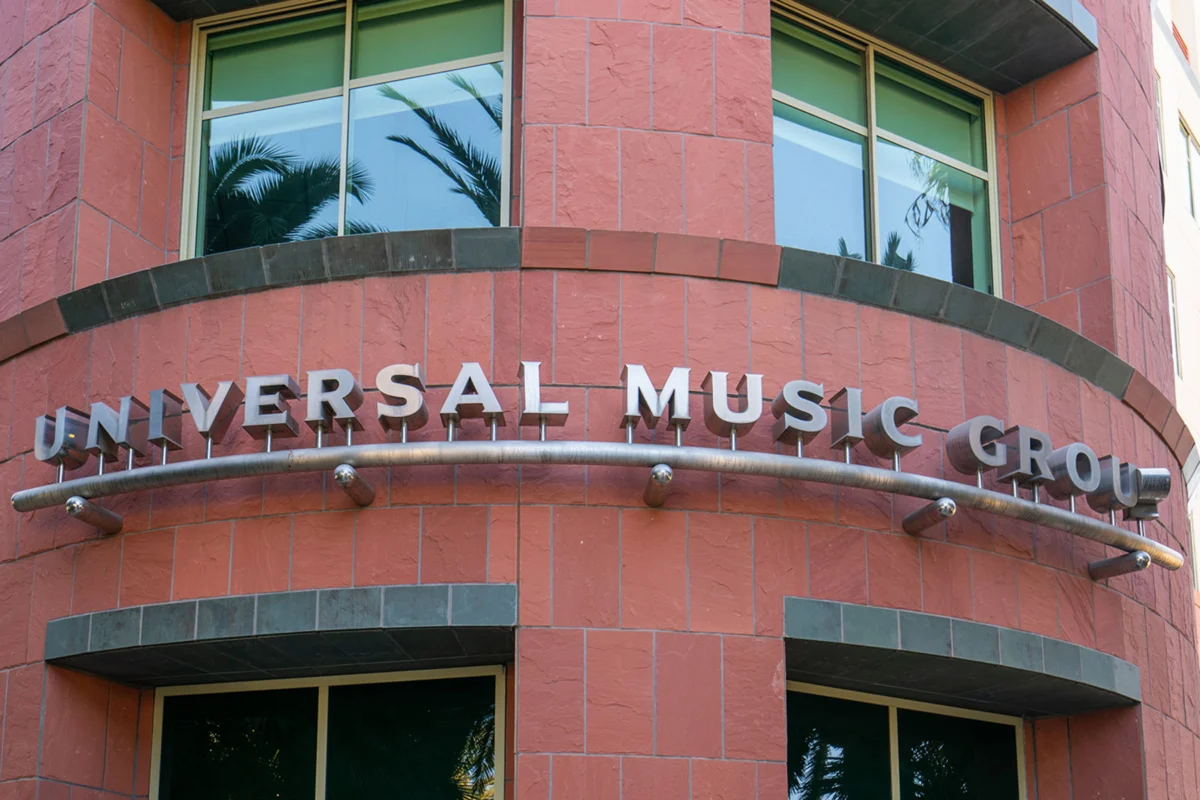
For 1017 Records, the incident could raise questions about the label’s environment and the nature of its artist agreements, although Gucci Mane himself is reportedly a victim or witness in the incident, not accused of wrongdoing. For Atlantic Records, a major label partnered with 1017, the situation presents a public relations challenge, as they are associated with an artist facing such serious accusations.
Moreover, the case underscores the persistent intersection of street culture and the music industry, particularly in genres like hip-hop. While many artists successfully navigate their careers without such extreme legal entanglements, this incident serves as a stark reminder of the potential for violence and criminal activity to intersect with the business of music. It might prompt renewed discussions within the industry about artist welfare, contract fairness, and dispute resolution mechanisms.
As the legal proceedings unfold in the Northern District of Texas, the music world will be closely watching. The outcome will not only determine the fate of Lontrell Williams Jr. but could also send ripple effects through the industry, influencing how artist-label relationships are managed and how contract disputes are handled in the future. The swift action by law enforcement and the detailed statements from the U.S. Attorney suggest a determined prosecution, setting the stage for a high-profile legal battle with significant implications.