Mia Khoirunisa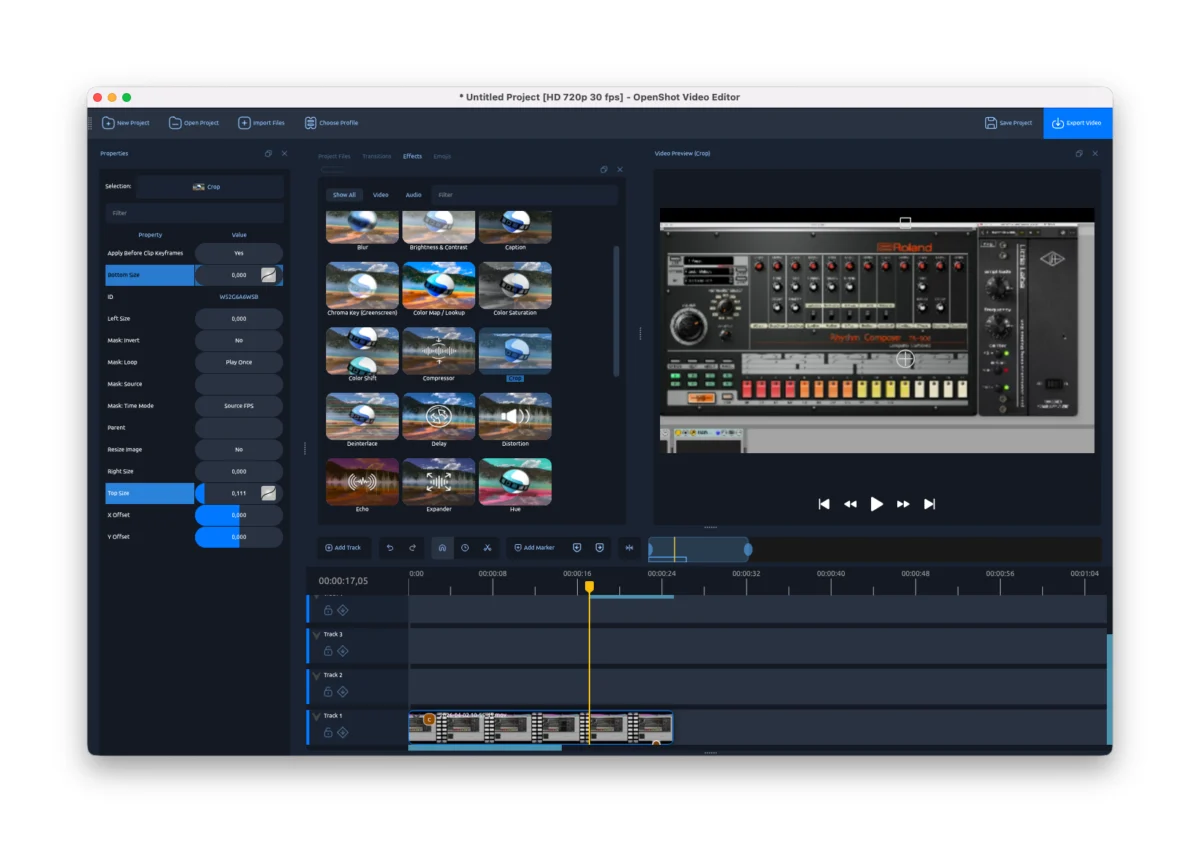
The open-source video editing landscape has received a significant boost with the recent release of OpenShot version 3.5. This substantial update, rolled out in March, marks a pivotal moment in the project’s 18-year history, delivering marked improvements in performance, stability, and creative capabilities across macOS, Windows, and Linux platforms. The developers have hailed it as "one of the biggest releases in our 18-year history," signaling a renewed focus on making this free and accessible tool more powerful and user-friendly than ever before.
A Deep Dive into OpenShot 3.5 Enhancements
OpenShot 3.5 introduces a suite of refinements designed to enhance the user experience and expand the software’s potential. Key among these are substantial speed optimizations, leading to a smoother and more responsive editing workflow. The update also addresses performance bottlenecks in handling complex edits and audio processing, areas that have historically presented challenges for open-source video editors. This enhanced efficiency is particularly relevant for creators working with high-resolution footage or intricate audio mixes.
The developers have emphasized that version 3.5 represents a foundational leap forward, suggesting that future iterations will build upon this robust base to explore new creative avenues. While commercial alternatives like DaVinci Resolve and Final Cut Pro may still offer a more polished user interface on macOS and Windows, OpenShot’s continuous development, coupled with its free and open-source nature, positions it as an increasingly compelling option, especially for users experimenting with emerging technologies like artificial intelligence (AI) and cloud-based video workflows.
The Growing Importance of Open-Source Tools
The release of OpenShot 3.5 underscores a broader trend: the increasing relevance and sophistication of open-source software in creative industries. Historically, users on operating systems like Linux often faced limited options for professional-grade video editing. However, the past decade has seen a dramatic shift. Linux users now have a growing array of choices, including OpenShot, the freemium closed-source Pikimov, and even a native version of DaVinci Resolve, with efforts to simplify its installation on various Linux distributions.
This expansion of choice is crucial. Open-source software offers inherent advantages, including transparency, community-driven development, and freedom from licensing fees. As demonstrated by the evolution of projects like Blender, which transformed from a niche tool for advanced users to a mainstream 3D creation suite, open-source initiatives have the potential to democratize access to powerful creative technologies. OpenShot’s trajectory mirrors this trend, striving to make sophisticated video editing accessible to a wider audience.
Key Features and User Experience Improvements
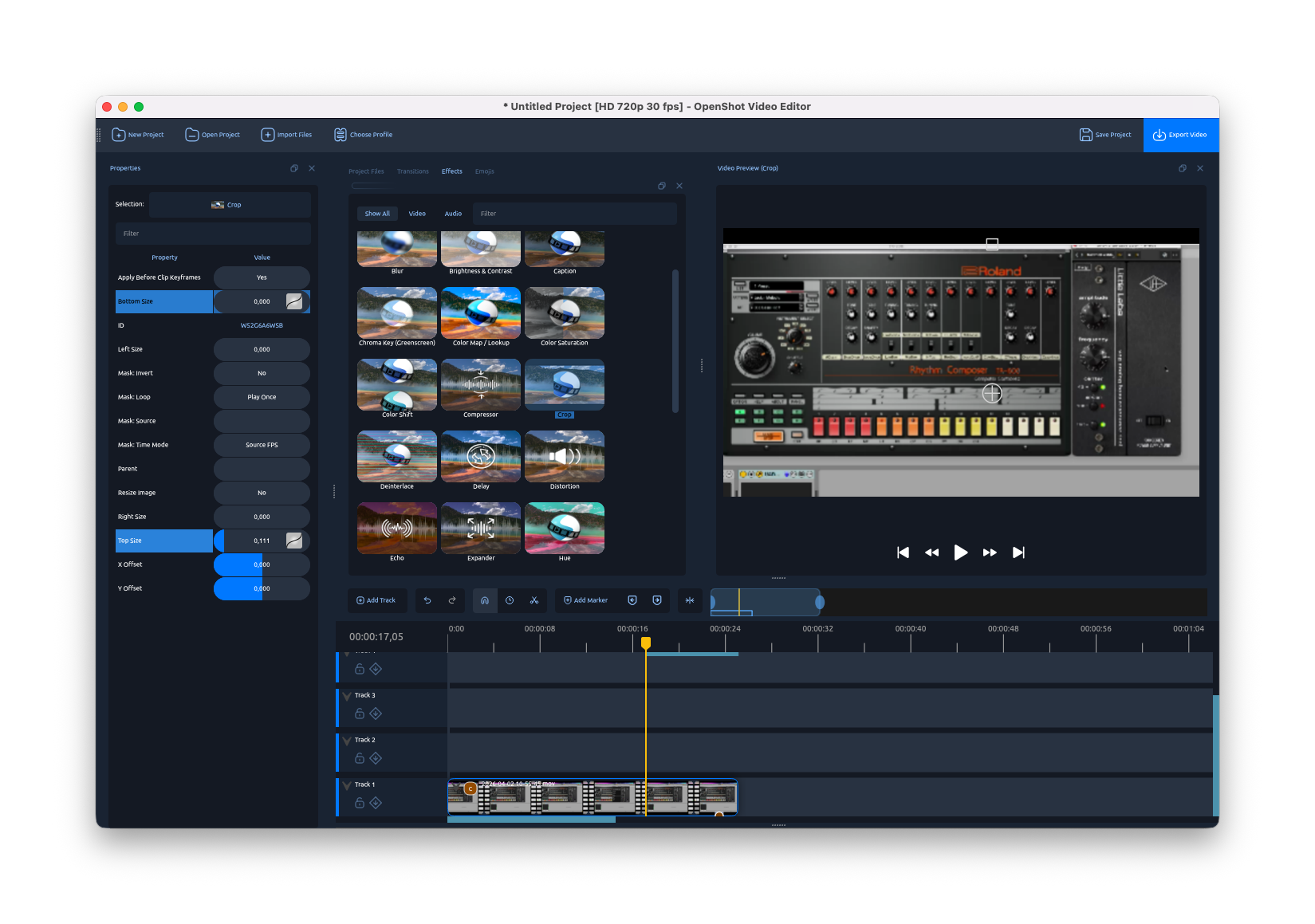
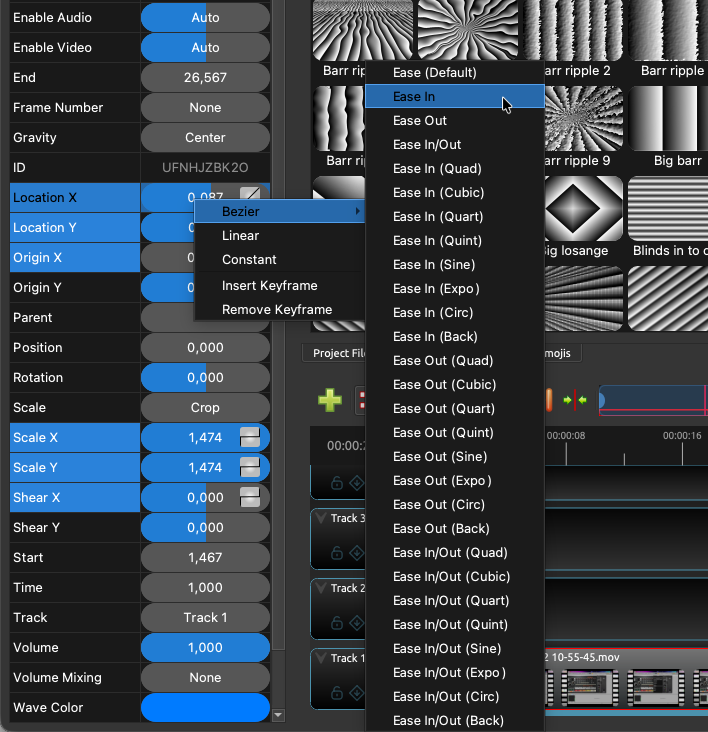
OpenShot 3.5 boasts a feature set that makes it a viable option for a wide range of video editing tasks, even for users who already possess other editing software. The update significantly simplifies the creation of keyframes and animations, offering an exceptionally broad selection of easing options that provide fine-grained control over motion and timing. This level of detail in animation control is often a hallmark of professional-grade software and represents a notable advancement for OpenShot.
A key aspect of OpenShot’s usability lies in its direct manipulation of elements within the viewport. Many adjustments, from scaling and rotation to effects parameters, can be made directly on the video clips using intuitive handles, streamlining the editing process. The software also provides a unique and artistically diverse collection of transitions and other visual elements, allowing for creative flair and distinct stylistic choices.
One observed nuance in the animation system is its automatic keyframe generation. When a parameter is adjusted mid-region, OpenShot will automatically create a keyframe to initiate the animation. Users seeking a static adjustment should therefore apply it at the beginning of the clip to avoid unintended animated changes. This behavior, while requiring a slight adjustment in workflow, contributes to the software’s dynamic animation capabilities.
For Mac users, a minor aesthetic note from early adopters suggests that the new default theme might present readability challenges. However, the ability to revert to classic themes, such as the Ubuntu Humanity theme, ensures a personalized and comfortable user experience.
Embracing the Future: AI and Cloud Integration
A particularly exciting facet of OpenShot 3.5 is its enhanced potential for integration with emerging technologies, especially AI and cloud-based computing. While the rapid proliferation of generative AI in video editing can sometimes lead to concerns about the automation of low-quality content, OpenShot’s open-source nature provides a fertile ground for responsible and innovative applications.
The software now offers possibilities for local model integration, enabling users to leverage open-sourced AI models like Wan2.1. This capability opens doors for advanced video processing tasks such as upscaling, intelligent object removal, and sophisticated effect generation. The developers have been incorporating machine learning-based effects since version 2.6, and 3.5 builds upon this foundation, offering a platform for experimental work and the creation of novel visual effects.
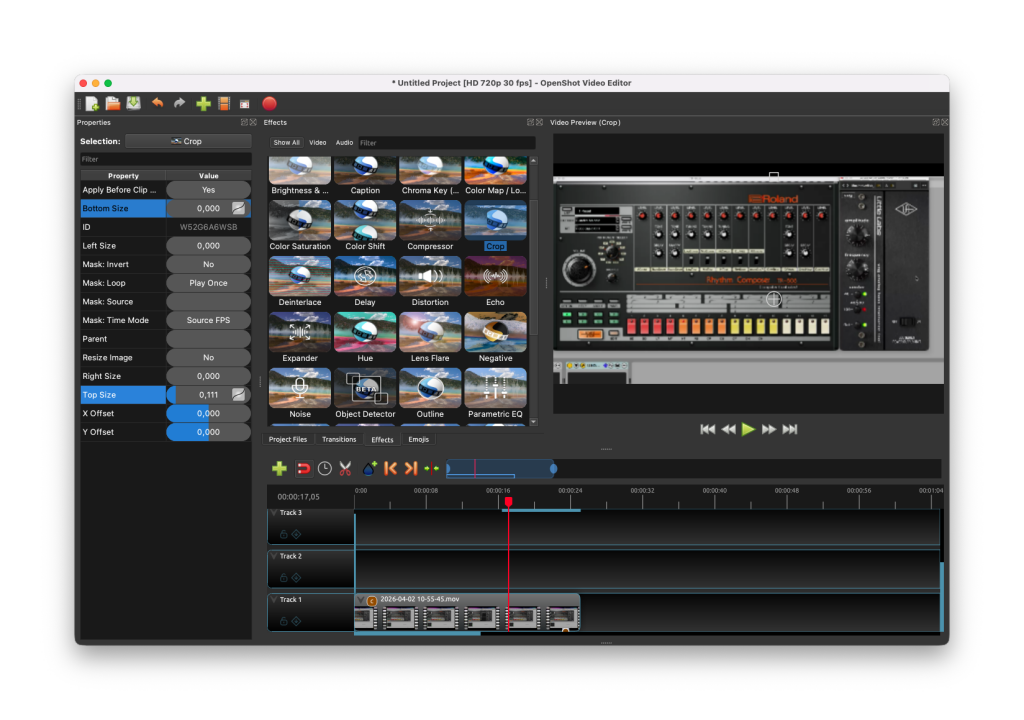
Furthermore, OpenShot’s compatibility with cloud environments, as demonstrated by its Cloud API, suggests a future where complex video rendering and processing tasks can be offloaded to powerful cloud infrastructure. This is particularly beneficial for users with limited local hardware resources or for teams collaborating on large-scale projects. The ability to run OpenShot in the cloud expands its accessibility and scalability significantly.
A Look Back and Forward
The development of OpenShot has been a marathon, not a sprint, spanning 18 years of continuous effort. Version 3.5 represents a significant milestone, building upon a history of incremental improvements and community contributions. The release is supported by a series of recent updates, including OpenShot 3.4, which focused on speed and stability, and 3.3, which introduced further feature enhancements. Each of these releases has contributed to the overall maturation and robustness of the software.
The developers’ commitment to providing a powerful, free, and open-source video editing solution is evident in the ongoing advancements. The potential for OpenShot to integrate with AI for creative effects, animation, and automation—beyond simply generating generic content—is vast. This includes possibilities for intelligent cropping, dynamic effect creation, and the development of unique visual styles through machine learning.
Technical Specifications and Developer Notes
While specific technical benchmarks for OpenShot 3.5 were not detailed in the initial announcement, the emphasis on speed and smoother performance suggests optimizations in the underlying rendering engine and memory management. The expanded animation and keyframing capabilities likely involve enhancements to the animation timeline and interpolation algorithms.
The developers have provided a list of key improvements for version 3.5, which typically include:
- Performance Enhancements: Faster startup times, quicker rendering, and improved responsiveness during playback and scrubbing.
- Stability Improvements: Reduction in crashes and bugs, leading to a more reliable editing experience.
- Enhanced Animation System: More granular control over keyframes and easing, enabling sophisticated motion graphics.
- Audio Processing Optimizations: Improved handling of audio tracks, including better synchronization and effects processing.
- New Effects and Transitions: Expansion of the visual effects library for greater creative flexibility.
- User Interface Refinements: Tweaks to the user interface for improved usability and workflow efficiency.
The integration of AI capabilities, while still an evolving area, points towards a future where OpenShot can leverage machine learning for tasks such as intelligent content analysis, automated editing suggestions, and the generation of advanced visual effects. The open-source nature of the project allows for rapid experimentation and adaptation of new AI models and techniques.
Broader Implications for the Creative Ecosystem
The continuous improvement of OpenShot, particularly with version 3.5, has significant implications for the broader creative ecosystem. It reinforces the viability of open-source alternatives in a market often dominated by proprietary software. This democratization of powerful editing tools can empower independent filmmakers, educators, students, and hobbyists who may not have the budget for commercial licenses.
Furthermore, OpenShot’s growing capabilities in areas like AI and cloud integration position it as a platform for innovation. It invites developers and researchers to build upon its foundation, fostering a collaborative environment that can lead to novel applications and workflows in video production. The ability to experiment with local AI models offers a more privacy-conscious and cost-effective alternative to cloud-based AI services.
As video content creation continues to explode across all platforms, the demand for accessible, powerful, and flexible editing tools will only increase. OpenShot 3.5 appears to be a significant step forward in meeting this demand, offering a compelling package of performance, features, and future-proofing for creators of all levels. The project’s enduring commitment to open-source principles ensures that it will remain a vital part of the digital media landscape for years to come.