Nayara Elvina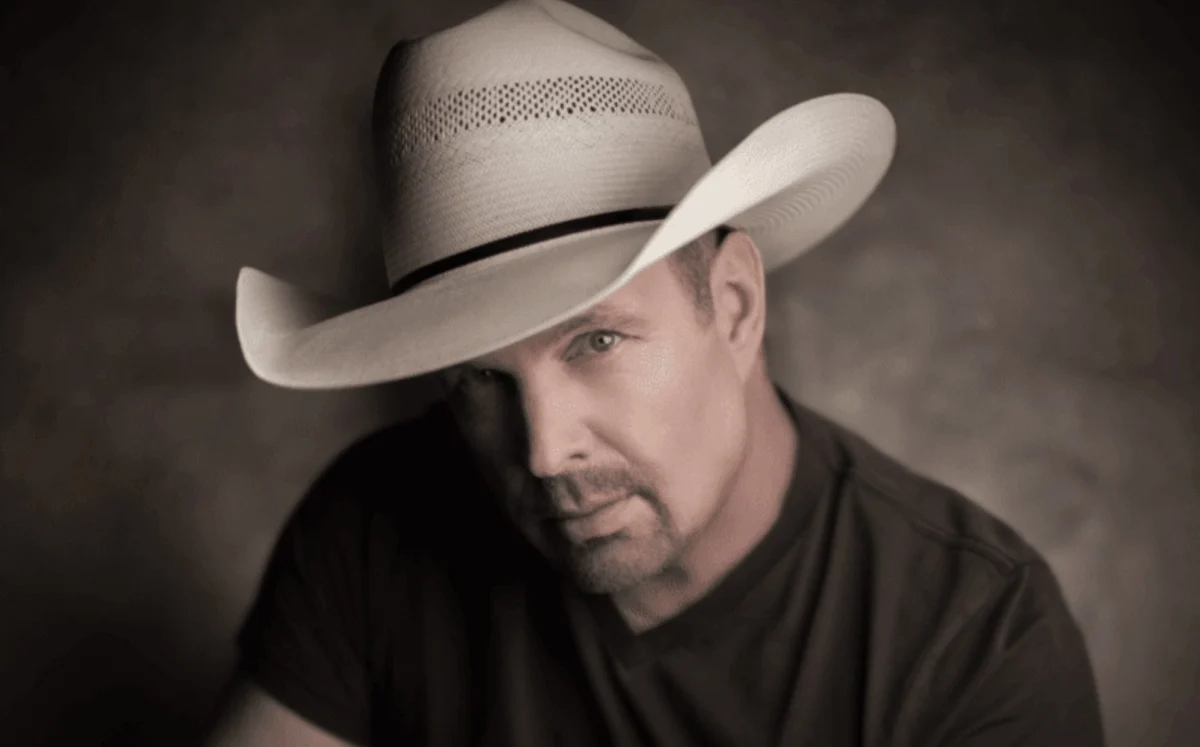
The landscape of the global music industry has undergone a radical transformation over the past two decades, transitioning from physical ownership to access-based consumption. According to recent industry reports from the Recording Industry Association of America (RIAA), streaming now accounts for approximately 84% of total recorded music revenue in the United States. Platforms such as Spotify and Apple Music have become the primary gatekeepers of cultural relevance, with Spotify alone reporting over 110 million monthly active users in the U.S. market. Crucially, nearly 90% of these users fall within the 18-to-34-year-old demographic, a group that dictates long-term trends and ensures the longevity of an artist’s catalog. Despite this overwhelming shift in consumer behavior, one of the most successful artists in history, Garth Brooks, remains a significant holdout from the world’s most popular streaming services.
Brooks, a diamond-certified artist with more than 157 million units sold, has long maintained a complex and often adversarial relationship with digital music providers. While his peers have largely embraced the "all-you-can-eat" model of Spotify and Apple Music, Brooks has restricted his digital catalog exclusively to Amazon Music. This decision, rooted in a philosophical commitment to songwriter royalties and the integrity of the album format, has created a unique case study in the tension between artist advocacy and generational visibility.
The Philosophical Foundation of the Holdout
The primary driver behind Brooks’ refusal to license his music to mainstream streaming giants is his advocacy for the financial compensation of songwriters. In various industry forums and interviews, Brooks has articulated a stance that prioritizes the traditional royalty structures of physical media over the per-stream micropayment models utilized by digital service providers (DSPs).
Under the traditional model, songwriters and publishers receive a set mechanical royalty rate for every physical CD or vinyl record sold. In contrast, streaming services pay a fraction of a cent per stream, which is then divided among the label, the artist, the publisher, and the songwriter. Brooks has argued that this model devalues the creative process. "I stick up for the songwriters because I’m one of them," Brooks has stated, emphasizing that his resistance is a matter of protecting the ecosystem that allows new writers to survive.
Furthermore, Brooks has historically been a staunch defender of the album as a cohesive work of art. Early digital storefronts like iTunes allowed consumers to purchase individual tracks, a practice Brooks resisted by refusing to sell his music on the platform unless users were required to buy full albums. His move to Amazon Music was partially motivated by the company’s willingness to respect his preference for album bundles and its dual role as a massive physical retailer.
A Chronology of Digital Experiments
Brooks’ journey through the digital age has been marked by several attempts to control how his music is consumed online.
- The iTunes Era (2000s): During the height of the digital download revolution, Brooks remained absent from the iTunes Store. He cited Steve Jobs’ refusal to allow artists to disable the "unbundling" of albums as the primary reason for his exclusion.
- The Launch of GhostTunes (2014): In an effort to create a platform that balanced artist needs with digital convenience, Brooks launched GhostTunes. The service was designed to allow artists to sell music in any format they chose—singles, albums, or bundles—while ensuring higher royalty payouts. Despite the initial fanfare, GhostTunes struggled to compete with the user experience and massive libraries of established platforms.
- The Amazon Partnership (2016): Following the closure of GhostTunes, Brooks announced an exclusive streaming deal with Amazon Music. This partnership allowed his music to be streamed for the first time, but only within the Amazon ecosystem.
- The Persistence of the Box Set: Throughout the 2010s and 2020s, Brooks has continued to rely heavily on physical media, frequently releasing massive multi-disc box sets at discounted prices through retailers like Walmart. This strategy has allowed him to maintain high RIAA certification numbers despite the industry’s digital pivot.
Comparative Market Share and Demographic Reach
The decision to remain exclusive to Amazon Music carries significant implications regarding audience reach. While Amazon Music is a major player, it consistently ranks behind Spotify and Apple Music in terms of global and domestic market share. Industry data suggests that Spotify controls approximately 31% of the global streaming market, followed by Apple Music at 15%. Amazon Music holds roughly 11% to 13%, with a significant portion of its user base consisting of Amazon Prime members who utilize the service as a bundled benefit rather than a primary music discovery tool.
The demographic disparity is even more pronounced. Spotify and Apple Music are the dominant platforms for listeners under the age of 25. For this cohort, if an artist is not on their preferred platform, that artist effectively does not exist within their daily listening habits. Market research indicates that Gen Z and younger Millennials rely heavily on algorithmic playlists—such as Spotify’s "Discover Weekly"—to find new music. By remaining absent from these ecosystems, Brooks’ catalog is excluded from the automated discovery engines that fuel the "revival" of older hits among younger listeners.
Precedents: The Return of the Holdouts
Brooks is not the first high-profile artist to challenge the streaming model. However, he is one of the few who has not eventually returned to the fold.
- Taylor Swift: In 2014, Swift famously removed her entire catalog from Spotify, citing the platform’s "freemium" tier as a devaluation of music. She returned to all streaming services in 2017, acknowledging that the platform had become the primary way fans consumed music.
- The Beatles: The legendary band’s catalog was unavailable on iTunes until 2010 and did not arrive on streaming services until December 2015. Their arrival on streaming led to a massive surge in play counts among younger demographics who had previously only heard the band through terrestrial radio or their parents’ collections.
- Prince: An outspoken critic of digital exploitation, Prince removed his music from most services in 2015, favoring Tidal. Following his death in 2016, his estate eventually licensed his catalog to all major platforms to ensure his musical legacy remained accessible.
The Legacy Risk: A Generational Fading
The most significant impact of Brooks’ digital strategy may be the gradual erosion of his cultural footprint among younger generations. In Nashville, the epicenter of country music, recent anecdotal surveys and market observations have noted a growing "recognition gap." While Brooks’ 1990 hit "Friends in Low Places" remains a staple of American culture, many listeners in the 18-to-24 age bracket struggle to identify other major hits such as "The Dance," "Unanswered Prayers," or "The Thunder Rolls."
The decline of physical media has exacerbated this issue. Most modern vehicles are no longer equipped with CD players, and many Gen Z households do not own a dedicated disc player. Consequently, the "box set" strategy, which served Brooks well in the early 2000s, faces a diminishing return in a world where hardware for physical playback is becoming obsolete.
Music historians and industry analysts suggest that "legacy" is maintained through constant availability. When an artist’s music is not integrated into the social media trends of platforms like TikTok or the curated playlists of Spotify, they miss out on "viral" moments that can introduce their work to millions of new listeners.
Official Stance and Economic Logic
From a purely financial standpoint, Brooks’ strategy has not been a failure. By leveraging exclusive deals and massive physical sales through big-box retailers, he has maintained a level of independent control that few artists achieve. His partnership with Amazon likely involved a significant upfront licensing fee that offsets the potential loss of per-stream revenue from other platforms.
Furthermore, Brooks’ focus on his live performances remains his strongest asset. His stadium tours consistently sell out, proving that his core fanbase—largely comprised of Gen X and Boomers—is willing to follow him across platforms or purchase physical media to maintain their connection to his work.
However, the question remains whether this model is sustainable for the preservation of his influence. While his current earnings may be secure, the "discovery" phase of his career has effectively ended for a large segment of the population.
Broader Implications for the Industry
The Garth Brooks case highlights the ongoing debate over the "value" of music in the digital age. It serves as a reminder that while streaming offers unprecedented convenience, it does not satisfy all artists’ requirements for equity and artistic control. However, Brooks’ isolation also demonstrates the power of the platform over the individual creator. In 2024, the platform’s ability to curate culture often outweighs the artist’s ability to command attention through traditional means.
As the industry continues to evolve, the gap between Brooks’ traditionalist approach and the digital-first reality of the modern listener will likely widen. Unless a shift occurs in how his catalog is distributed, the industry may witness the unprecedented phenomenon of a record-breaking, era-defining superstar becoming a "lost" legend to the generations that follow. Brooks’ stand for songwriters is a principled one, but the cost of that principle may be his permanent absence from the digital ears of the future.