Nayara Elvina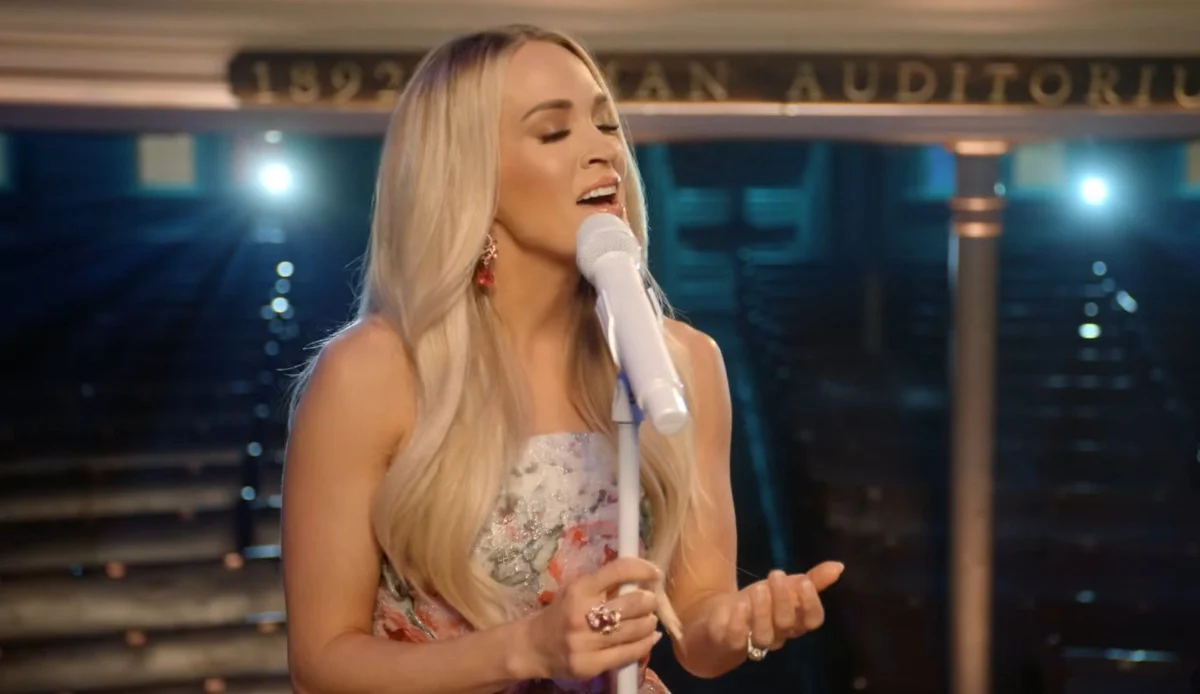
The historical synergy between country music and gospel traditions represents one of the most enduring dualities in American musicology. For decades, the boundaries between the secular and the sacred in the Nashville-centric music industry have remained porous, with artists frequently oscillating between honky-tonk narratives and traditional hymns. This cultural overlap is particularly pronounced during the Easter season, a period when the industry often sees a resurgence in the consumption of spiritual content. The tradition of country artists recording gospel albums is not merely a modern commercial trend but a foundational element of the genre, rooted in the rural church backgrounds of its most influential pioneers.
The Historical Foundation of Country Gospel
The integration of religious themes into country music can be traced back to the early 20th century, with the Carter Family and Jimmie Rodgers frequently incorporating spirituals into their repertoires. However, it was Hank Williams who solidified the "country gospel" sub-genre in the post-war era. His 1948 release, "I Saw The Light," serves as a definitive case study in this evolution. According to historical accounts, Williams was inspired to write the song while returning from a performance; his mother, observing the lights of the Montgomery, Alabama, airport, remarked, "I just saw the light," sparking the lyrical concept.
Although the song did not achieve immediate commercial dominance upon its release by MGM Records, it eventually achieved the status of a standard within both the country and gospel communities. This trajectory established a precedent for country artists: the ability to address themes of redemption and faith as a means of connecting with a demographic that viewed the church as a central pillar of community life. This historical context provides the framework through which modern artists like Carrie Underwood and Tyler Childers continue to operate, utilizing the "Sunday morning" sound to balance the "Saturday night" themes of traditional country music.
The Modern Resurgence and Commercial Viability
In the 21st century, the commercial viability of country gospel has been reinforced by several high-profile releases that have dominated both the Billboard Country and Christian charts. Carrie Underwood’s 2021 album, My Savior, serves as a primary example of this modern success. The project, which features traditional hymns such as "How Great Thou Art" and "Amazing Grace," debuted at number one on both the Billboard Gospel and Christian charts and number four on the Billboard 200. Underwood’s live performance of "How Great Thou Art" has been cited by critics as a masterclass in vocal precision, further bridging the gap between mainstream pop-country and traditional worship music.
Similarly, Reba McEntire’s My Chains Are Gone, released in 2022, demonstrated the continued demand for veteran country voices in the spiritual space. The album focused on standard hymns but incorporated modern production techniques, allowing the material to resonate with contemporary audiences while maintaining the "classic" feel expected of a Country Music Hall of Fame inductee. These projects are often strategically released during the Lenten or Easter seasons to maximize cultural relevance and consumer engagement.
Chronology of Influence: From Johnny Cash to Tyler Childers
The evolution of country gospel can be viewed through a chronological lens of key releases that have defined the genre’s spiritual output.
- 1948 – Hank Williams, "I Saw The Light": Established the template for the conversion narrative in country music.
- 1999 – Dolly Parton, Precious Memories: Parton, whose career has been inextricably linked to her East Tennessee Pentecostal roots, released this 36th studio album to highlight the Appalachian influence on hymnody. Her rendition of "Power In The Blood" remains a notable example of the "Smoky Mountain" gospel sound.
- 2003 – Johnny Cash, Unearthed: Released posthumously, this box set included "In The Sweet Bye And Bye." Cash’s career was marked by a public struggle between his faith and his personal demons, a narrative that resonated deeply with fans and added a layer of perceived authenticity to his gospel recordings.
- 2006 – Alan Jackson, Precious Memories: Jackson’s thirteenth studio album was a massive commercial success, certified Platinum by the RIAA. His version of "The Old Rugged Cross" highlighted a minimalist, traditionalist approach that appealed to older demographics and traditionalists.
- 2021-2022 – The New Traditionalist Wave: Artists like Brent Cobb and Tyler Childers shifted the focus back to roots-heavy, soulful gospel. Cobb’s And Now Let’s Turn to Page… and Childers’ Can I Take My Hounds to Heaven? utilized vintage recording techniques to replicate the atmosphere of rural Southern churches.
Childers’ 2022 project was particularly innovative, featuring three different versions (Hallelujah, Jubilee, and Joyful Noise) of eight gospel tracks. This approach allowed the artist to explore the theological and musical diversity within the genre, from traditional bluegrass gospel to experimental, percussion-heavy arrangements.
The Strategic Inclusion of Faith in Modern Discography
For many contemporary country stars, the inclusion of gospel music is a deliberate career choice that reflects both personal conviction and brand alignment. Cody Johnson, for instance, has integrated a spiritual track into nearly every major album release. His 2022 song "By Your Grace," penned by Travis Meadows and Tony Lane, addresses themes of humility and divine intervention. This practice serves to humanize the artist, presenting a "Human" (the title of his 2022 record) element that aligns with the core values of the country music audience.
Furthermore, the industry is witnessing an unprecedented level of collaboration between Christian Contemporary Music (CCM) artists and country stars. Brandon Lake, a prominent figure in the CCM world, has recently collaborated with Lainey Wilson, Jelly Roll, and Bailey Zimmerman. These partnerships indicate a shifting market where the boundaries between "Christian music" and "Country music" are increasingly blurred. This crossover is driven by shared demographics; data from consumer research groups often shows a high degree of overlap between listeners of country radio and listeners of contemporary Christian stations.
Statistical Analysis and Industry Impact
The impact of gospel music on the country industry can be measured through chart performance and streaming data. According to industry reports, gospel-themed albums by country artists tend to have longer "shelf lives" than standard studio albums. While a traditional country album may see a sharp decline in sales after the initial promotional cycle, gospel albums like Alan Jackson’s Precious Memories continue to sell and stream consistently for years, particularly during religious holidays.
The RIAA certifications for these projects often outperform secular albums from the same period. This suggests that for the country music consumer, a gospel album is viewed as a "standard" or a "utility" purchase—something to be played in family settings, during Sunday gatherings, or as a source of personal encouragement. This perennial demand provides a safety net for artists, allowing them to explore creative spiritual projects with a guaranteed baseline of commercial interest.
Broader Cultural Implications and the Future of the Genre
The enduring popularity of country gospel speaks to a broader cultural desire for authenticity and tradition in an increasingly digital and fast-paced world. The music often employs acoustic instrumentation—fiddles, mandolins, and steel guitars—that evokes a sense of nostalgia. For many listeners, these songs are not just religious expressions but are tied to ancestral identity and regional pride.
As the country music landscape continues to diversify, the role of gospel is expected to evolve. While traditional hymns will likely always have a place, the emergence of "Outlaw Gospel" and "Americana Gospel" suggests that the genre is expanding to include more complex, often gritty explorations of faith. Artists like Brent Cobb and Tyler Childers are leading this charge, proving that gospel music can be both sonically adventurous and deeply rooted in tradition.
In conclusion, the intersection of country and gospel remains a vital artery of the American music industry. From the early recordings of Hank Williams to the chart-topping success of Carrie Underwood, the genre provides a unique space where the spiritual and the temporal meet. As the industry moves forward, the "country gospel" tradition will likely continue to serve as a bridge between the past and the present, offering a familiar soundtrack of hope and reflection for audiences across the globe, particularly during the significant observance of the Easter holiday.