Indra Aziz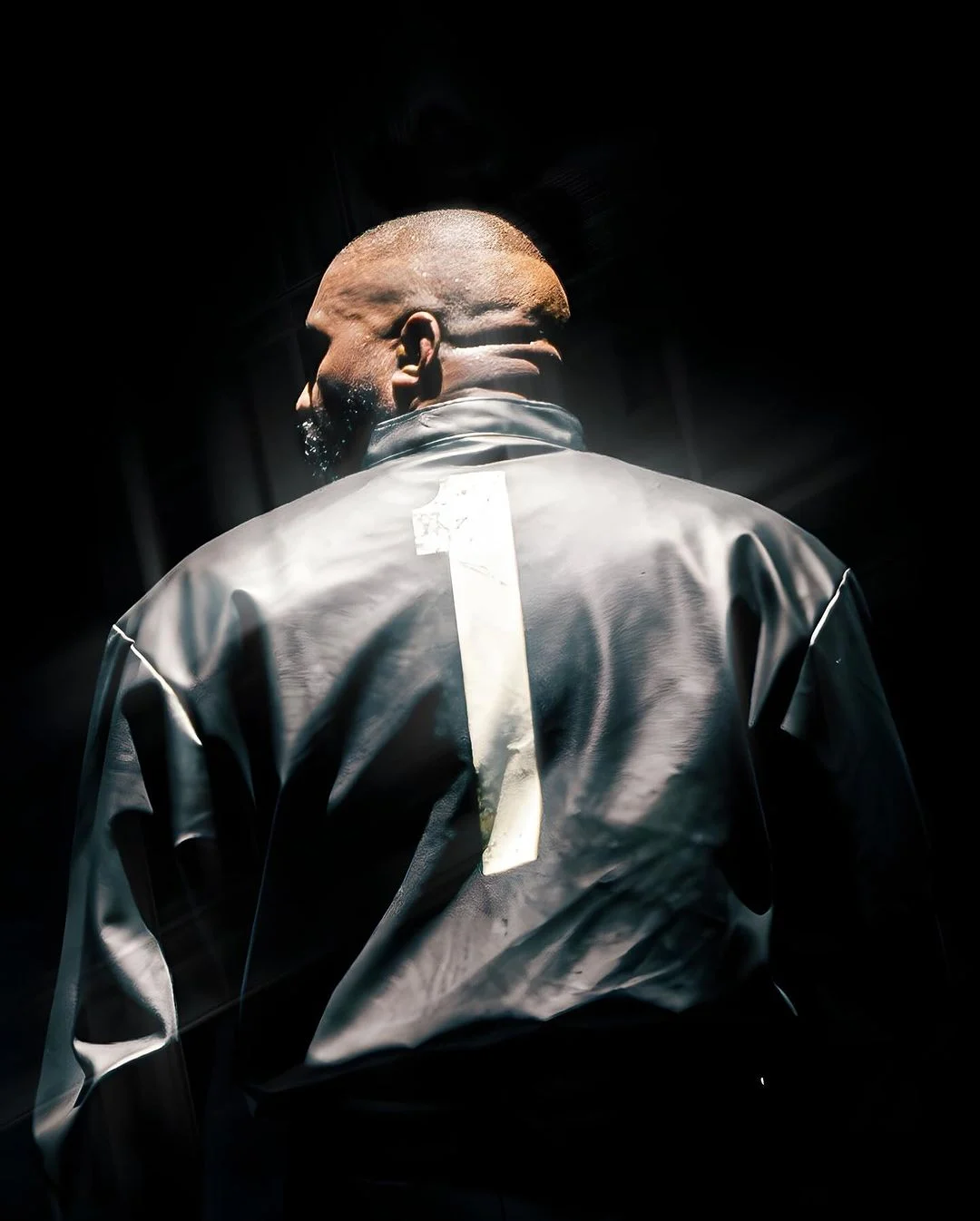
Melvin Benn, the Managing Director of Festival Republic, has publicly appealed for a spirit of "forgiveness" towards the artist formerly known as Kanye West, now performing as YE, in the wake of his controversial headline booking for this year’s Wireless Festival. The announcement has ignited a firestorm of criticism, leading to significant backlash from brands, political figures, and the public alike. YE is slated to headline all three nights of the festival, which is scheduled to take place in Finsbury Park, London.
A History of Controversy and the Wireless Booking
The decision to feature YE at Wireless Festival comes after a well-documented period of deeply offensive and antisemitic remarks made by the artist. These include the dissemination of merchandise featuring swastikas, the release of a song titled "Heil Hitler," and explicit statements like "going death con 3 on Jewish people." These pronouncements, among others, have alienated a significant portion of the public and led to widespread condemnation.
Prior to this announcement, YE had himself issued an apology earlier in the year, attributing his erratic and offensive behavior to severe side effects from bipolar disorder. He subsequently released a new studio album, "Bully," and has made a return to public performances. However, the Wireless booking has amplified existing concerns and brought renewed scrutiny to the artist’s public persona and the platforms he is afforded.
Widespread Corporate and Political Fallout
The controversy surrounding YE’s headline slot has already triggered a substantial corporate exodus from Wireless Festival. Major brands, including Pepsi, Diageo Brands, and Rockstar, have announced their withdrawal of sponsorship. PayPal has requested the removal of its logo from all festival communications, signaling a clear distancing from the event.
The political condemnation has been equally significant. Prime Minister Sir Keir Starmer has been a vocal critic of the booking, adding a high-profile political dimension to the ongoing debate. This political pressure underscores the gravity with which YE’s past statements are viewed by national leaders.
Melvin Benn’s Defense: A Plea for Forgiveness and Second Chances
In a comprehensive statement released to address the escalating criticism, Melvin Benn articulated his rationale for proceeding with the booking, emphasizing his personal commitment to anti-fascism and his belief in the power of forgiveness. Benn began by firmly stating his lifelong opposition to fascism. He highlighted his personal history, including living on a kibbutz in the 1970s that was later attacked, and declared his unequivocal support for Jewish people and the State of Israel, while also affirming his commitment to a Palestinian state.
Benn drew a parallel between his personal experiences with individuals suffering from mental illness and the situation with YE. He explained that he has witnessed "many episodes of despicable behaviour" from someone close to him, which he has had to forgive and move past. This personal journey, he stated, has instilled in him a philosophy of forgiveness and hope, which he extends to his professional life, including festival programming.
Addressing YE’s past antisemitic remarks directly, Benn acknowledged that these statements are "abhorrent" to him, as they are to the Jewish community, the Prime Minister, and other critics. However, he indicated that he is choosing to believe YE’s own stated desire for forgiveness and his explanation of his behavior being linked to mental health struggles.
Benn further argued that YE’s music is widely available and consumed in the UK through commercial radio, streaming platforms, and digital downloads, often without significant public commentary or vitriol. He asserted that YE has a legal right to enter and perform in the country. Benn clarified that Festival Republic is not providing a platform for YE to "extol opinions of whatever nature," but rather to perform his music. He stressed that the songs are currently played on mainstream radio and enjoyed by millions, implying a distinction between artistic performance and the endorsement of harmful ideologies.
The Festival Republic MD concluded his statement with a broader reflection on societal attitudes. He expressed concern that "forgiveness and giving people a second chance are becoming a lost virtue in this ever-increasing divisive world." He urged critics to reflect on their immediate reactions of disgust and to consider offering YE "some forgiveness and hope," mirroring his own decision.
Historical Context and the Evolving Landscape of Music Festivals
The controversy surrounding YE’s booking at Wireless Festival is emblematic of a broader societal debate regarding the responsibility of event organizers in the face of artists with problematic histories. Music festivals, as cultural institutions, often grapple with balancing artistic freedom, commercial interests, and ethical considerations.
Historically, artists with controversial pasts have faced varying degrees of backlash and, in some instances, have been de-platformed. However, the scale and nature of YE’s transgressions, particularly his antisemitic rhetoric, place this situation in a distinct category. The widespread corporate withdrawal suggests a low tolerance for association with such sentiments in the current commercial climate.
The timing of the Wireless Festival also adds a layer of complexity. Coming after a period of heightened global awareness of antisemitism and hate speech, YE’s booking appears particularly ill-timed to many observers. The festival’s organizers are now under immense pressure to justify their decision and mitigate the reputational damage.
Analyzing the Implications: A Tightrope Walk for Festival Republic
Festival Republic, under Melvin Benn’s leadership, appears to be attempting a delicate balancing act. On one hand, they are likely motivated by the commercial appeal and established fan base of an artist of YE’s stature, recognizing the potential draw for ticket sales and overall festival success. On the other hand, they are facing significant reputational risk and the tangible consequences of severed corporate partnerships.
Benn’s plea for forgiveness can be interpreted as an attempt to frame the situation through a lens of redemption and mental health advocacy, a narrative that YE himself has partially adopted. This approach seeks to humanize the artist and encourage a compassionate response, even in the face of deeply offensive actions.
However, this strategy carries substantial risks. Critics argue that by providing a major platform to YE, Festival Republic is inadvertently validating or normalizing his past statements, regardless of intent. The argument against this perspective is that YE’s music is already widely consumed, and his legal right to perform should not be arbitrarily revoked.
The long-term implications for Wireless Festival and Festival Republic remain to be seen. The event’s success will likely be judged not only on attendance and revenue but also on how effectively it navigates the ethical minefield it currently occupies. The ongoing debate highlights the evolving expectations placed upon major cultural events to reflect and uphold societal values, even when faced with challenging artistic choices. The public’s reaction to Benn’s plea for forgiveness will be a crucial indicator of whether this approach resonates or further exacerbates the controversy.