Reynand Wu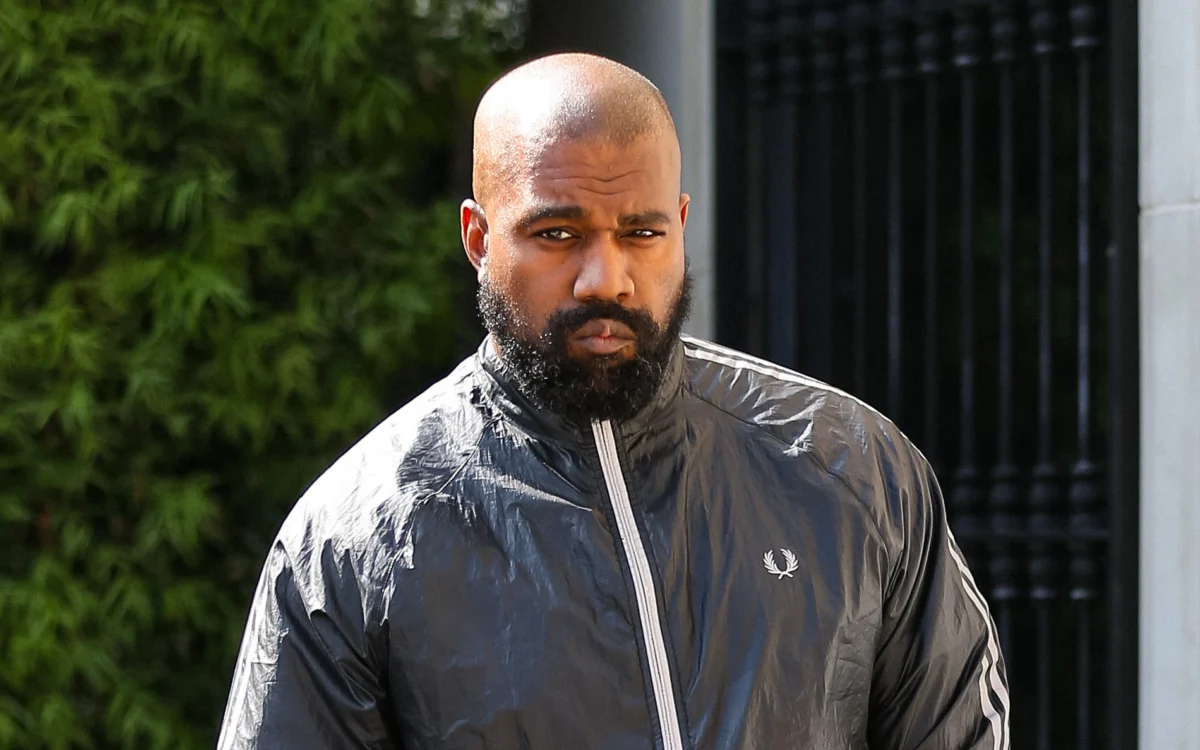
Wireless Festival, one of the United Kingdom’s premier rap and R&B music events, has been abruptly cancelled following the UK Home Office’s decision to deny entry to its sole headliner, American artist Kanye West, also known as Ye. The cancellation, announced on Tuesday, April 7, sent immediate shockwaves through the music industry and among tens of thousands of ticket holders, who have been promised automatic full refunds. The festival’s organisers stated unequivocally that the Home Office’s ban on Ye entering the United Kingdom left them with no alternative but to call off the highly anticipated event.
The decision to ban Ye from entering the UK stems from the Home Office’s determination that his presence would not be "conducive to the public good," a stringent clause within UK immigration law often invoked in cases where an individual’s past actions or statements are deemed harmful to public interest, safety, or social cohesion. This move followed a period of intense public and political pressure, significant corporate withdrawals, and widespread condemnation of the artist’s recent antisemitic and pro-Nazi comments.
The Genesis of Controversy: Kanye West’s Recent History
The controversy surrounding Kanye West’s booking as Wireless Festival’s headliner did not emerge in a vacuum. Over the past few years, the multi-Grammy award-winning artist has drawn severe criticism for a series of public statements and actions widely condemned as antisemitic and supportive of Nazi ideology. These incidents include, but are not limited to, social media posts threatening "death con 3 on Jewish people," comments praising Adolf Hitler during an interview, and the promotion of conspiracy theories involving Jewish people controlling media and finance.
These remarks led to a cascade of professional repercussions for Ye. Major brands, including Adidas, Gap, and Balenciaga, severed their lucrative partnerships with the artist, leading to significant financial losses and a dramatic downturn in his public image and commercial viability. Talent agencies, public relations firms, and even his former legal representation distanced themselves. This backdrop of global condemnation made his selection as a headliner for a major UK festival particularly contentious, igniting a fierce debate about accountability, freedom of speech, and the responsibility of cultural institutions.
Mounting Pressure and Corporate Exodus
The announcement of Ye’s headlining slot at Wireless Festival, scheduled for July 10, 11, and 12, immediately triggered a fierce backlash. Campaign groups, notably those dedicated to combating antisemitism, voiced strong objections, arguing that offering such a prominent platform to an individual with a history of hate speech was irresponsible and harmful. The Campaign Against Antisemitism, for instance, had been vocal in its opposition, highlighting the potential for the festival to be perceived as legitimising or normalising Ye’s views.
This public outcry quickly translated into tangible consequences as major corporate sponsors began to withdraw their support. Brands like Pepsi, PayPal, and Diageo, all significant players in event sponsorship, pulled out of their agreements with Wireless Festival in the days leading up to the ban. For these multinational corporations, association with a figure embroiled in such intense controversy posed an unacceptable risk to their brand reputation and corporate social responsibility commitments. The loss of these key sponsors not only represented a substantial financial blow but also signalled a broader erosion of confidence in the festival’s decision-making.
The pressure extended into the political sphere. Sir Keir Starmer, the leader of the Labour Party and Prime Minister, publicly weighed in, describing the festival’s decision to book Ye as "deeply concerning." Such high-level political intervention underscored the seriousness with which the controversy was being viewed within the UK, moving beyond mere cultural critique to a matter of public concern and national values.
The Home Office’s Intervention: "Not Conducive to the Public Good"
The turning point arrived when Kanye West formally applied for an Electronic Travel Authorisation (ETA) to travel to the UK on Monday, April 6. The ETA is a new digital permission to travel for visa-exempt nationalities, similar to the ESTA in the US, and requires applicants to meet certain eligibility criteria. The UK Home Office, responsible for immigration and border control, swiftly rejected his application.
The grounds for refusal were explicitly stated: his presence in the country would not be "conducive to the public good." This clause, enshrined in the UK Immigration Act, grants the Home Secretary broad powers to refuse entry to individuals whose presence is deemed undesirable. This can encompass a wide range of reasons, including criminal records, national security concerns, or, as in this case, a history of promoting hatred or division. While the Home Office does not typically comment on individual cases, the public nature of Ye’s controversies and the widespread debate surrounding his potential visit made the application of this clause particularly pertinent. The decision aligns with the UK’s stance against hate speech and its commitment to preventing individuals who promote such rhetoric from gaining a platform within the country.
Kanye West’s Attempt at Reconciliation
Earlier on the day of the ban and cancellation, anticipating or perhaps responding to the escalating backlash, Kanye West issued a statement addressing the controversy. He pledged that his "only goal is to present a show of change" and to "bring unity, peace and love through my music." In a notable gesture, he also offered to meet with "members of the Jewish community in the UK in person, to listen," indicating an awareness of the depth of the hurt his previous statements had caused.
The Board of Deputies of British Jews, a leading voice for the Jewish community in the UK, responded to Ye’s overture. While expressing a willingness to meet as "part of his journey of healing," they made their condition clear: such a meeting could only occur "after he agrees not to play the Wireless Festival this year." This conditional acceptance highlighted the community’s primary concern that any dialogue or perceived reconciliation should not be exploited to facilitate his controversial performance. The Home Office’s subsequent ban effectively rendered this condition moot.
Festival Republic’s Initial Defence and the "Music vs. Artist" Debate
Prior to the Home Office’s decisive intervention, Melvin Benn, the managing director of Festival Republic, the company behind Wireless Festival, had publicly defended the decision to book Ye. Benn acknowledged the abhorrence of Ye’s past comments regarding Jews and Hitler, stating, "What Ye has said in the past about Jews and Hitler is as abhorrent to me."
However, Benn’s defense rested on a distinction between the artist’s personal views and his musical output. He argued that Ye’s music is widely played on commercial radio and available on streaming platforms in the UK without significant public outcry. "We are not giving him a platform to extol opinion of whatever nature, only to perform the songs that are currently played on the radio stations in our country and the streaming platforms in our country and listened to and enjoyed by millions," Benn asserted.
Furthermore, Benn invoked the concept of "forgiveness and giving people a second chance," suggesting these virtues were becoming lost in an increasingly divisive world. He urged the public to "reflect on their instant comments of disgust… and offer some forgiveness and hope to him as I have decided to do." This position highlighted a long-standing debate within the entertainment industry about separating the art from the artist, and the extent to which past transgressions should permanently disqualify an individual from professional opportunities. However, the scale and nature of Ye’s controversial remarks, particularly their intersection with historical atrocities and contemporary hate speech, made this distinction increasingly difficult for many to accept.
Broader Implications for the Music Industry and Event Organisers
The cancellation of Wireless Festival due to a headliner’s visa denial carries significant implications for the global music industry, event organisers, and artist booking practices. For Festival Republic and other promoters, it underscores the heightened scrutiny placed on artists with controversial pasts, particularly in an era of rapid information dissemination and powerful social media movements. The financial and logistical fallout of cancelling a major festival just months before its scheduled date is immense, involving not only the refund of potentially hundreds of thousands of tickets but also losses from vendor contracts, infrastructure investments, marketing campaigns, and staff wages. While the exact financial figures are yet to be disclosed, the economic impact on London’s summer event calendar and the wider cultural sector will be substantial.
This incident also reignites discussions about the responsibility of festival organisers in vetting performers and anticipating public and political reactions. It highlights the delicate balance between artistic freedom and the imperative to uphold social values and prevent the normalisation of hate speech. Promoters may now face increased pressure to include ‘morality clauses’ in artist contracts or conduct more rigorous background checks, particularly for international acts whose past conduct in other jurisdictions might impact their entry into host countries.
The case also serves as a stark reminder of the UK Home Office’s power to intervene in cultural events based on its assessment of public good, setting a precedent that could influence future decisions regarding other controversial public figures seeking entry.
Contrast with International Reception
Interestingly, Kanye West has faced a different reception on home soil in the United States. Recently, he performed two sold-out shows at Los Angeles’ SoFi Stadium in support of his new album, Bully. These concerts featured a lineup of special guests, including Lauryn Hill, Travis Scott, and Don Toliver, drawing large crowds without encountering similar levels of public or political backlash, nor any government intervention. This contrast underscores the varying cultural, political, and legal landscapes that artists navigate globally, and how different nations and audiences draw lines regarding acceptable conduct and public platforms.
The Wireless Festival cancellation is a multi-faceted event, illustrating the complex interplay of artistic expression, corporate responsibility, government policy, and public opinion in the contemporary world. It marks a significant moment for the UK festival scene and a powerful statement on the limits of tolerance for hate speech, even within the realm of entertainment.