Lana Akmaluna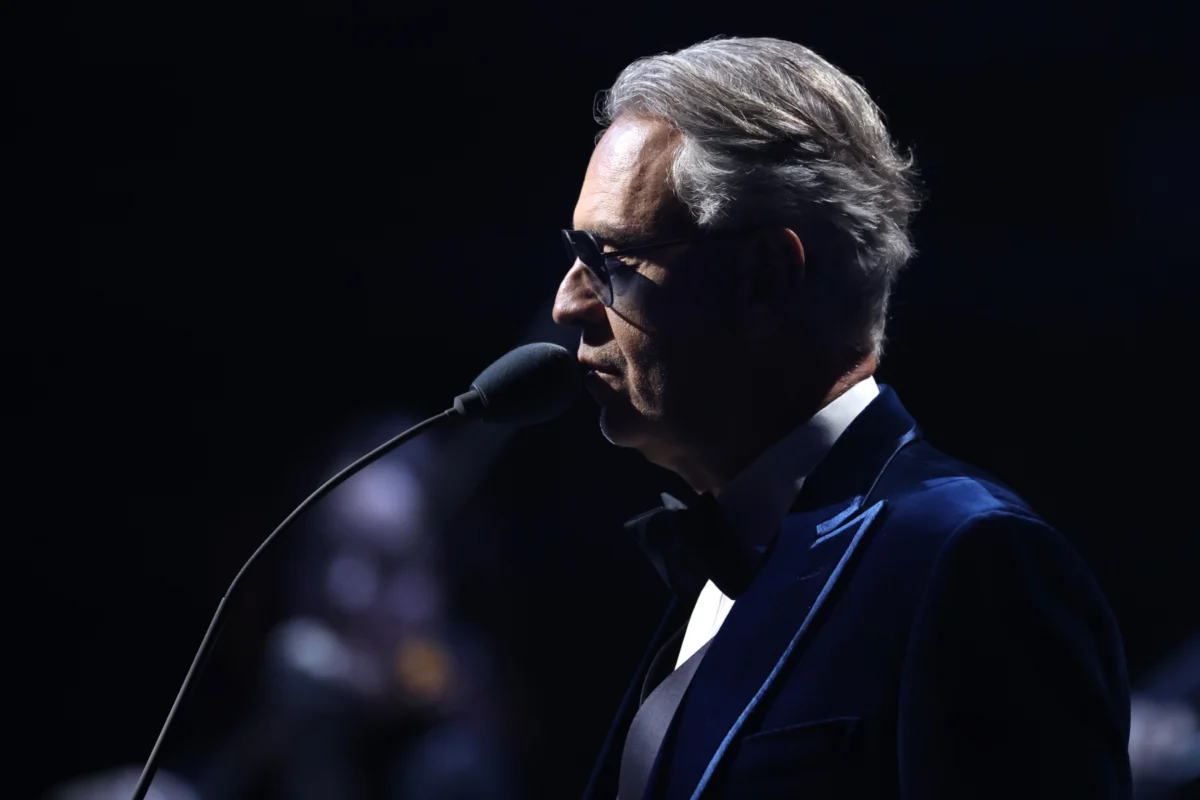
The government of Mexico City, in partnership with financial institution Banco Plata, has officially announced that world-renowned Italian tenor Andrea Bocelli will perform a historic free concert at the Plaza de la Constitución, popularly known as the Zócalo, on April 18. This performance marks a significant cultural milestone for the Mexican capital, as Bocelli will be joined by the legendary Mexican cumbia ensemble Los Ángeles Azules and the acclaimed singer-songwriter Ximena Sariñana. The event is designed to celebrate the 30th anniversary of Bocelli’s seminal album, Romanza, while further cementing Mexico City’s reputation as a premier global destination for large-scale, accessible cultural events.
The announcement, which was released via social media on the evening of Tuesday, April 7, has sparked widespread excitement across the region. Banco Plata, the primary corporate organizer alongside the city’s administrative leadership, highlighted the unique nature of the musical collaboration. In a statement posted to their official channels, the bank posed a rhetorical question to the public: “Can you imagine that fusion? Neither can we, but we can’t wait to hear how it sounds.” The blending of Bocelli’s operatic pop and classical crossover style with the rhythmic, grassroots energy of Mexican cumbia represents an unprecedented stylistic intersection for the Zócalo stage.
A Celebration of Romanza and Musical Legacy
Central to the evening’s program is the celebration of Romanza, the 1997 compilation album that catapulted Andrea Bocelli to international superstardom. Romanza remains one of the best-selling albums of all time in the classical crossover genre, featuring timeless tracks such as "Con te partirò" (Time to Say Goodbye) and "Vivere." By bringing this repertoire to the heart of Mexico City, Bocelli is expected to draw a multi-generational audience, ranging from long-time aficionados of classical music to younger listeners familiar with his more recent contemporary collaborations.
Bocelli’s appearance in Mexico City follows a period of high-profile international engagements, including his performance at the FIFA World Cup 2026 Official Draw held at the John F. Kennedy Center for the Performing Arts in December 2025. His return to Mexico underscores the country’s importance in the global touring circuit. For the 30th-anniversary celebration of Romanza, the tenor is expected to utilize a full orchestral backing, which will then transition into the collaborative segments featuring his Mexican guests.
The Cultural Significance of the Zócalo
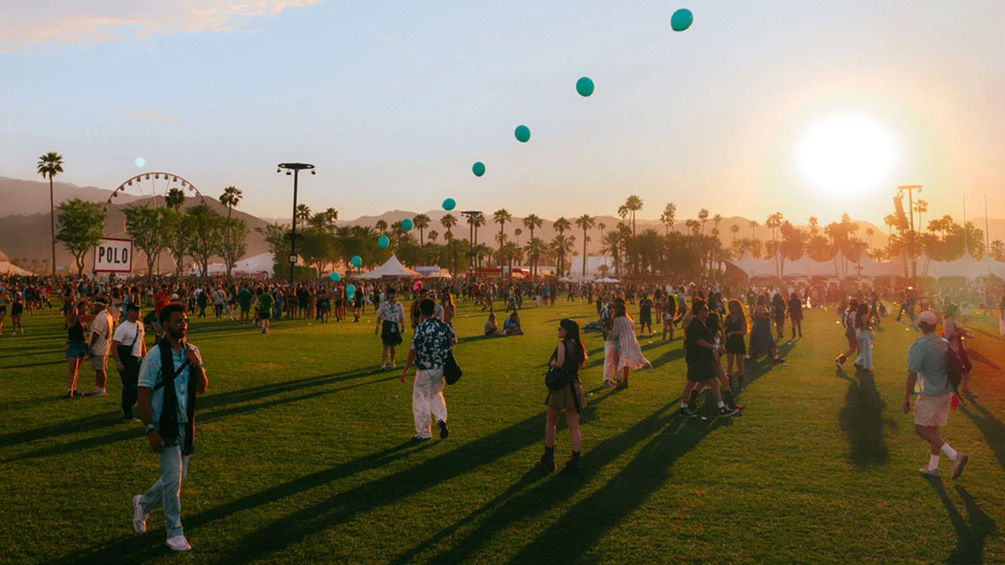
The Zócalo, or Plaza de la Constitución, is far more than a simple public square; it is the symbolic and political heart of the Mexican Republic. As the second-largest public square in the world—surpassed only by Beijing’s Tiananmen Square—the Zócalo has served as the site of Aztec ceremonies, Spanish colonial proclamations, and modern-day political demonstrations. In the last three decades, it has also evolved into one of the world’s most prestigious "open-air theaters," where the city government hosts free concerts to ensure that high-quality arts and entertainment are accessible to all citizens, regardless of socioeconomic status.
Clara Brugada, the Head of Government for Mexico City, emphasized the symbolic weight of Bocelli’s upcoming performance. In a public statement, Brugada noted that the event would be "a magical evening that reaffirms Mexico City as the cultural capital of the world." This initiative aligns with the city’s long-standing policy of utilizing the Zócalo to foster social cohesion and promote tourism through massive, free-to-the-public cultural gatherings.
Strategic Collaborations: Cumbia Meets the Classics
The inclusion of Los Ángeles Azules and Ximena Sariñana is a strategic move that bridges the gap between European classical traditions and Mexican popular music. Los Ángeles Azules, hailing from the Iztapalapa borough of Mexico City, are pioneers of the "Cumbia Sinfónica" movement, having previously performed their hits alongside full orchestras. Their presence ensures that the concert will maintain a distinctly Mexican identity, likely culminating in a collaborative finale that blends Bocelli’s powerful tenor with the rhythmic accordion and brass of traditional cumbia.
Ximena Sariñana, a Grammy and Latin Grammy-nominated artist, brings an indie-pop and jazz-influenced sensibility to the lineup. Known for her versatile vocals and sophisticated songwriting, Sariñana’s participation adds a layer of contemporary Mexican artistry to the program. The fusion of these three distinct acts—an Italian tenor, a cumbia powerhouse, and a modern pop icon—is expected to create a unique sonic experience that reflects the cosmopolitan nature of 21st-century Mexico City.
Historical Context and Attendance Records
The tradition of massive free concerts in the Zócalo began in earnest in the late 1990s. One of the earliest major milestones was a 1999 performance by the norteño legends Los Tigres del Norte, which set the precedent for high-attendance musical events in the square. Over the following decades, the venue has hosted a "who’s who" of global music icons, including Paul McCartney, Roger Waters, Justin Bieber, and Shakira.
In recent years, attendance figures have reached staggering heights, reflecting the growing logistical capability of the city to manage crowds of hundreds of thousands. The current record for attendance at a Zócalo concert was set recently on March 1, 2025, when Colombian superstar Shakira drew an estimated 400,000 people to the square and its surrounding streets. This shattered the previous record held by the Argentine rock-ska band Los Fabulosos Cadillacs, who attracted 300,000 attendees on June 3, 2023. Other notable high-water marks include Grupo Firme, who drew 280,000 fans in 2022, and Vicente Fernández, who drew over 217,000 in 2009.
While Bocelli’s genre differs significantly from the high-energy pop of Shakira or the regional Mexican appeal of Grupo Firme, city officials and event organizers anticipate a massive turnout. The "prestige factor" of a Bocelli performance, combined with the immense popularity of Los Ángeles Azules, suggests that the April 18 event could challenge previous attendance milestones.
Logistics, Safety, and Economic Impact
Organizing an event of this magnitude requires a comprehensive logistical operation involving multiple city departments, including the Secretariat of Culture, the Secretariat of Citizen Security, and the Secretariat of Health. For an event expected to draw hundreds of thousands, the city typically implements a "belt of security," closing off vehicle access to the historic center and installing massive LED screens and sound towers along the arterial streets leading into the Zócalo, such as 20 de Noviembre, Pino Suárez, and Madero. This allows those who cannot fit into the main square to still participate in the experience.
The economic implications for the city are substantial. Massive free concerts in the Zócalo act as a catalyst for local commerce. According to previous data from the Mexico City Chamber of Commerce (CANACO), events of this scale generate significant revenue for the hospitality, restaurant, and transportation sectors. Hotels in the historic center often reach 100% occupancy weeks in advance, and the "spillover effect" benefits small businesses throughout the downtown area.
Furthermore, the partnership with Banco Plata represents a continuing trend of public-private partnerships in funding large-scale public works and cultural events. By offsetting the costs of artist fees and production through corporate sponsorship, the city government can provide high-value cultural experiences without placing the entire financial burden on the public treasury.
Timeline of the Event and Public Access
As the date of April 18 approaches, the city is expected to release more specific details regarding entry points and prohibited items. Typically, access to the Zócalo for these events is granted on a first-come, first-served basis, with many fans arriving at dawn to secure a spot near the stage.
Chronology of the April 18 Event Announcement:
- December 5, 2025: Andrea Bocelli performs at the FIFA World Cup 2026 Official Draw, signaling his continued engagement with major international events.
- March 1, 2025: Shakira sets the all-time Zócalo attendance record with 400,000 people, proving the square’s capacity for mega-events.
- April 7, 2025: Banco Plata and the Mexico City government officially announce the Bocelli, Los Ángeles Azules, and Ximena Sariñana collaboration via social media.
- April 18, 2025: Scheduled date for the free concert at the Plaza de la Constitución.
Analysis of Broader Implications
The decision to host Andrea Bocelli in the Zócalo is a testament to the evolving cultural strategy of Mexico City. While past events have often leaned toward rock, pop, or regional Mexican music, the inclusion of a world-class tenor suggests an effort to diversify the "Zócalo brand." It democratizes access to classical and operatic music, genres that are often confined to expensive ticketed venues like the Palacio de Bellas Artes or the Auditorio Nacional.
By placing Bocelli alongside Los Ángeles Azules, the organizers are also making a profound statement about cultural equity. It validates cumbia—a genre historically associated with the working class—as being on equal artistic footing with European classical music. This "fusion" is not merely a musical experiment but a reflection of Mexico’s modern identity: a blend of global influences and deep-rooted local traditions.
As April 18 nears, all eyes will be on the Zócalo. If the event succeeds in blending these disparate musical worlds while maintaining public safety and record-breaking attendance, it will serve as a blueprint for future cultural diplomacy and public entertainment in the world’s most populous cities. For Andrea Bocelli, it is an opportunity to perform on one of the world’s grandest stages; for the people of Mexico City, it is a gift of music that transcends borders and social barriers.