Jia Lissa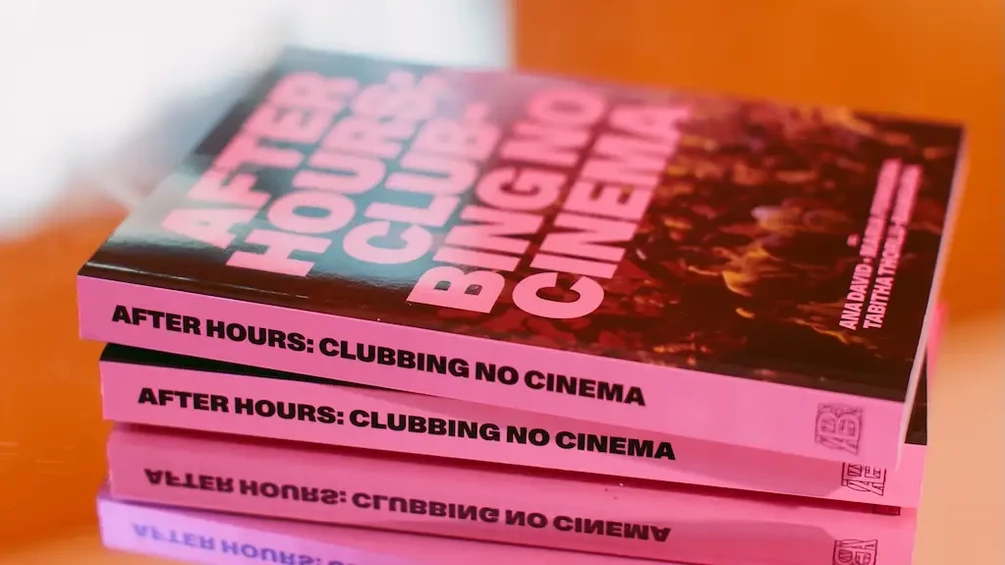
A significant new literary work, After Hours: Clubbing on Film, is poised to offer an expansive and critical examination of how cinematic narratives have portrayed the multifaceted world of club culture. This forthcoming publication, meticulously edited by Ana David, Maria Ferreira, and Tabitha Thorlu-Bangura, promises to be an indispensable resource for scholars, enthusiasts, and anyone interested in the intricate relationship between film and the nocturnal spaces that have profoundly shaped global social and cultural landscapes. Published by Batalha Centro de Cinema, the book delves into the diverse ways filmmakers have envisioned and articulated these environments, recognizing them not merely as venues for entertainment but as crucible sites for profound cultural development, dynamic social exchange, and essential emotional release.
A Deep Dive into Cinematic Portrayals of Nightlife
The editors of After Hours: Clubbing on Film have curated a collection that transcends a superficial glance at parties and dance floors, instead focusing on the deeper sociological and artistic implications embedded within cinematic representations. Clubs, from their inception, have served as more than just spaces for music and dancing; they have historically functioned as vital "third spaces" – distinct from home and work – where subcultures have flourished, identities have been forged, and societal norms have been both challenged and reaffirmed. The book’s core thesis posits that cinema, as a powerful mirror and shaper of culture, has played a crucial role in documenting, mythologizing, and often critiquing these vibrant ecosystems.
From the hedonistic abandon depicted in disco-era films like Saturday Night Fever (1977) to the gritty realism of rave culture documentaries and the introspective character studies set against the backdrop of contemporary electronic music scenes, the spectrum of cinematic portrayals is vast. After Hours: Clubbing on Film is expected to analyze how different eras, genres, and directorial visions have approached themes such as community building, escapism, identity politics (especially within LGBTQ+ and marginalized communities), drug culture, the pursuit of transcendence, and the inevitable melancholia of dawn. The book aims to unpack the visual language employed by filmmakers to convey the sensory overload of a club – the pulsating lights, the thumping bass, the collective energy – alongside the quieter moments of introspection and connection that often occur within these seemingly chaotic environments.
From Film Series to Scholarly Publication: The Genesis of the Project
The origins of After Hours: Clubbing on Film are rooted in a compelling film series presented at Porto’s Batalha Centro de Cinema in 2023. This acclaimed series served as a foundational exploration, bringing together a diverse array of films that illuminated the multifaceted nature of club culture on screen. The success and critical reception of this cinematic venture evidently underscored the pressing need for a more permanent and comprehensive academic resource on the subject. The transition from a transient film program to a published book signifies a crucial step in formalizing and disseminating the insights gleaned from the initial series, making them accessible to a global audience beyond the confines of a single cinema.
Batalha Centro de Cinema, the publishing house behind this significant work, is itself a cultural cornerstone in Porto, Portugal. Known for its dedication to showcasing diverse cinematic expressions, promoting film education, and fostering critical dialogue around moving images, Batalha is an ideal institution to champion a project of this nature. Its commitment to exploring the intersections of art, culture, and society through film provides a robust intellectual framework for After Hours: Clubbing on Film. The book extends Batalha’s mission, transforming the ephemeral experience of a film series into a lasting contribution to film studies and cultural history.
A Rich Tapestry of Contributions: Voices from Academia and Art
The intellectual depth and breadth of After Hours: Clubbing on Film are significantly enhanced by its impressive roster of contributors. The book is not merely a collection of observations but a carefully curated dialogue between various academic and artistic perspectives. It features a range of archival photography that captures the vibrant history of Porto’s nightlife, offering a visual journey through the city’s clubbing past and providing an authentic backdrop to the theoretical discussions. These visual elements are crucial in grounding the academic discourse in tangible historical realities, illustrating the evolution of spaces and styles over time.
Interviews with contributing filmmakers provide invaluable firsthand accounts of the creative processes and intentions behind their depictions of club culture. These insights offer a unique window into the challenges and triumphs of translating the visceral experience of a club onto the screen. Among the interviewed filmmakers are Jeremy Deller, Mark Leckey, and Rebecca Salvador. Deller, a renowned conceptual artist, has often explored popular culture, memory, and political themes, making his perspective on club culture particularly incisive. Mark Leckey, known for his video art exploring youth culture, consumerism, and the transformative power of objects and sounds, brings a unique blend of personal experience and critical theory to his work on nightlife. Rebecca Salvador, an emerging voice in contemporary film, offers a fresh perspective on how club spaces are being reinterpreted in the digital age and within diverse global contexts. Their contributions promise to offer a rich, multi-dimensional understanding of the subject matter.
Furthermore, the book boasts essays from an array of distinguished writers and scholars. These include Rodrigo Affreixo, Bruno Baldaia, and Onyeka Igwe, whose work collectively enriches the discourse by bringing diverse critical lenses to bear on the subject. A particularly notable inclusion is McKenzie Wark, the acclaimed author of Raving (2023). Wark’s previous work, which delves into raving as a radical queer and trans practice within late capitalism, provides a crucial theoretical underpinning for understanding the subversive and emancipatory potential of club spaces. Her inclusion signals the book’s commitment to exploring the political economy, identity politics, and utopian aspirations inherent in club culture. The confluence of these voices – academics, artists, and cultural commentators – ensures a comprehensive and nuanced exploration of the topic, making After Hours: Clubbing on Film a significant scholarly achievement.
The Enduring Cultural Significance of Club Spaces
The exploration of club culture in cinema is particularly timely given the enduring cultural significance of these spaces. Throughout history, clubs have been epicenters for musical innovation, fashion trends, and social movements. From the jazz clubs of the Harlem Renaissance to the legendary disco palaces of the 1970s, the underground punk venues of the 1980s, and the massive rave scenes of the 1990s, these environments have consistently pushed the boundaries of cultural expression. They have provided refuge and community for marginalized groups, fostered artistic collaboration, and offered a vital outlet for collective joy and catharsis.
In a globalized and increasingly digital world, the physical communal experience offered by clubs remains profoundly important. Despite challenges posed by gentrification, changing social habits, and global pandemics, the desire for collective gathering, shared musical experience, and uninhibited self-expression persists. Cinema, through its unique ability to capture and interpret these experiences, offers a historical record and an artistic reflection of this ongoing cultural phenomenon. The book’s analysis will likely highlight how film has both documented the evolution of these spaces and contributed to their mythology, influencing public perception and even inspiring new generations to seek out similar experiences.
London Book Launch: A Public Celebration and Discourse
To mark the publication of this pivotal work, a special book launch event is scheduled to take place in London on Saturday, April 18th. The chosen venue, Reference Point, a distinctive bookshop and bar located in the vibrant district of Soho, provides an intimate yet intellectually stimulating setting for the occasion. Soho, with its rich history of bohemian culture, artistic expression, and LGBTQ+ nightlife, offers a fitting backdrop for a discussion centered on club culture and its cinematic representation.
The event, which is free to the public, is designed to be an immersive experience, moving beyond a simple book signing. Attendees will have the unique opportunity to engage directly with the editors, Ana David, Maria Ferreira, and Tabitha Thorlu-Bangura, through a series of readings and panel discussions. These sessions are expected to delve into the editorial process, the key themes explored in the book, and the broader implications of their research. Such direct interaction offers invaluable context and deeper insights into the motivations and methodologies behind the publication.
A highlight of the launch will be a special screening of Playback, an award-winning short film. This poignant and powerful film explores the lived experiences of drag queens and transgender women in Córdoba, Argentina, during the late 1980s. Playback serves as a poignant cinematic example of how club spaces have historically provided sanctuary, community, and stages for performance for marginalized identities. Its inclusion in the launch event underscores the book’s commitment to intersectionality and its recognition of the vital role clubs play in queer cultural history and activism. The film’s themes of identity, performance, resilience, and community resonate deeply with the overarching narrative of After Hours: Clubbing on Film, making it an ideal companion piece for the launch. The event is free to the public, with an RSVP link provided for interested attendees, emphasizing inclusivity and accessibility.
Distribution and Future Reach
Upon its release, After Hours: Clubbing on Film will be immediately available for purchase at the London launch event at Reference Point. Beyond this initial availability, the book will also be stocked at its publisher’s home base, Batalha Centro de Cinema in Porto, allowing local audiences and visitors to acquire copies. Furthermore, the book’s reach will extend to the Southern Hemisphere, with availability at suite7a in Sydney, Australia. This initial distribution strategy targets key cultural hubs known for their vibrant club scenes and strong connections to independent cinema and publishing.
While these initial distribution points ensure accessibility for specific communities, details regarding wider distribution are currently pending. The editors and publisher are likely working to secure broader international distribution channels to ensure that this crucial academic and cultural text reaches as wide an audience as possible. The aim will be to place the book in university libraries, specialized bookstores, and online platforms globally, cementing its status as a definitive work in film studies and cultural history. The eventual broader availability will underscore the universal relevance of its themes and the international significance of club culture as a subject of serious academic inquiry.
Broader Implications and Legacy
After Hours: Clubbing on Film is poised to make a significant contribution to several academic disciplines, including film studies, cultural studies, sociology, and art history. By offering a meticulously researched and thoughtfully curated exploration of club culture’s cinematic representations, the book legitimizes a field of study that has often been relegated to the periphery of mainstream academia. It provides a robust framework for understanding how film not only reflects but actively shapes our understanding of social phenomena, identity, and collective experience.
The publication’s interdisciplinary approach, combining film analysis with sociological insights, historical context, and personal narratives, ensures its relevance to a diverse readership. It will serve as an invaluable resource for students and scholars seeking to understand the historical evolution and contemporary manifestations of nightlife, the politics of space, and the cinematic gaze. Moreover, by highlighting the work of both established and emerging filmmakers and writers, After Hours: Clubbing on Film contributes to the ongoing dialogue about the representation of marginalized communities and subcultures in media. It champions the idea that spaces of leisure and perceived hedonism are often profoundly important sites of cultural production and social change.
Ultimately, After Hours: Clubbing on Film is more than just a book about movies and clubs; it is a profound cultural document. It reaffirms the critical role of cinema in capturing the zeitgeist of different eras and the enduring human need for connection, expression, and transcendence found within the pulsating heart of the club. Its anticipated impact extends beyond academic circles, promising to spark new conversations among cultural critics, artists, and the broader public about the past, present, and future of nightlife and its cinematic legacy.