Lana Akmaluna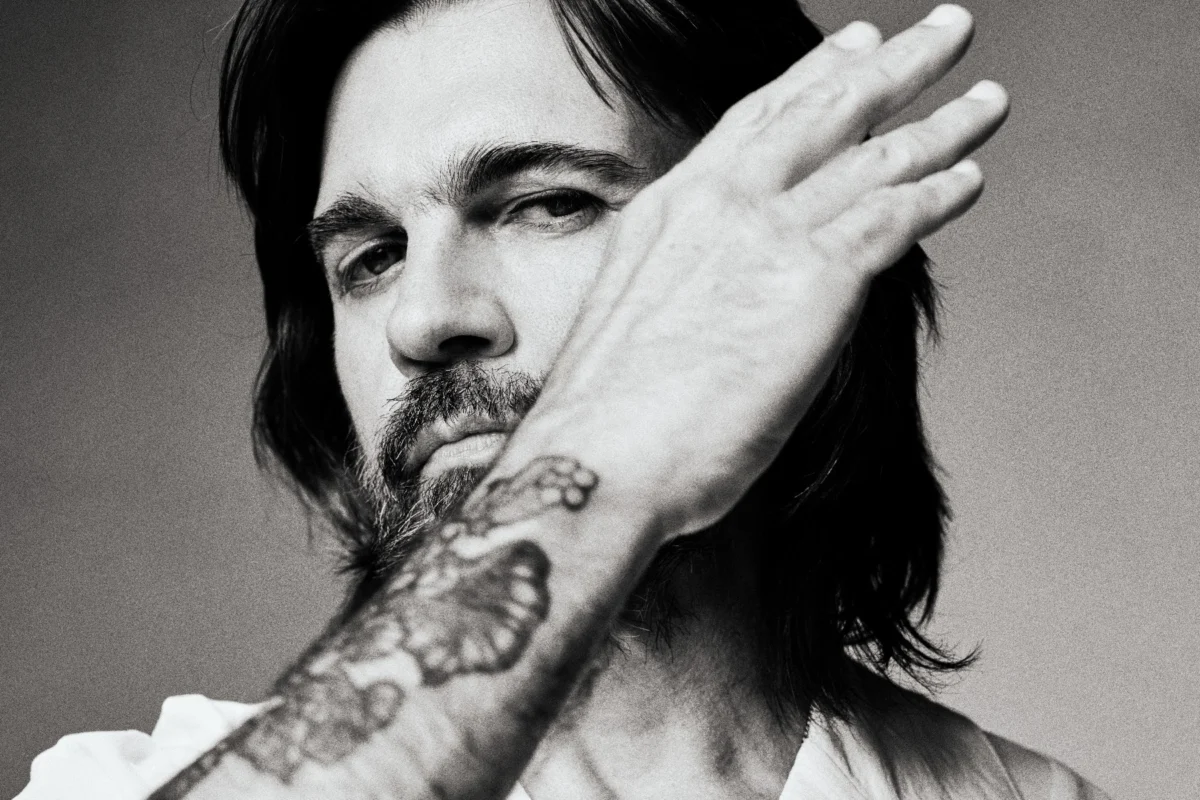
The trajectory of Juan Esteban Aristizábal Vásquez, known globally as Juanes, represents one of the most significant narratives in the history of contemporary Latin music. Twenty-five years after the artist transitioned from the frontman of the Colombian rock band Ekhymosis to a solo performer in Los Angeles, he has solidified his status as a pillar of the industry. This milestone coincides with the release of his 12th studio album, JuanesTeban, a project that serves as both a musical exploration and a deeply personal self-portrait. Since his arrival in California in 1998 with little more than a handful of demos and a commitment to his craft, Juanes has navigated the complexities of global stardom while maintaining a distinct connection to his Colombian roots.
The Genesis of a Solo Icon: From Medellín to Los Angeles
The professional journey of Juanes began in the late 1980s in Medellín, Colombia, where he co-founded the thrash metal and hard rock band Ekhymosis. While the group achieved national success, Juanes sought a broader creative canvas, leading him to relocate to Los Angeles in the late 1990s. This period was marked by significant financial and professional uncertainty. However, the trajectory of his career shifted in 1999 when he secured a meeting with Gustavo Santaolalla, the visionary producer and founder of the Surco label. Santaolalla, often credited as the architect of the modern "Rock en Español" movement, recognized the potential in Juanes’ ability to fuse traditional Colombian rhythms with rock and pop sensibilities.
In 2000, Juanes released his debut studio album, Fíjate Bien. The record was a critical success, earning him three Latin Grammy Awards, including Best New Artist. However, it was his 2002 follow-up, Un Día Normal, that propelled him into the stratosphere of global pop culture. Featuring hits like "A Dios le Pido," the album broke records for its longevity on the Billboard charts. Data from the era indicates that Un Día Normal remained in the top ten of the Billboard Top Latin Albums chart for a record-breaking 92 weeks. This success established a template for a career defined by both commercial viability and artistic integrity.
JuanesTeban: A Multi-Dimensional Artistic Portrait
The release of JuanesTeban in late 2024 represents a full-circle moment for the artist. The album’s title is a linguistic fusion of his stage name and his birth name, Juan Esteban, reflecting what the artist describes as the multiple personalities that coexist within him. Comprising 16 tracks, the album has been characterized by music critics as a "kaleidoscope of sounds" that bridges the intimacy of Colombian folklore with the raw energy of rock and roll.
A notable aspect of this project is the cover art, a self-portrait sketched by Juanes himself. This reveals a previously private dimension of his creativity; the artist studied industrial design at the Pontifical Bolivarian University in Medellín before his musical career took precedence. The sketches, which he has accumulated over years of travel, signify a desire to deconstruct the "Juanes" persona and present the more vulnerable "Juan Esteban" to his audience. The album’s production, involving collaborators such as Nico Cotton, incorporates traditional instruments like the Colombian tiple and the Peruvian cajón, creating a sonic landscape that spans Andean traditions and Southern chacarera rhythms.
Analytical Perspective: The "Kingmaker" and Philanthropist
Beyond his personal discography, Juanes has exerted a significant influence on the industry as a mentor and talent scout. His role in the career of Spanish superstar Rosalía is perhaps the most prominent example of this. After witnessing her early performances, Juanes introduced her to his then-manager, Rebeca León, facilitating a six-year partnership that redefined the global reach of flamenco-pop. His recent collaborations with emerging artists like Joaquina, who featured on his 2023 album Vida Cotidiana, further demonstrate his commitment to what he calls "keeping the energetic chain going."
This commitment to social and professional development extends to his humanitarian work. In 2006, Juanes co-founded the Mi Sangre Foundation (Fundación Mi Sangre) alongside social entrepreneur Catalina Cock Duque. The organization was initially established to assist victims of anti-personnel mines in Colombia but has since evolved into a broader platform for peace-building and youth empowerment. Through his activism, Juanes has leveraged his celebrity to address systemic issues of violence and social inequality in his homeland, often at the risk of political polarization.

Supporting Data: A Quarter Century on the Billboard Charts
The statistical magnitude of Juanes’ career is evidenced by his consistent performance on the Billboard charts and his extensive collection of industry accolades. To date, he has secured 25 Latin Grammy Awards and four Grammy Awards, making him one of the most decorated artists in the history of the Recording Academy.
His chart history includes several landmark achievements:
- "Me Enamora" (2007): This single held the No. 1 spot on the Billboard Hot Latin Songs chart for 20 consecutive weeks, a feat that remains one of the longest reigns in the chart’s history.
- "La Camisa Negra" (2005): A global phenomenon that topped charts across Europe, Asia, and the Americas, demonstrating the universal appeal of his "Guasca" rock style.
- Album Longevity: With 12 studio albums, Juanes has maintained a presence on the Billboard Latin Pop Airplay and Tropical Airplay charts for over two decades, adapting his sound to shifting market trends without losing his core identity.
Mental Health and the Vulnerability of Fame
In recent years, Juanes has become an outspoken advocate for mental health awareness, particularly regarding clinical depression. In recent statements, he revealed that he has struggled with the condition since his mid-teens. His decision to speak openly about his mental health marks a shift in the traditional "macho" narrative often associated with Latin rock icons.
Juanes attributes his current state of "clarity" to a combination of professional maturity and personal lifestyle changes. He has been vocal about his transition to sobriety, noting that reducing alcohol consumption helped him manage his depression and maintain physical health. This transparency has resonated with a younger generation of fans who prioritize emotional well-being. By discussing the "confusion" of fame and the "dark moments" of his career, Juanes has humanized the persona of the global rock star, suggesting that vulnerability is a form of strength rather than a deficit.
Chronology of Key Career Milestones
- 1988–1997: Frontman for the metal band Ekhymosis in Medellín.
- 1998: Relocates to Los Angeles to pursue a solo career.
- 2000: Releases debut solo album Fíjate Bien; wins three Latin Grammys.
- 2002: Releases Un Día Normal, breaking Billboard longevity records.
- 2004: Releases Mi Sangre, featuring the international hit "La Camisa Negra."
- 2006: Establishes the Mi Sangre Foundation.
- 2009: Organizes the historic "Paz Sin Fronteras" (Peace Without Borders) concert in Havana, Cuba.
- 2019: Named Person of the Year by the Latin Recording Academy.
- 2023: Releases Vida Cotidiana, winning the Grammy for Best Latin Rock or Alternative Album.
- 2024: Celebrates 25 years as a solo artist with the release of JuanesTeban.
Implications for the Future of Latin Rock
As Juanes prepares for the upcoming JuanesTeban tour, the implications of his 25-year career extend beyond mere nostalgia. His ability to maintain relevance in an industry currently dominated by urban and reggaeton genres highlights the enduring appetite for guitar-driven Latin music. By integrating folklore with modern production, Juanes has provided a blueprint for how legacy artists can evolve without alienating their original fan base.
Furthermore, his stable family life—his long-term marriage to Cecilia "La Chechi" Marulanda and his role as a father to three children—has become a central theme in his public identity. This focus on domesticity and emotional growth, as seen in the song "Madre" dedicated to his late mother, suggests that the future of Juanes’ career will be defined by an even deeper exploration of the human condition.
In reflecting on his 25-year journey, Juanes notes that the pressure to constantly surpass himself has been replaced by a sense of creative freedom. He views his current work as a "free drawing class," where the constraints of radio formats and commercial expectations no longer dictate his artistic output. As he looks toward the next quarter-century, his goal remains the pursuit of the "unwritten song," a sentiment that ensures his continued contribution to the global musical landscape. Juanes stands today not just as a successful musician, but as a cultural diplomat who has successfully navigated the transition from a restless youth in Medellín to a revered elder statesman of Latin rock.