Aveline Kirana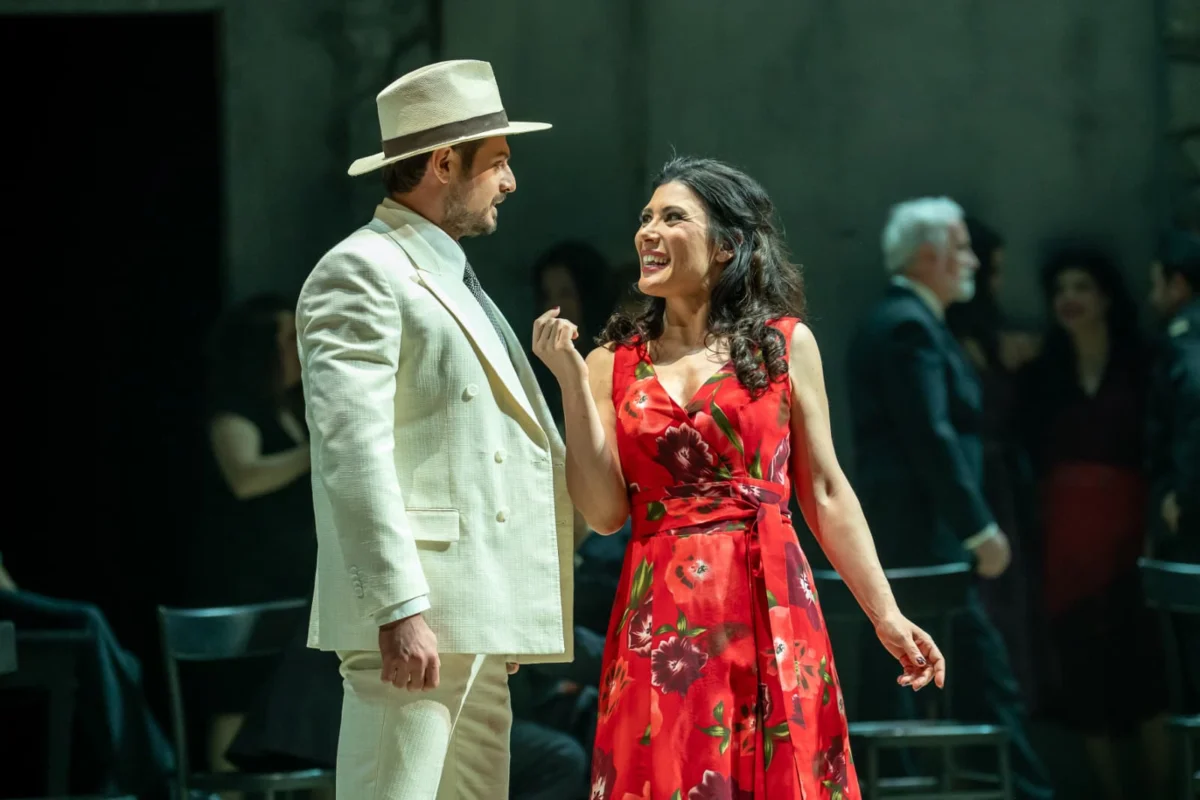
Mezzo-soprano Annalisa Stroppa is set to captivate audiences with her portrayal of the iconic gypsy cigar maker in Georges Bizet’s enduring opera, Carmen, gracing the stages of three esteemed regional theaters in Italy. This highly anticipated production, a collaborative effort with the OperaLombardia circuit, promises a fresh interpretation of one of opera’s most complex and enduring characters, led by the baton of conductor Audrey Saint-Gil and the visionary direction of Stefano Vizioli. Stroppa’s deeply insightful perspective on the character, shared in a recent statement, underscores the enduring relevance and magnetic allure of Carmen, a figure whose fierce pursuit of freedom and self-determination continues to resonate across centuries.
The operatic journey begins at the Teatro Comunale di Modena, where Stroppa will first embody Carmen on April 10th and April 12th. Following her Modena debut, the production will travel to the Teatro Municipale di Piacenza, with performances scheduled for April 17th and April 19th. The final leg of this significant engagement will see Stroppa command the stage at the Teatro Alighieri di Ravenna on April 24th and April 26th, bringing this celebrated opera to a close in a flourish of dramatic intensity. This multi-city tour highlights the robust cultural landscape of Italy’s regional opera houses and their commitment to presenting world-class productions.
A New Vision for a Timeless Opera
The staging of Carmen is a fresh endeavor, a testament to the collaborative spirit of the OperaLombardia circuit, which unites several leading regional theaters to produce and share significant operatic works. This approach not only allows for greater artistic ambition but also ensures wider access to high-quality opera for diverse audiences across Italy. Conductor Audrey Saint-Gil, known for her insightful musical interpretations and dynamic command of the orchestra, will guide the musical narrative, promising a rendition that is both faithful to Bizet’s genius and imbued with a contemporary sensibility. Stefano Vizioli, a director celebrated for his innovative stagecraft and keen understanding of dramatic nuance, is expected to bring a compelling visual and psychological depth to the production, exploring the intricate motivations and volatile passions that define Carmen’s world.
Joining Stroppa on stage will be a stellar cast of international artists. Tenor Joseph Dahdah will portray the infatuated soldier Don José, whose life is irrevocably altered by Carmen’s intoxicating presence. Bass-baritone Gianluca Failla takes on the role of Escamillo, the swaggering bullfighter whose charm and confidence capture Carmen’s attention. Soprano Jaquelina Livieri will sing the part of Micaëla, Don José’s devoted fiancée, representing a stark contrast to Carmen’s untamed spirit. The ensemble cast and chorus will further enrich the dramatic fabric of the opera, bringing to life the vibrant and often volatile world of Seville. The collective talent assembled for this production suggests a high caliber of performance, poised to deliver a memorable operatic experience.
Carmen: A Symbol of Enduring Modernity and Freedom
Annalisa Stroppa’s profound connection to the role of Carmen is palpable in her contemplative remarks. She articulates the enduring fascination with this character, who defies societal norms and embraces a life dictated by her own desires and an unyielding pursuit of freedom. "Whenever I’m about to interpret the role of Carmen, as well as diving with heart and mind into the new production and preparing for Bizet’s sublime, sophisticated music, I find myself wondering why this character is so fascinating," Stroppa stated. Her analysis delves into the core of Carmen’s being: "This gypsy cigar maker, who seduces unrestrainedly, chasing every erotic whim with no concern for the price she will pay for this choice of freedom, unperturbed by living in illegality, was (and is) such a powerful figure."
Stroppa emphasizes that Carmen’s power lies not in her virtue, but in her potent symbolism of nonconformity. "not a positive one but a perfect symbol of nonconformity," she explains. The mezzo-soprano posits that Carmen’s modernity is rooted in her radical longing for liberty, a sentiment that transcends historical periods. "The modernity evoked by Carmen lies, above all, in her longing for freedom and shows us that history, full of destinies like hers, always has and, unfortunately, always will repeat itself." This timeless quality, Stroppa suggests, is the source of Carmen’s magnetic appeal. "This is the reason for Carmen’s magnetism: first Mérimée, then Meilhac, Halévy and Bizet with his profoundly compelling music, bestow on her the right to self-determination and a fierce awareness of her sexual supremacy, making her a tragic heroine and, as a consequence, always in line with the times.” This multifaceted interpretation highlights Stroppa’s commitment to exploring the psychological depths of the character, moving beyond a superficial understanding to embrace her as a complex and tragically modern figure.
The Historical Context and Enduring Legacy of Bizet’s "Carmen"
Georges Bizet’s Carmen, which premiered in 1875, was met with initial controversy and mixed reviews, a stark contrast to its current status as one of the most performed and beloved operas worldwide. The opera’s departure from traditional operatic conventions, its gritty realism, and its depiction of a morally ambiguous female protagonist challenged the sensibilities of the Parisian public at the time. Based on the novella of the same name by Prosper Mérimée, with a libretto by Henri Meilhac and Ludovic Halévy, Carmen broke new ground by presenting a more naturalistic and psychologically complex portrayal of its characters, particularly its titular heroine.
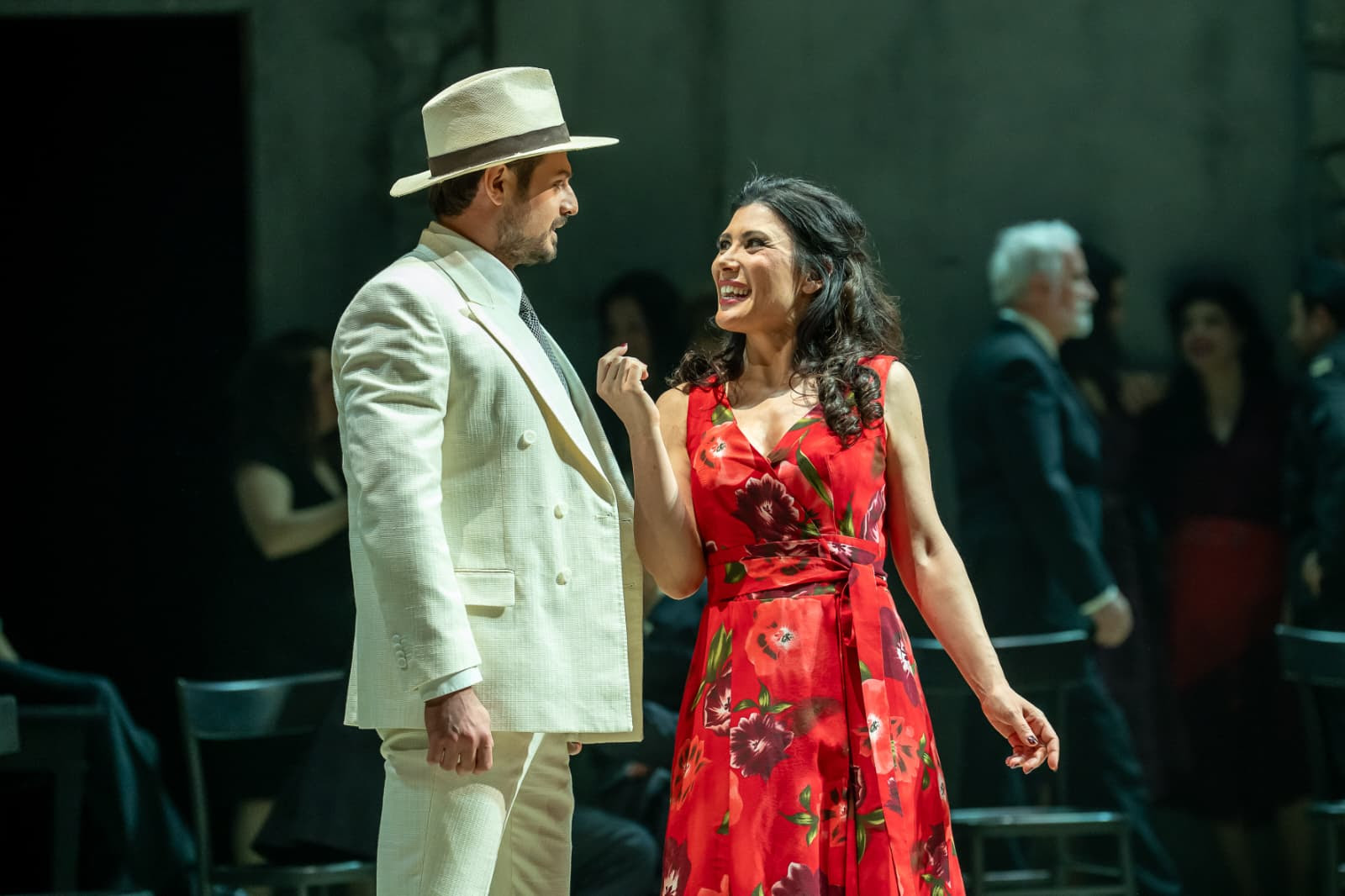
The opera’s enduring appeal can be attributed to several factors, including Bizet’s masterful score, which is replete with memorable melodies and vibrant orchestration, and its compelling narrative that explores universal themes of love, obsession, freedom, and fate. Carmen herself has become a cultural icon, a symbol of defiance, independence, and passionate rebellion against societal constraints. Her tragic trajectory, driven by her unwavering commitment to her own desires, resonates with audiences who are drawn to her complex humanity and her unapologetic embrace of her own agency. The opera’s influence extends far beyond the operatic stage, having inspired countless adaptations in film, theater, and literature, further cementing its place in the global cultural consciousness.
The Significance of Regional Opera in Italy
The engagement of Annalisa Stroppa in Carmen across Modena, Piacenza, and Ravenna underscores the vital role of Italy’s regional opera houses in nurturing operatic talent and bringing world-class productions to a wider audience. These theaters, often with rich historical legacies, serve as crucial cultural hubs, providing platforms for both emerging and established artists and fostering a deep appreciation for the art form. The OperaLombardia circuit, in particular, represents a significant collaborative model, pooling resources and expertise to create ambitious productions that might otherwise be beyond the reach of individual institutions.
This collaborative approach has become increasingly important in the contemporary arts landscape, enabling regional opera companies to compete with larger, more established institutions and to offer diverse and engaging programming. By staging Carmen across multiple venues, the OperaLombardia circuit not only maximizes the impact of its investment but also ensures that audiences in different parts of Italy have the opportunity to experience this iconic opera. The success of such initiatives is a testament to the enduring vitality of opera and its capacity to adapt and thrive in diverse cultural contexts.
The Artistic Team and Their Vision
The collaborative synergy between conductor Audrey Saint-Gil and director Stefano Vizioli is a key element in this new production of Carmen. Saint-Gil, with her reputation for nuanced musical direction, is expected to draw out the richness and emotional depth of Bizet’s score. Her approach often emphasizes the dramatic arc of the music, ensuring that the score serves not only as a backdrop but as an active participant in the storytelling. Vizioli, known for his innovative and often psychologically charged stagings, is likely to present a Carmen that probes the complexities of the characters’ motivations and relationships. His work frequently explores the internal landscapes of the characters, aiming to reveal the underlying truths and conflicts that drive the narrative.
The collaboration between a conductor and director is paramount in opera, as it dictates the overall artistic vision and the realization of the work on stage. When these two creative forces are aligned, as is expected here, the result is often a production that is both musically compelling and dramatically resonant. The choice to present a "new staging" suggests an intention to offer a fresh perspective on a familiar work, inviting audiences to engage with Carmen in a new light. This could involve reimagining the historical setting, exploring contemporary interpretations of the characters’ struggles, or employing innovative scenic and lighting design to enhance the emotional impact of the drama.
Supporting Cast and Ensemble Strength
The success of any opera production hinges not only on the principals but also on the strength of the supporting cast and the ensemble. In this production of Carmen, the presence of tenor Joseph Dahdah as Don José, bass-baritone Gianluca Failla as Escamillo, and soprano Jaquelina Livieri as Micaëla suggests a high level of artistic caliber across the board. Dahdah, who has garnered critical acclaim for his performances in various operatic roles, is well-positioned to portray the tragic descent of Don José from loyal soldier to obsessive lover. Failla, with his commanding stage presence and vocal power, is an ideal choice for the charismatic bullfighter Escamillo, a role that demands both vocal prowess and an undeniable magnetism. Livieri, as Micaëla, will bring a purity and emotional sincerity to the character, providing a poignant contrast to Carmen’s fiery independence.
The collective efforts of the entire cast and chorus are crucial in creating the vibrant atmosphere of Bizet’s opera. The smugglers, soldiers, and townspeople of Seville are integral to the unfolding drama, and their performances contribute significantly to the overall authenticity and impact of the production. The OperaLombardia circuit’s commitment to fostering these collaborative productions ensures that these regional theaters can present a fully realized operatic experience, with a strong ensemble that complements the leading artists.
Conclusion: A Timeless Operatic Event
Annalisa Stroppa’s portrayal of Carmen across three of Italy’s significant regional theaters marks a notable event in the operatic calendar. Her deeply considered interpretation of the character, coupled with the collaborative vision of conductor Audrey Saint-Gil and director Stefano Vizioli, promises a production that is both artistically ambitious and emotionally resonant. The OperaLombardia circuit’s initiative to bring this new staging to Modena, Piacenza, and Ravenna highlights the enduring strength and cultural importance of regional opera in Italy. As audiences prepare to experience Bizet’s masterpiece through the lens of this talented ensemble, they can anticipate a performance that not only celebrates the operatic tradition but also reaffirms the timeless relevance of Carmen’s story of freedom, passion, and defiance. The continued exploration and reinterpretation of such seminal works by dedicated artists and institutions ensure that opera remains a vibrant and evolving art form, capable of speaking to audiences across generations.