Nayara Elvina
The landscape of contemporary country music is witnessing a significant shift toward traditionalist roots, a movement punctuated by the recent ascent of Knoxville native Emily Ann Roberts. Following the announcement of the 59th Academy of Country Music (ACM) Awards nominations, Roberts has released her latest single, "My Future," a track that serves as both a creative milestone and a testament to her growing influence within the genre. Nominated for New Female Artist of the Year, Roberts finds herself in a competitive field alongside Avery Anna, Mackenzie Carpenter, Dasha, and Caroline Jones. This recognition arrives after several years of consistent artistic development, high-profile television exposure, and a deliberate commitment to a "neotraditional" sound that emphasizes authentic instrumentation over polished pop-country tropes.
The Genesis and Composition of My Future
The release of "My Future" marks a strategic follow-up to Roberts’ previous successes, including her 2023 full-length album, Can’t Hide Country. Written in collaboration with seasoned Nashville songwriters Shane Minor and Micah Wilshire, the song explores the instantaneous nature of romantic premonition. The lyrical narrative was reportedly inspired by a suggestion from Roberts’ husband, Chris, who noted the prevalence of the phrase "I think I see my future" within social media discourse. Roberts took this cultural shorthand and transformed it into a character-driven story about a woman who envisions an entire life trajectory within moments of meeting a partner.
Produced by Brandon Hood, "My Future" is characterized by its reliance on the fiddle and pedal steel guitar—instruments that have become hallmarks of Roberts’ sonic identity. The production choices reflect a broader industry trend where artists are moving away from electronic percussion and toward organic, room-recorded sounds. According to Roberts, the writing session with Minor and Wilshire was defined by a sense of creative levity, aiming to capture the "grin-inducing" excitement of new love. The result is a track that balances technical vocal proficiency with an accessible, charismatic delivery, further cementing Roberts’ reputation as a vocalist capable of bridging the gap between classic Grand Ole Opry sensibilities and modern streaming requirements.
A Career Defined by Strategic Growth: From The Voice to the ACMs
To understand the significance of Roberts’ current ACM nomination, one must look back at her trajectory over the last decade. Roberts first garnered national attention in 2015 as a contestant on the ninth season of NBC’s The Voice. Competing as a member of Blake Shelton’s team, she finished as the runner-up, a platform that has historically served as a double-edged sword for many aspiring artists. While the show provides immense visibility, the transition from a reality television star to a respected recording artist requires a rigorous rebranding process.
Unlike many of her contemporaries who sought immediate major-label deals following their television stints, Roberts took a more measured approach to her career. She spent the intervening years honing her songwriting and building a grassroots following. This period of development culminated in the release of "Whole Lotta Little," a song that achieved viral status and demonstrated her ability to connect with a digital-first audience. By the time she released Can’t Hide Country in 2023, Roberts had established herself as a self-sufficient entity in the Nashville ecosystem, blending independent grit with professional-grade production.
The nomination for New Female Artist of the Year is a formal acknowledgment from the Academy of Country Music that Roberts has successfully transitioned from a "talent show contestant" to a foundational member of the new Nashville vanguard. This category has historically been a bellwether for long-term stardom; previous winners include industry titans such as Carrie Underwood, Taylor Swift, and more recently, Lainey Wilson and Ella Langley.
Competitive Landscape: The 59th ACM New Female Artist Category
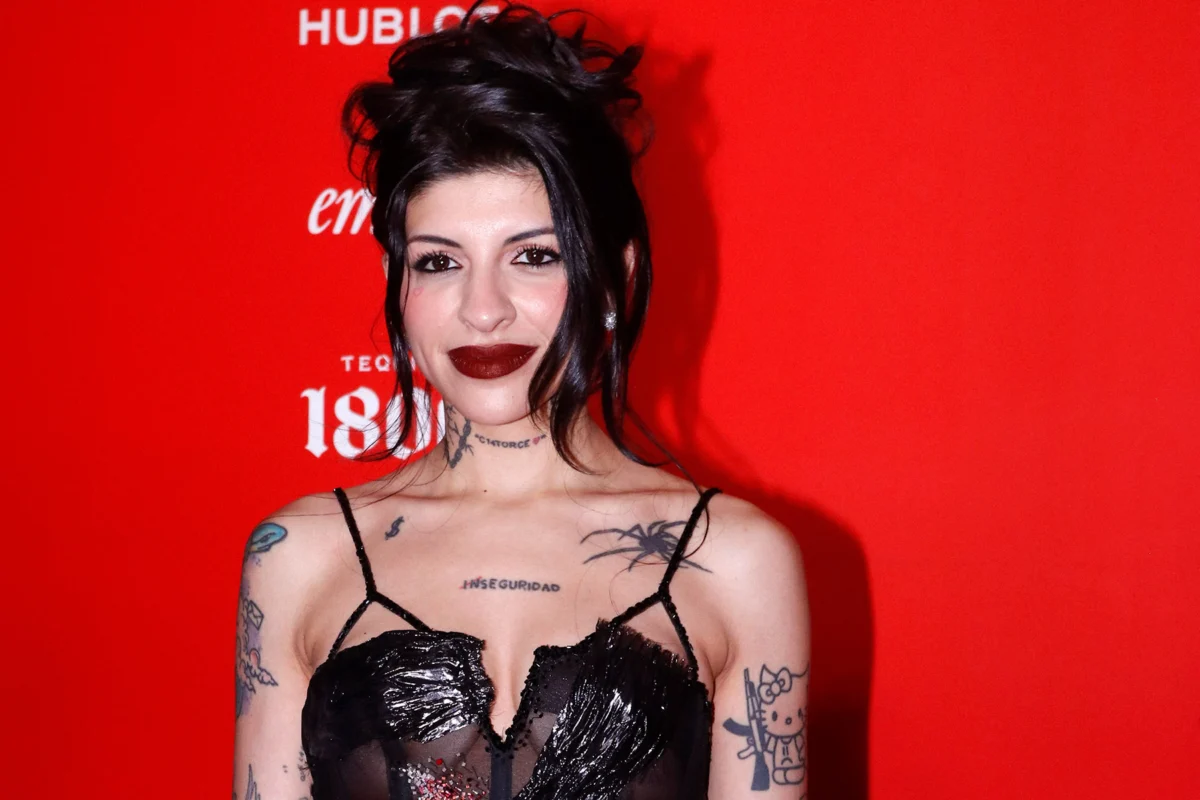
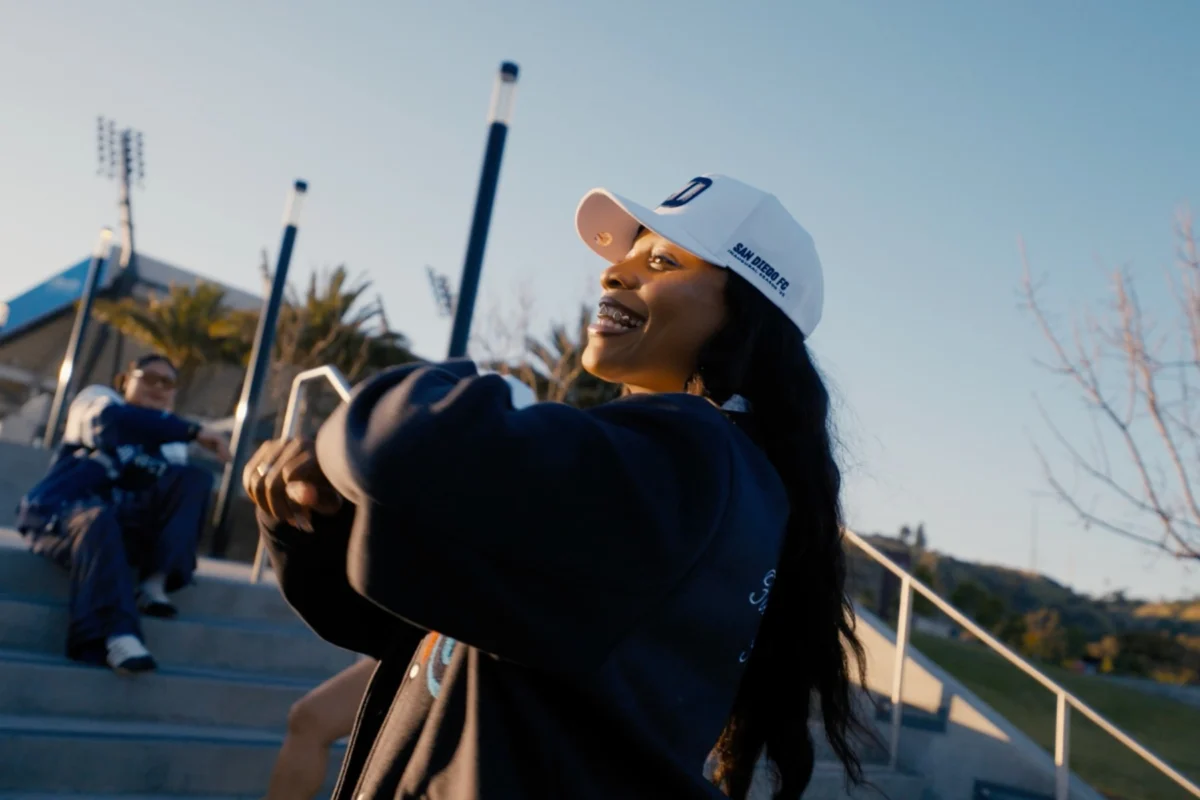
The New Female Artist of the Year category for the 59th ACM Awards represents a diverse cross-section of the current country music market. Each nominee brings a distinct stylistic approach to the genre:
- Avery Anna: Known for her piano-led ballads and emotional vulnerability, representing the "sad girl country" subgenre that has gained massive traction on platforms like TikTok.
- Mackenzie Carpenter: Noted for her clever, often humorous songwriting and a sound that leans toward 90s-inspired country-pop.
- Dasha: A breakout artist who gained international fame with the viral hit "Austin," blending line-dance-friendly rhythms with contemporary pop sensibilities.
- Caroline Jones: A multi-instrumentalist and member of the Zac Brown Band, known for her sophisticated arrangements and virtuosic musicality.
Industry analysts suggest that Roberts stands out in this group due to her unwavering adherence to traditional country music. While her competitors often experiment with cross-genre hybridization, Roberts has doubled down on the "Yeehaw MeMaw" persona—a nickname she coined to describe her love for old-school country culture and traditional values. This branding has allowed her to capture a demographic of listeners who feel alienated by the genre’s recent drift toward R&B and pop influences.
The Power of the "Yeehaw MeMaw" Brand and Social Media Strategy
A critical component of Roberts’ success is her mastery of digital engagement. In an era where a song’s success is often tied to its "meme-ability" or its use in short-form video content, Roberts has managed to stay relevant without sacrificing her artistic integrity. Her TikTok presence, which boasts a significant and highly engaged following, provides a behind-the-scenes look at her life as a touring musician and a proponent of the "country lifestyle."
The "Yeehaw MeMaw" moniker is more than just a catchy handle; it is a calculated brand identity that resonates with the "coastal grandmother" and "cottagecore" aesthetic trends while remaining firmly rooted in Appalachian culture. By showcasing her personality—characterized by humor, charm, and a lack of artifice—Roberts has built a level of trust with her audience that transcends the music itself. This direct-to-consumer relationship was instrumental in the success of "Whole Lotta Little" and continues to drive the performance of her latest releases, including "My Future" and the recently released "Pretty In Pink."
Technical Analysis and Implications of the Traditionalist Revival
The success of Emily Ann Roberts is emblematic of a larger "neotraditionalist" revival occurring within the Nashville recording industry. For much of the 2010s, the "Bro-Country" and "Country-Pop" eras dominated the airwaves, often sidelining traditional instruments like the fiddle and steel guitar in favor of snapped beats and synthesized basslines. However, the early 2020s have seen a resurgence of interest in the sounds of the 1970s and 1990s.
Roberts’ work, particularly the production on "My Future," aligns with this movement. The inclusion of a visualizer for the song, rather than a high-concept cinematic music video, further emphasizes the focus on the music and the artist’s persona. From a technical standpoint, Roberts’ vocal delivery is characterized by a "mountain-clear" tone and a subtle vibrato that evokes comparisons to Dolly Parton and Patty Loveless. This vocal styling, paired with Brandon Hood’s production, positions Roberts as a bridge between the legends of the genre and the next generation of listeners.
The implications of her rise are significant for independent and mid-tier artists in Nashville. Roberts’ ability to secure an ACM nomination while maintaining a traditional sound suggests that the Academy is increasingly valuing stylistic authenticity over sheer commercial crossover potential. This shift may encourage other rising artists to eschew pop trends in favor of more organic, instrument-driven compositions.
Looking Ahead: The Broader Impact on the Country Music Industry
As the ACM Awards approach, the focus on Emily Ann Roberts extends beyond a single trophy. Her career trajectory serves as a blueprint for how to navigate the modern music industry: leverage a high-profile platform (like The Voice), take the time to develop a unique artistic voice, and utilize social media to build a community rather than just a fan base.
Regardless of the outcome at the awards ceremony, the release of "My Future" and the critical acclaim following Can’t Hide Country indicate that Roberts is poised for a long-term career. Her upcoming tour dates and continued output of new music are expected to further solidify her standing. Furthermore, her success provides a data point for labels and management firms regarding the viability of traditional country music in the streaming age.
In conclusion, Emily Ann Roberts represents a confluence of heritage and modernity. By honoring the past through her instrumentation and lyrical themes while embracing the future through her digital strategy and independent spirit, she has carved out a unique space in the industry. "My Future" is not just a song title; it appears to be a definitive statement on the trajectory of an artist who is finally receiving the recognition that many industry insiders believe is long overdue. As the country music genre continues to evolve, the influence of artists like Roberts will be pivotal in ensuring that the traditions of the past remain a vibrant part of the music’s future.