Mia Khoirunisa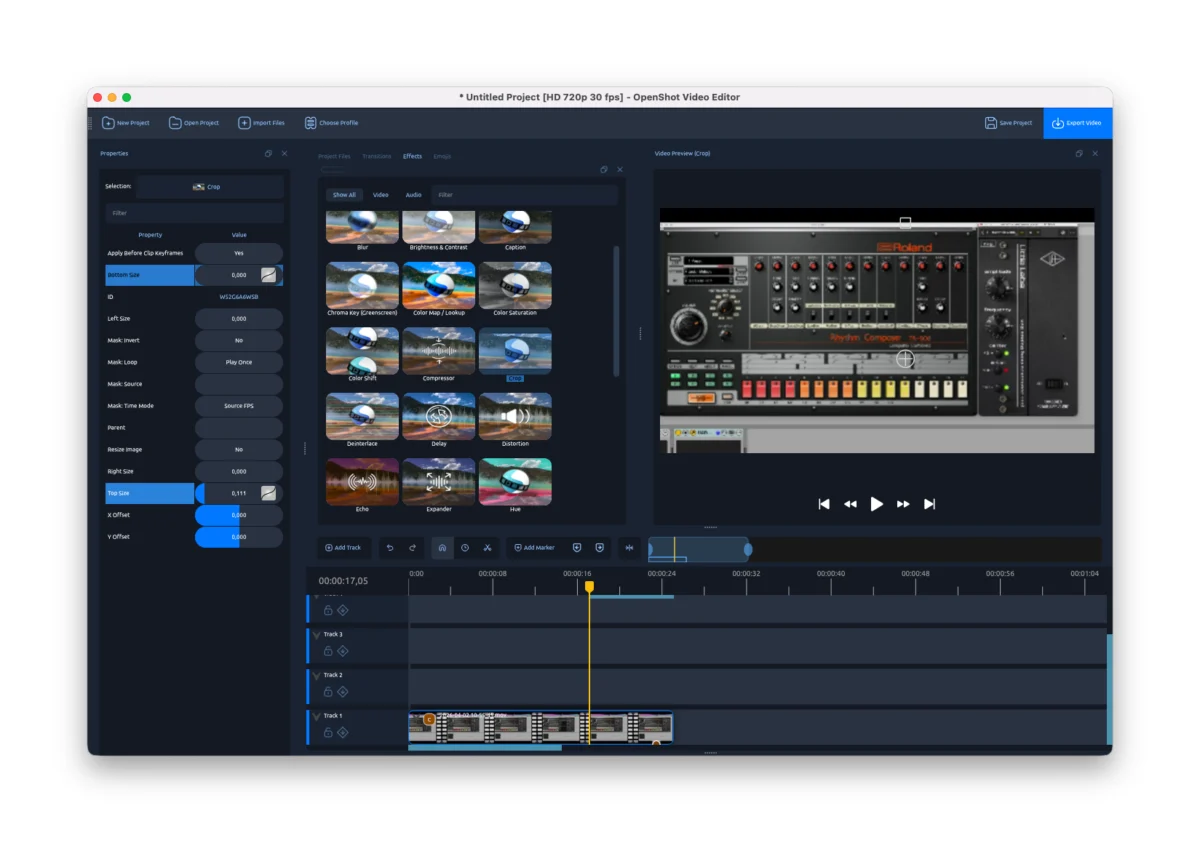
The landscape of video editing software has seen a significant evolution with the recent release of OpenShot version 3.5. This major update, rolled out in March, marks a pivotal moment for the free and open-source video editor, which has been under active development for 18 years. Available across macOS, Windows, and Linux, OpenShot 3.5 boasts substantial improvements in speed, editing workflow, and audio handling, positioning it as a compelling option for a broad spectrum of users, from hobbyists to professionals experimenting with cutting-edge technologies like artificial intelligence and cloud-based video processing.
A New Era of Performance and Functionality
OpenShot 3.5 represents one of the most substantial releases in the project’s nearly two-decade history, according to the development team. The primary focus of this update has been on enhancing performance and stability. Users can now expect a noticeably faster and smoother editing experience, which is crucial for efficient video production, especially when dealing with complex projects or high-resolution footage. The improvements extend to audio processing, a critical component of any video editing workflow, suggesting a more robust and reliable handling of sound elements.
While acknowledging that on macOS and Windows, OpenShot might not yet achieve the same level of polish as established commercial alternatives like DaVinci Resolve or Final Cut Pro, the developers emphasize the growing maturity and capability of the software. For users willing to invest a small amount of time adapting to OpenShot’s unique interface and workflow, the rewards can be significant. This latest release is described as laying a robust foundation for future advancements, hinting at new directions and expanded functionalities that will further solidify OpenShot’s appeal.
The Growing Importance of Open-Source Video Editing Tools
The release of OpenShot 3.5 underscores a broader trend: the increasing demand for and sophistication of open-source creative tools. Historically, the availability of high-quality, free, and open-source video editing software, particularly for Linux users, was limited. However, over the past decade, this situation has dramatically improved. Linux users now have a diverse range of mature options.
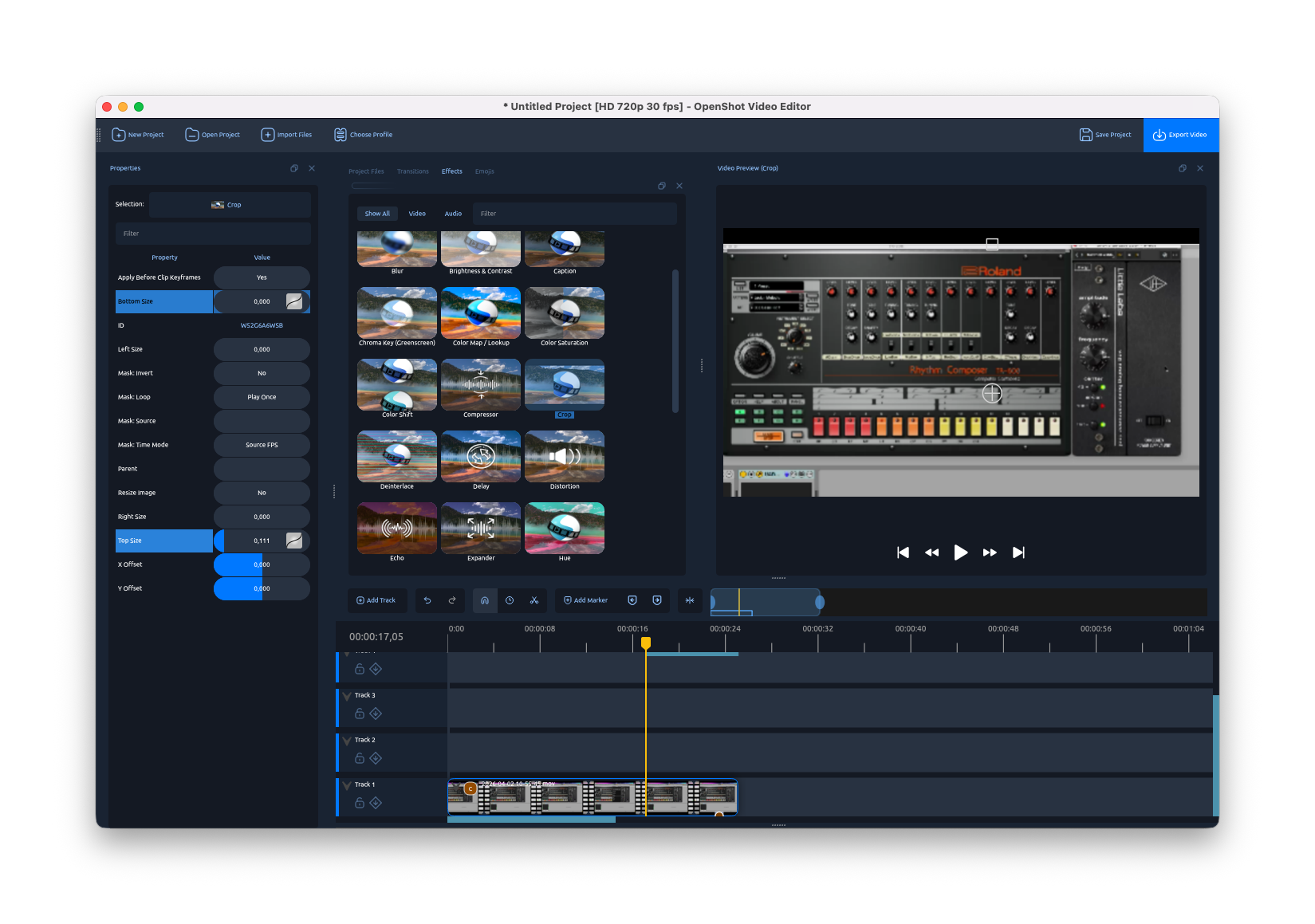
Beyond OpenShot, the Linux ecosystem benefits from the freemium, closed-source Pikimov, and even a native version of the professional-grade DaVinci Resolve. Installation of DaVinci Resolve on Linux has also become more streamlined, thanks to community efforts and simplified installation guides. On the open-source front, Kdenlive continues to be a leading contender, offering a comprehensive suite of features that rival many commercial NLEs (Non-Linear Editors).
OpenShot’s resurgence, however, is not solely a boon for Linux users. Its cross-platform availability and continuous improvement make it a valuable tool for anyone seeking a capable video editor, regardless of their operating system. Even for users who primarily rely on other editing software, OpenShot’s distinctive feature set might make it a worthwhile addition to their toolkit for specific tasks or experimental projects.
Key Features and Workflow Enhancements in OpenShot 3.5
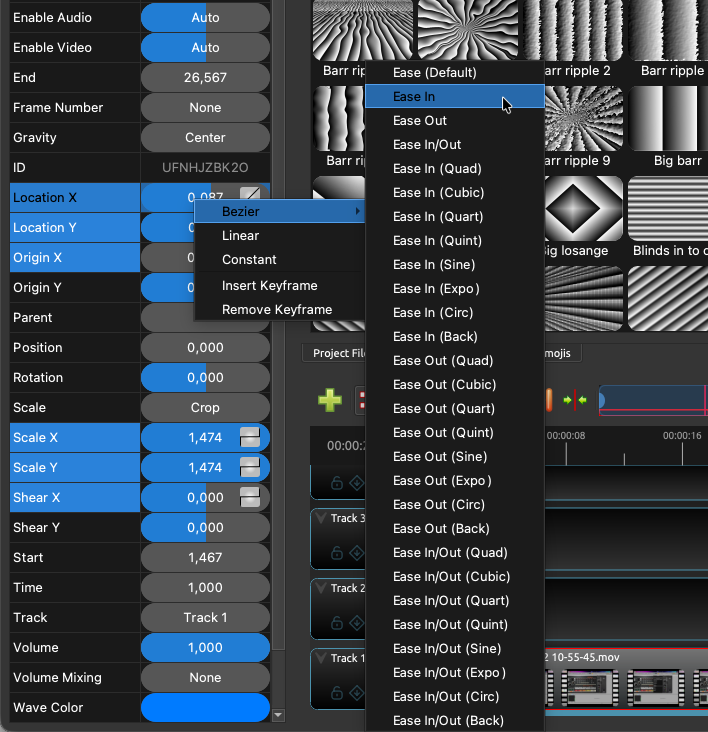
OpenShot 3.5 introduces several notable features and improvements that enhance its usability and creative potential. One area that has seen particular attention is animation and keyframing. The software now offers an exceptionally intuitive way to set up keyframes and animations, coupled with an extensive range of easing options. This level of granular control over motion and timing is a significant advantage for users aiming for polished visual effects and dynamic storytelling. The developers have made it remarkably easy to adjust parameters mid-clip, with the software automatically creating keyframes to initiate animation. This streamlined approach allows for quick adjustments and a more fluid animation process.
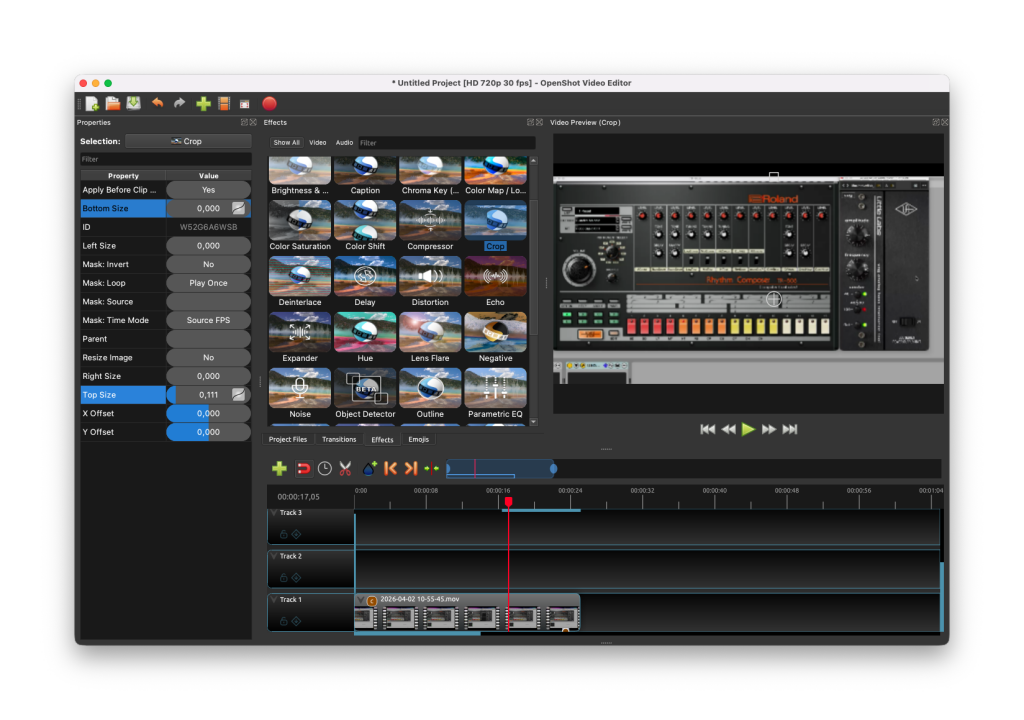
Furthermore, OpenShot 3.5 enhances direct manipulation of video elements within the viewport. Handles and visual controls allow users to make adjustments to video properties directly on the timeline or canvas, reducing the need to navigate through complex menus. This WYSIWYG (What You See Is What You Get) approach speeds up the editing process and provides immediate visual feedback.
The software also boasts a unique and artistically curated collection of transitions and effects. These elements can help users add visual flair and professional polish to their projects without requiring extensive technical knowledge. The variety and creativity of these built-in assets contribute to OpenShot’s appeal as a tool for both quick edits and more elaborate productions.
Embracing Emerging Technologies: AI and Cloud Integration
A significant aspect of OpenShot 3.5’s evolution is its embrace of emerging technologies, particularly artificial intelligence (AI) and cloud computing. The development team has been integrating machine learning-based effects since version 2.6, and this trajectory continues with the latest release. This opens up exciting possibilities for users interested in exploring AI-powered video manipulation.
OpenShot 3.5 provides a platform for local model integration, such as with the open-sourced Wan2.1 project. This capability allows users to experiment with advanced AI functionalities, including upscaling, generative video effects, and other forms of automation, directly within their editing workflow. While the rapid advancement of AI in video generation can evoke concerns about potential misuse for generating low-quality content, OpenShot’s open-source nature also fosters innovation and experimentation. The potential for users to create novel effects, animations, cropping automations, and other sophisticated visual manipulations through AI is immense.
The integration of AI opens doors for experimental work and for exploring new creative avenues that were previously inaccessible to many. This positions OpenShot not just as a traditional video editor but also as a gateway into the burgeoning field of AI-driven content creation.
Cloud-Based Video Processing: A Glimpse into the Future
Another groundbreaking capability highlighted by the OpenShot team is its potential for cloud-based video processing. The OpenShot Cloud API tutorial demonstrates how users can leverage the software’s functionalities remotely, opening up new paradigms for collaboration and distributed rendering. This ability to run OpenShot in the cloud has significant implications for scalability, accessibility, and workflow efficiency, particularly for large-scale projects or teams working across different locations.
The cloud API can facilitate automated video production pipelines, enabling users to programmatically generate, edit, and render videos without direct manual intervention. This is particularly relevant for content creators who need to produce large volumes of video content, such as personalized marketing videos, automated news reports, or social media clips. The implications for businesses and developers are substantial, offering a flexible and powerful solution for video automation and processing at scale.
A Look Back at Recent Developments
The release of OpenShot 3.5 is not an isolated event but rather the culmination of a series of significant updates over the past several months. Previous releases, such as 3.4, 3.3, and earlier iterations, have steadily introduced performance enhancements, stability improvements, and new features. This consistent development cycle demonstrates the project’s commitment to iterative improvement and its responsiveness to user feedback.
For instance, OpenShot 3.4 was lauded for its increased speed and stability, alongside a raft of new features. Prior to that, OpenShot 3.3 was noted for its user-centric design and enhancements that catered to the evolving needs of video editors. This sustained effort in refining the software indicates a dedicated development team focused on building a robust and user-friendly NLE.
OpenShot vs. Kdenlive: Complementary Strengths in the Open-Source Arena
When discussing open-source video editing, it is essential to acknowledge the strengths of other prominent tools. Kdenlive, as previously mentioned, remains a highly capable and feature-rich NLE that operates on macOS, Windows, and Linux. For users seeking an all-encompassing solution with a deep feature set comparable to professional commercial software, Kdenlive is often the go-to choice.
However, OpenShot carves out its niche as a more lightweight and accessible entry point into video editing. It excels in specific areas such as quick edits, animation tasks, and its burgeoning support for AI and cloud-based workflows. Its ease of use for setting up animations and its direct manipulation features make it particularly attractive for users who prioritize speed and intuitive control for these particular aspects of video production. Therefore, rather than viewing OpenShot and Kdenlive as direct competitors, it is more accurate to consider them as complementary tools within the open-source ecosystem, each catering to different user needs and preferences.
Conclusion: A Promising Future for Open-Source Video Editing
OpenShot 3.5 represents a significant leap forward for this established open-source video editor. The substantial performance gains, enhanced editing capabilities, and forward-thinking integration of AI and cloud technologies position OpenShot as a powerful and versatile tool for a wide range of users. While it continues to mature and refine its user experience, its commitment to being free, open-source, and cross-platform ensures its continued relevance and appeal in the dynamic world of digital media creation. For anyone looking for a capable, accessible, and increasingly innovative video editing solution, OpenShot 3.5 warrants serious consideration. The project’s 18-year journey is a testament to the enduring power of open-source development, and this latest release signals an exciting future for video editing.