Reynand Wu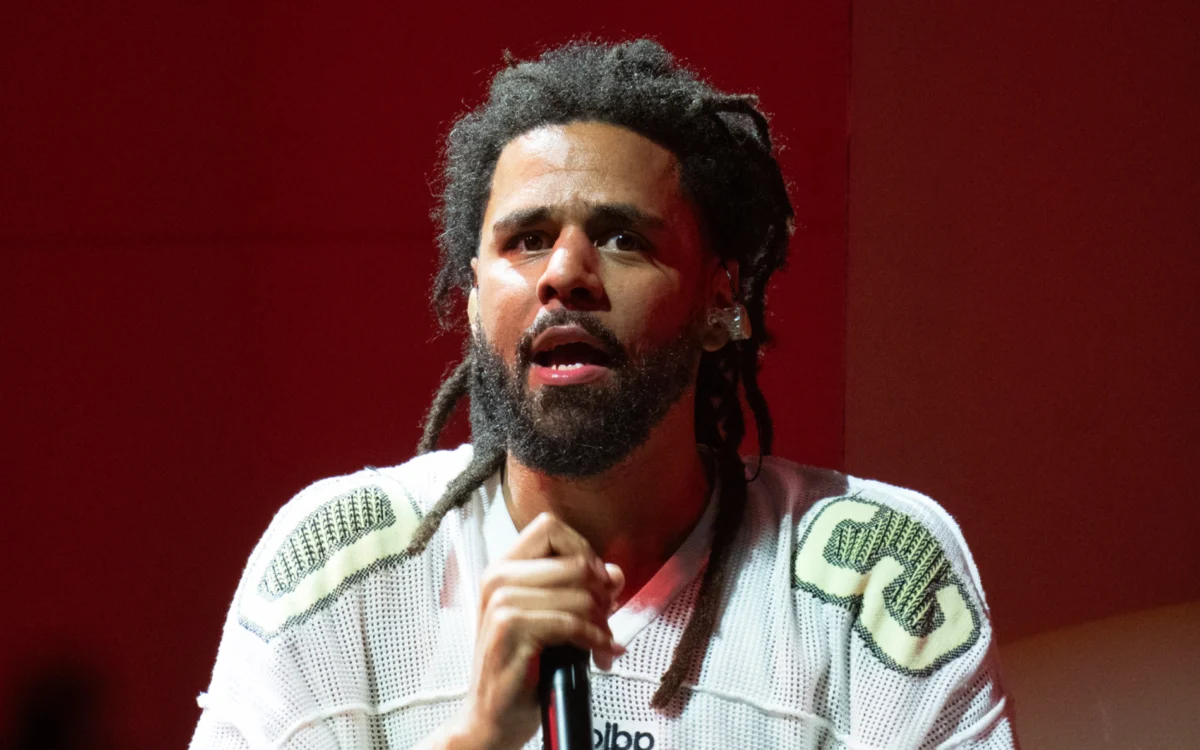
In a revelation that has sent ripples through the hip-hop community, multi-platinum artist J. Cole has disclosed his current primary lyrical fascination, a choice far removed from the genre’s typical "Mount Rushmore" figures. During a promotional interview for his highly anticipated album, The Fall-Off, with the popular YouTube channel Lost In Vegas, Cole unequivocally named Wu-Tang Clan affiliate Killah Priest as the rapper whose work he is currently "bumping," citing a profound artistic awakening triggered by one of Priest’s lesser-known, yet deeply complex, tracks. This endorsement from one of hip-hop’s most revered contemporary lyricists is poised to reignite interest in a veteran underground artist celebrated for his esoteric and profoundly philosophical contributions to the genre.
The Unexpected Endorsement: Unpacking J. Cole’s Choice
The disclosure came during a segment of the Lost In Vegas interview where J. Cole was prompted to identify MCs he was actively listening to, specifically excluding the usual pantheon of legends such as JAY-Z, Nas, 2Pac, and The Notorious B.I.G. Cole’s response was swift and definitive: "The first answer that comes to my mind is somebody that I’ve been playing the last month — this one song in particular. And it made me dive back into some of the shit he’s been releasing over the years. It’s gonna be hella left-field… but Killah Priest."
This "left-field" selection is particularly noteworthy given J. Cole’s own standing as a commercially successful artist who has consistently championed lyrical integrity and thoughtful storytelling throughout his career. His decision to spotlight Killah Priest, an artist with a formidable but largely underground following, speaks volumes about Cole’s deep appreciation for the craft and his willingness to look beyond mainstream recognition for true artistic merit. The interview, part of Cole’s extensive press tour for The Fall-Off, has become a focal point for fans eager to understand the influences shaping his upcoming work.
The Genesis of Discovery: "NASA Case" and the "Trunk Sale Tour"
Cole’s journey into Killah Priest’s extensive catalog began with a serendipitous encounter with the track "NASA Case" during his recent "Trunk Sale Tour." He admitted that, prior to this discovery, his familiarity with Priest’s work was largely confined to the iconic 1995 track "B.I.B.L.E. (Basic Instructions Before Leaving Earth)," a solo standout featured on GZA’s critically acclaimed and commercially successful album, Liquid Swords. "B.I.B.L.E." has long been revered as a lyrical masterpiece, showcasing Priest’s distinct style of spiritual and metaphorical wordplay, and remains a foundational text for many hip-hop enthusiasts. However, it was "NASA Case" that truly opened Cole’s eyes to the depth of Priest’s artistic vision.
"I played this song and this shit… it’s crazy. I didn’t know what the fuck to expect; I just clicked [on it]. It’s nine and a half minutes," Cole recounted during the interview. He further elaborated on the unconventional nature of the track: "It’s not a style that’s normally the one I gravitate to. It’s super dense, it’s super — I’m not even going to say poetic. It’s prose. It’s like a book, damn near. And he’s telling this story." This description highlights the track’s departure from typical song structures, leaning instead into a narrative form that demands dedicated attention from the listener. The nearly ten-minute runtime of "NASA Case" is a testament to Killah Priest’s commitment to expansive storytelling, a characteristic that often sets underground artists apart from their mainstream counterparts who typically adhere to shorter, more radio-friendly formats.
The Conversion: From Listener to Devoted Fan
J. Cole’s initial experience with "NASA Case" was one of awe mixed with a struggle for immediate comprehension. "Bro, I shit you not, I’m listening to it and I’m like, ‘I can’t exactly follow what he’s talking about.’ I’m getting enough, though, to keep me hooked," he confessed. This candid admission underscores the intellectual challenge and reward inherent in Killah Priest’s music. Unlike many contemporary tracks designed for instant gratification, "NASA Case" requires multiple listens and a deep engagement to fully unravel its intricate layers.
It was through this process of repeated listening and intense study that Cole’s appreciation transformed into profound admiration. "I listened to that song, I shit you not, like nine times in a row because every time I listened to it again, the story got clearer and clearer," he revealed. The gradual elucidation of the narrative and the conceptual brilliance behind it led Cole to exclamations of wonder. "And I’m like, ‘Oh my God! Is this ngga an alien?!’… By the time I’m done with my ninth listen and I see the concept he’s playing with, I’m like, ‘Oh my God, is this ngga from another dimension and he knows some shit we don’t know?!’" These dramatic reactions from J. Cole emphasize the unique, almost transcendent quality he found in Killah Priest’s lyrical architecture. The song’s ability to reveal new depths with each listen cemented its place in Cole’s current rotation, making it "one of the only songs outside of my album that I’m playing ’cause it’s so enjoyable and I’m so amazed with what this dude did… Shout out to Killah Priest, man."
Killah Priest: A Legacy of Lyrical Depth and Esotericism
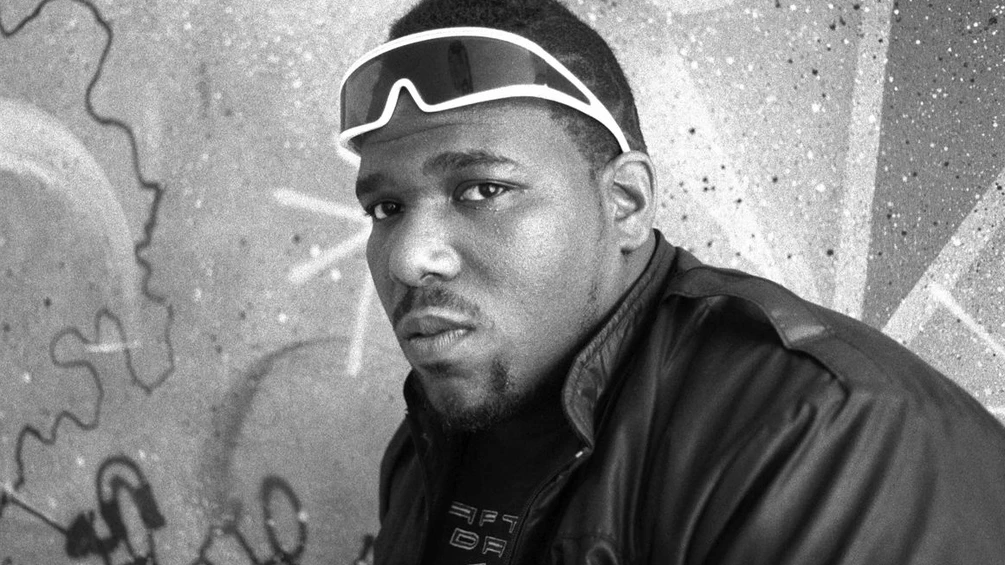
Killah Priest, born Walter Reed, emerged from the vibrant and lyrically rich East Coast hip-hop scene of the early 1990s as a prominent affiliate of the legendary Wu-Tang Clan. While not an official member, his close ties to the group, particularly GZA and RZA, provided him a significant platform and introduced him to a global audience. His distinct lyrical style, characterized by its philosophical depth, spiritual allusions, abstract imagery, and often apocalyptic themes, quickly set him apart.
His debut album, Heavy Mental, released in 1998, remains a cult classic, celebrated for its ambitious concepts and dense lyrical tapestries. Tracks like "One Step" and "Cross My Heart" showcased his ability to weave intricate narratives steeped in mysticism and social commentary. Over the decades, Priest has maintained a prolific output, releasing numerous albums such as Priesthood (2001), The Psychic World of Walter Reed (2013) – which houses "NASA Case" – and The Untold Story of Walter Reed (2020). Despite critical acclaim from dedicated fans and underground critics, his work has largely remained outside the commercial mainstream, appealing instead to a niche audience that values lyrical complexity and intellectual engagement above all else. His consistent commitment to his unique artistic vision, often at the expense of broader commercial appeal, has solidified his status as a revered figure within the more intellectual echelons of hip-hop.
"NASA Case," from The Psychic World of Walter Reed, exemplifies Priest’s mature style. The album itself, a double-disc endeavor, was lauded for its expansive scope and lyrical density, further cementing Priest’s reputation as a master storyteller and conceptual artist. The track’s length and intricate narrative structure are characteristic of an artist unburdened by commercial pressures, dedicated solely to the full expression of his artistic vision.
J. Cole’s Curatorial Influence and Hip-Hop’s Lyrical Pedigree
J. Cole’s endorsement of Killah Priest carries significant weight within the hip-hop ecosystem. As a multi-platinum artist with a dedicated fanbase, a successful record label (Dreamville Records), and a reputation for lyrical prowess, Cole’s words resonate far beyond typical fan recommendations. He is widely regarded as one of the genre’s most skilled wordsmiths, known for his intricate rhyme schemes, compelling storytelling, and profound introspection. His consistent championing of lyrical skill throughout his career, from his early mixtapes to his chart-topping albums, reinforces his credibility as a discerning critic of the craft.
This isn’t the first time Cole has highlighted his lyrical inspirations from the golden age of hip-hop. Looking back on his formative years, he specifically named Canibus and Royce Da 5’9" as two MCs who commanded his reverence as a lyrics-obsessed teenager. Canibus, known for his battle rap prowess and intricate, often verbose, lyrical style, and Royce Da 5’9", celebrated for his technical skill and complex rhyme patterns, represent a lineage of rappers who prioritized wordplay and conceptual depth. Cole’s consistent admiration for such artists underscores his own artistic philosophy and provides context for his deep appreciation of Killah Priest’s work. By spotlighting Priest, Cole not only elevates an underappreciated veteran but also signals his continued dedication to the foundational principles of lyrical artistry that define a significant segment of hip-hop culture.
Broader Implications for Hip-Hop and Artist Visibility
The ripple effects of J. Cole’s endorsement are likely to be substantial. For Killah Priest, this co-sign from one of hip-hop’s biggest stars could translate into a significant surge in visibility and renewed interest in his extensive catalog. Anecdotal evidence from similar endorsements in the past suggests that streaming numbers for "NASA Case" and Priest’s other works could see a considerable uptick, potentially introducing his music to a new generation of listeners who might not have otherwise encountered his unique artistry. This exposure can lead to increased album sales, higher streaming royalties, and a broader appreciation for an artist who has consistently produced high-quality, thought-provoking music for decades.
Beyond Killah Priest himself, Cole’s statement has broader implications for the independent and underground hip-hop scene. It serves as a powerful reminder that profound artistic merit often exists outside the glare of mainstream media and commercial success. In an era dominated by viral trends and short attention spans, a mainstream artist advocating for deep listening and lyrical complexity can inspire fans to delve deeper into the genre’s rich tapestry and discover other unsung heroes. This could potentially foster a renewed appreciation for lyrical substance over fleeting commercial appeal, encouraging a more critical and engaged listening culture.
Moreover, the Lost In Vegas platform, known for its in-depth music reactions and interviews, has played a crucial role in disseminating this revelation. Their format, which often involves dissecting songs and engaging in detailed discussions, provides the perfect environment for an artist like J. Cole to articulate his nuanced appreciation for complex music. This highlights the growing influence of independent digital platforms in shaping musical discourse and connecting artists with discerning audiences.
The Anticipation for ‘The Fall-Off’
J. Cole’s decision to reveal his current lyrical inspiration during his press run for The Fall-Off is not merely an interesting anecdote; it offers a glimpse into the artistic mindset that may be influencing his upcoming project. The Fall-Off is one of the most anticipated albums in hip-hop, rumored to be Cole’s final major release, and as such, expectations for its lyrical depth, conceptual ambition, and overall artistic statement are exceptionally high. By championing Killah Priest’s dense, narrative-driven, and intellectually challenging work, Cole may be subtly signaling the kind of intricate storytelling and profound introspection that listeners can expect from his own impending masterpiece. It suggests a commitment to pushing lyrical boundaries and delivering an album that rewards deep engagement, much like the Killah Priest tracks that have so captivated him.
In conclusion, J. Cole’s unexpected endorsement of Killah Priest is more than just a personal preference; it is a significant cultural moment in hip-hop. It shines a powerful spotlight on an underappreciated veteran, reaffirms Cole’s own commitment to lyrical integrity, and encourages a broader re-evaluation of what constitutes artistic excellence in the genre. As hip-hop continues to evolve, moments like these serve as vital reminders of its rich history, its diverse artistic landscape, and the enduring power of profound lyrical expression.