Aveline Kirana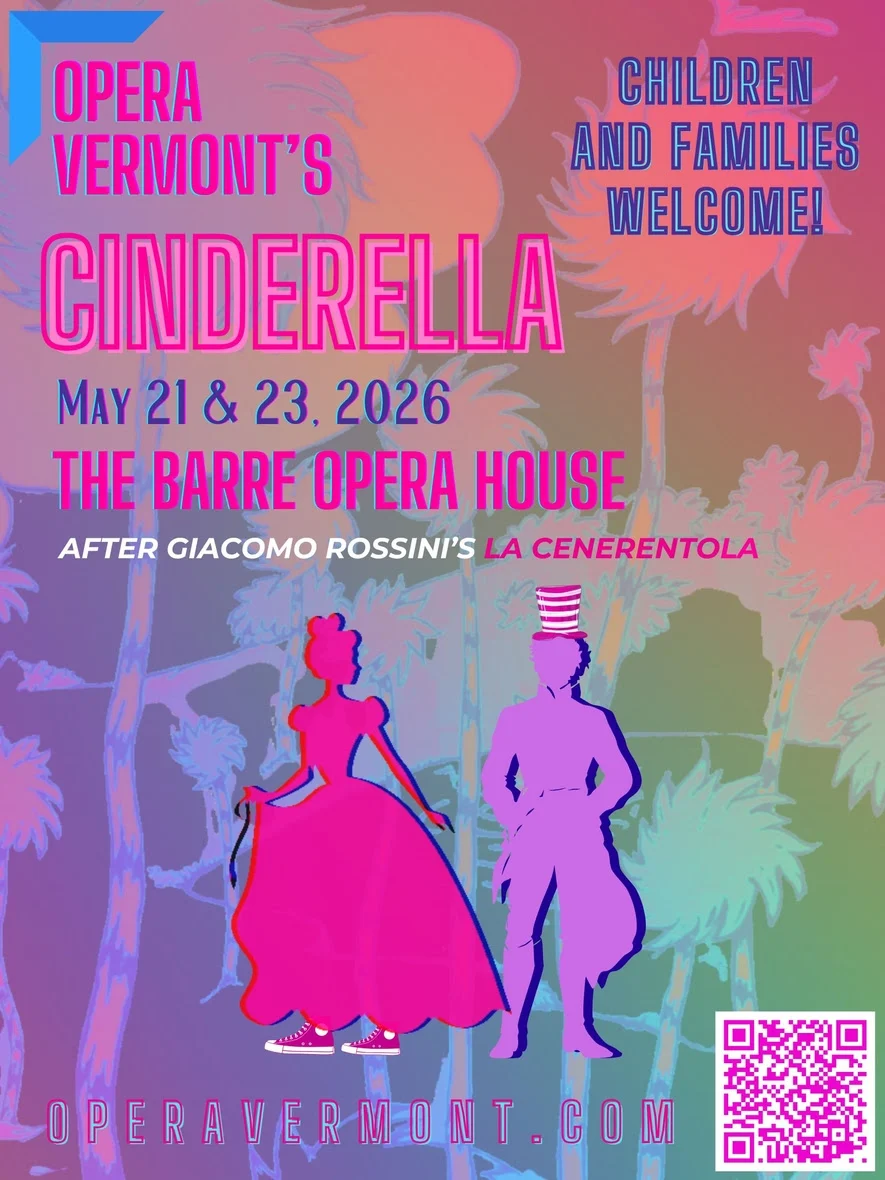
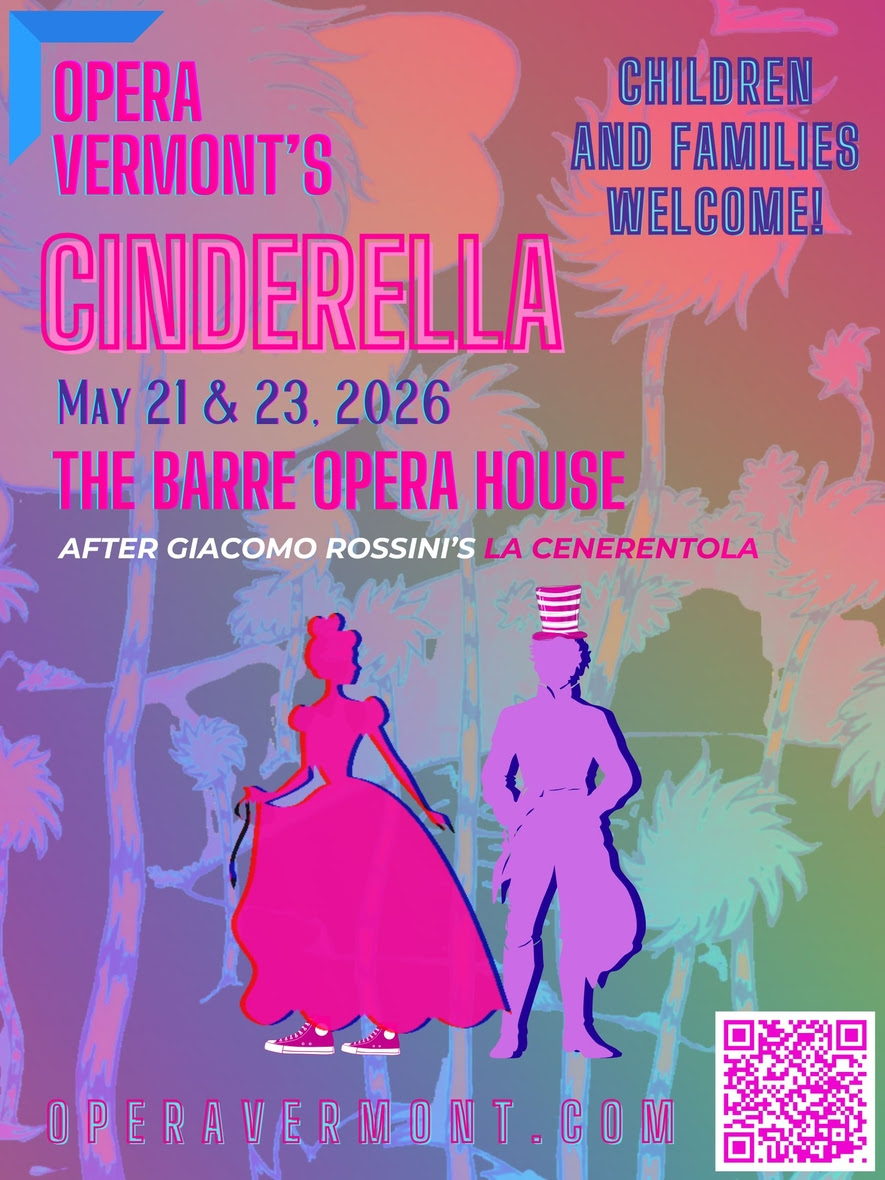
Opera Vermont is poised to captivate audiences with its upcoming presentation of Gioachino Rossini’s beloved opera buffa, "La Cenerentola." Under the visionary direction of Artistic Director Joshua Collier, this production promises a fresh and engaging theatrical experience, transporting the classic tale to a vibrant, "Seussian-esque" universe. Collier, renowned for his ability to imbue timeless masterpieces with innovative and insightful perspectives, aims to challenge the perception that opera is solely a domain for adults, often characterized by tragic and serious themes. His artistic philosophy emphasizes the accessibility and inherent joy of the operatic art form, a sentiment he articulated in a recent statement, expressing a "concern today that opera is only for adults, and must be tragic and serious in order to be honest to the art form."
The cast for this highly anticipated production features a talented ensemble, including Rachel Deatherage in the titular role of Cinderella, Eric Sebek as Prince Ramiro, Darrell J. Jordan as Dandini, Corrie Lotito as Tisbe, Nick Connolly as Don Magnifico, Kate Fruchterman as Clorinda, and Erin Sura as Alidoro. Leading the orchestra will be conductor Cailin Marcel Manson, whose baton will guide the renowned score through its intricate melodies and comedic timing. Opera Vermont’s commitment to presenting both accessible and comprehensive operatic experiences is reflected in their programming for "La Cenerentola." The opera will be offered in two distinct formats: a streamlined 50-minute Matinee version, designed to introduce younger audiences and those new to opera to its magic, and a full orchestral production, allowing seasoned opera enthusiasts to immerse themselves in the complete grandeur of Rossini’s masterpiece. Performances are scheduled for May 21st, featuring the Matinee version, and May 23rd, showcasing the full orchestral rendition.
The Enduring Appeal of Rossini’s La Cenerentola
Gioachino Rossini’s "La Cenerentola," composed in 1817, remains one of the most frequently performed operas in the repertory, a testament to its sparkling music, witty libretto, and universally relatable story. Based loosely on the Cinderella fairy tale, Rossini and his librettist Jacopo Ferretti ingeniously adapted the narrative to fit the conventions of opera buffa, replacing the fairy godmother with a philosopher and the glass slipper with a bracelet. The opera is celebrated for its intricate vocal ensembles, dazzling coloratura passages, and infectious humor. Rossini’s masterful use of leitmotifs and his signature "Rossini crescendo" imbue the work with a dynamic energy that has captivated audiences for over two centuries.
"La Cenerentola" tells the story of Angelina (Cenerentola), a kind-hearted young woman forced into servitude by her cruel stepfather, Don Magnifico, and her two stepsisters, Tisbe and Clorinda. Unbeknownst to her, Prince Ramiro is seeking a bride and, disguised as his own valet, visits Don Magnifico’s household. Cenerentola captures the Prince’s heart with her grace and beauty, but is forced to flee before revealing her identity, leaving behind only a bracelet. The Prince vows to find the mysterious woman who has enchanted him, leading to a series of comedic misunderstandings and a joyous reunion. The opera’s enduring appeal lies in its optimistic message of hope, virtue rewarded, and the triumph of good over adversity, themes that resonate across generations and cultures.
Artistic Vision: A "Seussian-esque" Universe
Artistic Director Joshua Collier’s vision for Opera Vermont’s "La Cenerentola" deviates from traditional stagings, aiming to create a world that is both visually striking and thematically resonant. The "Seussian-esque" aesthetic, inspired by the whimsical and imaginative works of Dr. Seuss, suggests a production characterized by vibrant colors, playful architecture, and an overall sense of delightful absurdity. This approach is not merely superficial; it is a deliberate choice to make opera more approachable and engaging for a wider audience.
Collier’s stated concern that opera is perceived as exclusively for adults, and that its seriousness is a prerequisite for honesty, underscores a broader movement within the opera world to demystify the art form and showcase its inherent theatricality and emotional range. By situating "La Cenerentola" in a fantastical, almost dreamlike environment, Collier is likely seeking to tap into the universal wonder and imagination that opera, at its best, can evoke. This "Seussian-esque" universe could manifest in inventive costume designs, surreal set pieces, and perhaps even a heightened sense of physical comedy, all contributing to an atmosphere of pure theatrical delight. This innovative approach aligns with the opera’s inherent comedic nature, allowing for a playful exploration of its characters and plot.
The Cast and Creative Team
The success of any operatic production hinges on the talent of its performers and the collaborative spirit of its creative team. Opera Vermont has assembled a strong ensemble for "La Cenerentola." Rachel Deatherage, who takes on the demanding role of Cenerentola, is known for her vocal agility and expressive interpretations. Eric Sebek, as the charming Prince Ramiro, will undoubtedly bring a compelling stage presence to the romantic lead. Darrell J. Jordan’s portrayal of the wily valet Dandini promises to be a comedic highlight, while Corrie Lotito and Kate Fruchterman, as the unpleasant stepsisters Tisbe and Clorinda, will no doubt relish their opportunities for mischief and vocal fireworks. Nick Connolly as the pompous Don Magnifico and Erin Sura as the wise Alidoro round out a cast poised to deliver memorable performances.
Under the baton of Cailin Marcel Manson, the orchestra will be instrumental in bringing Rossini’s effervescent score to life. Manson’s conducting is expected to balance the opera’s demanding technical passages with its comedic wit and emotional depth, ensuring that the music serves as a vibrant narrative force. The synergy between the conductor, singers, and the inventive staging will be crucial in realizing Collier’s unique vision for this production.
Performance Schedule and Accessibility
Opera Vermont’s thoughtful scheduling of "La Cenerentola" demonstrates a commitment to broadening access to opera. The presentation of a 50-minute Matinee version on May 21st is a strategic move to attract families and individuals who may be new to opera or have limited time. This condensed format allows for a focused introduction to the story and music, making it an ideal entry point for younger audiences and those seeking a more accessible operatic experience. The inclusion of a full orchestral version on May 23rd ensures that the complete artistic integrity of Rossini’s masterpiece is preserved for those who wish to experience its full richness and complexity.
This dual approach addresses the evolving landscape of arts consumption, recognizing the need for diverse programming models to engage a wider demographic. By offering both a shorter, more digestible version and the complete operatic experience, Opera Vermont positions itself as an inclusive organization dedicated to nurturing new opera lovers while satisfying the expectations of its established audience. Such initiatives are vital for the continued growth and relevance of opera in contemporary society.
Broader Implications for the Opera World
Joshua Collier’s artistic philosophy and Opera Vermont’s programming choices for "La Cenerentola" reflect a growing trend within the opera industry: a conscious effort to break down perceived barriers and make opera more relevant and engaging for 21st-century audiences. The notion that opera must always be "tragic and serious" to be "honest" is a limiting perspective that overlooks the genre’s inherent theatricality, its capacity for profound emotional expression across a spectrum of human experience, and its historical roots in comedy and entertainment.
By embracing a "Seussian-esque" aesthetic, Opera Vermont is not trivializing the art form but rather employing imaginative storytelling and visual spectacle to amplify its inherent appeal. This approach can foster a deeper connection with audiences by tapping into universal themes of wonder, humor, and the triumph of the underdog, all of which are central to "La Cenerentola." Such innovative productions can serve as vital bridges, introducing opera to individuals who might otherwise feel intimidated or disconnected from the art form. The success of such initiatives can have a ripple effect, encouraging other opera companies to explore bold artistic choices and diverse programming strategies. Ultimately, by demonstrating that opera can be both artistically rigorous and joyously accessible, Opera Vermont’s "La Cenerentola" has the potential to contribute significantly to the ongoing evolution and enduring vitality of the operatic tradition.