Kholidah
Ghost9 member Prince, a prominent figure in the fourth generation of K-pop, has reportedly faced a series of distressing travel complications while performing international schedules, raising significant questions regarding the management protocols of his agency, Maroo Entertainment. The idol, whose birth name is Prasidh Vatani, recently shared a detailed account of being left behind in Japan and subsequently detained at immigration, an incident that echoes previous logistical failures that have hindered his career. This latest development has sparked a broader conversation within the music industry concerning the duty of care that talent agencies owe to their foreign-born artists, particularly regarding international travel and legal documentation.
The Sequence of Events in Japan
The recent series of events began during Ghost9’s scheduled activities in Japan. According to accounts shared by the artist himself via social media platforms, the complications started upon his initial arrival in the country. Prince was reportedly detained by Japanese immigration officials for an unspecified period. While the situation was eventually resolved, allowing him to participate in the group’s planned promotional events, it served as a precursor to a more severe logistical breakdown during the return leg of the trip.
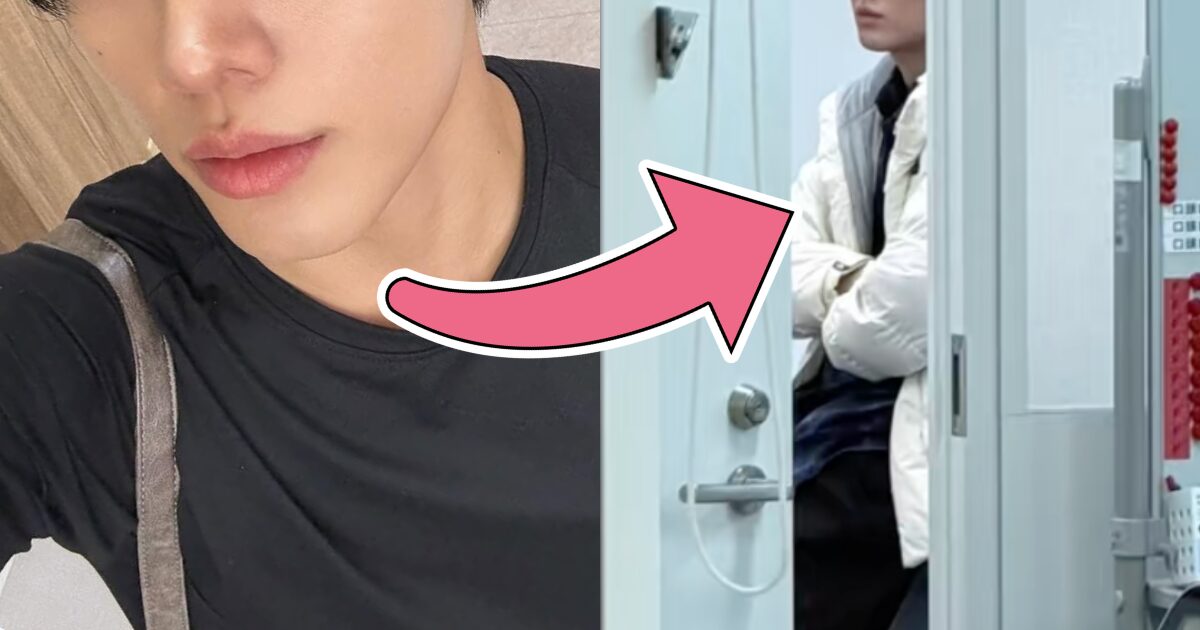
As the group prepared to depart Japan for their next destination, Prince discovered that he could not locate his passport. In the fast-paced environment of international K-pop touring, where flight schedules are rigid and group movements are strictly timed, the loss of travel documents presents a critical crisis. However, rather than the agency’s management staff remaining behind to assist the artist in navigating the legalities of a lost passport in a foreign country, the remainder of the group and the accompanying staff reportedly boarded their scheduled flight, leaving Prince to resolve the situation independently.
Left alone in Japan, Prince was forced to utilize public search engines to determine the necessary steps for securing an emergency travel document. The artist noted that he had to "Google" the procedures for obtaining a temporary passport from the Thai embassy, a task typically handled by an agency’s international operations or legal department. After successfully obtaining the emergency documentation, Prince attempted to return to South Korea, only to find that his status as a foreign national with temporary papers complicated his re-entry.
Secondary Detention and Return to Thailand
Unable to return directly to South Korea, Prince was forced to redirect his travel to his home country, Thailand. The ordeal did not end with his arrival in Bangkok; the artist reported that he was once again detained by immigration officials upon landing. This secondary detention further highlighted the precarious nature of his travel status and the lack of professional intervention from his management.

The timeline of these events suggests a significant lapse in the administrative support system that is supposed to protect idols during overseas tours. Industry standards for K-pop management usually dictate that a dedicated manager or a member of the "Artist Management" team handles the passports and travel documents of the idols, especially those who are foreign nationals, to prevent exactly the type of situation Prince encountered.
A Pattern of Management Negligence
The gravity of the Japan incident is amplified by the fact that it is not the first time Prince has faced severe travel-related setbacks due to administrative errors by Maroo Entertainment. In a previous incident that went viral among K-pop followers, Prince was forced to remain in Thailand for an extended period because his agency failed to file the necessary paperwork to extend his South Korean work visa.
Foreign idols in South Korea typically operate under the E-6 (Culture and Establishment) visa. This visa requires periodic renewals and is strictly tied to the artist’s contract with their sponsoring agency. If an agency fails to monitor the expiration dates or provide the Ministry of Justice with updated documentation, the artist becomes an illegal resident or is barred from re-entry if they are currently abroad. In Prince’s previous case, the oversight resulted in a forced hiatus, during which he was unable to participate in group activities, effectively stalling his professional momentum and causing significant distress.

The recurrence of such issues suggests a systemic failure within Maroo Entertainment’s administrative wing. For a fourth-generation group like Ghost9, which operates in a highly competitive global market, such logistical failures not only affect the individual artist’s well-being but also damage the group’s overall brand and reliability for international promoters.
The Legal and Ethical Obligations of K-pop Agencies
The relationship between a K-pop idol and their agency is governed by a "Standard Exclusive Contract" mandated by the Fair Trade Commission (FTC) in South Korea. Under these contracts, the agency is not only responsible for the artist’s training and promotion but also for their "personal safety and management."
Legal experts in the entertainment field argue that abandoning a minor or a young adult artist in a foreign country without documentation could potentially constitute a breach of the duty of care. While the loss of a passport is an individual error, the management’s decision to leave the artist behind to navigate foreign bureaucracy alone is viewed by many as a failure of professional responsibility.

Furthermore, the management of foreign idols requires a higher degree of diligence. Non-Korean members often face language barriers and a lack of familiarity with the specific legal requirements of international travel between third-party countries (such as traveling from Japan to Thailand while holding a South Korean work visa). The fact that Prince had to rely on Google to solve a legal crisis in Japan suggests a total absence of the "concierge-style" management that is industry-standard for major and even mid-tier K-pop labels.
Industry Reactions and Public Sentiment
The reaction from the global K-pop community has been one of overwhelming concern and criticism toward Maroo Entertainment. Netizens and fans (known as "Ghostie") have pointed out that while idols are often portrayed as glamorous stars, they are essentially employees who depend entirely on their companies for logistical survival during tours.
On social media platforms, fans have shared screenshots of Prince’s updates, expressing disbelief that a professional agency would allow an artist to be detained twice in one trip without immediate intervention. The hashtag campaigns calling for better treatment of foreign idols have gained traction, highlighting a growing demand for transparency and accountability in how agencies manage their "non-native" talent.

Supporting data from recent years shows a trend of "middle-tier" agencies struggling to provide the same level of security and administrative support as the "Big Four" (HYBE, SM, YG, and JYP). While the top-tier companies employ entire departments dedicated to visa compliance and international logistics, smaller firms often consolidate these roles, leading to the type of oversights that have plagued Prince’s career.
Analysis of Implications for Foreign Idols
The plight of Prince serves as a cautionary tale for the increasing number of foreign trainees seeking careers in the K-pop industry. Currently, approximately 15% to 20% of active idols in new-generation groups are of non-Korean descent, hailing from countries such as Thailand, Japan, China, Vietnam, and the United States.
The specific vulnerabilities of these artists include:

- Visa Dependency: Their legal right to stay in South Korea is entirely controlled by the company.
- Logistical Isolation: In cases of travel mishaps, they may lack the local support networks (family/friends) that Korean members can rely on.
- Language Barriers: Navigating immigration or legal offices in a third country (like Japan) is significantly more difficult without professional translation and legal aid.
If agencies continue to demonstrate negligence in these areas, it may lead to a chilling effect on international recruitment, or alternatively, a push for stronger unionization or legal protections for foreign entertainers in South Korea.
Conclusion and Future Outlook
As of the time of reporting, Maroo Entertainment has not issued a formal statement regarding the specific circumstances that led to Prince being left in Japan or the subsequent detentions. The silence from the agency has only intensified the scrutiny from fans and industry observers who are calling for a reform in the group’s management structure.
Ghost9, which debuted in September 2020, has shown significant potential through their "NOW" series and high-energy performances. However, the recurring theme of "abandonment" and "administrative neglect" surrounding their only Thai member threatens to overshadow their musical achievements. For Prince, the road back to South Korea and the resumption of his career remains a point of concern. This incident underscores the urgent need for K-pop agencies to prioritize the safety and legal security of their artists over the convenience of a flight schedule. The industry must recognize that an idol’s value is not just in their performance on stage, but in the professional respect and protection they are afforded by the entities that represent them.