Kholidah
The highly anticipated return of BIGBANG to the global stage at the 2026 Coachella Valley Music and Arts Festival was intended to be a triumphal celebration of one of K-pop’s most influential acts. While the group’s performance drew one of the largest crowds of the weekend, the aftermath has been characterized by a sharp divide between professional media critique and the defensive stance of the group’s massive global fanbase. Following a scathing report by the Korean media outlet TenAsia, which focused specifically on the vocal delivery of the group’s leader, G-Dragon, a wave of public support has emerged to contextualize the performance and challenge the narrative of a "vocal failure."
The Coachella Performance and Initial Media Reception
BIGBANG’s appearance at Coachella 2026 marked a significant milestone in the group’s storied career. After years of hiatus, individual military service, and shifts in the group’s lineup, the 2026 reunion was positioned as a definitive statement of their enduring relevance. On the night of the performance, the Sahara Tent—and the surrounding overflow areas—were packed to capacity, with industry analysts noting that the crowd size rivaled those of the festival’s primary headliners.

However, the narrative shifted quickly when TenAsia published a critical review titled with concerns regarding G-Dragon’s live vocal stability. The report suggested that G-Dragon, born Kwon Ji-yong, struggled with the technical demands of the set. Specifically, the critique pointed toward a perceived weakness in his high notes and visible signs of vocal strain throughout the high-energy performance. The article suggested that while the group’s stage presence remained formidable, the musical execution—particularly in the vocal department—fell short of the "legendary" standard expected of a group of BIGBANG’s stature.
A Chronology of the BIGBANG Coachella Narrative
To understand the weight of this criticism, one must look at the timeline leading up to the 2026 performance. The group was originally slated to perform at Coachella in 2020, an event that was ultimately canceled due to the global COVID-19 pandemic. This six-year delay served only to heighten the stakes for their eventual return.
- Late 2025: Rumors began circulating regarding a full-group BIGBANG reunion and a potential world tour, sparked by G-Dragon’s solo activities and cryptic social media posts.
- January 2026: Coachella officially announced BIGBANG as a featured act, leading to a surge in ticket interest from international K-pop fans.
- April 11, 2026: BIGBANG took the stage for their first set. The performance featured a medley of their greatest hits, including "Fantastic Baby," "Bang Bang Bang," and the more recent "Still Life."
- April 12, 2026: Domestic Korean media began publishing reviews. While international outlets praised the nostalgia and energy, TenAsia’s report focused on technical vocal flaws, triggering a viral debate on Korean community portals like TheQoo and Nate Pann.
- April 13, 2026: Fans and netizens responded en masse, providing video evidence and counter-arguments to the media’s "scathing" assessment.
Netizen Pushback: The "Rapper vs. Vocalist" Argument
The core of the defense from Korean netizens rests on the definition of G-Dragon’s role within the group. For over two decades, G-Dragon has been recognized primarily as a rapper, songwriter, and producer. His vocal style has historically been characterized by its unique timbre and "swag" rather than traditional operatic or power-vocal techniques.

On online forums, netizens argued that criticizing G-Dragon for a lack of "vocal polish" in high notes is a fundamental misunderstanding of his artistry. "Did they forget his main role is as a rapper?" one widely shared comment asked. Others pointed out that G-Dragon has always prioritized performance and "vibe" over pitch perfection, a trait common among hip-hop-centric artists.
Furthermore, many fans who attended the festival or watched the high-definition livestream argued that the criticism was factually exaggerated. Supporters claimed that G-Dragon’s live vocals have actually improved compared to his solo "Act III: M.O.T.T.E" tour in 2017, noting a more mature and controlled delivery despite the desert’s notorious dust and dry air, which are known to adversely affect singers’ vocal cords.
Technical Analysis of the Coachella Environment
From a professional standpoint, performing at Coachella presents unique challenges that are often overlooked by studio-bound critics. The festival is located in the Colorado Desert, where low humidity and high winds frequently lead to "Coachella cough" and vocal dehydration.

Supporting data from previous years shows that many world-class vocalists have struggled with the environment. For K-pop groups, who often incorporate rigorous choreography alongside live singing, the physical demand is doubled. In the case of BIGBANG, the 2026 setlist was reportedly fast-paced, leaving little room for vocal recovery between tracks. Netizens highlighted that G-Dragon’s "strained" vocals were likely a result of raw, emotive shouting intended to hype the crowd—a stylistic choice rather than a lack of ability.
The Broader Context of K-pop Vocal Scrutiny
The backlash against TenAsia’s report also touches upon a growing frustration within the K-pop community regarding the "vocalist hunt." In recent years, several high-profile K-pop groups have faced intense scrutiny over their live vocals at Coachella, most notably during the 2024 and 2025 festivals. This has created a hyper-critical environment where every pitch instability is magnified by domestic media.
Analysts suggest that BIGBANG, as a "second-generation" group, is being held to a different standard. Having built their reputation on "live" authenticity and stage command—often contrasting themselves with the more "manufactured" precision of newer groups—any perceived slip in that live prowess is seized upon by critics as a sign of decline. However, the netizen response indicates that the public values the "human" element of a live performance over the "robotic" perfection of backing tracks.

Official Responses and Industry Impact
While YG Entertainment and G-Dragon’s independent representatives have not issued a formal rebuttal to the TenAsia report, the group’s actions on stage spoke volumes. During the second weekend of the festival, BIGBANG reportedly made minor adjustments to their sound mix, but G-Dragon maintained his aggressive, high-energy delivery, signaling a refusal to compromise his performance style in response to media pressure.
The controversy has not seemed to dampen the group’s commercial prospects. Following the Coachella sets, BIGBANG’s back catalog saw a 300% increase in streaming numbers on global platforms like Spotify and Apple Music. Industry insiders suggest that the "vocal controversy" may have actually benefited the group by keeping them at the center of the cultural conversation, proving the old adage that "all press is good press."
Implications for BIGBANG’s Future
The defense of G-Dragon by the general public suggests a shift in how K-pop legends are perceived. As these artists age and transition into different phases of their careers, their value is increasingly tied to their legacy, creative output, and "star power" rather than the technical metrics used to evaluate rookies.
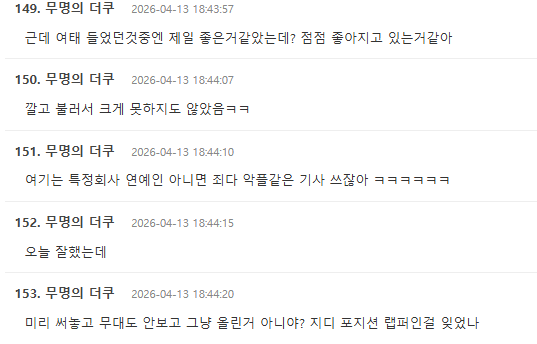
The 2026 Coachella performance will likely be remembered not for the "weak high notes" cited by TenAsia, but for the sheer scale of the audience and the group’s ability to command a Western stage without conforming to modern K-pop trends. The netizen rally serves as a reminder that for an artist like G-Dragon, the "role" he plays is larger than just a singer or a rapper; he is a cultural icon whose flaws are often viewed by fans as part of his authentic stage persona.
In conclusion, while the media’s role is to provide critical analysis, the overwhelming public response to the G-Dragon vocal critique highlights a significant gap between institutional journalism and fan sentiment. As BIGBANG prepares for the remainder of their 2026 world tour, the narrative has shifted from one of "vocal strain" to one of "unmatched resilience," further solidifying their status as the "Kings of K-pop" who remain untouchable by conventional criticism.