Nayara Elvina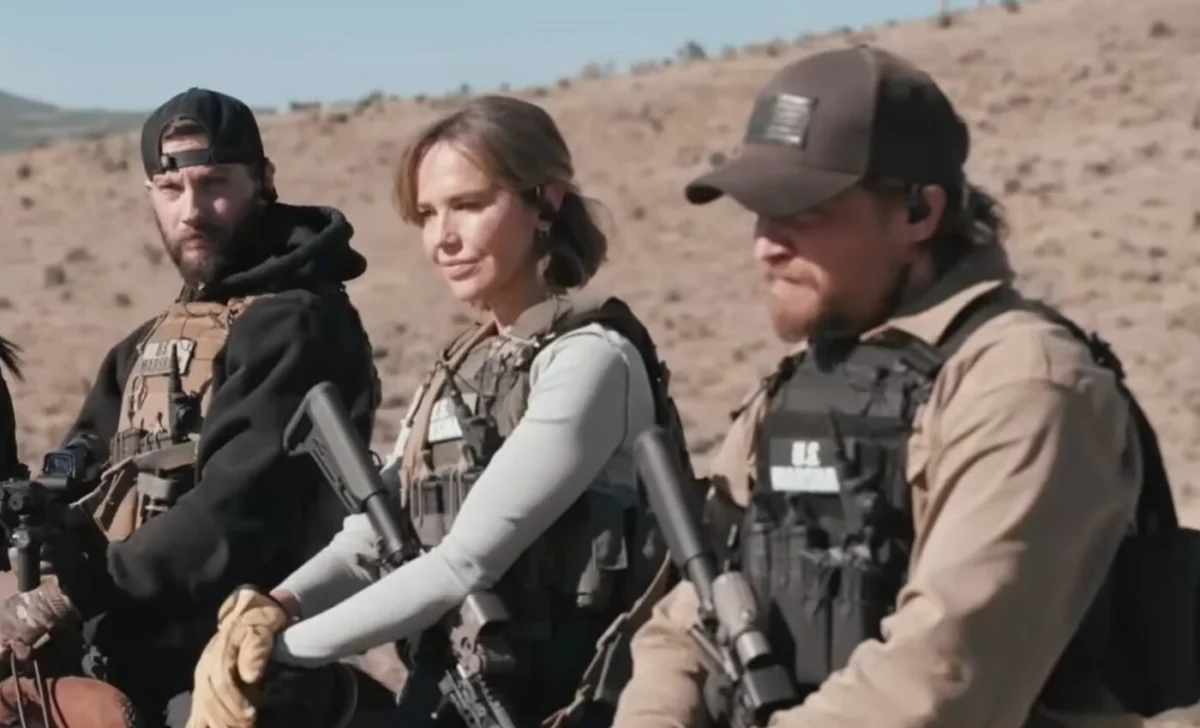
The expansion of the Taylor Sheridan television universe has reached a critical juncture with the debut of the CBS series Marshals, a project that signals a significant shift in the creative methodology of one of Hollywood’s most prolific showrunners. While the Sheridan brand has historically been synonymous with his singular voice—often characterized by his insistence on writing every script himself—the reality of managing a multi-billion-dollar content empire has necessitated a transition toward a more executive-focused role. In the case of Marshals, a spin-off featuring established characters from the flagship Yellowstone series, Sheridan has adopted a "man behind the curtain" approach, entrusting the daily operations and creative direction to a new cohort of writers and producers.
The Evolution of the Sheridan Creative Model
Taylor Sheridan’s rise to prominence was built on the foundation of his work ethic and a distinct, rugged narrative style. After the breakout success of Yellowstone in 2018, Sheridan became the cornerstone of the Paramount+ streaming strategy, delivering hits such as 1883, 1923, Mayor of Kingstown, and Tulsa King. For years, the industry narrative emphasized Sheridan’s hands-on involvement; he famously wrote nearly every episode of the first several seasons of Yellowstone and its prequels, often while managing his sprawling ranching operations in Texas.
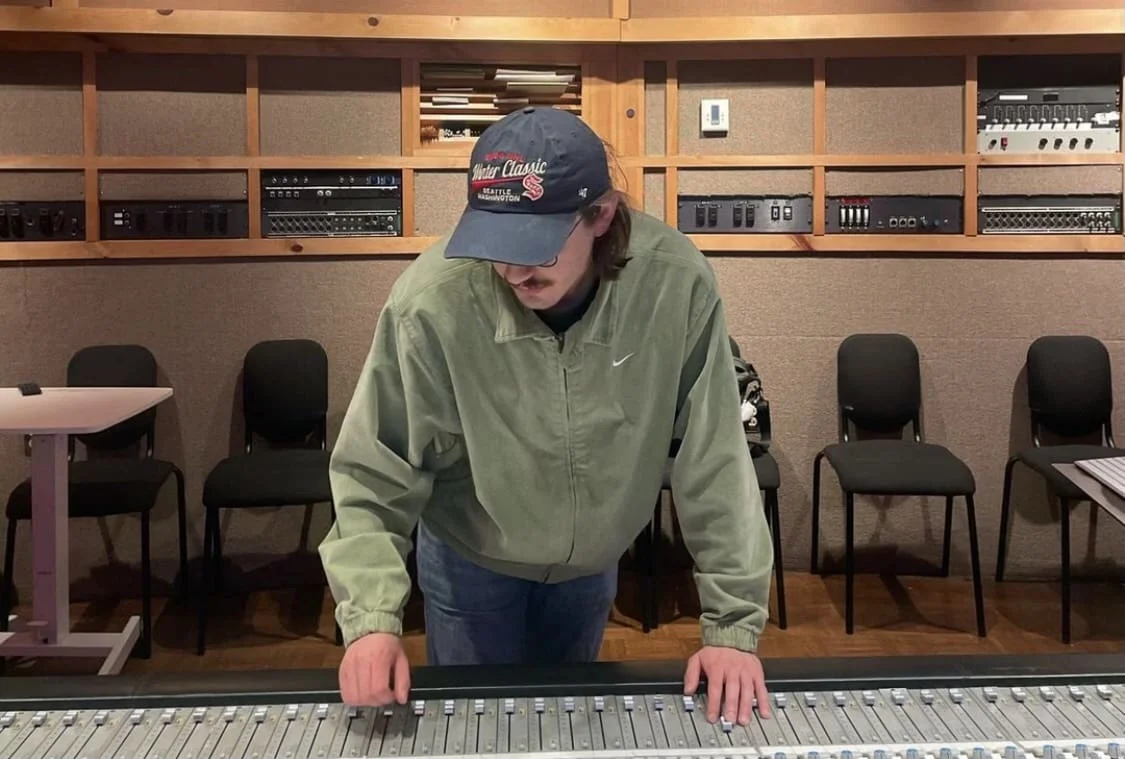
However, as his portfolio expanded to include Special Ops: Lioness, Landman, and the upcoming series The Madison, the logistical impossibility of maintaining such a granular level of control became apparent. Marshals represents the first significant instance where the Yellowstone brand has been licensed to a broadcast network (CBS) with a creative structure that places a different showrunner at the helm. Spencer Hudnut, a veteran producer known for his work on the high-stakes military drama SEAL Team, was tapped to lead the series, marking a departure from the "Sheridan-only" writing room that defined the franchise’s early years.
Spencer Hudnut and the Procedural Hybridization
The appointment of Spencer Hudnut as the primary creator and showrunner of Marshals was a strategic move by CBS and 101 Studios. Unlike the prestige, serialized format of the Paramount+ prequels, Marshals was designed to fit the traditional broadcast model of CBS, which favors procedural elements—episodic storytelling where a specific conflict is introduced and resolved within a single hour.
Hudnut’s experience with SEAL Team made him an ideal candidate to bridge the gap between Sheridan’s gritty character studies and the structural requirements of network television. While Sheridan and his long-time producing partner David Glasser are credited as creators alongside Hudnut, the day-to-day execution of the series is Hudnut’s responsibility. This "hybrid" approach aims to maintain the aesthetic and thematic DNA of Yellowstone—emphasizing justice, land, and family—while adopting a format that appeals to a broader, traditional television audience.
The series follows Kayce Dutton, played by Luke Grimes, as he transitions into a new professional chapter. By integrating established characters like Tate Dutton (Brecken Merrill), Thomas Rainwater (Gil Birmingham), and Mo (Mo Brings Plenty), the show maintains a tether to the original series while forging a new path under Hudnut’s guidance.
The Cast Perspective: Arielle Kebbel and the Invisible Creator
The shift in Sheridan’s involvement is perhaps most visible to the cast and crew on the ground. Arielle Kebbel, who stars as U.S. Marshal Belle Skinner, recently provided insight into the production dynamics of the show. In a series of statements, Kebbel confirmed that while the show carries Sheridan’s blessing and executive oversight, his physical presence on set is non-existent.
"For our show, it’s a bit of a different story because our show is truly a hybrid of the Yellowstone universe," Kebbel noted in a recent interview. She characterized the project as a merger between the world Sheridan built and the "new chapter" authored by Spencer Hudnut. Most notably, Kebbel revealed that she has never actually met Sheridan, describing him as a remote figure whose influence is felt through the established lore rather than direct interaction.
This "man behind the curtain" dynamic is a common evolution for successful television creators. Figures like Dick Wolf, Shonda Rhimes, and Ryan Murphy eventually reached a point where their "brand" became a seal of quality rather than a guarantee of their presence in the writers’ room. For the actors of Marshals, the absence of Sheridan allows for a different kind of creative freedom, though it also places the burden of maintaining the "Sheridan tone" squarely on Hudnut and the cast members who transitioned from the original series.
A Chronology of the Yellowstone Expansion
To understand why Sheridan has stepped back from Marshals, one must look at the timeline of his current obligations. The sheer volume of content produced under the Sheridan banner between 2023 and 2025 is unprecedented for a single creator:
- Yellowstone Season 5, Part 2: The conclusion of the flagship series required significant logistical navigation, particularly following the departure of lead actor Kevin Costner.
- 1923 Season 2: Production for the Harrison Ford and Helen Mirren-led prequel demanded Sheridan’s attention for historical accuracy and high-budget action sequences.
- Landman: A new series centered on the Texas oil industry, starring Billy Bob Thornton, which Sheridan developed concurrently with Marshals.
- The Madison: A new spin-off starring Michelle Pfeiffer, positioned as a direct successor to the main Yellowstone narrative.
- Special Ops: Lioness Season 2: A contemporary spy thriller that further diversified Sheridan’s genre output.
With five to six major productions active at any given time, Sheridan’s role has naturally evolved into that of a "creative architect" rather than a "master builder." He provides the blueprints—the setting, the character archetypes, and the overarching themes—while allowing showrunners like Hudnut to handle the construction.
Market Analysis and the Risk of Brand Dilution
The transition of the Yellowstone franchise to a network procedural format on CBS has met with a polarized response from the core fanbase. Ratings for Marshals have remained strong, benefiting from the massive "halo effect" of the Yellowstone name and the lead-in from other popular CBS crime dramas. However, critical reception has been more varied.
Some viewers have criticized the show for feeling "cookie-cutter" or "sanitized" compared to the R-rated grit of the Paramount Network originals. This highlights the inherent risk of brand expansion: as a creator becomes less involved, the unique "voice" that attracted the audience may become diluted. The challenge for 101 Studios and CBS is to prove that the Yellowstone universe can survive and thrive as a franchise independent of Sheridan’s direct penmanship.
From a business perspective, the delegation of Marshals is a necessity for the longevity of the brand. If the franchise is to outlive Sheridan’s personal involvement, it must develop a stable of writers and directors capable of replicating his style. Spencer Hudnut serves as the first major test case for this "franchise-first" model.
Implications for the Future of the Sheridan-verse
The success or failure of Marshals will likely dictate how future spin-offs are handled. If the audience accepts a version of the Yellowstone world created by others, it opens the door for a vast expansion of the IP, similar to the CSI or Law & Order franchises. If the audience rejects it, Paramount and 101 Studios may be forced to scale back and wait for Sheridan’s personal availability for all future projects.
Currently, the data suggests that the "hybrid" model is commercially viable. By retaining key cast members like Gil Birmingham and Mo Brings Plenty, the show provides enough continuity to satisfy casual fans while the procedural elements attract the traditional CBS viewership. The inclusion of these veteran actors provides a "tonal anchor" for the series, ensuring that even in Sheridan’s absence, the gravitas of the original world is represented.
Conclusion: The New Era of Western Television
As Marshals continues its run through the spring season on CBS, it stands as a monument to Taylor Sheridan’s success and the inevitable limitations of individual creative output. Sheridan’s "blessing" has become one of the most valuable currencies in modern entertainment, but as Arielle Kebbel’s experience suggests, that blessing now comes with a degree of distance.
The television industry will be watching closely to see if Spencer Hudnut can maintain the momentum of the Yellowstone universe without the founder in the room. For now, the "man behind the curtain" remains busy building new worlds in Texas and beyond, leaving the Marshals to hold the line on the network frontier. The series serves as a definitive signal that the Yellowstone era has moved past its infancy as a singular vision and into its maturity as a global media franchise.