Aveline Kirana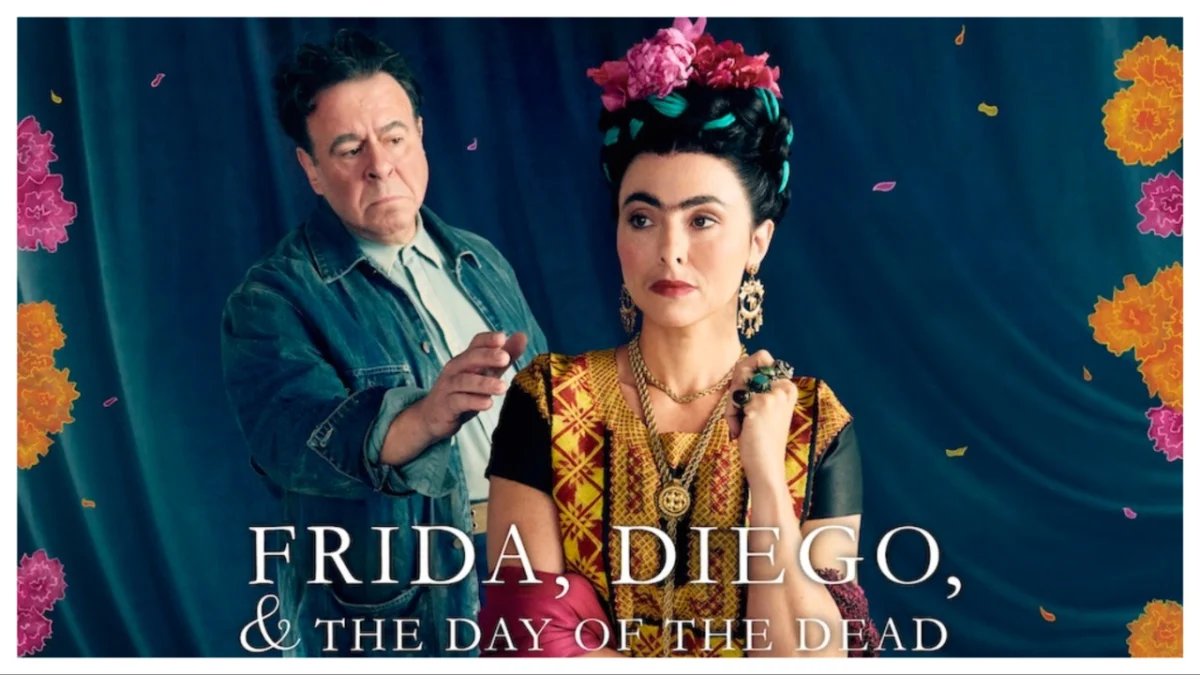
The Metropolitan Opera is set to unveil its highly anticipated production of "El Último Sueño de Frida y Diego," a captivating opera by composer Gabriela Lena Frank and librettist Nilo Cruz, commencing on May 14th. This significant artistic event, which explores the profound themes of love, grief, legacy, and sacrifice through the lens of Mexican cultural traditions and the iconic figures of Frida Kahlo and Diego Rivera, is being amplified by a series of complementary cultural experiences. In a unique collaboration designed to immerse audiences in the opera’s rich thematic landscape, Death of Classical and The Green-Wood Cemetery are partnering with the Metropolitan Opera to present a series of events that extend the opera’s narrative beyond the opera house walls and into a broader exploration of art, memory, and the enduring power of human connection.
A Nocturne of Remembrance: "Frida, Diego, and the Day of the Dead" at Green-Wood Cemetery
The cornerstone of this extended celebration is an event titled "Frida, Diego, and the Day of the Dead," scheduled to take place on May 8th at the historic Green-Wood Cemetery in Brooklyn. This evocative gathering promises a profound engagement with the spirit of the opera and its deep roots in Mexican culture. Green-Wood Cemetery, a landmark designated as a National Historic Landmark, boasts a distinguished history as a final resting place for many influential figures, including artists, writers, and musicians, making it a fitting venue for a reflection on legacy and remembrance. The event at Green-Wood is meticulously curated to offer an experience that transcends mere performance, aiming instead for a holistic immersion. Attendees can anticipate a program featuring star performers from the Metropolitan Opera’s production of "El Último Sueño de Frida y Diego," who will deliver musical excerpts that capture the opera’s emotional core.
Beyond the musical offerings, "Frida, Diego, and the Day of the Dead" will incorporate elements of poetry, performance art, and insightful conversation. This multi-disciplinary approach is designed to illuminate the opera’s central narrative, which imagines a poignant reunion between the celebrated Mexican artists Frida Kahlo and Diego Rivera on Día de los Muertos, Mexico’s vibrant Day of the Dead. This sacred holiday, a time for honoring and remembering deceased loved ones, provides a powerful backdrop for the opera’s exploration of enduring love and the afterlife. The event at Green-Wood is not merely a preview or a supplement; it is intended as a standalone artistic experience that leverages the solemn beauty and historical resonance of the cemetery to amplify the opera’s thematic concerns. The presence of esteemed artists and thinkers discussing the opera’s themes will provide valuable context and deeper understanding for both seasoned opera aficionados and newcomers alike.
The Operatic Genesis: "El Último Sueño de Frida y Diego"
The opera itself, "El Último Sueño de Frida y Diego," represents a significant contribution to the operatic canon, bringing to life the complex and passionate relationship between two of the 20th century’s most influential artists. Frida Kahlo, known for her unflinching self-portraits that explored themes of identity, pain, and Mexicanidad, and Diego Rivera, a titan of Mexican muralism celebrated for his politically charged and socially conscious works, shared a tumultuous yet deeply intertwined existence. Their lives were marked by artistic brilliance, political activism, and a love affair that defied convention.
Gabriela Lena Frank, a Grammy-winning composer, has established herself as a leading voice in contemporary classical music, often drawing inspiration from her multicultural heritage and exploring themes of identity, memory, and spirituality. Her musical language is known for its rich textures, vibrant rhythms, and ability to evoke deep emotional resonance. Nilo Cruz, a Pulitzer Prize-winning playwright, brings his masterful storytelling and poetic sensibility to the opera’s libretto. His work often delves into the human condition, exploring themes of displacement, longing, and the search for belonging. Their collaboration on "El Último Sueño de Frida y Diego" promises a fusion of musical innovation and dramatic depth, creating an opera that is both culturally specific and universally resonant.
The opera’s setting on Día de los Muertos is particularly significant. This ancient Mesoamerican tradition, which has evolved over centuries, is a profound expression of Mexican identity and a testament to the enduring connection between the living and the dead. It is a time of joyous remembrance, where families create elaborate altars (ofrendas) adorned with marigolds, candles, food, and personal mementos to welcome the spirits of their loved ones back for a brief visit. The opera’s libretto, sung entirely in Spanish, is deeply rooted in these traditions, incorporating their visual and symbolic richness into the dramatic fabric. This cultural specificity not only honors the heritage of Kahlo and Rivera but also offers audiences a unique opportunity to engage with a vibrant and deeply meaningful cultural practice.
A Precedent for Collaboration: Extending the Artistic Experience
The partnership between Death of Classical, The Green-Wood Cemetery, and the Metropolitan Opera signifies a growing trend in the arts towards creating more holistic and multi-platform cultural experiences. In recent years, institutions have recognized the value of extending the impact of a major artistic premiere through ancillary events that engage diverse audiences and deepen understanding of the work’s context and themes. These collaborations not only amplify the reach of the initial production but also foster a sense of community and shared engagement with the arts.
Death of Classical, a prominent organization dedicated to presenting classical music in innovative and accessible ways, has consistently championed contemporary composers and sought to connect classical music with broader cultural conversations. Their involvement ensures that the event at Green-Wood will be artistically rigorous and engaging. The Green-Wood Cemetery, with its own rich history and commitment to cultural programming, provides a unique and atmospheric setting that imbues the event with a sense of gravitas and historical perspective. The juxtaposition of a contemporary opera about iconic Mexican artists with the solemn beauty of a historic cemetery creates a powerful dialogue about life, death, and the enduring nature of artistic legacy.
The Metropolitan Opera’s Commitment to New Works
The Metropolitan Opera’s staging of "El Último Sueño de Frida y Diego" underscores its ongoing commitment to commissioning and presenting new operatic works. The opera world, while cherishing its rich historical repertoire, is increasingly aware of the need to evolve and reflect contemporary societal concerns and artistic sensibilities. By investing in new operas, institutions like the Met ensure the continued vitality and relevance of the art form. "El Último Sueño de Frida y Diego" offers a compelling narrative and a culturally significant subject matter that resonates with a global audience, further demonstrating the Met’s dedication to broadening the operatic landscape. The opera’s debut marks a significant moment for contemporary opera, offering a fresh perspective on familiar cultural icons and exploring universal human experiences through a distinctly Mexican lens.
The opera’s premiere on May 14th is the culmination of extensive creative work and artistic collaboration. The production promises to be a visual and auditory spectacle, with the Metropolitan Opera’s renowned stagecraft and musical excellence providing a fitting platform for Frank and Cruz’s visionary work. The casting of acclaimed artists like Isabel Leonard and Carlos Álvarez in leading roles further solidifies the production’s artistic pedigree and promises compelling vocal performances.
Broader Implications: Art, Culture, and the Dialogue Between Worlds
The convergence of these artistic events—the opera at the Met and the immersive experience at Green-Wood—creates a powerful dialogue between different facets of art and culture. It highlights how opera, often perceived as a traditional art form, can engage with contemporary issues, diverse cultural traditions, and profound philosophical questions. The opera’s focus on Frida Kahlo and Diego Rivera, figures whose lives were intrinsically linked to their art and their cultural identity, provides a rich tapestry for exploration. Their enduring influence on art, politics, and popular culture continues to captivate audiences worldwide.
The celebration of Día de los Muertos, as embodied in the opera and the Green-Wood event, offers a unique cultural perspective on mortality and remembrance. In contrast to more somber Western traditions surrounding death, Día de los Muertos embraces a celebratory and affectionate remembrance of departed loved ones. This cultural nuance, when explored through opera and other artistic mediums, can foster greater cross-cultural understanding and appreciation for diverse perspectives on life and death.
The success of such collaborative initiatives suggests a promising future for the arts, where boundaries between disciplines and institutions are increasingly blurred to create more meaningful and accessible experiences for the public. The engagement of organizations like Death of Classical and The Green-Wood Cemetery with a major operatic institution like the Metropolitan Opera demonstrates a shared vision for enriching cultural discourse and offering audiences multifaceted pathways to engage with artistic masterpieces. This comprehensive approach to celebrating "El Último Sueño de Frida y Diego" promises to leave a lasting impression, not only on those who attend the opera but also on those who participate in the broader cultural dialogue it inspires. The reverberations of this artistic endeavor are poised to extend far beyond the performance dates, fostering a deeper appreciation for the enduring power of art to illuminate the human experience in all its complexity.