Reynand Wu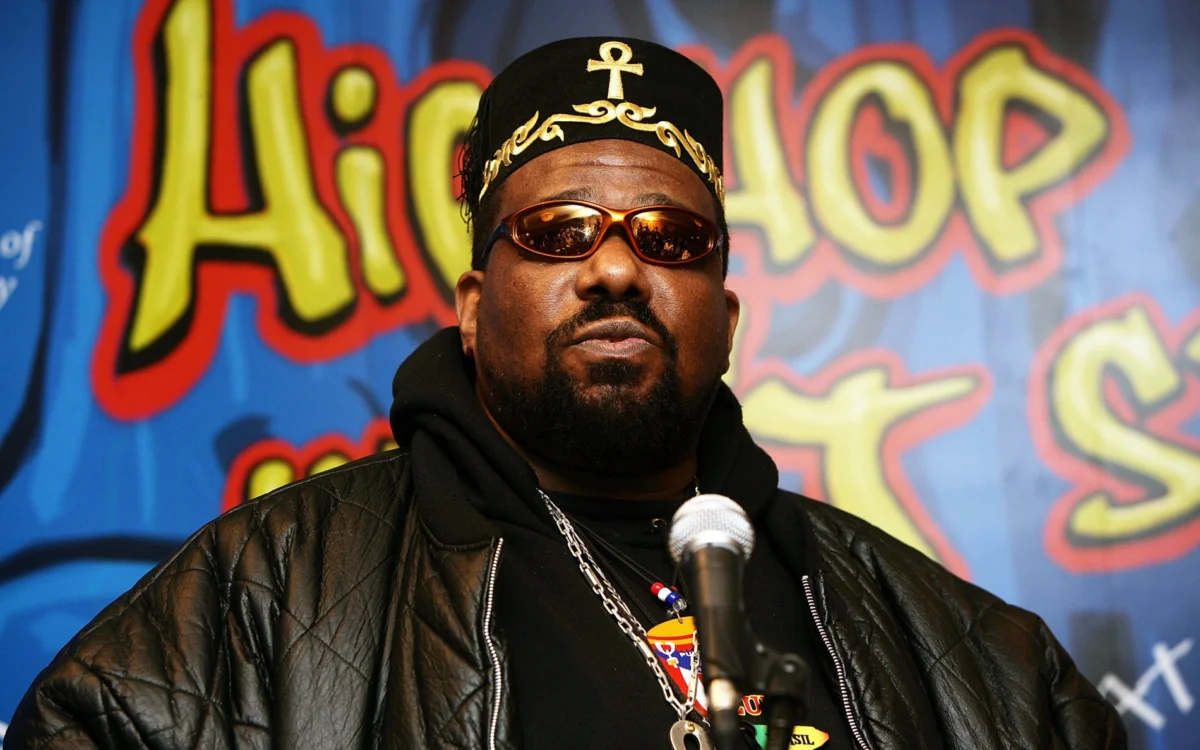
Afrika Bambaataa, the visionary DJ, producer, and cultural architect widely credited as a founding father of hip-hop, has died at the age of 68. His passing on Thursday, April 9, in Pennsylvania, marks the end of a life that profoundly shaped global music and culture, yet one inextricably linked to a series of disturbing sexual abuse allegations that have complicated his legacy for years. Lance Taylor, as he was known by birth, succumbed to prostate cancer, a fact confirmed by his lawyer to the Associated Press, following initial reports from TMZ.
Bambaataa’s death casts a long shadow over the hip-hop community, forcing a renewed confrontation with the complex duality of his impact. On one hand, he is celebrated for transforming the South Bronx’s street culture into a worldwide phenomenon built on principles of peace, unity, love, and fun. On the other, the serious accusations of sexual abuse, particularly those that culminated in a default judgment against him in a civil lawsuit, remain an indelible stain on his historical narrative.
The Genesis of a Movement: From Gang Leader to Cultural Icon
Born Lance Taylor in the South Bronx, New York, in 1957, Afrika Bambaataa’s early life was deeply embedded in the turbulent landscape of 1970s urban America. The Bronx at the time was characterized by widespread poverty, neglect, and rampant gang violence, a direct consequence of socio-economic disenfranchisement and white flight. Taylor himself was initially a prominent figure in the notorious Black Spades, one of the largest and most feared street gangs in the borough. This formative experience provided him with an intimate understanding of the youth culture and its potential for both destruction and creation.
However, a pivotal transformation occurred in his early twenties. Inspired by a trip to Africa and a growing awareness of Black liberation movements, Taylor began to envision an alternative path for the youth of the Bronx. He adopted the name Afrika Bambaataa Aasim, drawing inspiration from a Zulu chief who resisted colonial rule. This new identity coincided with his pivot from gang leader to community organizer and DJ. He witnessed the power of music and dance to bring people together, transcending gang lines and offering a constructive outlet for creative energy.
In the mid-1970s, Bambaataa founded the Universal Zulu Nation, an organization that initially served as a collective for DJs, B-boys (breakdancers), MCs (rappers), and graffiti artists. More than just an entertainment collective, the Zulu Nation was conceived as a socio-cultural movement designed to steer young people away from violence and toward artistic expression. Bambaataa articulated the core tenets of hip-hop culture, famously defining its four foundational elements: DJing, MCing, B-boying/breakdancing, and graffiti art. These elements, nurtured through block parties and community events, provided a framework for a nascent culture that would soon explode globally. The Zulu Nation’s philosophy, often summarized as "peace, love, unity, and having fun," offered a powerful counter-narrative to the prevailing gang culture, fostering a sense of identity and purpose through creative endeavors.
"Planet Rock": A Sonic Revolution
While his cultural organizing laid the groundwork, Afrika Bambaataa’s musical contributions cemented his place in history. He is best known for the groundbreaking 1982 hit, "Planet Rock," recorded with his group the Soulsonic Force. This track was not merely a song; it was a watershed moment that irrevocably altered the trajectory of popular music. "Planet Rock" fused the raw energy of Bronx street beats with sophisticated European electronic music, particularly drawing heavily from the German electronic pioneers Kraftwerk. Bambaataa and producer Arthur Baker famously sampled Kraftwerk’s "Trans-Europe Express" and "Numbers," combining them with the then-revolutionary sounds of the Roland TR-808 drum machine.
The impact of "Planet Rock" was immediate and far-reaching. It cracked the top 50 of the Billboard Hot 100, a significant achievement for an electro-rap track at the time, and became a staple in clubs across the globe. Its futuristic, synthesized sound inspired a massive wave of electro-rap and dance-pop records throughout the 1980s. More profoundly, "Planet Rock" is often cited as a foundational text for entire genres, including techno, house music, and various forms of electronic dance music (EDM). Its innovative use of technology and cross-cultural sampling demonstrated the limitless potential of hip-hop as a genre, proving it could be both street-wise and technologically advanced, rooted in local culture yet universally appealing. Bambaataa continued to release influential tracks such as "Looking for the Perfect Beat" and "Renegades of Funk," further solidifying his reputation as an innovator.
Alongside DJ Kool Herc, who pioneered the breakbeat technique, and Grandmaster Flash, renowned for his innovative turntablism, Afrika Bambaataa stands as one of the triumvirate of "founding fathers" of hip-hop. While Herc discovered the rhythmic core and Flash mastered its manipulation, Bambaataa provided the ideological framework and cultural organization, demonstrating how hip-hop could be a holistic movement rather than just a musical style. His vision transformed localized block party entertainment into a global cultural phenomenon, arguably the most influential movement of the last 50 years.
A Legacy Tarnished: The Chronology of Allegations
Despite his monumental contributions, Bambaataa’s legacy has been profoundly complicated by persistent and severe allegations of sexual abuse. These accusations began to surface publicly in 2016, sending shockwaves through the hip-hop community and initiating a painful process of re-evaluation.
2016: Ronald Savage Comes Forward
The first public accusation came from Ronald Savage, a former member of the Zulu Nation, who alleged that Bambaataa had sexually abused him in the 1980s when Savage was a young teenager. Savage’s courageous decision to speak out opened a floodgate, prompting a broader conversation about power dynamics, abuse, and accountability within the music industry and cultural organizations. Bambaataa vehemently denied these initial allegations. The Universal Zulu Nation, the organization he founded, initially stood by him, though internal divisions and debates soon emerged regarding how to address the mounting controversy.
Subsequent Accusations Emerge
Following Savage’s initial claims, several other men came forward with similar stories, accusing Bambaataa of sexually abusing them when they were teenagers. These multiple accounts painted a disturbing pattern of alleged predatory behavior spanning decades, further intensifying the scrutiny on Bambaataa and the Zulu Nation. The collective weight of these accusations created an inescapable crisis for the cultural icon.
2021: Anonymous Lawsuit Filed
The allegations escalated to formal legal proceedings in 2021 when an anonymous man filed a civil lawsuit against Bambaataa. The plaintiff claimed that Bambaataa had sexually abused and trafficked him for four years, beginning in 1991 when the plaintiff was just 12 years old and Bambaataa was in his mid-30s. This lawsuit brought a new level of gravity to the accusations, moving beyond public statements to a formal legal challenge. The alleged trafficking aspect added another layer of severity to the claims.
2024: Ronald Savage Retracts/Clarifies Claims
In a surprising turn of events in 2024, Ronald Savage, the initial accuser, publicly walked back or significantly altered some of his previous statements. In an interview with AllHipHop, he stated, "Bambaataa is not a pedophile and, in my eyes, he was doing something that was consensual with someone that he thought was of age." This clarification introduced an element of ambiguity and sparked further debate within the community, though it did not negate the claims of other alleged victims or the ongoing civil suit.
2025: Default Judgment in Civil Case
Crucially, Bambaataa failed to respond to the 2021 lawsuit and did not appear in court. As a result, in 2025, a default judgment was entered against him. A default judgment occurs when a defendant fails to respond to a lawsuit or appear in court, leading the court to rule in favor of the plaintiff by default. In this specific case, the alleged victim was awarded a default judgment, signifying that the court found Bambaataa liable for the claims by virtue of his non-participation, rather than a full trial on the merits. While not a criminal conviction, this civil judgment represented a significant legal affirmation of the allegations against him.
Reactions and Broader Implications
The death of Afrika Bambaataa has inevitably reignited the difficult conversations surrounding his life and legacy. Kurtis Blow, a fellow hip-hop pioneer and Executive Director of the Hip Hop Alliance, issued a statement that carefully navigated this complex terrain. "Today, we acknowledge the transition of a foundational architect of Hip Hop culture, Afrika Bambaataa," Blow stated. He recognized Bambaataa’s role in shaping hip-hop’s early identity as a global movement rooted in "peace, unity, love, and having fun" and transforming the Bronx into its birthplace. However, Blow’s statement concluded with a crucial acknowledgment: "At the same time, we recognize that his legacy is complex and has been the subject of serious conversations within our community." This measured response reflects the broader dilemma faced by many within hip-hop: how to honor groundbreaking artistic contributions while simultaneously condemning alleged heinous acts.
The Universal Zulu Nation itself has faced immense pressure and internal turmoil since the allegations first surfaced. While specific official statements regarding Bambaataa’s passing and his allegations are still emerging, the organization has grappled with the challenge of upholding its founding principles of peace and unity in the face of such profound controversy involving its founder. Many members have publicly distanced themselves from Bambaataa, while others have called for a complete re-evaluation of the organization’s structure and leadership to ensure accountability and safety.
For the wider hip-hop community, Bambaataa’s death crystallizes a long-standing debate about the separation of art from artist and the ethical responsibility of cultural institutions. Historians, journalists, and fans are left to reconcile the profound positive influence of his music and cultural vision with the gravity of the allegations and the civil judgment against him. His story forces a critical examination of how society remembers figures who are simultaneously revolutionary creators and alleged perpetrators of harm. It challenges the romanticized narratives often associated with pioneers and underscores the importance of amplifying the voices of alleged victims, even when it complicates revered legacies.
The implications extend to the historical narrative of hip-hop itself. As the genre celebrates its 50th anniversary, the story of its origins must now incorporate this uncomfortable truth, ensuring a more comprehensive and honest accounting of its foundational figures. Bambaataa’s passing will likely spark renewed calls for greater transparency and accountability across the entertainment industry, particularly concerning allegations of abuse that often go unaddressed for years. His legacy will forever serve as a potent reminder that even the most transformative cultural figures can harbor deeply troubling contradictions, leaving behind a profound impact that is simultaneously celebrated and condemned.