Johan Budi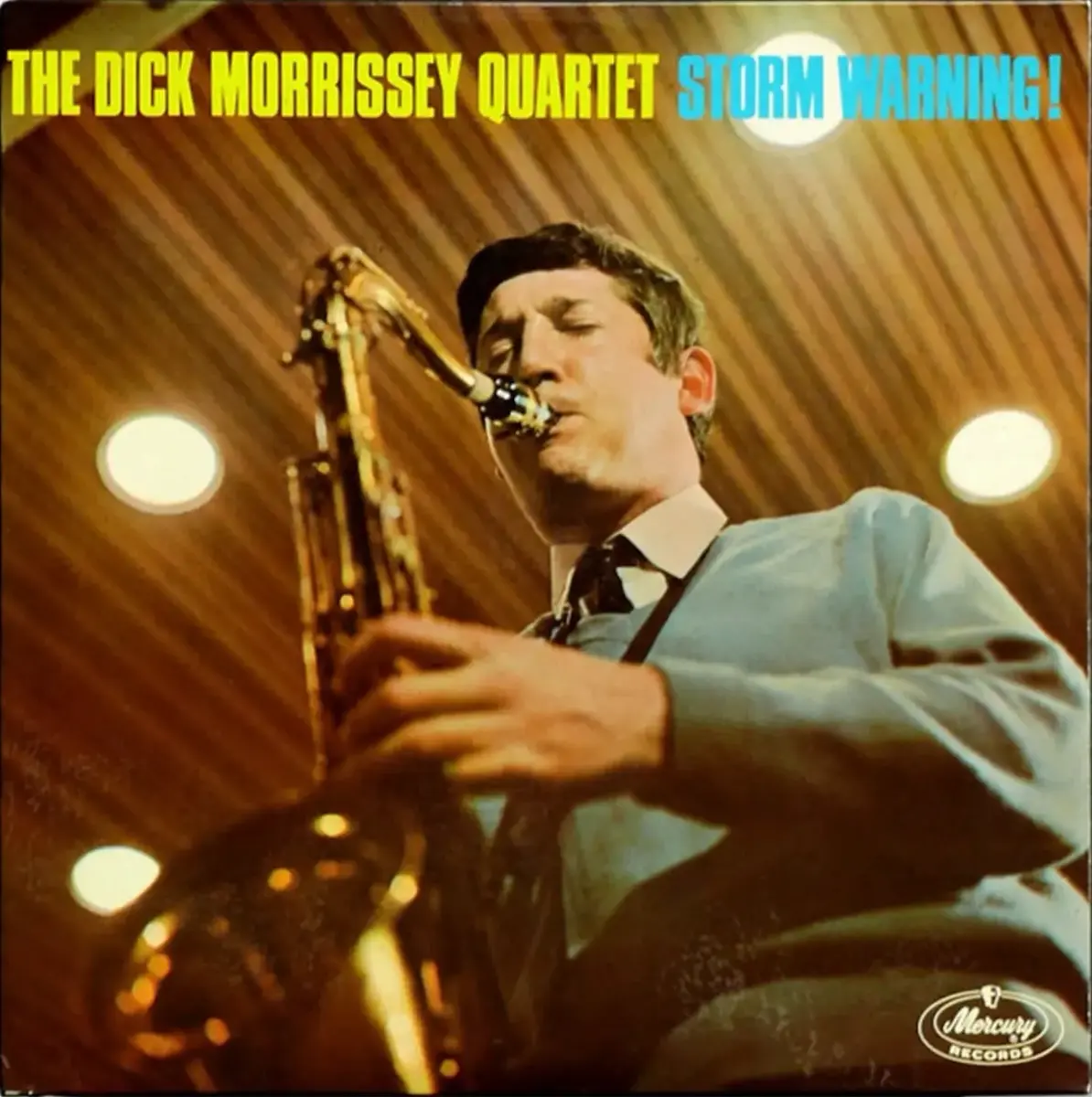
The Context of the "British Handicap" in the Mid-1960s
To understand the significance of Michael Shera’s 1966 review, one must consider the landscape of the United Kingdom’s jazz scene during that era. For decades, British jazz had been criticized—often by its own domestic critics—for a perceived lack of "swing" and inferior production quality. This "handicap" was partly due to the restrictive recording budgets of British labels compared to American giants like Blue Note or Prestige, and partly due to a cultural inferiority complex. British players were often viewed as technically proficient but lacking the "fire" and "grease" associated with the hard-bop movement centered in New York.
By 1965, however, a shift was occurring. The London jazz scene, centered around venues like Ronnie Scott’s in Soho, was becoming a melting pot of local talent and visiting American legends. Dick Morrissey, a self-taught tenor saxophonist from Horley, Surrey, was at the forefront of this transformation. Having gained prominence in the early 1960s, Morrissey was part of a cohort that included Tubby Hayes and Ronnie Scott himself—players who refused to accept the "handicap" and instead aimed for a world-class standard of performance.
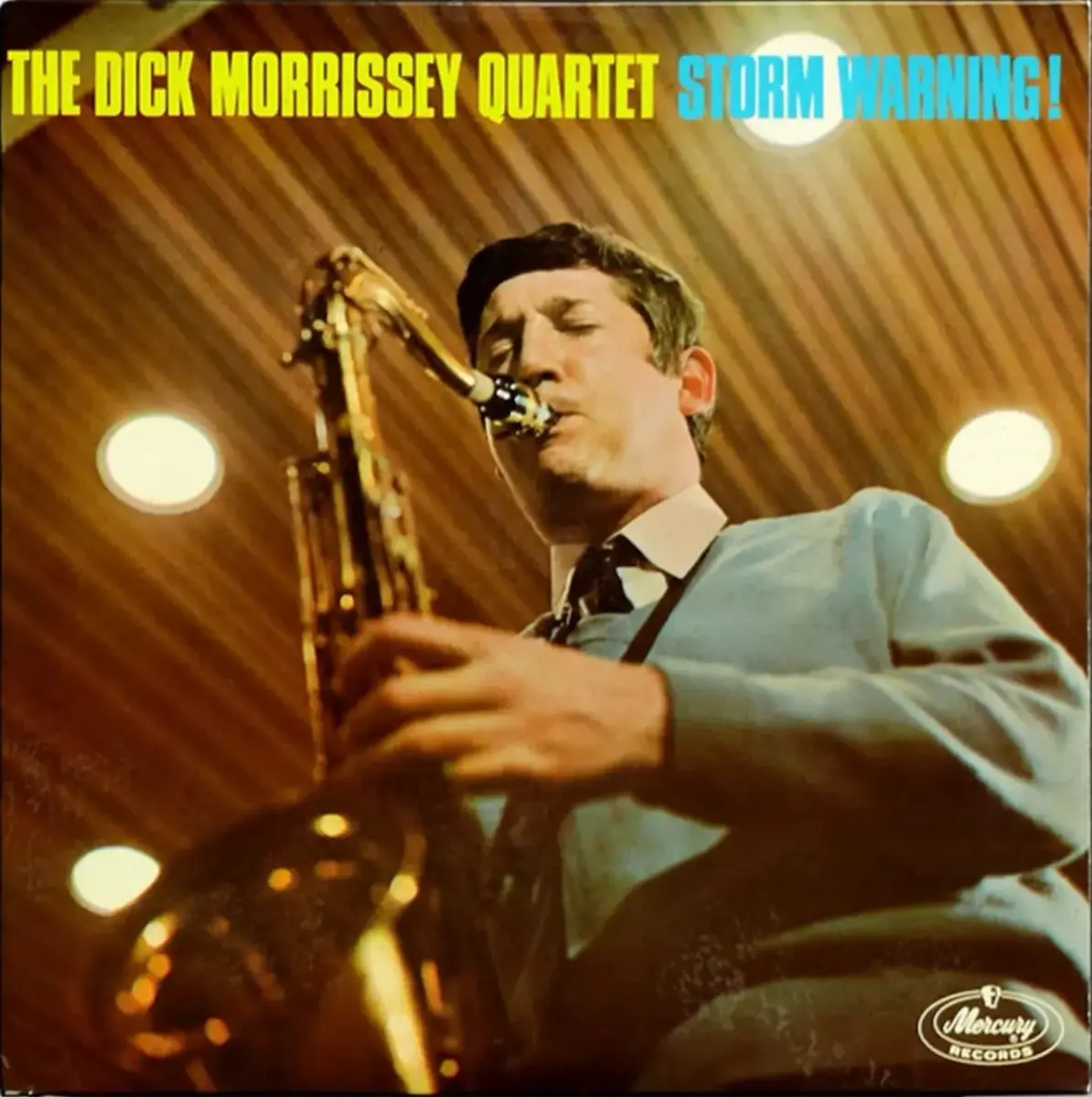
The Sessions: November 1965
The "Storm Warning" album was recorded across two sessions in London on November 22 and 29, 1965. The quartet featured Morrissey on tenor saxophone, Harry South on piano, Phil Bates on double bass, and the legendary Phil Seamen on drums. The choice of personnel was inspired; Harry South was not only a gifted pianist but a formidable arranger and composer who provided much of the group’s structural backbone. Phil Seamen, meanwhile, was widely considered the greatest jazz drummer Britain had ever produced, serving as a mentor to younger musicians, including future rock icon Ginger Baker.
The recording quality of the album, noted by Shera as having an "exciting presence," was a testament to the improving standards at Mercury Records’ London studios. At a time when many British jazz records sounded "thin" or "boxy," "Storm Warning" captured the visceral energy of a live performance. The "presence" referred to by Shera was the result of a better understanding of microphone placement and a willingness to let the rhythm section—particularly Phil Seamen’s aggressive drumming—sit forward in the mix.
Personnel Analysis: The Quartet’s Synergy
The 1966 review highlights the specific contributions of each member, noting that Morrissey had "fully lived up to his early promise." Morrissey’s style was heavily influenced by the "big-toned" American tenor players, most notably Dexter Gordon. Like Gordon, Morrissey possessed a command of the instrument that allowed him to "blow hard" on up-tempo numbers while maintaining a soulful, lyrical touch on ballads. His performance on the track "Say" (What Is There To Say) is cited as a prime example of his balladry, echoing the conversational and slightly behind-the-beat phrasing that Gordon made famous.

Harry South’s role as the session’s "architect" cannot be overstated. Beyond his piano solos, which Shera described as "exciting," South contributed two original compositions: the title track "Warning" (Storm Warning) and "Change" (Wind of Change). South’s arrangements provided the quartet with a modern, sophisticated framework that moved beyond simple "head-solo-head" structures. His ability to balance the freedom of hard bop with the discipline of formal arrangement was a key factor in the album’s critical success.
Perhaps the most significant observation in the original review concerns the rhythm section. Phil Seamen’s performance was lauded as some of his best work on record, a high bar given his prolific career. More importantly, Shera pointed to a "startling improvement" in the playing of bassist Phil Bates. In the mid-60s, the role of the jazz bassist was transitioning from a purely time-keeping function to a more melodic and interactive one. Bates’ evolution from "merely playing time" to "contributing fully to the group sound" mirrored the global trend led by American bassists like Scott LaFaro and Ron Carter.
Track-by-Track Overview
The original LP (Mercury 20077 MCL) was structured into two distinct halves, totaling approximately 41 minutes of music—a standard length for the era that allowed for extended improvisation without sacrificing the listener’s attention.

- Storm Warning: The title track is a high-octane hard-bop anthem. It showcases Morrissey’s athletic tenor runs and Seamen’s driving percussion. The track serves as a "warning" of the technical prowess contained within the album.
- What Is There To Say: A standard that allows Morrissey to demonstrate his "way with a ballad." The track highlights the quartet’s sensitivity and their ability to create a lush, atmospheric soundscape.
- Come Rain Or Come Shine: A blues-inflected reading of the Arlen/Mercer classic. This track demonstrates the group’s deep understanding of the "swing" feel, effectively dispelling the notion of the British handicap.
- Wind Of Change: A Harry South original that leans into the more modern, modal influences that were beginning to permeate the London scene in the mid-60s.
- Get Out Of Town: A Cole Porter tune reimagined with a sharper, more aggressive edge. The interplay between South and Morrissey here is particularly sharp.
- March On: A Morrissey original that brings the album to a triumphant close. It is a rhythmic tour de force that reinforces the "presence" and "hard-blowing" tradition of the group.
Chronology and Broader Implications
The release of "Storm Warning" in May 1966 coincided with a pivotal moment in British cultural history. While the "British Invasion" was dominating the pop charts globally, the London jazz scene was undergoing a quiet revolution. The success of this album helped pave the way for a more confident era of British jazz.
Following this release, Dick Morrissey would continue to be a titan of the UK scene. In the late 1960s and 1970s, he transitioned into the jazz-fusion movement, most notably forming the immensely popular Morrissey-Mullen band with guitarist Jim Mullen. However, for many purists, the 1965-1966 period remains his "golden era," where his mastery of the acoustic quartet format was unparalleled.
The "Storm Warning" sessions also marked a high point for Phil Seamen before his untimely death in 1972. His work here remains a textbook example of how to drive a small group with both power and nuance. For Harry South, the album was a stepping stone to his later work as a prominent big band leader and a composer for television (most notably the theme for "The Sweeney").
Legacy and Modern Re-evaluation
Six decades later, the "thorough recommendation" offered by Michael Shera in the pages of Jazz Journal holds up under modern scrutiny. "Storm Warning" is frequently cited by collectors and historians as one of the "holy grails" of British jazz. Its rarity as an original Mercury pressing has made it a sought-after item for vinyl enthusiasts, leading to several high-quality reissues in the 21st century.
The album’s legacy is defined by its refusal to be "second best." By overcoming the "handicap" of production and rhythmic stiffness, the Dick Morrissey Quartet proved that British jazz could be just as vital, swinging, and technically accomplished as anything coming out of the United States. It was an album that didn’t just ask for a place at the table; it commanded one.
In a broader sense, "Storm Warning" represents the coming-of-age of the UK jazz musician. It showed that the "tradition of Dexter Gordon" could be successfully transplanted to London and infused with a local character that was both respectful of the roots and forward-looking in its execution. As Shera noted in 1966, the music was "first class," and sixty years later, that verdict remains unchanged. The album stands as a monument to a time when British jazz found its voice, its confidence, and its "presence."