Reynand Wu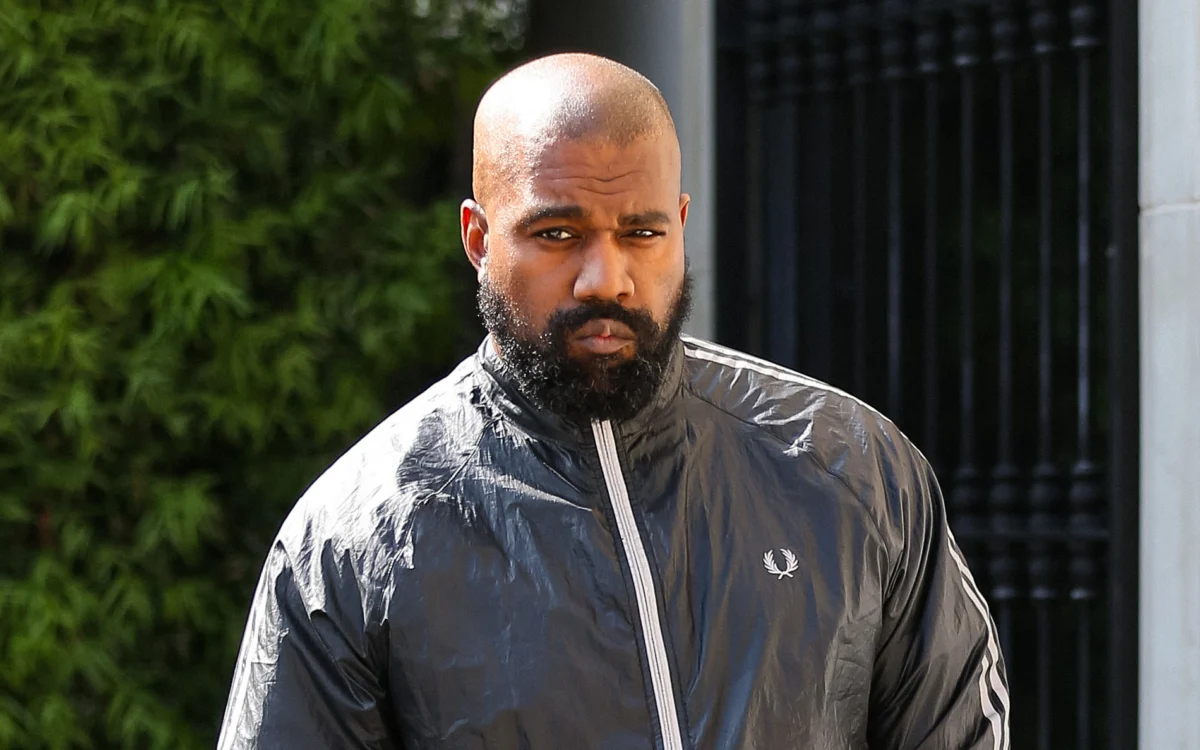
Wireless Festival, one of the United Kingdom’s most prominent rap and R&B music events, has been definitively canceled following a decision by the UK Home Office to deny entry to its sole headliner, American artist Kanye West, also known as Ye. The London-based festival announced the cancellation in a terse statement on Tuesday, April 7, confirming that "As a result of the Home Office banning YE from entering the United Kingdom, Wireless Festival has been forced to cancel. All ticket holders will receive an automatic full refund." This abrupt decision sends ripples through the music industry, raising questions about artistic freedom, social responsibility, and the increasing scrutiny of performers’ past conduct.
A Chronology of Mounting Pressure and Controversy
The cancellation marks the culmination of weeks of intense public debate, corporate withdrawals, and political condemnation surrounding Wireless Festival’s decision to book the controversial rapper. The festival had scheduled Ye to headline all three nights of the event, slated for July 10, 11, and 12, a booking that immediately ignited a firestorm of criticism given his well-documented history of antisemitic and pro-Nazi remarks.
The controversy began to escalate significantly as major corporate sponsors, including global brands like Pepsi, PayPal, and Diageo, publicly announced their withdrawal from the festival. This unprecedented exodus of sponsors signaled a strong corporate stance against associating with an artist whose public statements had caused widespread offense and sparked accusations of hate speech. These companies, acutely aware of their brand image and corporate social responsibility, seemingly could not reconcile their values with the potential endorsement of an artist linked to such divisive rhetoric.
Political figures also weighed in, adding further pressure. Sir Keir Starmer, the leader of the UK’s Labour Party and a prominent voice in British politics, publicly labeled the festival’s decision to book Ye as "deeply concerning." Such high-level political intervention underscored the gravity of the situation and the broad societal discomfort with the artist’s planned appearance. Campaign groups, particularly those advocating against antisemitism and hate speech, amplified their calls for the festival to drop Ye, staging protests and launching petitions that garnered significant public support.
In an apparent attempt to mitigate the growing backlash, Kanye West issued a statement earlier on Tuesday, April 7, before the Home Office’s definitive ruling. In his statement, Ye promised that his "only goal is to present a show of change" and "bring unity, peace and love through my music." He also extended an offer to meet with "members of the Jewish community in the UK in person, to listen." This gesture, however, met with a cautious and conditional response from the Board of Deputies of British Jews, a leading voice for the Jewish community in the UK. They stated their willingness to meet with Ye "as part of his journey of healing, but only after he agrees not to play the Wireless Festival this year." This condition highlighted the community’s primary concern: preventing a platform for an artist whose previous remarks they found deeply offensive.
Adding another layer to the complex narrative, Melvin Benn, the managing director of Festival Republic, the company behind Wireless Festival, had initially defended the booking. In a statement prior to the ban and cancellation, Benn acknowledged the abhorrent nature of Ye’s past comments, stating, "What Ye has said in the past about Jews and Hitler is as abhorrent to me." However, he argued for Ye’s legal right to perform, noting that "Ye’s music is played on commercial radio stations in this country. It is available via live streams and downloads in this country without comment or vitriol from anyone and he has a legal right to come into the country and to perform in this country." Benn emphasized that the festival was "not giving him a platform to extol opinion of whatever nature, only to perform the songs that are currently played on the radio stations in our country and the streaming platforms in our country and listened to and enjoyed by millions." He concluded his defense by appealing for "forgiveness and giving people a second chance," suggesting that these virtues were "becoming a lost virtue in this ever-increasing divisive world." This defense highlighted the tension between artistic freedom, commercial viability, and the imperative for social responsibility, a dilemma that ultimately proved insurmountable for the festival organizers.
The Home Office Intervention: "Not Conducive to the Public Good"
The definitive turning point came on Monday, April 6, when Kanye West submitted an application to travel to the UK via an Electronic Travel Authorisation (ETA). The UK Home Office, responsible for immigration and security, swiftly rejected his application. According to reports from the BBC, the rejection was based on the grounds that his "presence in the country would not be conducive to the public good."
This legal clause, "not conducive to the public good," is a powerful tool within the UK’s immigration framework, allowing the Home Secretary to refuse entry to individuals whose presence is deemed harmful to British society or national interests. It is a broad discretionary power often invoked in cases involving individuals with histories of hate speech, extremism, serious criminality, or actions that could incite public disorder or social disharmony. While the Home Office does not typically comment on individual immigration cases, the context of Ye’s widely publicized antisemitic rhetoric made the application of this clause particularly pertinent.
The decision reflects a strong stance by the British government against the normalization or platforming of individuals associated with hate speech, irrespective of their celebrity status or artistic contributions. It signals that even high-profile figures are not exempt from immigration rules designed to protect public welfare and uphold societal values. The Home Office’s action effectively circumvented the debate over artistic freedom versus social responsibility that festival organizers faced, by simply preventing the artist from entering the country altogether.
Background of Kanye West’s Controversial Statements
The Home Office’s decision and the widespread backlash were not isolated incidents but rather the culmination of a protracted period of controversial and often offensive public statements made by Kanye West. Over the past few years, Ye has repeatedly made headlines for remarks widely condemned as antisemitic, hateful, and sympathetic to Nazism.
Key instances include:
- "Death con 3 on Jewish people" remarks: In October 2022, Ye posted on social media that he was going to go "death con 3 On JEWISH PEOPLE," a statement that drew immediate and widespread condemnation for its threatening and antisemitic nature.
- Conspiracy theories and Holocaust denial: He frequently promoted antisemitic conspiracy theories, alleging Jewish control over media, finance, and various industries. On several occasions, he has been accused of downplaying or denying aspects of the Holocaust.
- Admiration for Adolf Hitler: Perhaps most controversially, during an interview with Alex Jones on Infowars in December 2022, Ye explicitly expressed admiration for Adolf Hitler, stating, "I like Hitler" and denying the Holocaust. He also made numerous other offensive comments about Jewish people during the interview.
- Wearing "White Lives Matter" shirts: In October 2022, during Paris Fashion Week, Ye wore a "White Lives Matter" shirt, a slogan associated with white supremacist groups, further alienating many and drawing accusations of racism.
These statements led to severe professional consequences for the artist. Major brands like Adidas, Gap, and Balenciaga terminated their lucrative partnerships with Ye, resulting in significant financial losses and a dramatic downturn in his commercial ventures. His talent agency, Creative Artists Agency (CAA), also dropped him. Despite these repercussions, his public pronouncements continued to be erratic and often offensive, leading to a diminished public image and increasing isolation within mainstream entertainment circles. The UK Home Office’s ban is another significant consequence, highlighting that the impact of his rhetoric extends beyond commercial partnerships to international travel and performance opportunities.
Impact on Wireless Festival and the Music Industry
The cancellation of Wireless Festival represents a significant blow to attendees, organizers, and the broader UK music industry. For tens of thousands of ticket holders, the news means disappointment and the disruption of carefully laid plans for the July event. While full refunds have been promised, the emotional and logistical inconvenience for fans who had anticipated seeing one of the world’s biggest artists is considerable.
For Festival Republic, the financial implications are substantial. Organizing a festival of Wireless’s scale involves immense logistical planning, securing venues, booking numerous artists, and significant upfront investment. While insurance policies may cover some losses, the reputational damage and the loss of revenue from ancillary sales (food, drink, merchandise) will be keenly felt. The abrupt nature of the cancellation, so close to the event dates, leaves little room for alternative arrangements or replacement headliners, especially given Ye was scheduled for all three nights.
The incident also sparks a broader conversation within the music industry about the responsibility of festival organizers and promoters when booking artists with controversial public profiles. It underscores the increasing power of public opinion, activist groups, and corporate sponsors in shaping event lineups. The case of Wireless Festival may lead to more rigorous vetting processes for headliners, with a greater emphasis on artists’ past conduct and potential for controversy, rather than purely their musical appeal. This could have a chilling effect on artistic expression if artists fear being "canceled" for non-musical reasons, but it also reflects a growing societal expectation that platforms should not be given to those who promote hate.
Kanye West’s Divergent Fortunes: US vs. UK
Interestingly, Kanye West has faced a markedly different reception on home soil in the United States. Despite the widespread condemnation of his antisemitic remarks globally, he has continued to perform and release music. Most recently, he performed two sold-out shows at Los Angeles’ SoFi Stadium in support of his new album, Bully. These concerts featured a roster of high-profile special guests, including Lauryn Hill, Travis Scott, and Don Toliver, indicating that while his brand partnerships have dissolved, his musical appeal and ability to draw large crowds remain potent in certain markets.
This stark contrast highlights a divergence in how different countries and cultural landscapes respond to public figures embroiled in controversy. While the UK, through its government’s immigration powers, took a definitive stance, the US market appears to allow for a greater separation between an artist’s personal controversies and their professional performance opportunities, at least for now. This could be attributed to differing legal frameworks, cultural norms around free speech, or simply varying levels of public and corporate tolerance for offensive rhetoric.
Future Implications and the "Cancel Culture" Debate
The Wireless Festival cancellation serves as a potent case study in the ongoing global debate surrounding "cancel culture" and the limits of artistic freedom. While some argue that such bans stifle free expression and prevent opportunities for redemption, others contend that they are necessary measures to prevent the platforming of hate speech and protect vulnerable communities.
For artists, the incident reinforces the notion that public conduct can have significant and far-reaching consequences, extending beyond financial penalties to direct restrictions on their ability to perform internationally. For governments, it demonstrates the use of immigration powers as a tool to uphold public values and safety, even against high-profile individuals.
The long-term implications for Wireless Festival, Kanye West’s international touring prospects, and the broader music industry’s approach to controversial artists remain to be fully seen. However, this event undeniably sets a precedent, signaling a hardening stance against individuals whose public rhetoric is deemed harmful, suggesting that the era of separating the art from the artist may be increasingly challenged in a globally interconnected and socially conscious world.