Nayara Elvina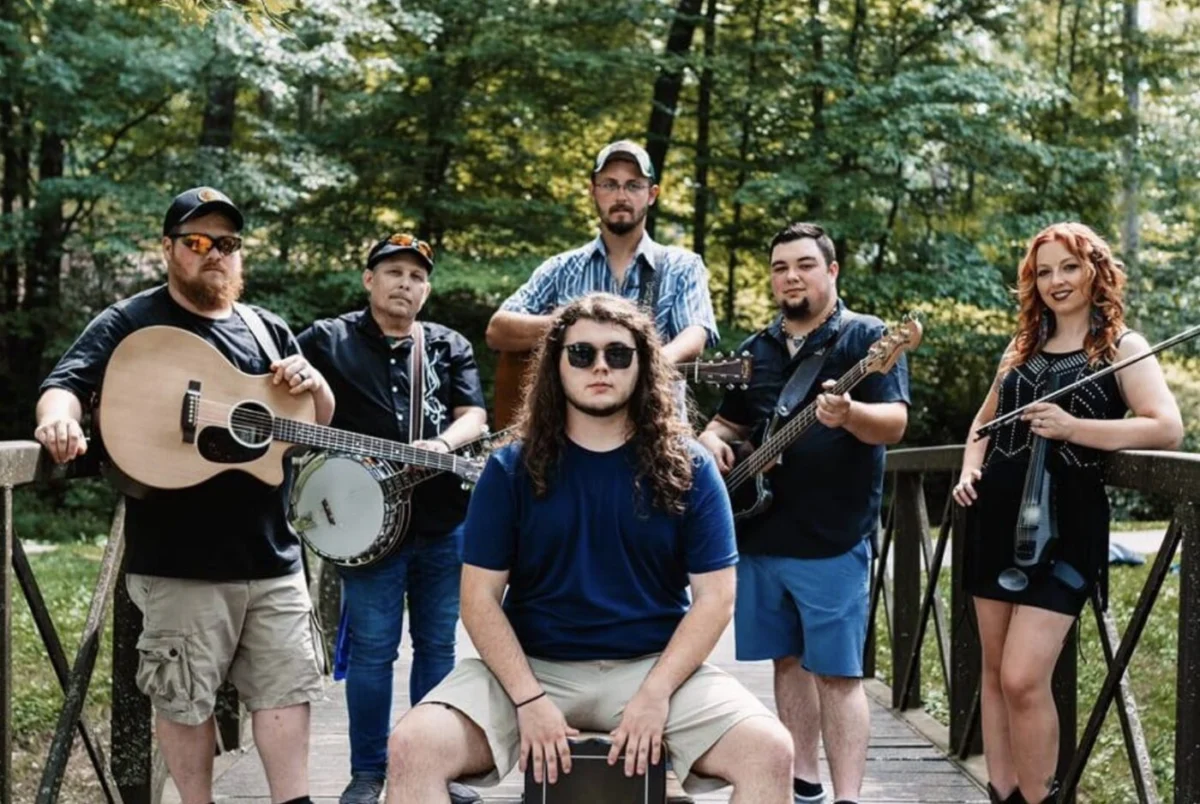
In an industry often defined by the "show must go on" ethos, few stories match the recent revelation from the Kentucky-based bluegrass and country ensemble, The Creekers. During a detailed interview on the Whiskey Riff Raff podcast, band members Tanner Horton and Ashton Bowling recounted the harrowing circumstances surrounding their debut performance at the Renfro Valley Entertainment Center. Scott Sutton, the group’s banjo player, reportedly suffered a myocardial infarction—commonly known as a heart attack—just five minutes before taking the stage for the band’s inaugural show, yet proceeded to perform the entire set without alerting his bandmates or the audience to his medical distress.
The incident occurred as The Creekers were preparing to open for Rhonda Vincent, a legendary figure in bluegrass often referred to as the "Queen of Bluegrass." The high-stakes environment of the Renfro Valley Entertainment Center, a historic venue in Mt. Vernon, Kentucky, added significant pressure to the fledgling group. According to lead guitarist and vocalist Tanner Horton, the band had only recently solidified its lineup specifically to fulfill the opening slot for Vincent. The revelation of Sutton’s medical emergency, which remained unknown to the band for weeks, highlights a phenomenon known in the medical community as a "silent heart attack."
The Formation of The Creekers and the Renfro Valley Debut
The Creekers’ journey to the Renfro Valley stage was characterized by a sense of urgency. Horton explained that he was approached with an opportunity to perform at the venue, but at the time, he did not have a complete band assembled. To secure the prestigious opening spot for Rhonda Vincent, Horton reached out to local musicians, eventually recruiting Ashton Bowling on the cajon and Scott Sutton on the banjo.
Renfro Valley, established in 1939, holds a storied place in American music history as "Kentucky’s Country Music Capital." For an emerging band, performing on this stage is considered a significant milestone. The pressure of the debut, combined with the professional standard required to open for a Grand Ole Opry member like Vincent, set the stage for what was intended to be a career-defining evening.
However, five minutes before the curtains rose, Sutton began experiencing the onset of a heart attack. Despite the severity of the condition, Horton noted that Sutton "never skipped a beat." The band completed their performance, unaware that their banjo player was undergoing a life-threatening cardiovascular event. Sutton’s commitment to the performance was so absolute that he not only finished the set but also packed his equipment, drove himself home, and reported to his primary job the following morning.
The Delayed Diagnosis and Medical Implications
The gravity of the situation only became apparent nearly three weeks later. Sutton had continued to experience lingering symptoms, which he initially dismissed as general malaise or fatigue following the stress of the debut show. It was only after approximately 18 days of persistent discomfort that he sought medical attention.
"He went to the hospital like two and a half weeks later," Bowling explained during the podcast. "They were like, ‘Yeah, you had a heart attack this many days ago.’ It was right around the time that we played."
Medical professionals categorize such events as Silent Myocardial Infarctions (SMI). According to the American Heart Association, SMIs account for nearly half of all heart attacks. Unlike traditional heart attacks, which are often characterized by crushing chest pain (the "Hollywood" heart attack), silent heart attacks present with subtle symptoms that patients frequently mistake for less severe issues.
Common symptoms of an SMI include:
- Unexplained fatigue or physical exhaustion.
- Discomfort in the jaw, neck, or arms that may be mistaken for muscle strain.
- Indigestion or "heartburn" sensations.
- Shortness of breath.
For a musician like Sutton, who was engaged in the high-energy, physically demanding task of playing the banjo, these symptoms could easily be attributed to stage adrenaline or the physical exertion of the performance. The fact that Sutton continued to work for weeks without treatment underscores the danger of SMIs, which can leave behind scarred heart tissue and increase the risk of future, more severe cardiac events.
Recovery and the "Jump Starter"
Following the diagnosis, Sutton underwent medical procedures to stabilize his heart health, including the implantation of a pacemaker. In the Whiskey Riff Raff interview, Horton described Sutton’s resilient attitude toward his recovery. Sutton reportedly refers to his pacemaker as his "jump box" or "jump starter," maintaining a humorous outlook on the situation.
Horton confirmed that Sutton remains an integral part of The Creekers and has not allowed the medical scare to dampen his performance style. "He’s still hammering right along with us. He ain’t slowed down," Horton stated, dismissing any suggestions that the heart attack was triggered by stage fright. Instead, he characterized Sutton as a natural showman and a "character" who thrives in the live performance environment.
Broader Context: The Whiskey Riff Raff Interview
The story of the heart attack was one of several topics discussed by The Creekers as they reflected on their rapid ascent in the music industry. The band has recently garnered attention from major industry figures, most notably country music superstar Luke Combs. Horton and Bowling shared the moment they discovered Combs was a fan, an endorsement that has served as a significant catalyst for their growing popularity.
Despite their success, the band members admitted to struggling with "imposter syndrome"—a psychological pattern where individuals doubt their accomplishments and have a persistent internalized fear of being exposed as a "fraud." This transparency regarding the mental and emotional toll of the music industry provided a stark contrast to the physical resilience shown by Sutton.
The band also detailed the logistical challenges of the modern music career, including being stranded in Nashville during a severe ice storm earlier this year. These anecdotes serve to humanize the group, painting a picture of a band that has faced significant physical, environmental, and emotional hurdles in their pursuit of a professional music career.
Analysis of the "Show Must Go On" Culture
The incident involving Scott Sutton brings to light the intense culture of professional obligation within the performing arts. The "show must go on" mentality is often celebrated as a mark of true professionalism and dedication. In the context of bluegrass and country music—genres rooted in themes of hard work, resilience, and "grit"—this dedication is particularly valorized.
However, from a health and safety perspective, performing through a heart attack presents a complex dilemma. While Sutton’s dedication ensured the band’s debut was a success, it also delayed critical medical intervention. The music industry has seen several high-profile instances of artists performing through illness or injury, but a silent heart attack represents a unique danger because the artist may not fully realize the extent of the risk they are taking.
Sutton’s case serves as a cautionary tale regarding the importance of health awareness among touring musicians. The physical demands of travel, irregular sleep patterns, and the high-energy nature of live performances can mask underlying health issues.
The Trajectory of The Creekers
With Sutton now equipped with a pacemaker and the band continuing to gain momentum, The Creekers are positioned as one of the more resilient acts in the contemporary bluegrass scene. Their ability to navigate a life-threatening medical emergency during their first-ever show has become a foundational piece of the band’s lore, reinforcing their image as a group defined by Kentucky toughness.
The band continues to promote their music through various platforms, with their full interview on the Whiskey Riff Raff podcast available on YouTube, Apple Podcasts, and Spotify. As they move forward, the focus remains on their music, though the story of the "banjo player who played through a heart attack" will likely follow them as a testament to their commitment to the craft.
The Creekers’ experience at Renfro Valley serves as a reminder of the unpredictable nature of live performance and the extraordinary lengths to which artists will go to fulfill their commitments to their audience and their peers. While Sutton’s recovery is a positive outcome, the event highlights the need for a balance between professional dedication and personal health within the entertainment industry. For now, The Creekers continue to perform, with Sutton’s "jump box" ensuring he stays in the rhythm of the music he refused to abandon even in his most critical hour.