 Mia Khoirunisa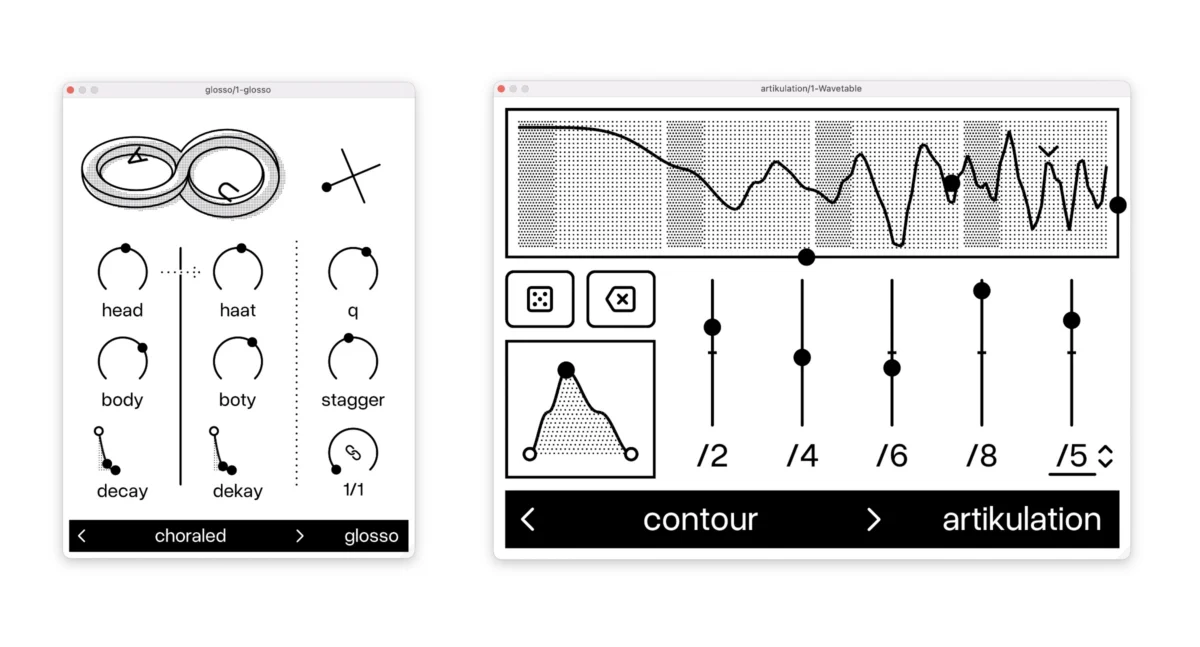
Jelle Akkerman, an engineer and artist operating under the "every something" imprint, has officially launched his new software venture, "every something plug-ins," today with the release of two highly anticipated audio manipulation tools: Glosso and Artikulation. This debut marks a significant entry into the digital audio workstation (DAW) plugin market, offering musicians and sound designers novel approaches to vocal synthesis and rhythmic sequencing. The initial offering is rounded out by the promise of two further plugins, perp (a Risset-powered live looper) and otophon (a synthesizer), slated for release next month, indicating a robust roadmap for the burgeoning company.
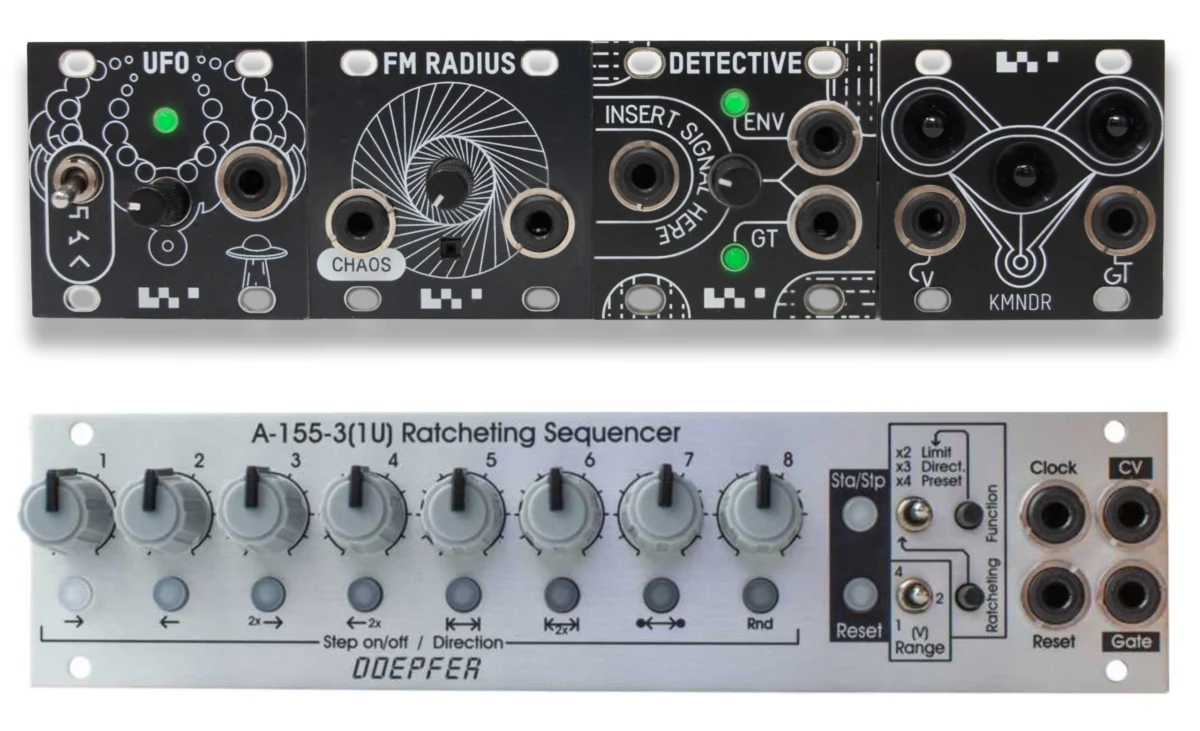
Akkerman, based in Northern Italy, brings a unique background to his technological endeavors. His early experience includes opening for the Vengaboys at the age of 14, a testament to an early and unconventional engagement with the music scene. This eclectic foundation is reflected in the experimental nature of his creations. The "every something" brand encompasses Akkerman’s diverse creative outputs, including hardware such as the "every division and duration" Eurorack module, a collaborative project with Dr. Nicolas Bougaïeff and Johannes Lohbihler, known for their work on the tbd 16 and dadamachines. The launch of these plugins signifies a strategic expansion into software, making Akkerman’s innovative sonic concepts accessible to a wider audience.
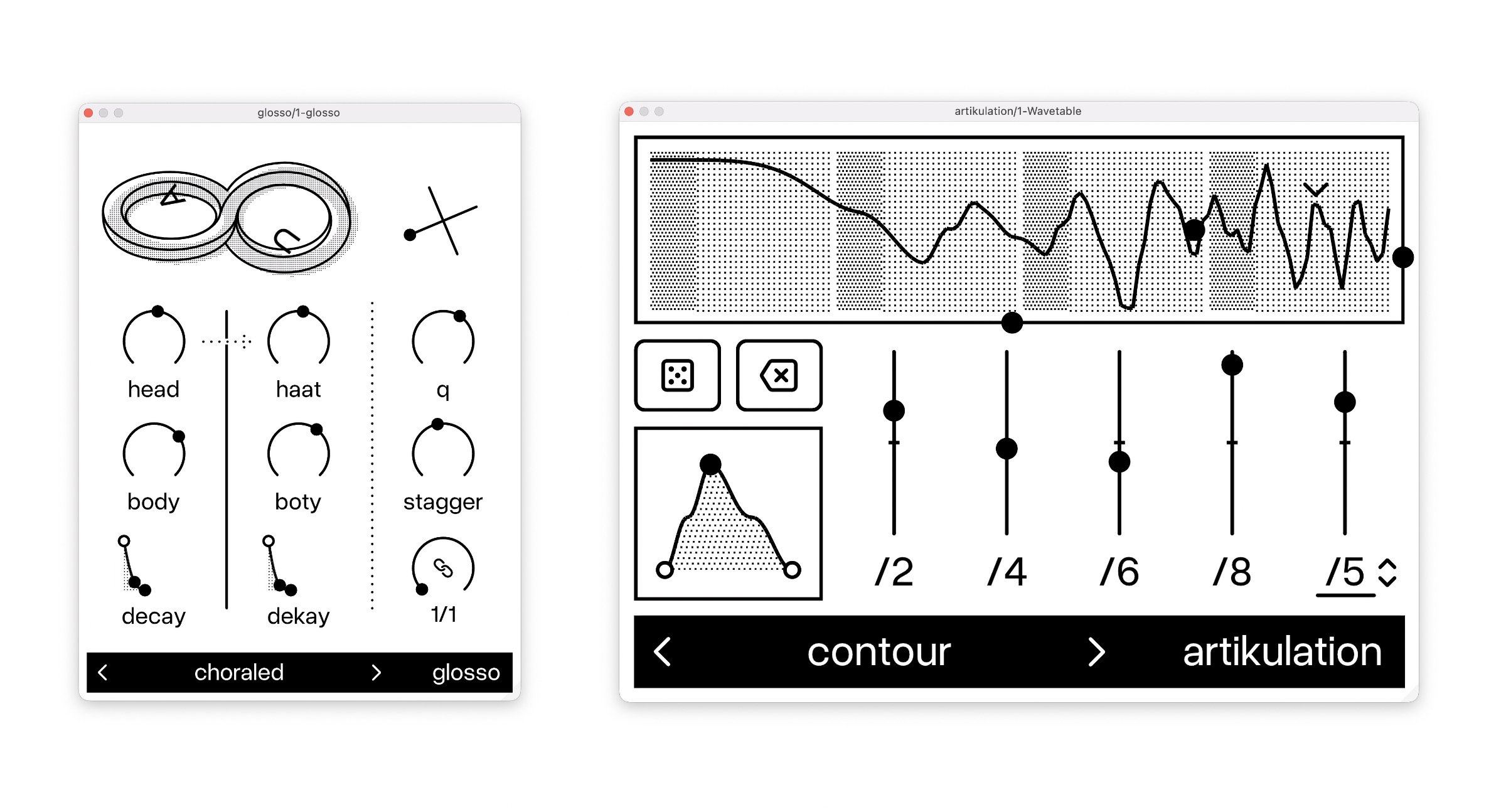
The new plugins, Glosso and Artikulation, are presented in a clean, user-friendly black and white interface and are available in AU and VST3 formats for both macOS and Windows operating systems. They are designed to challenge conventional approaches to sound design, incorporating concepts like tuplets and polymeters, which are also featured in Akkerman’s Eurorack module.
Glosso: The Art of "Speaking in Tongues"
Glosso is a vocal synthesis plugin that draws deep inspiration from the chaotic and unpredictable nature of analog circuits, particularly Rob Hordijk’s renowned "rungler" circuit found in the Benjolin. The rungler is a pseudorandom generator where two oscillators interact in a feedback loop, creating complex, evolving patterns. Akkerman translates this concept into a digital realm by employing two chaotic rhythmic circuits to drive two distinct vocal voices.
The plugin’s name, Glosso, is derived from "glossolalia," meaning "speaking in tongues." This aptly describes the plugin’s core function: generating intricate, often unpredictable vocal-like textures. When applied to any audio track and activated within a DAW, Glosso produces continuously shifting vowel-filter shapes, visualized dynamically within the user interface. The pseudorandom nature of the underlying circuitry ensures that each sonic output is unique, with the two voices exhibiting subtle to significant variations.
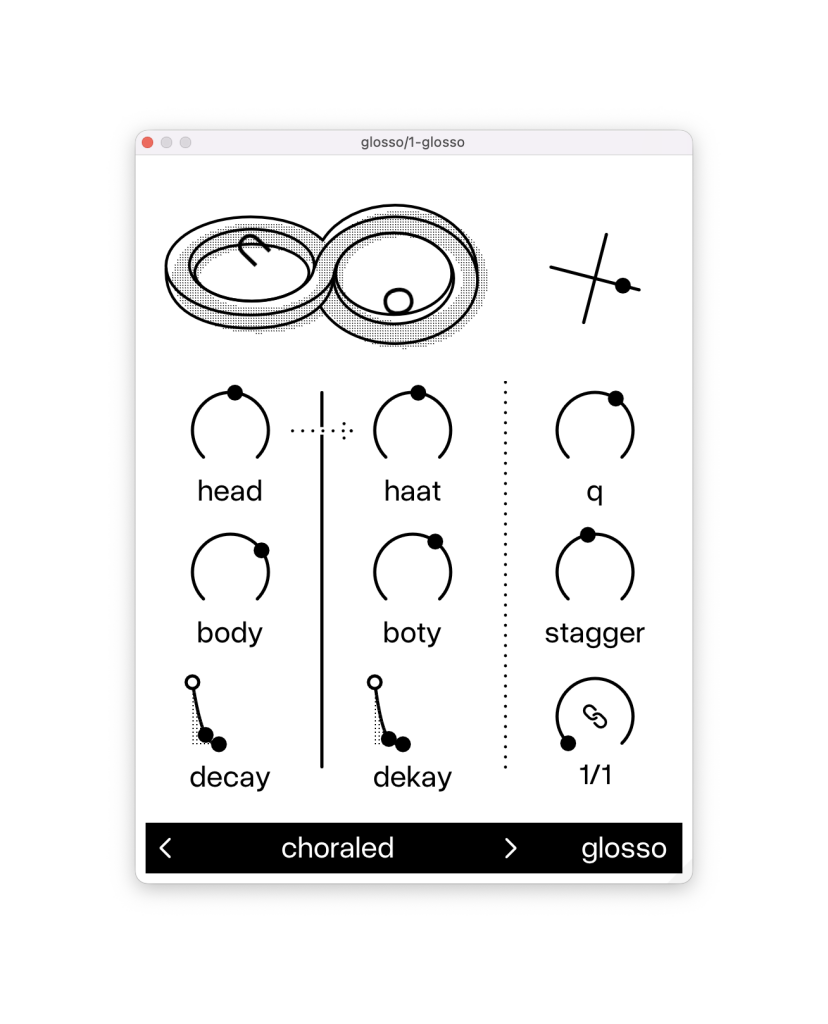
Key controls within Glosso allow for fine-tuning of these chaotic vocalizations:
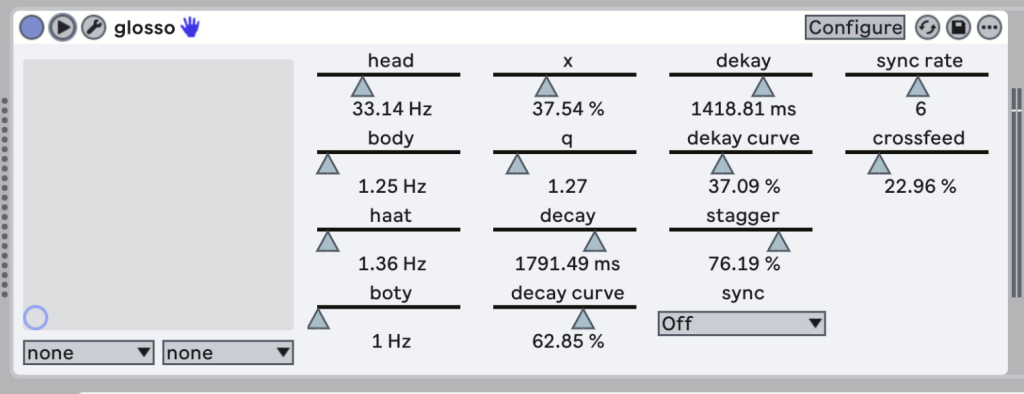
- Head/body and haat/boty: These parameters control the fundamental frequencies of each of the two voices, providing a foundational tuning for their spectral output.
- Q: This control accentuates the phonemic qualities of the synthesized voices by emphasizing the vowel filter, allowing for more pronounced articulation or textural shifts.
- Stagger: A particularly engaging control, "stagger" dictates the temporal separation between the two voices. This can be adjusted to create shuffling, offset rhythms or more distinct, independent vocal lines.
- Clock: The clock control offers both synchronized and free-running modes. In free-running mode, the circuits are unleashed without external tempo constraints, maximizing the "rungler-style chaos" and generating highly unpredictable sonic events.
Beyond these primary controls, Glosso features a cross-modulation element, visualized as a cross at the top right of the interface, which introduces an element of physical interaction to the modulation process. Further granular control is available through the "crossfeed" parameter within the plugin’s deeper settings. This allows users to adjust the degree to which the two voices are panned, from a hard-panned default to a fully centered overlay, offering a wide spectrum of spatial possibilities. This feature was reportedly a result of direct user feedback during the development phase, highlighting a collaborative approach between the developer and early testers.
When pushed to its limits, Glosso can produce an astonishing range of sounds, extending beyond mere vocal oddities to encompass rich, evolving drones, complex textures, and entirely abstract sonic landscapes. The plugin’s ability to delve into "Benjolin-style territory" suggests a deep exploration of chaotic synthesis and its potential for musical application.
Artikulation: Precision Rhythmic Sculpting
In contrast to the more abstract vocal synthesis of Glosso, Artikulation focuses on precise and flexible rhythmic manipulation. While many envelope shaping plugins offer binary shapes or hand-drawn step sequences, Artikulation distinguishes itself by enabling users to meticulously craft and manipulate rhythms and grooves, from simple structures to complex polymeters, with an intuitive and "analog-style" approach.
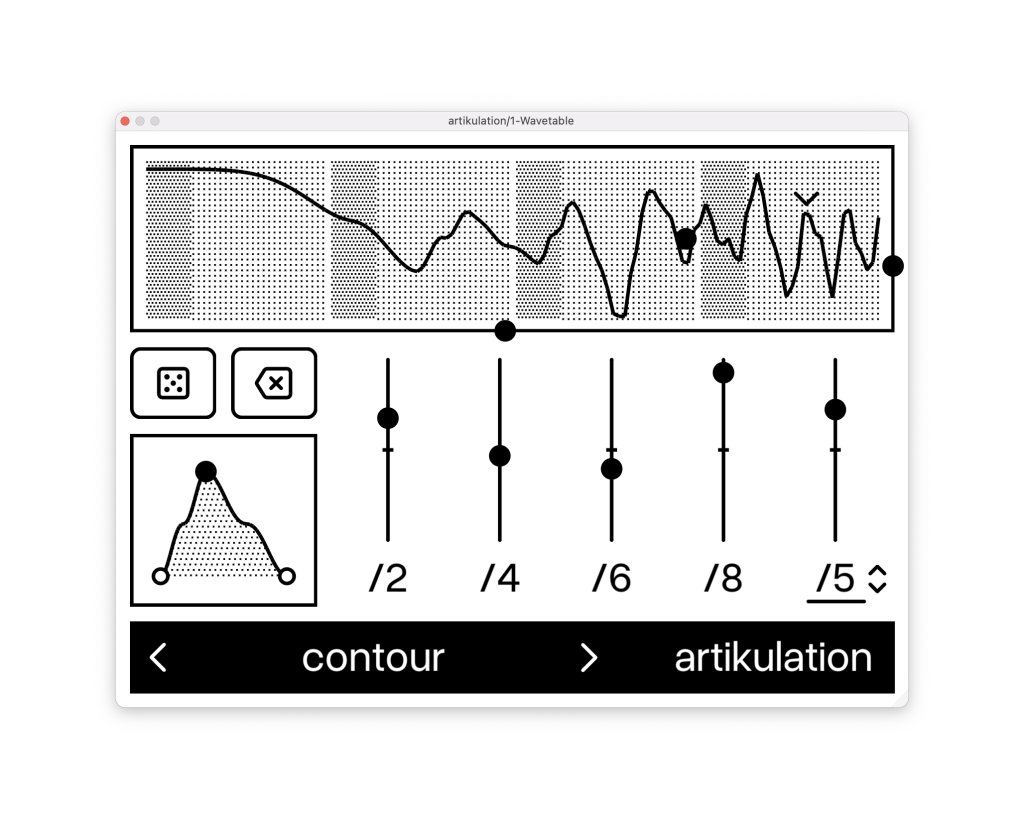
The plugin’s core strength lies in its ability to move beyond rigid, pre-defined rhythmic patterns. Instead of manually drawing in rhythms, users can leverage sophisticated controls to create complex temporal relationships. The "divisions" feature, for instance, allows for the division of the beat into fractions such as /2, /4, /6, and /8, providing a foundation for intricate rhythmic subdivisions.
Key controls in Artikulation include:
- Depth: This parameter, particularly when applied to the /2 and /4 divisions, allows for the creation of simple, duple rhythmic structures.
- Shape and Skew: These controls, located in the bottom-left of the interface, influence the contour of the envelope. They can be used to generate a variety of shapes, from sharp, on-beat patterns to more fluid, "ducked" effects, offering a wide range of expressive possibilities.
- Tuplets: This advanced setting is crucial for creating more complex rhythmic patterns. By overlaying tuplets onto the existing rhythm, users can introduce swing, accents, and intricate combined patterns, leading to sophisticated polymetric effects. The intuitive nature of these controls makes complex rhythmic layering accessible.
Further enhancing its rhythmic sculpting capabilities, Artikulation offers:
- Phase: The "phase" control, represented by a dot at the bottom of the display, allows for the temporal shifting of the entire envelope pattern. This enables users to precisely position rhythmic events within the timeline.
- Scale: Located on the right-hand side of the interface, the "scale" parameter allows for fine-tuning of the envelope’s temporal resolution. A smaller scale is particularly effective for introducing nuanced rhythmic variations and subtle grooving effects.
- Timing Warp: This feature is where Artikulation truly shines for those interested in temporal manipulation. "Timing warp" allows users to compress or expand the entire rhythmic pattern forward or backward in time. This capability unlocks the potential for dynamic effects such as fast ratcheting, rubato passages, and gradual accelerando or decelerando movements, all while maintaining a connection to the underlying grid. This feature is particularly appealing to those who appreciate tools that can bend time while preserving rhythmic coherence.
Artikulation’s power as a compositional tool is demonstrated through its ability to work in conjunction with various synthesizers, such as Ableton’s Wavetable. The plugin’s flexible rhythmic generation can transform the output of even a basic synthesizer into a dynamic and rhythmically engaging performance. The accompanying video demonstration highlights the potential for creating complex and evolving rhythmic sequences with minimal effort.
For users who may find the initial learning curve steep, "every something" provides a range of pre-designed presets. These presets serve as excellent starting points for understanding the plugin’s capabilities and offer immense satisfaction through direct tweaking and exploration.
Broader Implications and Availability
The launch of Glosso and Artikulation by "every something" signals a commitment to pushing the boundaries of digital audio tools. By drawing inspiration from analog modular synthesis and abstract sonic concepts, Akkerman is providing musicians and producers with novel avenues for creative expression. The inclusion of concepts like polymeters and tuplets in accessible plugin formats democratizes complex rhythmic programming, while the chaotic yet controllable nature of Glosso opens up new frontiers in vocal synthesis and sound design.
The availability of both plugins today, along with a free trial option, makes them immediately accessible to a global audience. This strategic rollout, coupled with the promised future releases of perp and otophon, suggests a well-defined vision for "every something plug-ins" as a significant new player in the audio software market. The company’s emphasis on experimental design and user-centric development, as evidenced by the incorporation of feedback during Glosso’s development, indicates a promising future for their product ecosystem.
The plugins are available for purchase and trial at: https://plugins.every-something.com