Muhammad Ibadurrohman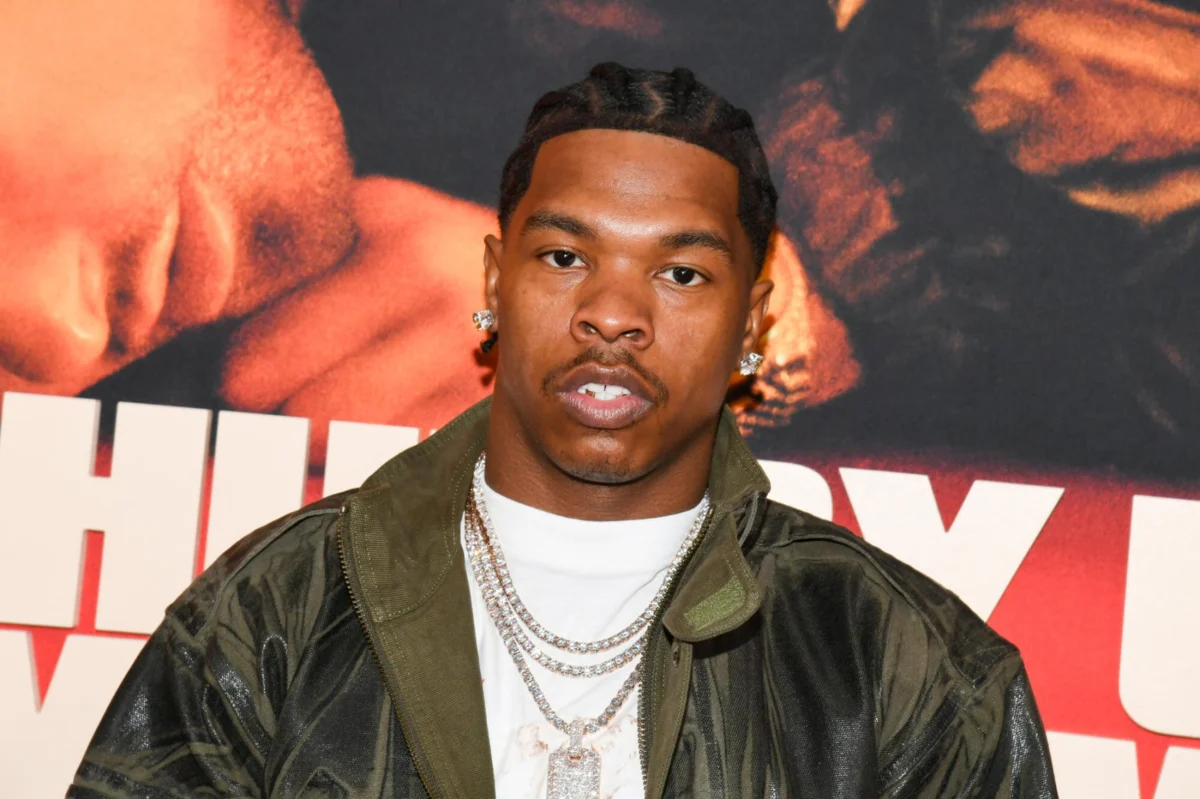
Atlanta rapper Lil Baby’s business entity, The Holding Co., is now facing a significant countersuit from its former joint venture partner, Florida-based cannabis company Bay Smokes. The legal action, filed on Thursday, June 11, centers on allegations that The Holding Co. breached a crucial confidentiality and non-disparagement clause enshrined in their joint venture agreement, which governed the "WHAM" hemp product line. This development marks a deepening of the legal battle that began in April when The Holding Co. initiated a lawsuit against Bay Smokes, accusing the company of distributing illegal and contaminated cannabis products under the rapper’s brand. The unfolding dispute casts a spotlight on the intricate legal landscape of the burgeoning cannabis industry, the delicate balance of celebrity endorsements, and the critical importance of contractual agreements in high-stakes commercial partnerships.
The Genesis of the Dispute: Allegations of Contamination and Illegality
The initial legal volley came from The Holding Co. in April, asserting that Bay Smokes had severely mishandled the WHAM product line. This line was specifically marketed as a low-THC hemp product, ostensibly legal for nationwide distribution under the provisions of the 2018 Farm Bill, which legalized hemp and its derivatives containing less than 0.3% Delta-9 THC on a dry weight basis. However, The Holding Co. claimed that independent testing of the WHAM products revealed alarming discrepancies. Their tests allegedly showed Tetrahydrocannabinol (THC) levels as high as 22%, dramatically exceeding the federal legal limit of 0.3%. Beyond the potency issues, the lawsuit also cited the presence of harmful microbes, including E. coli, yeast, and mold, in the products.
These allegations, if proven true, would not only represent significant regulatory non-compliance but also pose serious public health risks. The presence of E. coli, for instance, can lead to severe gastrointestinal illness, while excessive yeast and mold indicate poor cultivation, processing, or storage practices, potentially causing respiratory issues or allergic reactions in consumers. The Holding Co. underscored that such severe product integrity failures not only jeopardized consumer safety but also severely tarnished Lil Baby’s reputation, associating his well-established brand with "unauthorized illegal cannabis sales, concealed sales, contaminated products and unlawful conduct." Furthermore, the initial suit also contained claims that Bay Smokes’ founders were inappropriately marketing the cannabis brand through "erotic videos," further contributing to the alleged reputational damage.
Bay Smokes’ Resolute Denial and Counter-Allegations
Bay Smokes has vehemently denied all of The Holding Co.’s initial allegations. In a statement to Billboard in April, the company asserted, "We stand by the quality and legality of all of our hemp products, which undergo independent third-party laboratory testing." This statement highlights a key contention point in the lawsuit: the reliability and validity of product testing. The cannabis industry heavily relies on Certificates of Analysis (CoAs) from independent, accredited third-party laboratories to verify product potency, purity, and safety. Discrepancies between different lab tests are not uncommon, often leading to disputes over methodology, sample handling, and interpretation of results.
The countersuit filed by Bay Smokes on Thursday, June 11, directly addresses these discrepancies and elevates the legal battle. Bay Smokes specifically points to a "contemporaneous October 10, 2025, certificate of analysis for the ‘THCA Flower Gelato 45’ batch" as evidence that contradicts The Holding Co.’s claims of contamination and high THC levels. The central pillar of Bay Smokes’ countersuit, however, is the alleged breach of a confidentiality and non-disparagement clause embedded within their joint venture agreement. Such clauses are standard in commercial contracts, particularly in sensitive industries or partnerships, designed to protect the reputations and proprietary information of the parties involved.
Bay Smokes’ countersuit alleges that The Holding Co. not only violated this clause by publicly disseminating "false allegations of product contamination" through its initial lawsuit but also engaged in further disparaging conduct. Specifically, the countersuit claims that Eric Anderson, the principal of The Holding Co., has actively disparaged Bay Smokes to potential customers at industry trade shows. Compounding this alleged breach, Bay Smokes claims Anderson simultaneously steered these customers towards "competing sources of supply in which plaintiff’s principal holds an undisclosed personal financial interest." This accusation suggests a potential conflict of interest and an attempt to leverage the joint venture’s breakdown for personal gain, adding another layer of complexity to the legal proceedings. Bay Smokes is seeking financial damages from The Holding Co. for these alleged contract violations, including a refund of legal fees, and further claims that The Holding Co. has been overpaid by more than $206,000 in its share of the joint venture profits.

A Chronology of the Partnership and Its Demise
The joint venture between The Holding Co. and Bay Smokes was established in 2024. The collaboration aimed to launch the "WHAM" hemp line, leveraging Lil Baby’s immense popularity and brand recognition. The name "WHAM" itself holds significant weight, being derived from Lil Baby’s widely known nickname. This partnership was strategically timed, preceding the release of the rapper’s highly anticipated 2025 album, also titled WHAM, which subsequently debuted at No. 1 on the Billboard 200. This synergy was intended to create a powerful cross-promotional platform, linking the music, lifestyle, and cannabis product in the minds of consumers. The success of the album further amplified the potential commercial reach of the WHAM hemp line, making the subsequent allegations of product issues and legal disputes all the more damaging to the rapper’s carefully cultivated image and brand integrity. The initial lawsuit in April and the subsequent countersuit in June 2026 illustrate a rapid deterioration of a partnership that, just two years prior, was envisioned as a mutually beneficial venture in a rapidly expanding market.
The Complex Regulatory Environment of Hemp and Cannabis
Understanding the core of this dispute requires an appreciation of the intricate and often contradictory regulatory framework surrounding hemp and cannabis in the United States. The 2018 Farm Bill federally legalized hemp, defining it as Cannabis sativa L. with a Delta-9 THC concentration of no more than 0.3% on a dry weight basis. This legislative act opened the floodgates for a booming hemp-derived product market, including CBD, Delta-8 THC, THCA, and other cannabinoids. However, the distinction between federally legal "hemp" and federally illegal "marijuana" often blurs in practice, especially with the emergence of intoxicating hemp-derived cannabinoids.
The 0.3% Delta-9 THC limit is a critical threshold. Products exceeding this concentration are considered Schedule I controlled substances under federal law, regardless of their source (hemp or marijuana). This legal gray area has led to a patchwork of state regulations, with some states aligning with federal guidelines, others imposing stricter controls, and a few outright banning certain hemp-derived intoxicating products. For companies like Bay Smokes, operating in a multi-state market, ensuring consistent compliance across various jurisdictions is a monumental challenge. Rigorous, transparent, and third-party verified testing is not merely a best practice but a legal imperative to prove that products remain within the federal hemp definition and meet state-specific requirements.
The allegations of 22% THC levels in the WHAM products, if accurate, would place them firmly in the category of illegal cannabis, not federally compliant hemp. This distinction is paramount, as it transforms a commercial dispute into a matter of potentially trafficking controlled substances, carrying severe legal ramifications for all parties involved. Furthermore, the alleged presence of contaminants like E. coli, yeast, and mold highlights failures in quality control, cultivation practices, or manufacturing processes. While regulatory bodies like the FDA have yet to establish comprehensive federal standards for hemp-derived products, many states have implemented their own robust testing protocols to ensure consumer safety, often requiring extensive microbial, heavy metal, pesticide, and solvent analyses.
The Significance of Non-Disparagement Clauses
Non-disparagement clauses are commonplace in commercial contracts, particularly in joint ventures and partnerships where brand reputation and public image are vital assets. These clauses typically prohibit one party from making negative or critical statements about the other party, their products, services, or business practices, especially in public forums. The intent is to maintain a professional working relationship, protect brand equity, and prevent one party from undermining the other, even in the event of a dispute.
In the context of the Bay Smokes and The Holding Co. partnership, the non-disparagement clause would have been crucial given Lil Baby’s celebrity status. His brand is built on public perception, and any association with illegal or contaminated products could have profound and lasting negative impacts on his career, endorsements, and overall public trust. From Bay Smokes’ perspective, The Holding Co.’s public lawsuit and alleged subsequent disparagement by Eric Anderson directly contravene this clause, causing direct harm to Bay Smokes’ business operations, reputation, and market standing. The company’s legal strategy is to argue that, regardless of the veracity of the contamination claims, The Holding Co.’s public dissemination of these claims constituted a breach of contract.

Legal experts often debate the enforceability of non-disparagement clauses, especially when the allegations concern public safety or illegal activity. Courts typically weigh the protection of free speech and public interest against the contractual obligations between private parties. If The Holding Co.’s claims of contamination are ultimately proven true, it could significantly weaken Bay Smokes’ argument that the statements were "false allegations" and therefore disparaging. However, if Bay Smokes can prove its products met regulatory standards at the time, then The Holding Co.’s public statements, even if made in a legal filing, could still be viewed as a breach.
Celebrity Endorsements and the Cannabis Market: High Stakes and Higher Risks
Lil Baby’s involvement in the cannabis industry through the WHAM line is representative of a broader trend of celebrity endorsements in the rapidly expanding, yet still federally complex, market. From musicians to athletes, public figures are increasingly lending their names and brands to cannabis products, drawn by the industry’s explosive growth and cultural cachet. However, this sector also presents unique risks. The varying legal status of cannabis at federal and state levels, coupled with intense public scrutiny, means that celebrity partners face heightened exposure to reputational damage if products fall short of legal, quality, or ethical standards.
For a figure like Lil Baby, whose brand value is tied to authenticity and street credibility, allegations of distributing illegal or contaminated products could be devastating. It risks alienating his fan base, damaging trust with commercial partners, and potentially inviting legal scrutiny from regulatory bodies. This case serves as a cautionary tale for other celebrities considering similar ventures, emphasizing the paramount importance of due diligence, robust contractual safeguards, and stringent oversight of product quality and compliance by their business entities. The financial stakes are substantial, but the potential for brand erosion can be even more costly in the long run.
Financial Implications and Future Outlook
Bay Smokes is seeking financial damages from The Holding Co., including the recovery of legal fees and the alleged overpayment of profits amounting to more than $206,000. These financial claims underscore the significant commercial losses that can arise from broken partnerships and alleged contractual breaches. For The Holding Co., the countersuit adds another layer of financial and legal burden to its initial pursuit of damages from Bay Smokes. The combined legal fees, potential settlement costs, and the ongoing disruption to business operations could be substantial for both parties.
The legal proceedings are expected to be protracted and complex. Both sides will likely engage in extensive discovery, exchanging documents, conducting depositions, and presenting expert testimony on product testing, industry standards, and contract law. The outcome of this case could set precedents for how non-disparagement clauses are enforced in the cannabis industry, particularly in light of public health concerns. It could also influence how celebrity endorsements are structured and managed within this highly regulated and scrutinized market.
As of Friday, June 12, representatives for Lil Baby and The Holding Co. have not yet issued a public response to Bay Smokes’ countersuit. The silence is typical during active litigation, as legal teams strategize their next moves. The unfolding drama between The Holding Co. and Bay Smokes is more than just a contractual dispute; it’s a vivid illustration of the challenges and risks inherent in the rapidly evolving cannabis industry, particularly when intertwined with high-profile celebrity brands. The ultimate resolution will undoubtedly provide valuable insights into the legal and commercial complexities of this burgeoning market.