Muhammad Ibadurrohman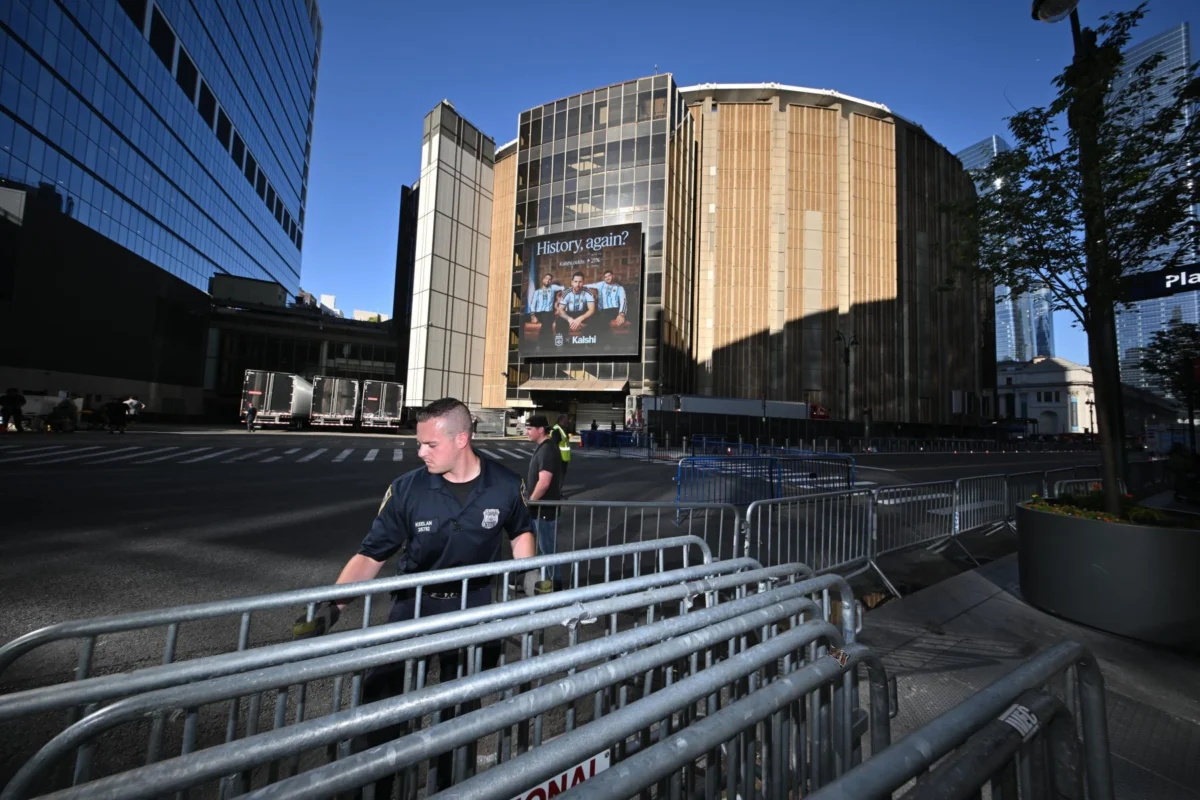
Madison Square Garden (MSG) has launched a high-stakes defamation lawsuit against Wired magazine, alleging that a recent article published by the technology-focused publication falsely implicated the iconic Manhattan venue in discriminatory practices by claiming it maintained a database of hundreds of celebrities, including sensitive information regarding their gender identity and sexual orientation. The lawsuit, filed on Thursday, July 16, 2026, in a Manhattan court, accuses Wired of publishing a "shockingly unethical" story based on stolen data, which MSG contends was deliberately manipulated to create a misleading narrative of surveillance and discrimination against the LGBTQIA community.
The controversy ignited on July 9, 2026, with the publication of Wired‘s article, provocatively headlined "Madison Square Garden Kept a List of Gay Celebrities." The piece claimed that James Dolan’s company, which operates not only Madison Square Garden but also other prominent venues such as the Chicago Theatre, Radio City Music Hall, and The Beacon Theatre, had compiled an extensive database. According to Wired, this database included A-list music stars and other public figures, with dozens explicitly tagged as "LGBTQIA." Among the celebrities reportedly named in the Wired article as being tracked were Morgan Wallen, Ice Spice, Selena Gomez, Benson Boone, Fat Joe, Ricky Martin, Phoebe Bridgers, and Emily Green of the band Geese. The article further detailed that the database assigned a "risk score" to various celebrities who might attend the arena, ranging from "low risk" to the severe designation of "DO NOT HOST." It also specifically mentioned several guests invited to Taylor Swift’s wedding as being included in this monitored list.
The Genesis of the Dispute: A Cyberattack and Stolen Data
Central to the dispute is the origin of the data cited by Wired. Both parties acknowledge that the information was part of a trove of documents released by the notorious hacker group ShinyHunters. This group, known for its high-profile cyberattacks and data extortion attempts, allegedly breached MSG Entertainment’s systems and subsequently published the stolen data after the company reportedly refused to pay a ransom. The breach itself had already plunged MSG into legal turmoil, as the company is currently facing multiple class-action lawsuits on behalf of numerous individuals whose personal information was allegedly compromised and exposed during the cyberattack. These lawsuits underscore the significant data security challenges faced by large corporations and the far-reaching consequences of such breaches.
Wired‘s report, according to MSG’s legal filing, was built upon "fragments" of this stolen data, which the publication allegedly "cherry-picked" to construct its "false narrative." MSG’s attorneys assert that the magazine "combed the dark web" to obtain this illicitly acquired information. The core of MSG’s defamation claim rests on the argument that Wired‘s interpretation and presentation of this data, particularly the use of the "sensational headline" and the focus on the "LGBTQIA tag," were intended to create a "false implication" of "LGBTQIA surveillance, risk, and discrimination."
MSG’s Ardent Denial and Legal Strategy

In its lawsuit, MSG vehemently denies the accusations of discriminatory intent. The company’s legal team emphasized, "Nothing could be further from the truth — MSG is a fervent supporter of the LGBTQIA community." They argue that Wired‘s article fundamentally misrepresented the company’s practices, twisting what MSG portrays as an effort towards "inclusion into exclusion." The lawsuit states, "Defendants’ article and its promotion falsely implied that MSG maintains sexual orientation information to identify, track, rank, exclude, or discriminate against LGBTQIA celebrities, artists, guests, fans, and patrons because of their sexual orientation or gender identity when the opposite is true."
MSG’s legal strategy will likely focus on demonstrating that the article’s central premise—that the company kept a list of gay celebrities for discriminatory purposes—is factually incorrect and that Wired either knew it was false or acted with reckless disregard for the truth. The company will need to provide evidence of its actual practices regarding celebrity data management and its commitment to LGBTQIA inclusivity to counter Wired‘s claims. The mention in Wired‘s article that "the reason for the label was ‘unclear’" for the roughly 100 individuals out of 40,000 tagged as LGBTQIA might be a point MSG’s lawyers seize upon to argue against the article’s implied intent.
Wired’s Stance: Standing by Reporting and Journalistic Accountability
In response to MSG’s lawsuit, Wired issued a resolute statement via X (formerly Twitter), asserting its commitment to its journalistic integrity. The publication declared, "We stand by this reporting, and we plan to vigorously defend it against this baseless and ridiculous lawsuit." Wired further underscored its mission to "continuing our coverage of MSG, and on billionaire James Dolan’s use of technology across his entertainment empire." The statement concluded with a powerful assertion of journalistic purpose: "It’s one part of our wider mission and the critical job of journalists, now more than ever: holding power to account."
Wired‘s defense will undoubtedly hinge on the principles of press freedom and the public’s right to know, particularly when dealing with powerful corporations and public figures. The publication will likely argue that its reporting was factual, thoroughly investigated, and served a legitimate public interest by exposing potential privacy concerns and corporate practices. To avoid a finding of defamation, Wired would need to demonstrate that its article was not only true in substance but also that it did not act with "actual malice"—a high legal standard in U.S. defamation law, particularly for cases involving public figures or entities like MSG. This standard requires the plaintiff to prove that the publisher knew the information was false or published it with reckless disregard for its truth or falsity.
The Broader Implications: Data Privacy, Journalistic Ethics, and Legal Precedent
This legal battle extends beyond the immediate parties, touching upon critical issues of data privacy, journalistic ethics, and the challenging landscape of defamation law in the digital age.

Data Privacy Concerns: The underlying cyberattack by ShinyHunters serves as a stark reminder of the pervasive threat of data breaches. For MSG and other large entertainment and hospitality companies, the incident highlights the immense responsibility of safeguarding sensitive personal information, particularly for high-profile individuals. The ongoing class-action lawsuits against MSG related to the hack underscore the significant legal and reputational risks associated with inadequate cybersecurity measures. The very existence of a database tracking celebrity attendees, regardless of its intended purpose, raises questions about the scope of data collection by venues and the expectations of privacy for guests, even public figures.
Journalistic Ethics in the Digital Age: The Wired article’s reliance on stolen data obtained from the "dark web" ignites a perennial debate in journalism: the ethics of using illicitly acquired information. While journalists often rely on leaked documents to expose wrongdoing, the source and nature of the leak can complicate ethical considerations. The question arises whether the public interest served by publishing the information outweighs the ethical implications of utilizing stolen data, especially when it involves sensitive personal details. Wired‘s defense, centered on "holding power to account," positions its actions within a tradition of investigative journalism, but the legality of publishing such data remains a complex issue that courts often grapple with.
The High Bar of Defamation Law: Defamation cases, particularly those brought by powerful public figures or corporations against media outlets in the U.S., face an uphill battle due to the stringent legal standard of "actual malice." This standard, established by the Supreme Court in New York Times Co. v. Sullivan (1964), is designed to protect robust public discourse and prevent the suppression of legitimate reporting. For MSG to succeed, it must not only prove that Wired‘s story was factually false but also that the journalists involved either knew it was false or acted with a high degree of awareness of its probable falsity. This makes such cases notoriously difficult to win, often resulting in significant legal costs for both sides regardless of the outcome. The lawsuit also names specific individuals—Wired owner Advance Magazine Publishers Inc., contributing editor Noah Shachtman, co-author Maddy Varner, and global editorial director Katie Drummond—as defendants, which is common in defamation suits to hold individuals responsible for their editorial decisions. MSG’s filing notably took aim at Noah Shachtman, citing a past incident where he reportedly omitted key facts from a story, suggesting a pattern of shaping "reporting" to fit "predetermined narratives." This line of attack aims to undermine the defendants’ credibility and potentially bolster MSG’s argument regarding "actual malice."
A Chronology of Events:
- Prior to July 9, 2026: Madison Square Garden Entertainment’s systems are breached by the hacker group ShinyHunters. Data, including the celebrity database, is stolen. ShinyHunters subsequently releases the data after MSG reportedly refuses to pay a ransom.
- July 9, 2026: Wired publishes its article, "Madison Square Garden Kept a List of Gay Celebrities," detailing the alleged database and its contents.
- July 16, 2026: Madison Square Garden files a defamation lawsuit against Wired, Advance Magazine Publishers Inc., Noah Shachtman, Maddy Varner, and Katie Drummond in a Manhattan court.
- Ongoing: Madison Square Garden Entertainment continues to face class-action lawsuits stemming from the ShinyHunters data breach, related to the exposure of personal information.
The legal proceedings that will unfold are poised to scrutinize the intricacies of corporate data management, the boundaries of investigative journalism, and the enduring tension between free press and reputational protection. The outcome will likely set precedents or at least offer significant insights into how courts view the responsibilities of both media organizations and powerful corporations in an era defined by ubiquitous data and persistent cyber threats.