Jia Lissa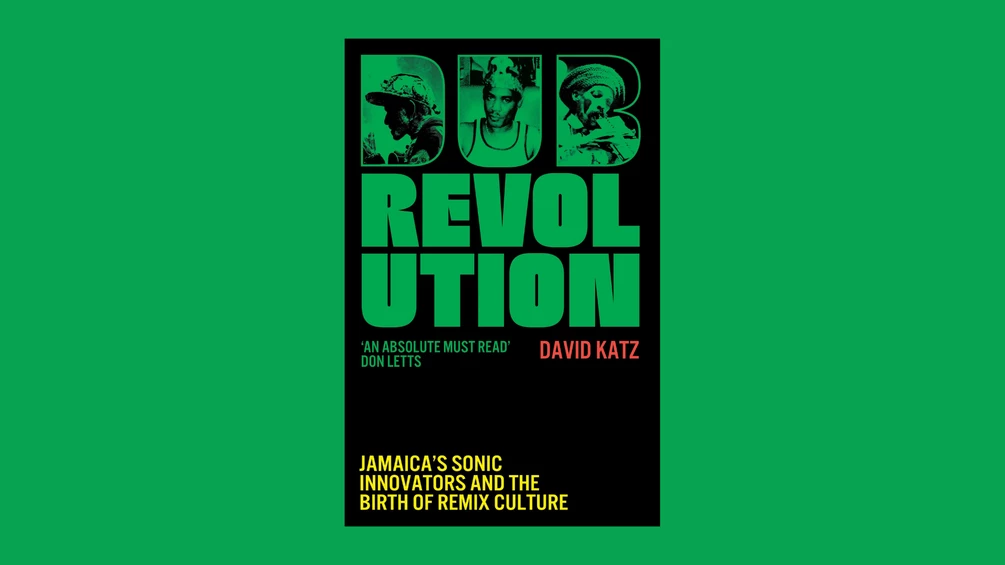
Dub Revolution: Jamaica’s Sonic Innovators and the Birth of Remix Culture, a new seminal work by acclaimed author, journalist, and documentary-maker David Katz, has been released, offering an exhaustive chronicle of dub music’s profound origins and its transformative impact on global music. Published by White Rabbit Books, the volume meticulously explores dub’s emergence in the vibrant, politically charged atmosphere of early 1970s Kingston, Jamaica, where visionary producers laid the groundwork for what would become a revolutionary approach to sound. The book posits dub not merely as a genre but as the fundamental catalyst for modern remix culture, asserting its indispensable role in the genesis of genres as diverse as hip-hop and house music.
The Genesis of Dub: From Sound Systems to Studio Alchemy
The narrative of dub begins in the bustling, competitive world of Jamaican sound system culture, which had flourished since the late 1940s. These mobile discos, with their towering speaker stacks and charismatic deejays, were the primary arbiters of musical taste on the island. Initially, sound system operators relied on exclusive "specials" – unique acetates pressed with instrumental versions of popular vocal tracks – to differentiate themselves. This practice inadvertently laid the groundwork for dub. As producers and engineers began to experiment with these instrumental B-sides, they discovered the potential for artistic manipulation, transforming the mixing desk into an instrument itself.
At the vanguard of this sonic revolution was Osbourne Ruddock, universally known as King Tubby. Operating from his modest studio at 18 Dromilly Avenue in Kingston, Tubby, originally an electronics repairman, possessed an unparalleled understanding of audio circuitry. He began stripping back reggae recordings, isolating basslines and drum patterns, and then reintroducing elements with exaggerated effects like spring reverb, delay, and phase shifters. His innovative use of a custom-built MCI console and a highly modified console at Duke Reid’s Treasure Isle studio allowed him to create spacious, echo-laden soundscapes that were entirely new. Tubby’s work with artists like Augustus Pablo and Johnny Clarke, creating instrumental "versions" that transcended their vocal counterparts, cemented his status as the godfather of dub. His studio became a pilgrimage site for artists and producers eager to learn from his pioneering techniques.
Another central figure in this formative period was Lee "Scratch" Perry. A mercurial and endlessly inventive producer, Perry’s Black Ark Studio, though short-lived, became a crucible of creativity. Known for his unconventional recording methods, including burying microphones and blowing smoke onto tape reels, Perry imbued his dub productions with a distinct, often mystical, quality. Working with his house band, The Upsetters, and artists like Max Romeo and The Congos, Perry crafted some of dub’s most iconic and experimental tracks. His productions were characterized by their raw energy, heavy use of tape delay, and a spiritual, almost psychedelic, depth that pushed the boundaries of what reggae could be.
The book further highlights the contributions of the next generation of dub innovators, including Prince Jammy (now King Jammy) and Scientist. Prince Jammy, who started his career working alongside King Tubby, quickly developed his own distinctive style, characterized by a cleaner, more rhythmic approach to dub mixing. Scientist, another protégé of Tubby, became known for his prolific output and masterful command of effects, creating numerous classic dub albums in the late 1970s and early 1980s. These artists, alongside others like Errol Thompson and Sylvan Morris, collectively forged the distinct sonic palette of dub, emphasizing space, texture, and the rhythmic interplay of bass and drums, all enveloped in washes of echo and delay.
Socio-Political Undercurrents: The Voice of a Nation
Katz’s Dub Revolution delves beyond the technical innovations to explore the profound political and cultural contexts that shaped dub music. The 1970s in Jamaica was a period of intense social and political upheaval. The euphoria of post-colonial independence in 1962 had given way to economic disparities, political factionalism, and escalating violence, particularly in Kingston’s inner cities. Against this backdrop, Rastafarianism gained significant traction, offering a spiritual and political counter-narrative of resistance, self-reliance, and Pan-African identity.
Dub music, with its deep bass frequencies and often sparse, hypnotic rhythms, became a sonic reflection of these times. The echoing voids and ghostly vocal snippets could evoke a sense of introspection, defiance, or spiritual contemplation. The music’s often dark, meditative qualities resonated with the struggles and aspirations of a populace navigating a turbulent landscape. Sound systems, playing these instrumental versions, served as community hubs where political discourse intertwined with musical appreciation. The bass-heavy sound could be felt as much as heard, creating a visceral experience that connected listeners to a collective consciousness. Katz’s interviews with influential figures within the genre offer firsthand accounts of how these socio-political realities directly informed the creative process and the messages embedded within the music, even in its most abstract forms.
The Global Echo: Dub’s International Spread and Adaptation
The influence of dub music could not be contained within Jamaica’s shores. The book meticulously charts how the sound spread internationally, primarily through the vast Jamaican diaspora that had established communities in cities across the globe, particularly in the United Kingdom and the United States.
In New York City, figures like Lloyd Barnes, better known as Bullwackie, played a crucial role. Operating his Bullwackie’s House of Music record store and Wackies label in the Bronx, Barnes became a vital conduit for Jamaican music, producing and distributing dub records that found an eager audience among reggae enthusiasts and, crucially, early hip-hop pioneers. The sound system culture, transplanted from Jamaica, flourished in these expatriate communities, with DJs and MCs drawing heavily from dub’s rhythmic foundations. Early hip-hop DJs, most notably Kool Herc, himself a Jamaican immigrant, directly applied the concept of isolating instrumental breaks from funk and soul records—a technique mirroring dub’s emphasis on instrumental versions—to extend and manipulate tracks for dancers, laying the cornerstone for hip-hop production.
Across the Atlantic, the United Kingdom became another fertile ground for dub’s evolution. British producers, many with Caribbean heritage, embraced and reinterpreted the genre. Dennis Bovell, a Barbadian-born musician and producer, was instrumental in integrating dub into the UK’s musical landscape. As a member of the band Matumbi and later as a prolific producer, Bovell worked with a diverse array of artists, from reggae legends to punk and post-punk bands, infusing their sound with dub’s distinctive textures. His "Blackbeard" dub mixes were foundational to the British reggae sound.
Mad Professor (Neil Fraser), another Guyanese-British innovator, established Ariwa Sounds, a label and studio that became a powerhouse of UK dub. His distinct, often psychedelic, approach to mixing earned him international acclaim and influenced generations of electronic music producers. Adrian Sherwood, through his On-U Sound label, became a pivotal figure in the post-punk era, famously collaborating with artists like Public Image Ltd., The Slits, and The Pop Group, demonstrating how dub aesthetics could be seamlessly woven into experimental rock and industrial music. Sherwood’s productions are characterized by their deep grooves, cavernous echoes, and often unsettling sonic landscapes, showcasing dub’s versatility.
From Post-Punk to Electronic Frontiers: Dub’s Enduring Legacy
One of the book’s central arguments is dub’s far-reaching and often unacknowledged impact on subsequent musical genres. The synopsis explicitly states, "Widely adopted by post-punk producers and later a crucial influence on the underground dance music scenes of several continents, dub indelibly changed the techniques and aesthetics of music production with far-reaching effects; it’s no exaggeration to say that without dub, there would be no hip-hop or house music."
This bold claim is substantiated by tracing the direct lineage. The minimalist, bass-driven grooves and the emphasis on rhythmic breaks in dub profoundly influenced early hip-hop. The foundational practice of looping and manipulating instrumental sections, pioneered by Jamaican DJs, became the bedrock of hip-hop production. Similarly, the repetitive, hypnotic qualities, the emphasis on sub-bass frequencies, and the textural manipulation of sound that characterize dub provided a blueprint for early house and techno producers in Chicago and Detroit. The idea of constructing a track from stripped-down elements, building atmosphere through effects rather than complex melodies, is a direct inheritance from dub.
Beyond these foundational genres, dub’s imprint can be found across the spectrum of electronic music. Jungle and drum & bass, which emerged from the UK rave scene, owe a significant debt to dub’s heavy basslines, breakbeat manipulation, and sound system culture. More recently, dubstep, with its focus on intricate bass wobbles, half-time rhythms, and spacious sound design, is an obvious descendant. Even ambient music and various forms of experimental electronic music draw inspiration from dub’s pioneering use of space, texture, and sonic immersion.
The Art of Deconstruction: Dub’s Unique Production Techniques
At its heart, dub is an art of deconstruction and re-creation. The book elucidates the core techniques that define the genre, emphasizing the "studio as an instrument" philosophy. Unlike traditional mixing, where the goal is to balance existing elements, dub mixing involves actively creating new sonic narratives. Engineers would selectively drop instruments in and out, creating moments of sudden silence followed by explosive re-entries. Echo and delay units were not merely added as embellishments but were played as instruments, with feedback loops manipulated to create swirling, rhythmic patterns. Reverb was used to create vast, atmospheric spaces, while phasers and flangers added psychedelic textures.
The bassline, in particular, became the undeniable anchor of dub. Often recorded with a distinct, resonant tone, it was pushed to the forefront of the mix, providing both rhythmic drive and melodic content. The drum kit, especially the kick and snare, was treated with similar emphasis, often drenched in echo to create a sense of vastness. Vocal snippets, when present, were typically treated as another textural element, fragmented and echoed into abstraction, their original meaning often dissolving into pure sound. This radical approach to sound manipulation laid the foundation for virtually every form of electronic music production that followed.
Author David Katz: A Voice of Authority
David Katz is uniquely positioned to author such a comprehensive work. With a distinguished career as a journalist, author, and documentary-maker, Katz has spent decades immersed in Jamaican music and culture. His previous works, including definitive biographies of Lee "Scratch" Perry and Augustus Pablo, attest to his deep knowledge, meticulous research, and access to key figures within the reggae and dub communities. The inclusion of extensive interviews with some of the genre’s most influential figures promises unparalleled insights, offering firsthand accounts and perspectives that bring the history to life. This depth of primary research elevates Dub Revolution from a mere historical account to an authoritative academic and cultural document.
White Rabbit Books: A Home for Sonic Histories
The publication by White Rabbit Books further underscores the significance of Dub Revolution. As an imprint known for its focus on music literature, White Rabbit has a track record of releasing critically acclaimed books that explore diverse facets of music history and culture. Their commitment to detailed, well-researched narratives ensures that Katz’s work receives the platform it deserves, reaching an audience of music enthusiasts, academics, and producers eager to understand the roots of modern sonic innovation.
The Continuing Revolution: Dub’s Timeless Influence
Dub Revolution is more than just a historical account; it is a testament to the enduring power and revolutionary spirit of a musical form born from innovation and necessity. It highlights how a relatively small island nation, facing significant socio-political challenges, birthed a sound that would ripple across continents and fundamentally alter the global musical landscape. Dub’s philosophy of deconstruction, reinterpretation, and the elevation of the studio to an instrument continues to inspire contemporary artists and producers. Its emphasis on bass, rhythm, and atmospheric effects remains a core pillar of countless genres, proving that the "dub revolution" is far from over.
In parallel to Dub Revolution‘s release, DJ Mag recently revisited the life of the late dub pioneer Lee "Scratch" Perry through the lens of photographer Dennis Morris, offering a visual complement to the sonic history explored in Katz’s book. Additionally, last month saw the publication of Beyond the Drop, a new book exploring how sound design has shaped electronic music over the past 30 years, further underscoring the ongoing scholarly and popular interest in the intricate evolution of electronic soundscapes, a journey fundamentally paved by the sonic architects of dub.