Muhammad Ibadurrohman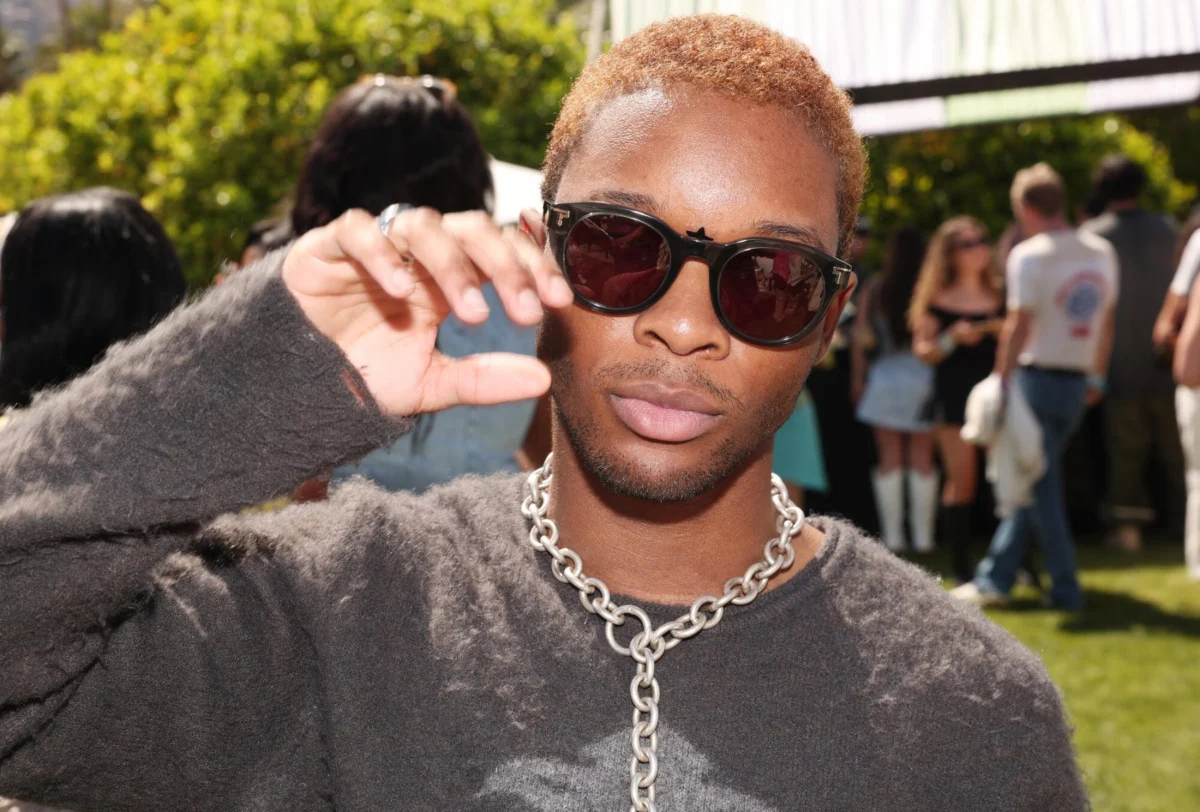
Billboard is closely monitoring the unfolding criminal case involving 21-year-old pop sensation D4vd, born David Anthony Burke, who faces grave charges of first-degree murder, alleging the killing and dismemberment of 14-year-old Celeste Rivas Hernandez. Prosecutors in Los Angeles contend that Burke, widely recognized for his 2022 breakout hit "Romantic Homicide," maintained an unlawful sexual relationship with the minor and subsequently murdered her to prevent the exposure of his alleged criminal conduct, which they claim threatened to derail his burgeoning music career. The severity of these allegations has sent shockwaves through the music industry, raising profound questions about accountability, artist conduct, and the swift consequences of legal entanglements on high-profile careers.
The Los Angeles District Attorney’s Office has formally accused Burke of committing the murder on April 23, 2025. This date is particularly poignant, occurring just two days before the scheduled release of D4vd’s highly anticipated debut album, Withered, which, despite the looming tragedy, managed to achieve a respectable No. 13 position on the Billboard 200 chart. The grim discovery that brought these allegations to light occurred months later, when law enforcement officials found Rivas Hernandez’s decomposed and dismembered remains within an impounded Tesla vehicle registered to D4vd. This discovery ignited a complex and high-stakes legal battle that is now captivating public attention and has already begun to reshape the landscape of Burke’s professional life.
The Meteoric Rise and Sudden Fall of D4vd
David Anthony Burke, performing under the moniker D4vd, emerged as a significant force in the pop music landscape with unprecedented speed. His journey to stardom began in 2022 with the viral success of "Romantic Homicide," a track that resonated deeply with a global audience, particularly across digital platforms and streaming services. The song’s melancholic introspection and distinctive sound quickly propelled him from an independent artist to a major label signee, capturing the attention of industry giants like Darkroom/Interscope Records. His early career was characterized by a rapid ascent, marked by critical acclaim and a devoted fanbase. He was seen as one of music’s most promising new voices, with his unique blend of alternative pop and atmospheric soundscapes distinguishing him from his peers.
By early 2025, D4vd’s career trajectory appeared unstoppable. He was a visible presence at high-profile events, including the Interscope & Capitol Records Coachella Party in April 2024 and the Coperni Womenswear Fall/Winter 2025-2026 show during Paris Fashion Week in March 2025, signaling his crossover appeal and growing influence beyond just music. The impending release of his debut album, Withered, was poised to solidify his status as a mainstream artist. The album’s initial chart performance, even in the shadow of the unfolding tragedy, underscored the commercial momentum he had built. However, the subsequent revelation of the murder charges cast a long, dark shadow over these achievements, transforming what was once a narrative of triumph into a profound legal and public relations crisis.
A Detailed Chronology of Allegations and Events
The timeline of events surrounding this case paints a disturbing picture of a rapid descent from career high to legal jeopardy:
- 2022: D4vd (David Anthony Burke) gains widespread recognition with his hit single "Romantic Homicide," marking his breakthrough into the music industry. His independent success quickly leads to major label deals.
- April 13, 2024: Burke is photographed at the Interscope & Capitol Records Coachella Party in Palm Springs, California, showcasing his rising profile and industry integration.
- March 9, 2025: Burke attends the Coperni Womenswear Fall/Winter 2025-2026 show at Paris Fashion Week, further cementing his status as a cultural figure.
- April 23, 2025: The Los Angeles District Attorney’s Office alleges that the murder of 14-year-old Celeste Rivas Hernandez occurred on this date. Prosecutors claim Burke was involved in an illegal sexual relationship with the victim and committed the murder to prevent her from exposing his alleged criminal conduct and damaging his career.
- April 25, 2025: D4vd’s debut album, Withered, is released. Despite the alleged events occurring just two days prior, the album debuts at No. 13 on the Billboard 200, reflecting his pre-existing popularity.
- Months after April 2025: Law enforcement discovers the decomposed and dismembered body of Celeste Rivas Hernandez in an impounded Tesla registered to D4vd. This discovery triggers a full-scale criminal investigation.
- [Specific Date of Arrest – Not provided, but inferred to be after body discovery]: David Anthony Burke is arrested and subsequently charged with first-degree murder.
- [Specific Date of Arraignment – Not provided]: Burke pleads not guilty to all charges.
- [After Arrest/Charges]: His scheduled headlining Withered tour is abruptly cut short, and plans for a deluxe version of the album are shelved indefinitely.
- [After Arrest/Charges]: Darkroom/Interscope Records, Sony Music Publishing, and The·Team (formerly Wasserman) officially terminate their contracts with Burke, signaling a complete severance of professional ties.
- Ongoing: Billboard commits to tracking the developments of D4vd’s legal case as it progresses through the judicial system.
The Defense’s Stance and Legal Strategy
Following his arrest and the formal filing of charges, David Anthony Burke entered a plea of not guilty to all accusations. His legal team has unequivocally stated their intention to "vigorously defend" him in court. In a public statement issued after his arrest, Burke’s attorneys asserted, "Let us be clear: the actual evidence in this case will show that David Burke did not murder Celeste Rivas Hernandez and he was not the cause of her death." This statement indicates a strong denial of the prosecution’s narrative and suggests that the defense plans to challenge the forensic evidence, the timeline of events, and the alleged motive presented by the District Attorney’s Office. The legal battle is expected to be contentious, with both sides preparing to present their cases through a rigorous process of evidence presentation, witness testimony, and cross-examination.
A first-degree murder charge in California carries the most severe penalties, including a potential sentence of 25 years to life in state prison, or even life without the possibility of parole, particularly if aggravating circumstances such as torture or dismemberment are proven. The prosecution’s assertion of an "illegal sexual relationship" with a minor, if proven, could introduce additional charges and further complicate the legal proceedings, potentially influencing the court’s perception of motive and the severity of the alleged crime. The defense will likely focus on establishing reasonable doubt, perhaps by questioning the chain of custody of evidence, the forensic analysis, or presenting alternative theories regarding the victim’s death.

Unprecedented Industry Fallout and Broader Implications
The legal crisis surrounding D4vd has already triggered immediate and severe repercussions for his professional career, serving as a stark reminder of the unforgiving nature of the entertainment industry when faced with such grave allegations. The cancellation of his Withered tour, a critical component of any album cycle designed to connect artists with their fanbase and generate revenue, represents a significant financial and reputational blow. The decision to shelve the deluxe version of his debut album further underscores the commercial damage, as record labels typically invest substantial resources in promoting and extending the lifecycle of successful releases.
However, the most definitive indicator of the industry’s response came with the termination of his contracts by Darkroom/Interscope Records, Sony Music Publishing, and The·Team. These companies represent crucial pillars of an artist’s career – recording, publishing, and talent management. Their collective decision to sever ties reflects not only the legal risks associated with retaining an artist facing such serious charges but also the profound ethical and public relations considerations. Major labels and management firms often include "morality clauses" in their contracts, allowing them to terminate agreements if an artist’s conduct brings disrepute to the company or the industry. While the specifics of Burke’s contracts are private, the swift action taken by these entities suggests that the allegations fall squarely within the scope of such clauses.
Beyond Burke’s individual case, this situation carries broader implications for the music industry. It highlights the increasing scrutiny artists face in the digital age, where information and allegations can spread globally within moments. The imperative for labels and management to conduct thorough due diligence and to act decisively when allegations of serious misconduct arise is amplified. It also serves as a somber cautionary tale regarding the personal conduct of public figures and the devastating impact it can have on their careers, regardless of prior success. The case will undoubtedly be closely watched by legal experts, music industry executives, and the public alike, as it could set precedents for how similar situations are handled in the future.
The Legal Process Ahead
The legal proceedings for a first-degree murder charge are typically extensive and complex. Following Burke’s arraignment and not guilty plea, the next phase will involve pre-trial hearings, where attorneys for both sides will engage in discovery – the exchange of evidence and witness lists. This will likely be followed by a preliminary hearing, during which a judge will determine if there is sufficient probable cause to proceed to a full trial. If the case moves forward, a jury will be selected, and the trial itself could span weeks or even months, involving testimony from forensic experts, investigators, and other witnesses.
The prosecution will bear the burden of proving Burke’s guilt beyond a reasonable doubt, presenting evidence related to the alleged illegal relationship, the motive, the circumstances of the victim’s death, and the discovery of her body. The defense will counter by attempting to discredit the prosecution’s evidence, introduce alternative explanations, or demonstrate weaknesses in the state’s case. The outcome will hinge on the jury’s interpretation of the evidence presented and whether they are convinced by either side’s arguments.
A Community in Shock
The allegations have not only impacted Burke’s career but have also deeply affected the community, particularly in Los Angeles, and the music fanbase that once celebrated his talent. The alleged victim, Celeste Rivas Hernandez, a 14-year-old, represents a tragic loss of young life, and the details surrounding her death are profoundly disturbing. While the focus remains on the legal proceedings, the human cost of such alleged crimes is immense, impacting families, friends, and the broader sense of safety and justice within society. The public, especially D4vd’s former fans, are grappling with the dissonance between the artist they admired and the grave accusations now leveled against him.
Billboard remains committed to providing objective, factual updates on this developing case, ensuring that all reporting adheres to the highest journalistic standards. The legal process is designed to uncover the truth, and as this case progresses through the courts, further details and legal arguments are expected to emerge.