Lana Akmaluna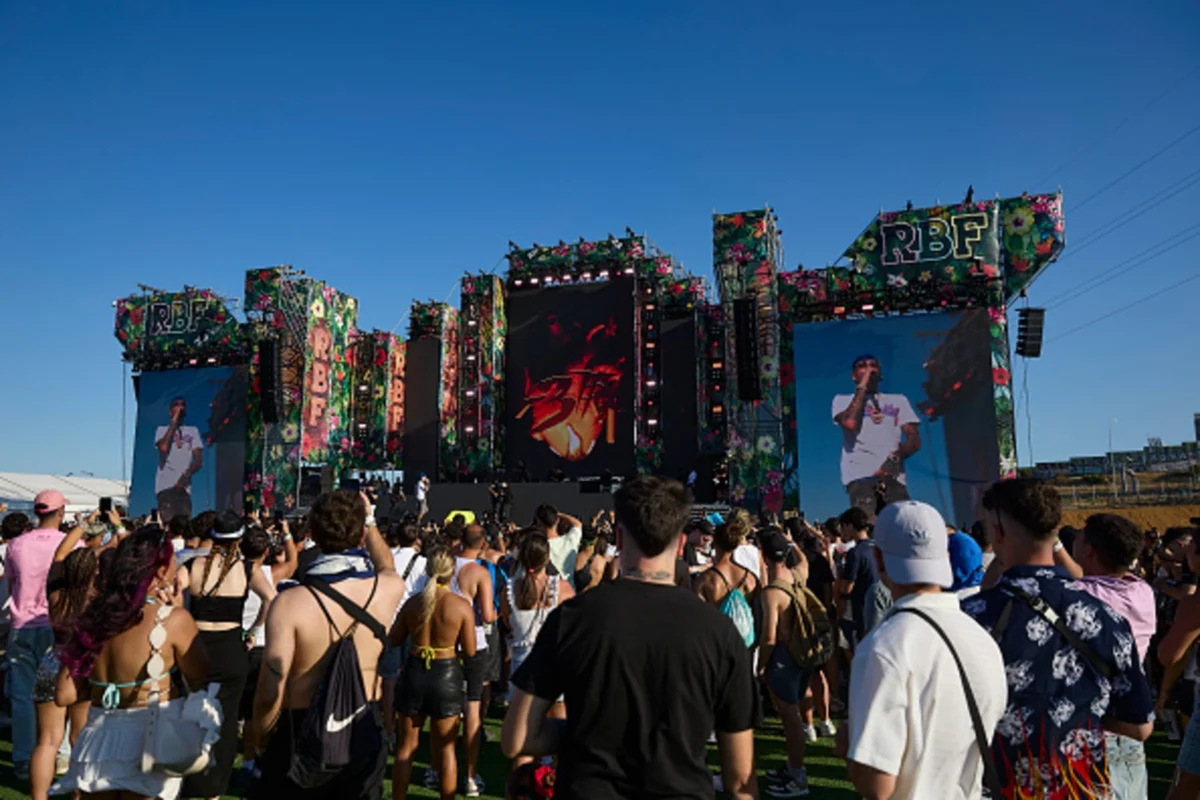
The eighth edition of the Reggaeton Beach Festival (RBF), one of Europe’s most significant urban music circuits, has been officially canceled for its 2026 season, leaving tens of thousands of ticket holders across Spain in a state of uncertainty. Organizers confirmed the decision on Thursday, June 18, citing a combination of insurmountable economic hurdles and operational complexities that have rendered the multi-city tour unfeasible. The cancellation affects seven major events scheduled to take place throughout the summer in Barcelona, Madrid, Tenerife, Mallorca, Santander, Nigrán, and Alicante. The tour was set to kick off in Barcelona on June 27-28, 2026, marking what was expected to be the festival’s most ambitious year to date.
The announcement came as a shock to the music industry and fans alike, particularly given the high-profile lineup that had been curated for the summer. Featured artists included global superstars such as Myke Towers, Anuel AA, and Omar Courtz, among others. In an official statement disseminated via social media platforms, the festival’s management explained that the decision was reached following a comprehensive internal audit and an analysis of the project’s global viability. The organizers noted that the current operational and financial structure of the managing company no longer provides the necessary guarantees to execute events of such a massive scale with the quality and safety standards required.
A Sudden Halt to the 2026 Circuit
The Reggaeton Beach Festival has historically been a cornerstone of Spain’s summer tourism and entertainment economy. Since its inception, the brand has grown from a single-city event into a nationwide phenomenon, capitalizing on the explosive global popularity of reggaeton and urban music. The 2026 edition was intended to solidify this legacy, with dates spanning from the Mediterranean coast to the Atlantic shores of Galicia and the Canary Islands.
The cancellation timeline began on June 18, when rumors started circulating within industry circles regarding the festival’s liquidity. Hours later, the official statement confirmed the worst fears of the "RBF community." The organizers cited that a "new management" team had identified "economic, financial, and operational circumstances that significantly affect the viability of the project." This suggests that a recent restructuring or change in leadership may have uncovered fiscal discrepancies or logistical bottlenecks that were previously unaddressed.
The statement emphasized that the company "is not in a position to continue with the 2026 tour or to maintain the operational activity required for the development of the scheduled events." This admission of insolvency or operational paralysis is rare for an organization that has successfully managed dozens of large-scale events over the past seven years.
Geographic Impact and Local Economies
The cancellation of the Reggaeton Beach Festival is not merely a disappointment for music fans; it represents a significant blow to the local economies of the seven host cities.
- Barcelona (June 27-28): As the planned inaugural event of the season, Barcelona faced the most immediate impact. The city usually sees a massive influx of domestic and international travelers for the festival, benefiting the hospitality, transport, and retail sectors.
- Madrid: Scheduled for the Iberdrola Music space, the Madrid leg was expected to draw the largest crowd. The venue, which has faced its own share of logistical and noise-complaint controversies in recent years, now faces a vacant slot in its summer calendar.
- The Islands (Tenerife and Mallorca): For the Canary and Balearic Islands, the festival serves as a vital attraction for youth tourism. The logistics of organizing island-based festivals are notoriously expensive, involving the transport of heavy equipment and artist entourages via sea or air, which likely contributed to the financial strain cited by organizers.
- The North (Santander and Nigrán): These locations offer a different demographic and climate, proving the festival’s reach across the entire Iberian Peninsula.
- Alicante: A traditional stronghold for the festival, the Alicante event was expected to be a sell-out, drawing from the high density of summer vacationers on the Costa Blanca.
The Financial Reality of Modern Music Festivals
While the specific debts of the Reggaeton Beach Festival have not been made public, industry analysts point to a "perfect storm" of rising costs currently plaguing the live music sector. Since 2023, the cost of production—including stage equipment, security personnel, insurance premiums, and artist fees—has surged by an estimated 20% to 35% in the European market.

For a multi-city tour like RBF, these costs are multiplied. Unlike a stationary festival like Primavera Sound or Mad Cool, RBF operates on a "touring" model, moving massive stages and infrastructure from one end of Spain to the other every weekend. The logistics of fuel, labor for setup and strike, and the skyrocketing demand for specialized technicians have made this model increasingly precarious. Furthermore, the "urban" genre currently commands some of the highest booking fees in the world. Artists like Anuel AA and Myke Towers are global chart-toppers whose performance contracts often include complex riders and high-six-figure guarantees, often paid in U.S. dollars, which can fluctuate against the Euro.
Official Responses and the Refund Dilemma
As of the latest reports, the organizers have not provided a specific timeline or mechanism for ticket refunds. This has led to a surge of inquiries on social media and a growing sense of frustration among consumers. Billboard Español reached out to the festival’s press office for clarification on the refund process, but no response was received by the time of publication.
Consumer protection agencies in Spain, such as FACUA-Consumidores en Acción and the OCU (Organization of Consumers and Users), are expected to intervene if a clear refund path is not established within the coming days. Under Spanish law, the cancellation of a show entitles the consumer to a full refund of the ticket price, including management fees, within a maximum period of 14 to 30 days, depending on the regional autonomous regulations.
The festival’s statement addressed the emotional weight of the decision: “We are fully aware of the disappointment, concern, and inconvenience that this announcement causes to everyone who has placed their trust in RBF for this edition. We know that behind every festival there are tickets, trips, excitement, plans, and expectations. For this reason, we deeply regret that the 2026 tour cannot take place.”
Industry Implications and the "Festival Bubble"
The collapse of the 2026 RBF tour adds fuel to the ongoing debate regarding a "festival bubble" in Spain. With hundreds of music festivals competing for the same audience and the same pool of artists, the market has reached a saturation point. When combined with inflation and the decrease in disposable income among the younger demographic—the primary audience for reggaeton—even established brands are finding it difficult to maintain profit margins.
The loss of RBF 2026 also leaves a void in the promotion of Latin urban music in Spain. The festival was a pioneer in bringing reggaeton from the clubs to the stadium-level stages, helping the genre achieve mainstream dominance in the country. The absence of this platform in 2026 may affect the touring schedules of other Latin artists who relied on the festival circuit to anchor their European summer dates.
Chronology of the 2026 Edition
- Late 2025: Early bird tickets go on sale for several locations, including Barcelona and Madrid, with record-breaking initial sales reported.
- January – April 2026: The festival announces its headliners, including Myke Towers and Anuel AA, generating significant social media engagement.
- May 2026: Internal reports of "new management" taking over the administrative and financial aspects of the festival begin to surface.
- June 10-15, 2026: Local suppliers in various cities report delays in payments and logistical planning.
- June 18, 2026: The official cancellation notice is posted on Instagram and the festival’s website, citing financial and operational non-viability.
- June 19, 2026 (Ongoing): Fans and consumer groups demand transparency regarding the refund process and the status of travel arrangements already booked.
The message from the organizers concluded with a note of gratitude to the staff, artists, and fans who had supported the festival since its inception in 2017. However, for the thousands of fans holding tickets for the 2026 season, the primary focus remains on the recovery of their funds and the loss of a summer tradition that had become a staple of the Spanish music scene. The future of the Reggaeton Beach Festival brand remains uncertain, as the managing company must now navigate the legal and financial fallout of a nationwide cancellation.