Nayara Elvina
The trajectory of the modern country music star has increasingly moved beyond the confines of the recording studio and the concert stage, finding a secondary home within the realms of film and television. Riley Green, the 37-year-old Alabama native known for his traditionalist sound and string of No. 1 hits, is the latest prominent figure to transition into the acting world. Following in the footsteps of legendary cross-genre entertainers, Green has begun to actively cultivate a portfolio that balances his established musical career with a burgeoning presence in scripted media. This pivot is not merely a hobby but a strategic expansion of his professional identity, catalyzed by industry peers and a demonstrated aptitude for on-screen performance.
The Catalyst for a Cinematic Transition
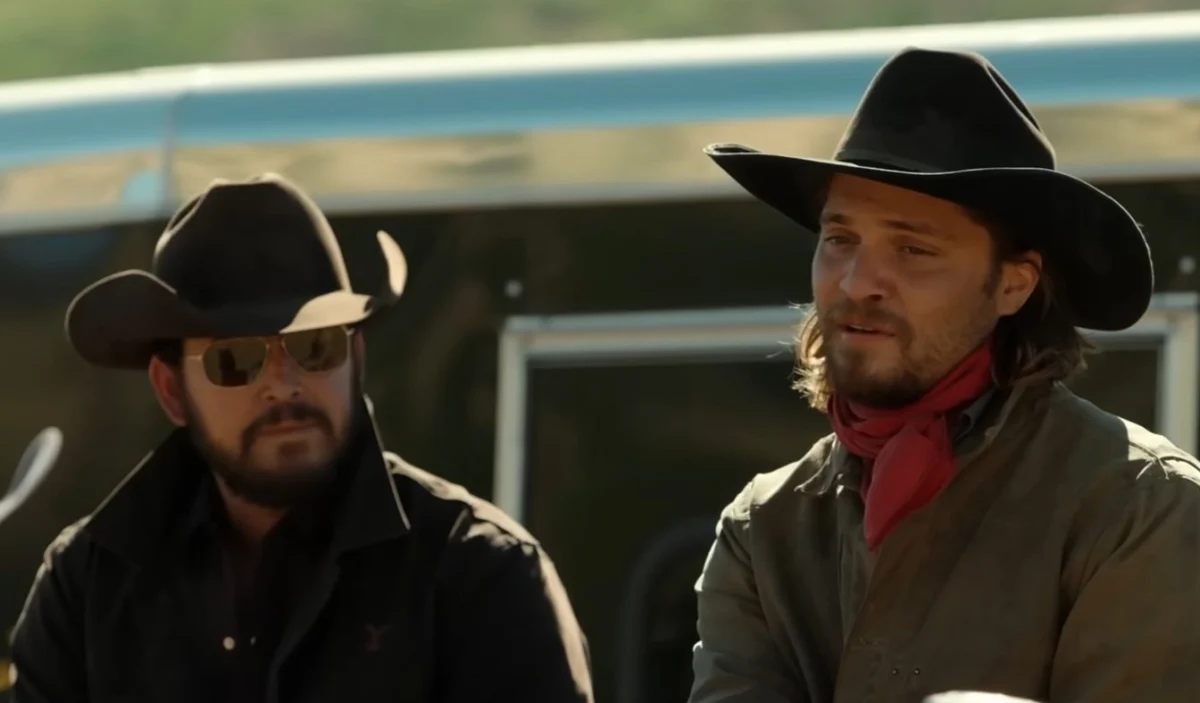
Riley Green’s entry into acting was not a sudden whim but the result of long-standing interest bolstered by professional encouragement. While Green had harbored thoughts of acting for several years, the definitive push came from Luke Grimes, a seasoned actor best known for his role as Kayce Dutton on the hit series Yellowstone. Grimes, who has also ventured into country music, developed a close friendship with Green, providing the necessary bridge between the two industries.
In a candid interview with ExtraTV earlier this year, Green revealed that Grimes was instrumental in his decision to pursue formal roles. Green noted that Grimes encouraged him to explore the craft, suggesting that his natural storytelling ability as a songwriter would translate well to the screen. This peer-to-peer mentorship highlights a growing trend of "creative fluidity" in Nashville, where artists are encouraged to diversify their portfolios to maintain relevance in an increasingly fragmented media landscape.
Professional Debut and the Logistics of Dual Careers
Green’s first significant foray into scripted television occurred with his casting in the first season of the series Marshals. Taking on a substantial story arc, Green was tasked with portraying a character that required more than a mere cameo appearance. His performance was met with positive internal reviews from production staff, though the transition was not without its practical hurdles.
The primary challenge cited by Green involves the grueling logistics of maintaining a national touring schedule while adhering to the rigid call times of a television set. In May 2024, Green addressed these difficulties, noting that the physical and mental toll of "juggling" both worlds was significant. A typical week might involve performing a headlining set in a different state each night, followed by an early morning flight to a filming location. Despite the "headache" of scheduling, Green expressed that the creative fulfillment derived from the set of Marshals justified the exhaustion. This sentiment is echoed by many musician-actors who find that the disciplined environment of a film set provides a refreshing contrast to the more fluid nature of life on the road.
Demonstrating Range through Music Video Narratives
While Marshals provided a platform for dramatic acting, Green has also utilized his own music videos as a testing ground for comedic timing and character work. The release of the music video for his hit single "Think As You Drunk" served as a pivotal moment in his acting evolution. In the video, Green portrays a highly intoxicated version of himself—a performance so convincing that it prompted widespread speculation among fans regarding his actual sobriety during the shoot.
Green later clarified in a social media interaction with influencer Alicia McCarvell that the performance was entirely scripted. "It’s surprising how good I am at pretending to be drunk," Green remarked, confirming that he remained sober throughout the production. This ability to convey physical comedy and nuanced character traits suggests a versatility that extends beyond the "tough guy" archetypes often associated with country singers in film.
The "Think As You Drunk" video also served as a significant cultural touchstone due to its tribute to the late Toby Keith. Green collaborated with Keith’s estate to feature the legend’s likeness, a move that was reportedly met with enthusiasm by Keith’s family. By aligning himself with Keith—who had his own successful acting career in films like Broken Bridges—Green further cements his place in the lineage of country stars who command presence across multiple entertainment platforms.
A History of Country Stars on the Silver Screen
Green’s aspirations place him within a storied tradition of country music icons who successfully navigated the Hollywood system. The precedent for this dual-career path was set decades ago by figures such as Kris Kristofferson, who became a Golden Globe-winning actor in films like A Star Is Born, and Dolly Parton, whose roles in 9 to 5 and Steel Magnolias made her a household name in cinema.
In the 1990s and 2000s, the trend continued with Dwight Yoakam, whose performance in Sling Blade earned critical acclaim, and Reba McEntire, who successfully transitioned from music to a long-running television sitcom. More recently, Tim McGraw has found immense success in films such as The Blind Side and the Yellowstone prequel 1883.
For an artist like Green, these figures provide a blueprint for how to maintain musical integrity while pursuing high-level acting opportunities. The key, according to industry analysts, is the ability to choose roles that resonate with the artist’s existing "brand" while slowly pushing boundaries into new genres.
Analyzing the Script: Drama versus Comedy
As Green looks toward the future, he has confirmed that he is currently reviewing a substantial number of scripts. Unlike some musicians who prefer to stay within a specific niche, Green has expressed an interest in both drama and comedy. He draws a parallel between acting genres and his songwriting process, noting that just as he enjoys writing both heartbreaking ballads and upbeat "anthems," he seeks acting roles that offer a similar emotional range.
"I think it’s like music," Green stated during a press junket. "I like playing songs that make you want to cry, and I like playing songs that make you want to roll the window down and open a beer."
This desire for "a little bit of both" suggests that Green is looking for longevity in the industry. Actors who can pivot between serious procedural dramas and lighthearted comedies often find more consistent work and a broader audience base. Given his 37-year-old demographic, Green is at a prime age for "leading man" roles in Westerns, military dramas, or romantic comedies, all of which overlap heavily with the country music fanbase.
Potential Impact on the Music Career and Fanbase
The primary concern for fans of Riley Green remains the potential impact of an acting career on his musical output. The history of the entertainment industry is replete with examples of artists who transitioned to acting and subsequently slowed their musical production. However, in the modern era of "content-on-demand," many artists find that the two careers can be mutually beneficial.
Acting roles often introduce musicians to a global audience that may not have discovered their music through traditional country radio. For example, Tim McGraw and Faith Hill saw a resurgence in streaming numbers following their appearances in 1883. For Green, a successful television or film role could act as a massive marketing vehicle for his albums and tours.
From a business perspective, diversifying into acting provides a safeguard against the volatility of the music industry. While touring revenue can be impacted by various factors—as seen during the global pandemic—film and television production offers a different revenue stream and a different form of intellectual property.
Conclusion and Future Outlook
Riley Green’s deliberate move into the acting world signifies a new chapter in a career that has already seen significant success in the music industry. By leveraging his friendship with Luke Grimes, proving his dedication on the set of Marshals, and showcasing his range in his own music videos, Green has laid the groundwork for a sustainable presence in Hollywood.
As he continues to read through scripts and weigh his options for the 2025 and 2026 production seasons, the industry will be watching to see if he can maintain the delicate balance required to excel in two demanding fields. If his recent performances are any indication, Green possesses the "acting chops" and the work ethic necessary to follow the path of the legends who came before him. Whether he is portraying a gritty lawman or a comedic version of himself, Green is proving that his storytelling abilities are not limited to the three-minute song format, but are equally effective when captured on film.
For the fans, this evolution offers a more multifaceted view of the artist. While the "Worst Way" singer continues to headline festivals and top the charts, his growing acting resume ensures that he will remain a prominent fixture in the American cultural landscape for years to come, regardless of whether he is holding a guitar or a script.