 Kholidah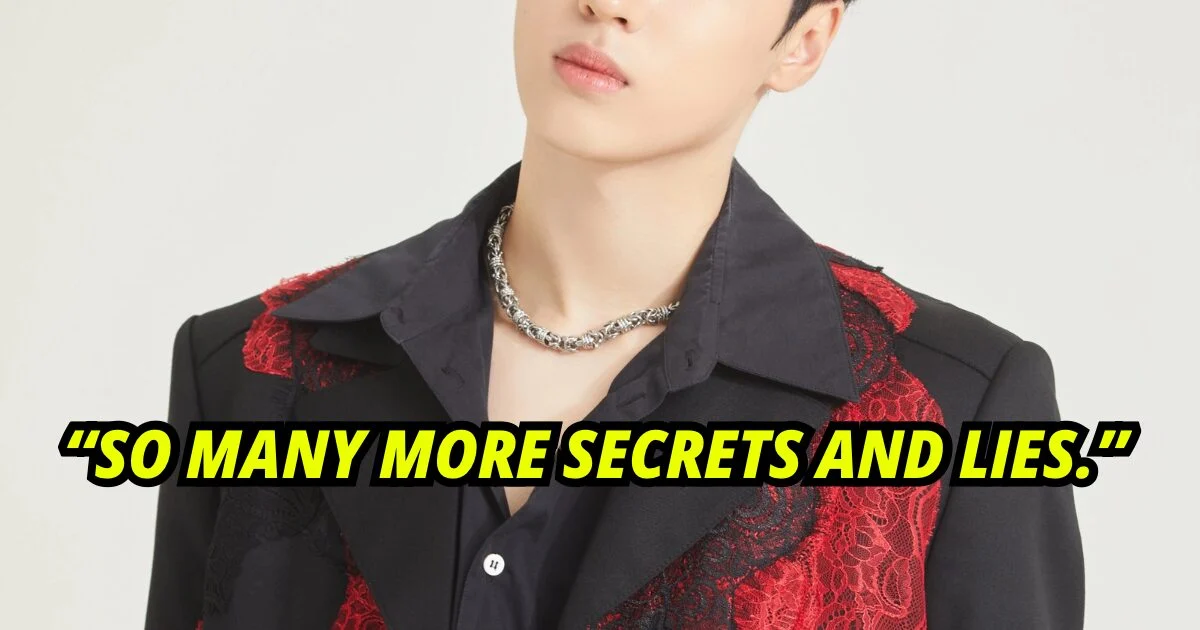
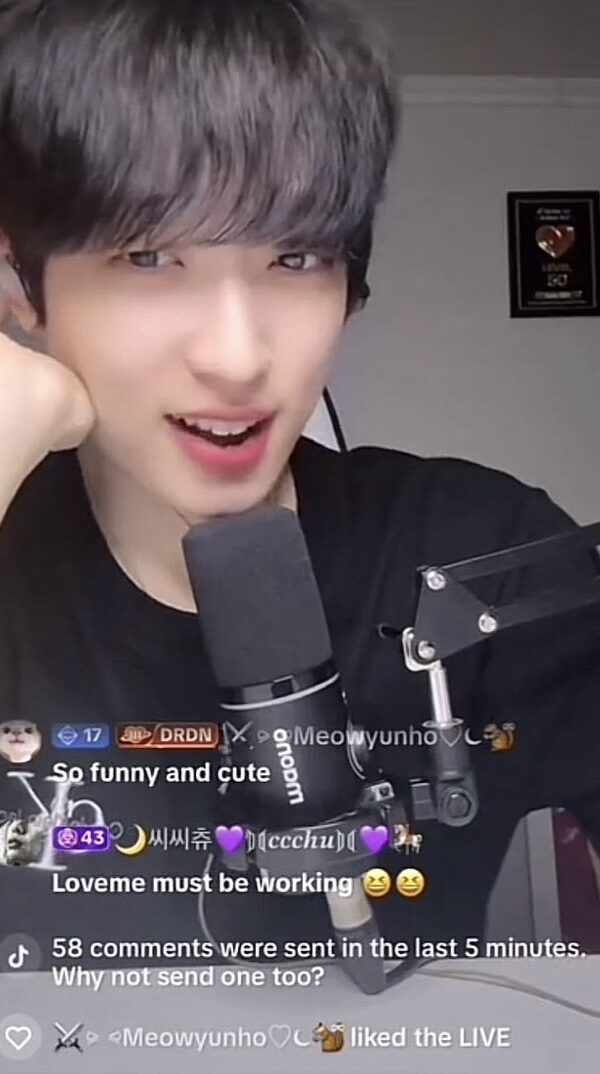
The landscape of the South Korean entertainment industry is undergoing a significant transformation as idols from mid-sized and smaller agencies seek alternative avenues for engagement and revenue during periods of group inactivity. While platforms like TikTok offer a direct line of communication between artists and their global fanbases, they also introduce a complex set of ethical and professional challenges. Recently, Arthur, a prominent member of the K-pop boy group THE KINGDOM, has become the center of a burgeoning controversy involving allegations of favoritism, private correspondence with a high-spending donor, and the subsequent blocking of other fans from his digital broadcasts. This incident has sparked a wider conversation regarding the boundaries of idol-fan relationships and the financial pressures faced by performers in a highly competitive market.
The Evolution of Idol-Fan Interactions in the Digital Era
In the traditional K-pop model, interactions between idols and fans were strictly mediated by management agencies through official fan cafés, organized meet-and-greets, and supervised social media accounts. However, the rise of live-streaming platforms such as TikTok, Weverse, and Instagram Live has dismantled these barriers, allowing for unscripted, real-time engagement. For groups like THE KINGDOM, who are currently navigating a hiatus due to the mandatory military service of several members, these platforms serve as a vital tool for maintaining visibility.
THE KINGDOM, managed by GF Entertainment, debuted in early 2021 with a unique "Seven Kingdoms" concept, where each member represents a historical or mythical king. Despite a dedicated following known as "Kingmakers," the group operates within a tier of the industry where consistent revenue is not always guaranteed, especially during hiatuses. Consequently, individual members have turned to TikTok Live to connect with supporters. Unlike official agency-run content, TikTok allows viewers to send "gifts"—digital icons purchased with real currency that can be converted into cash for the creator. This monetization feature has introduced a transactional element to the idol-fan dynamic that critics argue can lead to problematic power imbalances.
Chronology of the Controversy: From TikTok Lives to Private KakaoTalk
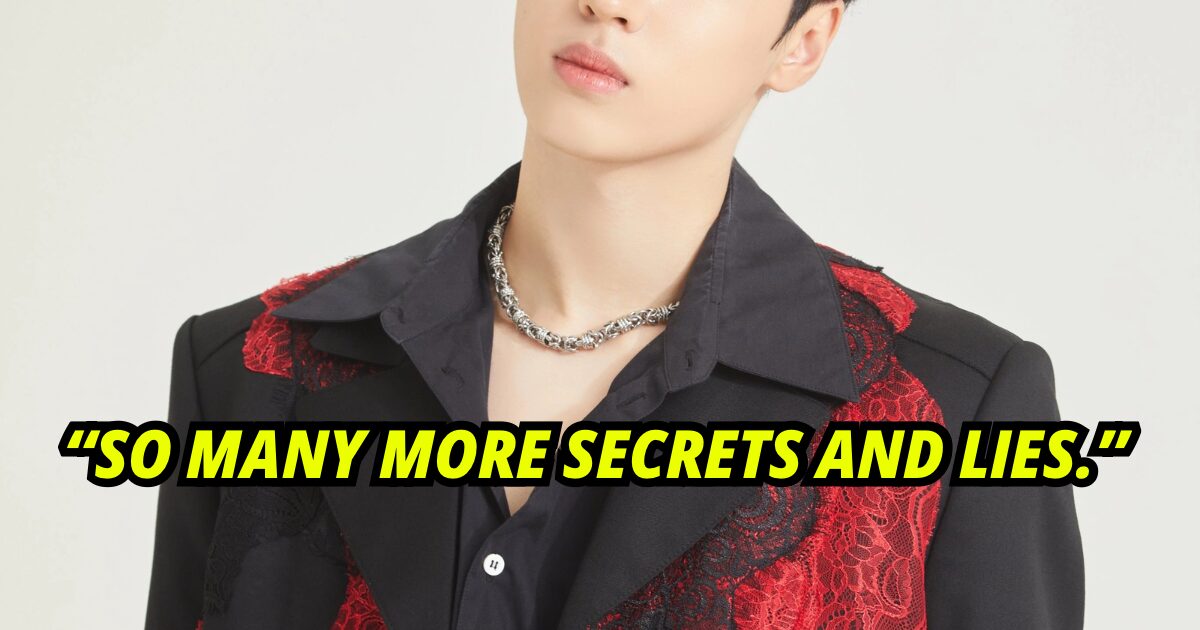
The controversy surrounding Arthur, whose legal name is Jang Yunho, began to surface in early July 2024. As Arthur increased the frequency of his TikTok Live sessions, regular viewers noticed a shift in the atmosphere of the broadcasts. Several long-term fans reported being unexpectedly blocked or restricted from participating in the chat. The catalyst for these restrictions appeared to be the influence of a specific fan, identified in social media circles as "Jamie."
Jamie was recognized by the community as a "whale"—a term used in digital marketing and gaming to describe a user who spends disproportionately large sums of money on a platform. In Arthur’s case, Jamie was reportedly a top donor, frequently sending high-value digital gifts during his streams. The situation escalated when it was alleged that the professional boundary between the idol and the donor had been breached. Reports indicate that Arthur initiated private contact with Jamie, eventually sharing his personal KakaoTalk ID—a move that is strictly prohibited by most K-pop management contracts due to security and professional boundary concerns.
The relationship reportedly soured over the following weeks. In mid-July, Jamie, who is believed to be in her 40s or 50s, began releasing screenshots of private messages allegedly exchanged with Arthur. According to the timeline established by fan archives, the exposure was a retaliatory measure after Arthur allegedly threatened her with legal action following a disagreement. The leaked messages suggested a level of intimacy and financial reliance that shocked the broader K-pop community.
The Allegations of Emotional Manipulation and Favoritism
The leaked correspondence provided a glimpse into a dynamic that many netizens have characterized as emotionally manipulative. The messages allegedly show Arthur expressing a desire to minimize his professional workload while encouraging Jamie to continue her financial support. In some instances, the idol reportedly used emotive language to maintain the donor’s interest, a tactic often referred to in the industry as "fan service" taken to an unprofessional extreme.

The impact of this alleged favoritism was felt most acutely by the "Kingmaker" fandom. Fans who had supported the group since their debut expressed feelings of betrayal, noting that Arthur appeared to prioritize a single wealthy donor over the collective community. The act of blocking other fans—reportedly at the behest of or to avoid the scrutiny of the high-spender—has been cited as a primary point of contention. This behavior contradicts the "inclusive" image that K-pop groups typically strive to maintain, where every fan’s support is theoretically valued equally regardless of their financial contribution.
Furthermore, the leaked messages hinted at Arthur’s dissatisfaction with the traditional idol system, with some interpretations suggesting he was seeking a way to sustain his lifestyle outside of the rigorous demands of GF Entertainment’s schedule. This has led to intense debate online regarding the "burnout" of idols and whether the industry’s financial structures drive performers toward such controversial interactions.
Financial Vulnerability and the "Whale" Phenomenon in K-pop
The Arthur controversy highlights a growing trend of "nugu" (a Korean slang term for "who," referring to lesser-known idols) and mid-tier idols utilizing TikTok as a primary source of income. For many performers, the royalties from music sales and streaming are insufficient to cover living expenses, especially when split between multiple members and the agency. TikTok gifts provide a direct, albeit volatile, stream of revenue.
Data from social media analytics firms suggests that a small percentage of "super-fans" or "whales" account for the majority of revenue on live-streaming platforms. This creates a dangerous incentive for creators to cater exclusively to these individuals. In the context of K-pop, where the "parasocial relationship"—the one-sided emotional bond a fan feels with a celebrity—is a core product, the introduction of direct financial rewards can lead to exploitation on both sides. The idol may feel pressured to maintain a private relationship to ensure continued funding, while the fan may feel a sense of ownership or entitlement over the idol’s personal life.
Community Response and the "Kingmaker" Fandom Reaction
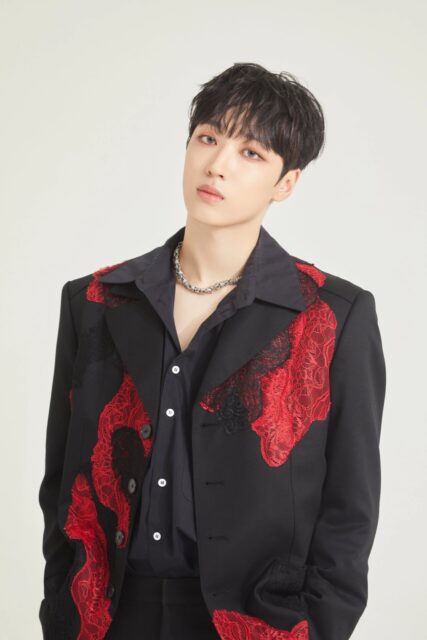
The reaction within the THE KINGDOM’s fandom has been polarized. On social media platforms like X (formerly Twitter), some fans have defended Arthur, suggesting that the leaked messages could be taken out of context or that he was a victim of a predatory fan who used her wealth to manipulate a young artist. These supporters argue that the pressure of military hiatuses and financial instability can lead individuals to make poor judgments.
Conversely, a significant portion of the fandom has called for accountability. Critics point out that Arthur is an experienced performer who should be aware of the risks associated with sharing private contact information. The mention of "sasaengs" (obsessive fans who invade privacy) in community discussions adds another layer of complexity; many wonder why an idol who has historically suffered from privacy violations would willingly open a private channel of communication with a stranger.
International fans have also weighed in, with many expressing surprise at the ease with which the professional boundary was crossed. "This is actually crazy… wdym [what do you mean] Yunho threatened to sue her but also moved to KakaoTalk to talk to her?" one viral post questioned, reflecting a common sentiment of confusion regarding the logic behind the idol’s alleged actions.
Industry Implications: The Risks of Direct Monetization
The incident involving Arthur serves as a cautionary tale for the K-pop industry at large. As more agencies allow their artists to explore individual branding on platforms like TikTok and YouTube, the need for robust guidelines becomes apparent. The lack of oversight on these platforms can lead to:
- Brand Damage: Controversies involving individual members can tarnish the reputation of the entire group, making it difficult to secure brand deals or successful comebacks.
- Legal Liabilities: Private interactions can lead to legal disputes over harassment, defamation, or financial disputes, as seen in the threat of litigation in this case.
- Fandom Fragmentation: Favoritism toward "whales" alienates the broader fanbase, which is essential for long-term group sustainability.
- Security Risks: Sharing personal information like KakaoTalk IDs exposes idols to stalking and digital harassment.
Industry analysts suggest that agencies may need to implement stricter monitoring of live-stream content or move toward agency-controlled platforms where gifting is regulated and anonymous, preventing the development of unhealthy one-on-one financial dependencies.
The Future of THE KINGDOM and GF Entertainment’s Stance
As of the current reporting period, GF Entertainment has not released a comprehensive official statement addressing the specific details of the leaked KakaoTalk messages or the allegations of favoritism. In similar cases within the industry, agencies often conduct internal investigations before deciding whether to issue an apology, suspend the artist, or pursue legal action against the parties responsible for leaking private information.
The future of THE KINGDOM remains uncertain as they navigate this controversy during an already difficult hiatus. For Arthur, the path to reconciling with the fanbase will likely require a transparent explanation and a recommitment to the professional standards expected of a K-pop idol. The incident remains a significant talking point among industry observers, serving as a stark reminder of the complexities inherent in the modern, digitally-driven idol economy.
As the story continues to develop, the focus remains on how the industry will adapt to prevent the recurrence of such boundary-crossing incidents, ensuring that the relationship between idols and their supporters remains based on mutual respect rather than transactional favoritism.