 Jia Lissa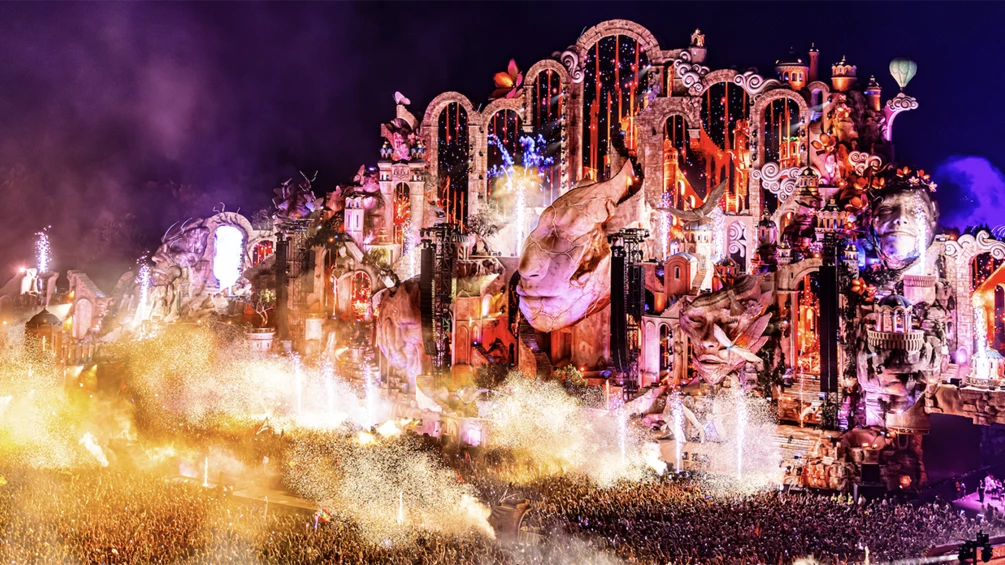
The iconic Tomorrowland festival, renowned globally for its immersive stages, intricate storytelling, and spectacular pyrotechnic displays, is facing significant operational adjustments for its second weekend in 2026. Organizers have confirmed that the festival’s concluding weekend, kicking off on Thursday, July 23rd, will proceed without "large-scale" fireworks, with pyrotechnics restricted to a limited capacity at the Main Stage only. This decision marks a notable shift for an event synonymous with breathtaking aerial shows and fiery stage effects, underscoring the increasing challenges faced by large-scale outdoor gatherings in an era of unpredictable climate patterns.
A Festival Under Scrutiny: The Context of Boom and Tomorrowland
Tomorrowland, established in 2005, has grown exponentially to become one of the world’s most prominent electronic dance music (EDM) festivals. Held annually in the municipality of Boom, Belgium, the festival typically draws an estimated 400,000 attendees over two weekends, representing over 200 nationalities. Its economic impact on the region and the wider Belgian economy is substantial, contributing tens of millions of euros annually through tourism, employment, and local commerce. The festival’s success is not merely attributed to its stellar lineups, which consistently feature the biggest names in electronic music, but also to its unique atmosphere, elaborate stage designs, and the sensory overload provided by its sophisticated light, sound, and pyrotechnic presentations. For many attendees, the grand finale fireworks display is an unforgettable highlight, a capstone to an immersive journey into the "People of Tomorrow."
The festival site, situated within the De Schorre recreational park, a sprawling green area, provides a picturesque backdrop but also presents specific environmental considerations, particularly concerning fire safety during dry periods. The interplay between natural landscapes and intense artificial spectacles has always required meticulous planning and adherence to safety protocols. This year, however, unprecedented weather conditions have forced a re-evaluation of these long-standing traditions.
Escalating Fire Risk: A Chronology of Restrictions
The current restrictions are a direct consequence of a prolonged period of dry weather across Belgium, leading to an elevated fire risk throughout the region. This environmental concern prompted local authorities in Boom to introduce stringent measures, initially impacting the first weekend of Tomorrowland 2026.
- Early July: Belgium experiences an extended dry spell, with higher-than-average temperatures and minimal rainfall, leading to parched vegetation across the Flanders region.
- Mid-July (Pre-Weekend One): The Belgian authorities, including regional fire services and the civil protection agency, elevate the wildfire risk warning to Code Orange – the second-highest alert level. This designation signals a serious risk of wildfires and necessitates preventative action.
- Weekend One (July 16th-19th): Citing the Code Orange wildfire risk, local authorities in Boom issue a ban on all fireworks and stage pyrotechnics for Tomorrowland’s first weekend. This unprecedented move immediately altered the festival experience, removing one of its signature elements. Festival organizers promptly communicated these changes to attendees, emphasizing public safety as the paramount concern. The ban also extended to personal barbecues and cooking equipment at the DreamVille campsite, with supervised communal cooking areas provided as an alternative to mitigate risks.
- Inter-Weekend Period (July 20th-22nd): Authorities and Tomorrowland organizers engage in intensive consultations and daily safety assessments. Despite some potential minor shifts in weather patterns, the overall fire risk across the region remains elevated. The critical concern revolves around the flammability of dry grass and foliage, particularly given the large crowds and electrical infrastructure inherent to a major festival.
- Weekend Two (Commencing July 23rd): Following these comprehensive assessments, the decision is made to maintain significant restrictions for the second weekend. While not a complete ban like Weekend One, the limitations are substantial, signaling a continued cautious approach from authorities.
Navigating Weekend Two: Specifics of Pyrotechnic Limitations
For Tomorrowland’s second weekend, the permitted pyrotechnics will be strictly confined to the Main Stage. This represents a significant scaling back from previous years where pyrotechnics and fireworks were often integrated across multiple stages and throughout the festival grounds.
The types of pyrotechnic effects allowed are specifically categorized as T1 and T2 effects. These are distinctly different from the high-altitude, large-scale fireworks traditionally associated with Tomorrowland’s grand finales.
- T1 Effects: These are pyrotechnic articles presenting a very low hazard and negligible noise level, intended for use in confined areas, including inside residential buildings. Examples include small sparklers or stage fountains that produce limited smoke and heat.
- T2 Effects: These are pyrotechnic articles presenting a low hazard, intended for outdoor use. They require specific knowledge for handling and operation. These can include larger stage fountains, gerbs (controlled directional sparks), or small, ground-based pyrotechnics that produce visual effects without significant aerial projection or widespread debris.
Crucially, both T1 and T2 effects are designed for shorter safety distances and are fully controllable by trained professionals. Tomorrowland organizers have emphasized that these are not the traditional high-altitude fireworks that launch hundreds of meters into the sky, creating widespread light and sound spectacles. Their deployment will be contingent on daily, real-time safety assessments conducted in close consultation with local fire services and civil protection authorities, ensuring that even these limited effects do not pose an undue risk given the prevailing dry conditions.
Furthermore, the ban on personal barbecues and cooking equipment at the DreamVille campsite will remain in effect for the duration of Weekend Two. Supervised communal cooking areas, equipped with appropriate fire safety measures and personnel, will continue to be the only designated zones for food preparation, reinforcing the festival’s commitment to attendee safety and fire prevention.
The Unseen Impact: Festival Experience and Organizer Adaptations
The absence of large-scale fireworks undoubtedly alters a core element of the Tomorrowland experience for many attendees. For years, the festival’s closing moments, often featuring a symphony of music and explosive visual effects, have been immortalized in countless videos and memories. The Main Stage reveal and the nightly finales have become signature moments. While the festival remains a global magnet for EDM enthusiasts, the adjustment highlights a broader trend: festivals are increasingly having to adapt to environmental realities, potentially reshaping visitor expectations.
For Tomorrowland organizers, adapting to such last-minute, significant changes is a monumental logistical challenge. It involves:
- Rapid Communication: Ensuring all attendees are informed clearly and promptly.
- Safety Protocols: Implementing and enforcing new rules, such as the BBQ ban and the modified pyrotechnic plan.
- Creative Adaptation: Potentially exploring alternative visual spectacles or enhancing other elements of the show (e.g., advanced LED displays, laser shows, drone light shows) to compensate for the reduction in traditional pyrotechnics. While this year’s changes are sudden, future planning might incorporate more resilient visual strategies.
- Stakeholder Management: Maintaining open and cooperative relationships with local authorities, emergency services, and pyrotechnic vendors.
The festival’s ability to pivot quickly while maintaining its high standards of safety and production is a testament to its operational robustness.
Official Mandates and Public Safety Imperatives
The decisions to restrict pyrotechnics and ban personal barbecues are not arbitrary but are rooted in public safety mandates issued by Belgian authorities. The Code Orange wildfire risk warning is a serious classification, indicating that conditions are highly conducive to the rapid spread of fires. In such circumstances, the priority shifts from spectacle to safety.
Local municipalities, in conjunction with regional fire departments and meteorological services, are empowered to impose such restrictions to protect lives, property, and natural environments. For an event the size of Tomorrowland, which congregates hundreds of thousands of people in a semi-natural environment, the risk of a single spark igniting a widespread fire is a grave concern. The potential for panic, stampedes, and severe injuries or fatalities in the event of a fire is immense, making these preventative measures not just advisable, but absolutely necessary.
Authorities, including the Boom municipality and the provincial governor, would have meticulously reviewed meteorological data, ground conditions (e.g., moisture content of vegetation), and the potential consequences of allowing high-risk activities. Their firm stance underscores a commitment to public safety that overrides commercial interests or traditional festival expectations.
Beyond the Spectacle: Economic and Environmental Considerations
While the immediate impact is on the visual experience, the broader implications of such restrictions touch upon economic and environmental considerations.
- Economic Impact: While a reduction in pyrotechnics might not directly impact ticket sales for an already sold-out event, persistent restrictions in future years could influence long-term appeal if alternative visual spectacles do not adequately compensate. There’s also the economic ripple effect on specialized pyrotechnic companies and their staff, who might face reduced contracts.
- Environmental Awareness: These incidents serve as stark reminders of the immediate effects of climate change. Prolonged droughts and elevated fire risks are increasingly common phenomena in many parts of the world, directly affecting outdoor events. This forces organizers, attendees, and authorities to confront environmental realities and adapt. It also reinforces the message that festivals, despite their celebratory nature, operate within delicate ecological balances.
The Climate Crisis and the Future of Outdoor Events
The situation at Tomorrowland 2026 is not an isolated incident but a symptom of a larger, global challenge: the climate crisis and its impact on outdoor events. As highlighted in various journalistic reports, including DJ Mag’s own long read on how the climate crisis is threatening the future of music festivals, events worldwide are grappling with increasingly extreme weather conditions.
- Heatwaves and Droughts: Leading to fire bans, water scarcity, and health risks for attendees.
- Intense Rainfall and Flooding: Causing site damage, logistical nightmares, and safety hazards, sometimes leading to cancellations (e.g., some years at festivals like Glastonbury).
- Severe Storms: Disrupting schedules, damaging infrastructure, and posing immediate threats to life.
Festivals are responding by:
- Investing in Resilience: Developing more robust infrastructure, improving drainage systems, and exploring sustainable energy solutions.
- Adapting Programming: Adjusting schedules, stage designs, and even the type of entertainment offered.
- Enhancing Safety Protocols: Implementing more dynamic risk assessments and emergency response plans.
- Promoting Sustainability: Encouraging eco-friendly practices among attendees and within their own operations, from waste management to transportation.
The Tomorrowland scenario serves as a powerful case study for the industry. It demonstrates that even the largest and most well-resourced festivals are not immune to these environmental pressures. The need for flexibility, foresight, and a strong emphasis on sustainability and safety is becoming paramount for the long-term viability of outdoor music events.
Looking Ahead: Resilience and Innovation in Festival Planning
As Tomorrowland 2026’s second weekend unfolds under these new restrictions, the focus remains on delivering an unforgettable experience while prioritizing safety. The lineup, featuring electronic music titans such as ALOK, Indira Paganotto, Miss Monique, Armin van Buuren, Calvin Harris, and Mall Grab, ensures that the musical core of the festival remains vibrant.
However, the experience of 2026 will undoubtedly prompt organizers to consider future adaptations. This could include:
- Advanced Meteorological Integration: Deeper partnerships with weather forecasting agencies for highly localized, real-time climate data.
- Alternative Spectacles: Investing further in drone light shows, advanced laser technology, and other non-combustible visual effects that can deliver a similar "wow" factor without fire risk.
- Site Management Enhancements: Exploring innovative ways to manage vegetation on site to reduce flammability during dry periods.
- Public Education: Continuing to educate attendees about environmental risks and sustainable practices.
The incident at Tomorrowland 2026 is a microcosm of a larger global shift. It underscores the increasing necessity for major outdoor events to build resilience, innovate their offerings, and integrate environmental responsibility into every facet of their planning and execution. While the dazzling "large-scale" fireworks may be absent this year, the spirit of Tomorrowland, driven by music, community, and innovation, will undoubtedly find new ways to shine.