 Muhammad Ibadurrohman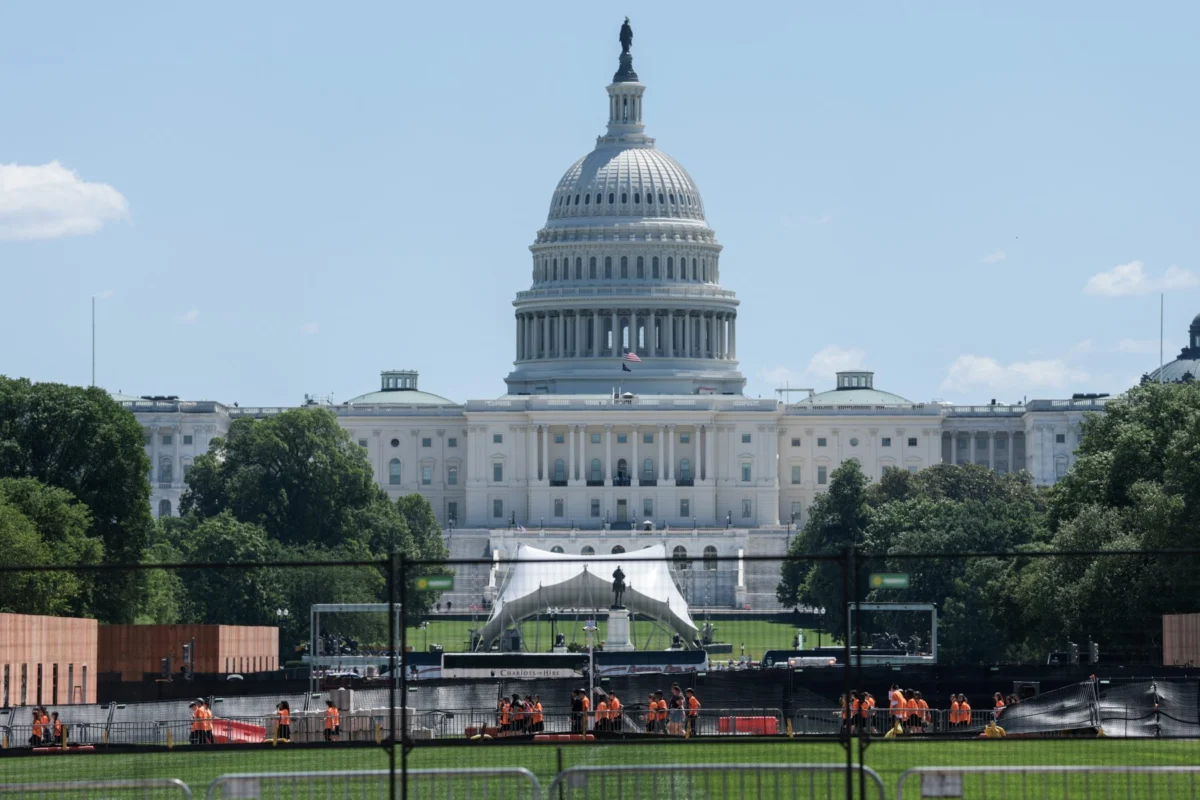
The District of Columbia Council has officially passed one of the most comprehensive ticketing regulation bills in the United States, a move poised to significantly reshape the live entertainment landscape for consumers and industry stakeholders alike. On Tuesday, July 15, the council voted unanimously to give final approval to The RESALE Act, a sweeping piece of legislation championed by Councilmember Charles Allen. This landmark bill introduces a host of consumer protections, ranging from a strict 10% cap on resale prices for concert tickets to stringent licensing requirements for professional ticket resellers, marking a significant step towards greater fairness and transparency in the often-maligned secondary ticketing market. The legislation is a direct response to years of escalating public frustration over predatory pricing, deceptive practices, and the pervasive issue of ticket scalping that has plagued fans attempting to access live events.
The Genesis of the RESALE Act: Addressing a Market in Flux
For decades, the live event ticketing industry has been a hotbed of contention, with fans routinely facing exorbitant prices, hidden fees, and the frustration of tickets selling out in seconds only to reappear on secondary markets at vastly inflated costs. The rise of sophisticated bots and professional scalpers has further exacerbated the problem, often leaving genuine fans feeling exploited and artists concerned about the accessibility of their performances. This growing discontent has spurred a national conversation and, increasingly, legislative action.
The RESALE Act emerged from this environment of widespread consumer dissatisfaction and a concerted effort by various advocacy groups. Councilmember Allen, recognizing the systemic issues, spearheaded the initiative to create a regulatory framework that would protect consumers while fostering a healthier ecosystem for live music and events in the nation’s capital. The bill seeks to address core problems such as price gouging, where tickets are resold at many times their face value, and the lack of transparency that often obscures the true cost of a ticket until the final stages of purchase. The introduction of the RESALE Act signals a clear intent by the District of Columbia to prioritize fan experience and equitable access over unchecked market forces in the secondary ticketing space.
Key Provisions of the RESALE Act: A Comprehensive Approach
The RESALE Act is distinguished by its multi-faceted approach, incorporating several measures that have been proposed or enacted in various forms across the U.S., but combining them into a particularly robust package. Its most notable provisions include:
-
10% Resale Price Cap: A cornerstone of the bill, this provision limits the resale price of concert tickets to no more than 10% above the original face value. This directly targets the practice of extreme price gouging by scalpers, aiming to keep tickets affordable and accessible for average fans. While some jurisdictions have considered face-value caps, the 10% allowance provides a slight buffer for legitimate reasons while still preventing predatory markups. This cap applies specifically to concert tickets, acknowledging the particular vulnerability of this sector to speculative pricing.
-
Ban on Speculative Ticketing and Advertising: The act explicitly prohibits the sale or advertising of "speculative tickets." These are tickets that a reseller does not actually possess at the time of sale, often leading to cancellations, misrepresentation, or failure to deliver. This measure protects buyers from purchasing non-existent tickets and reduces fraud, ensuring that consumers are only buying tickets that are genuinely available.
-
Ticket Price Transparency: To combat hidden fees and opaque pricing structures, the RESALE Act mandates "all-in" pricing. This means that from the very beginning of a sale, buyers must see the full, final price of a ticket, including all fees, taxes, and service charges. This eliminates the frustrating experience of discovering significant additional costs only at checkout, empowering consumers to make informed purchasing decisions. Furthermore, when tickets are resold on the secondary market, the seller will be obligated to provide the original price of the primary ticket for purchasers to view, offering a crucial point of reference for the buyer.

-
Reseller Licensing Requirements: A unique and particularly impactful aspect of the bill is the requirement for any ticket reseller advertising 50 or more tickets in a year to register with the District and obtain a license. This provision is designed to bring a new level of oversight and accountability to the secondary marketplace. By requiring professional resellers to be licensed, the District can better track their activities, enforce regulations, and provide consumers with a clear distinction between a professional vendor and a casual fan selling an unwanted ticket. This licensing framework is expected to enhance consumer confidence and deter illicit operations.
-
Prohibition of Surveillance Pricing: The RESALE Act takes a proactive stance against data exploitation by prohibiting surveillance pricing. This practice involves ticket sellers using consumers’ personal data, browsing history, and purchasing patterns to manipulate or personalize prices, potentially leading to discriminatory pricing. By banning this, the bill ensures a more level playing field for all buyers, protecting individual privacy and promoting fair pricing practices.
A Coalition for Change: Advocacy and Support
The passage of the RESALE Act was not an isolated legislative effort but the culmination of extensive lobbying and advocacy by a powerful coalition of industry stakeholders and consumer advocates. Key among these was the National Independent Venue Association (NIVA) and the Fix the Tix Coalition. The Fix the Tix Coalition, a broad alliance comprising more than 30 live music and event industry organizations, as well as local promoters and venues, played a pivotal role in shaping the legislation and advocating for its passage.
Audrey Fix Schaefer, NIVA’s board president and director of communications for prominent D.C. venues like I.M.P., 9:30 Club, and The Anthem, highlighted the collaborative spirit behind the bill. Speaking to Billboard, Fix Schaefer expressed her optimism that the RESALE Act will "become model legislation throughout the land." Her statement underscores the hope that D.C.’s pioneering efforts could inspire similar, comprehensive reforms in other jurisdictions struggling with similar ticketing issues. The involvement of local venues and promoters like Black Cat, whose Vice President and co-owner Catherine Ferrando also voiced strong support, demonstrates the grassroots demand for these changes from those directly impacted by the current market dynamics. Ferrando noted that Black Cat has always been proud of D.C.’s music scene and is "excited to see DC become one of the first places in the nation where bands can set concert prices with confidence and fans will be free from price gouging."
The sheer scale of the coalition, uniting various facets of the live entertainment industry, reflects the widespread recognition that the existing ticketing system was unsustainable and detrimental to both artists and audiences. Their combined influence provided the necessary impetus for the DC Council to take decisive action.
The Broader National Landscape: A Growing Movement
The District of Columbia’s RESALE Act arrives amidst a growing national movement to address ticketing issues. As of June 2026, twenty states across the U.S. had already introduced similar legislation focusing on aspects of resale and speculative ticketing. However, D.C.’s bill stands out for its comprehensive nature, integrating multiple consumer protections into a single, cohesive framework rather than addressing issues piecemeal. While many states have grappled with specific problems like bot usage or speculative sales, few have combined a strict resale cap, robust transparency requirements, and a professional reseller licensing scheme.
The national context of consumer frustration, amplified by high-profile ticketing fiascos involving major artists, has undoubtedly fueled this legislative momentum. Events that saw millions of fans unable to secure tickets at face value, only to find them readily available on secondary markets at astronomical prices, have galvanized public opinion and put pressure on lawmakers. D.C.’s comprehensive approach offers a potential blueprint for other states and even federal legislators looking to tackle the issue holistically, rather than through piecemeal solutions that might leave loopholes.
Voices from the Capitol and the Stage

Councilmember Charles Allen, the principal author of the RESALE Act, emphasized the broader implications of the legislation. In a statement, he articulated a common sentiment: "People are sick of big tech wringing more and more money out of them. DC is a leader here and I expect many other jurisdictions to step in once they see we can save our residents money and keep more dollars in our local economy instead of propping up big tech." Allen’s statement frames the act not just as consumer protection but as an economic development strategy, aiming to retain more revenue within the local economy rather than seeing it siphoned off by distant ticketing platforms and scalpers.
Audrey Fix Schaefer further elaborated on the District’s commitment, noting the financial investment being made. She highlighted that the city considered the initiative important enough to invest in "a new section of the licensing office to handle the licensing registrations," and notably, "They put it in the budget." This budgetary allocation underscores the seriousness with which the D.C. government is approaching the enforcement and administration of the RESALE Act, moving beyond mere legislative intent to practical implementation.
The Path to Implementation: Legislative Hurdles and Future Impact
Following the unanimous Council approval, the RESALE Act must navigate the remaining steps of the District’s legislative process before it can officially take effect. The first hurdle is the signature of Washington, D.C., Mayor Muriel Bowser. Mayor Bowser has previously indicated her support for the bill, suggesting that her signature is likely.
Once signed by the Mayor, D.C. legislation is subject to a unique review process involving the U.S. Congress. Both chambers of Congress have a 30-day period during which they can review and potentially veto D.C. legislation. While Congressional interference in local D.C. affairs is possible, it is not common for bills that enjoy broad local support and address consumer protection issues. Should Mayor Bowser sign the RESALE Act and Congress refrains from blocking it, the law is slated to go into effect on January 1, 2027. This phased implementation allows for the necessary administrative infrastructure, such as the new licensing section, to be established and for industry stakeholders to adapt to the new regulations.
Potential Implications and Industry Reactions
The RESALE Act’s implementation is expected to have far-reaching implications across the live entertainment ecosystem:
- For Consumers: The most immediate and positive impact will be on fans. The 10% resale cap will drastically reduce instances of extreme price gouging, making popular events more accessible. Transparency measures will eliminate hidden fees, allowing for clearer budgeting. The ban on speculative tickets will reduce fraud and the anxiety associated with uncertain purchases. Overall, consumers can anticipate a fairer and more predictable ticketing experience in D.C.
- For Venues and Artists: The legislation empowers artists and venues to better control their ticket pricing and ensure that tickets reach genuine fans at reasonable costs. This can foster greater fan loyalty and improve the overall concert-going experience, which directly benefits the artistic community. By reducing the incentive for scalping, more of the revenue from ticket sales may stay within the primary market and flow to artists and local venues.
- For Resellers: Professional resellers, particularly those operating with high markups, will face significant changes. The 10% cap will curtail their profit margins, while the licensing requirements will introduce new compliance costs and regulatory oversight. This may lead to a consolidation of the secondary market or a shift in business models for some operators. Casual fans selling a few unwanted tickets are less likely to be impacted by the licensing requirement but will still be subject to the resale cap.
- For the Ticketing Industry: Major primary and secondary ticketing platforms will need to adapt their operations within D.C. to comply with the new rules. This could involve adjusting pricing displays, implementing mechanisms to enforce the resale cap, and verifying reseller licenses. The District’s comprehensive approach could also put pressure on these platforms to advocate for similar national standards or risk a patchwork of regulations across different states, creating operational complexities.
- Broader National Impact: The RESALE Act has the potential to serve as a powerful model for other jurisdictions. If D.C. successfully implements and enforces these regulations, demonstrating tangible benefits for consumers and the local economy, it could accelerate the adoption of similar comprehensive bills across the country. This could eventually lead to a more standardized and fairer ticketing market nationwide, moving away from the "wild west" scenario that has often characterized the secondary market. However, enforcement across state lines for online sales will remain a challenge, underscoring the potential need for federal intervention in the long run.
In conclusion, the District of Columbia’s RESALE Act represents a significant legislative victory for consumer rights and a pivotal moment for the live entertainment industry. By comprehensively addressing issues of price gouging, transparency, and accountability, D.C. is setting a precedent that could profoundly influence ticketing regulation across the nation. As the act moves towards its effective date in 2027, all eyes will be on the nation’s capital to observe how this ambitious legislation reshapes the experience of attending live events.