Muhammad Ibadurrohman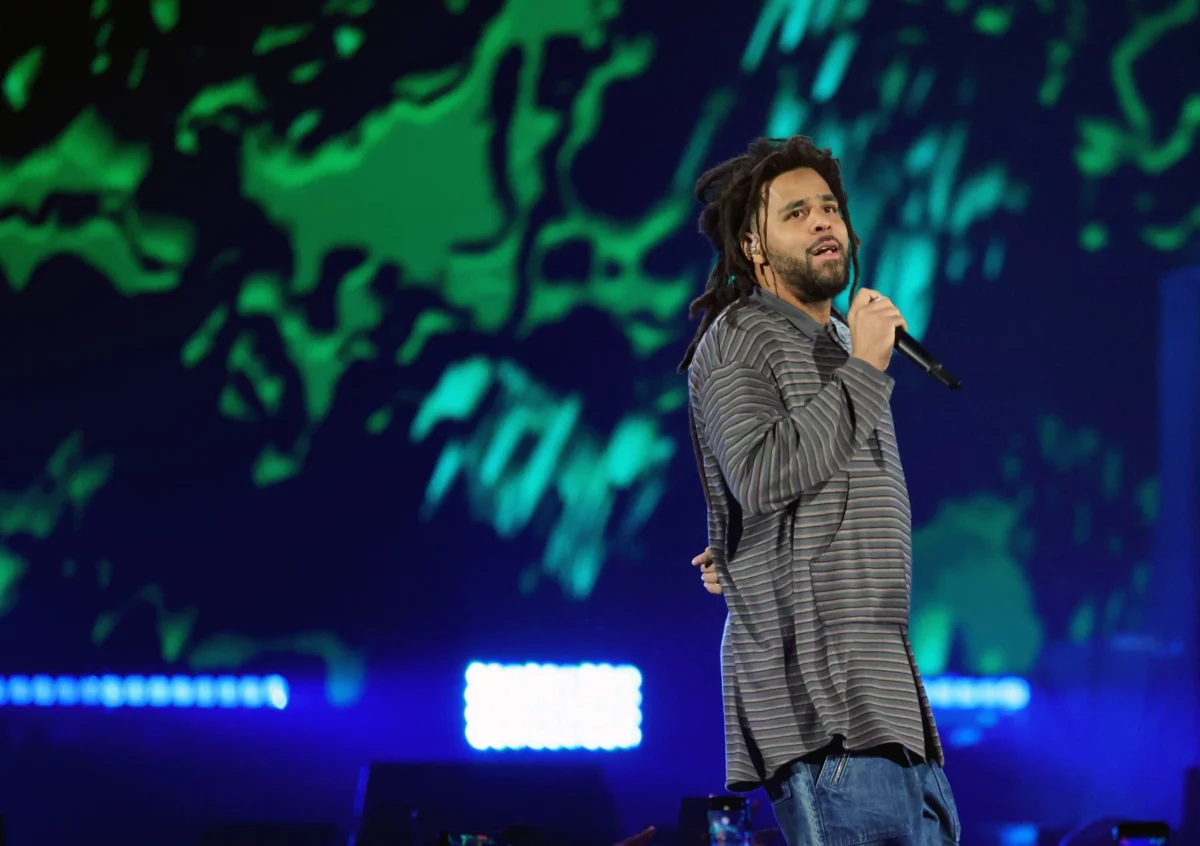
Hip-hop titans J. Cole and Cam’ron have reached an agreement to resolve their contentious legal battle surrounding the 2024 collaborative track "Ready ’24." The dispute, which saw Cam’ron (born Cameron Giles) sue J. Cole (born Jermaine Cole) last fall, centered on allegations of unpaid compensation for a featured verse and a reneged promise for a podcast appearance or a reciprocal musical collaboration. Court filings on Tuesday, May 26, obtained by Billboard, confirmed that both parties had achieved an "agreement in principle" and were in the final stages of "finalizing the settlement papers." The specific terms of this resolution, including any financial remuneration, changes in song credits, or commitments for future collaborations, have not been publicly disclosed. Representatives for both artists declined to comment on the settlement details, maintaining the confidentiality typical of such agreements.
The Genesis of the Grievance: Cam’ron’s Allegations
The legal saga commenced in October 2025 when Cam’ron filed a lawsuit against J. Cole, asserting that the Dreamville founder had failed to uphold specific conditions tied to his contribution to "Ready ’24." According to the complaint, Cam’ron’s participation in the track, recorded in 2022, was contingent upon a series of clear stipulations. These included his final approval of the song before its official release, proper credit as both a co-writer and a featured performer, and, crucially, a reciprocal agreement from J. Cole. This reciprocal agreement allegedly involved Cole either contributing a guest verse on one of Cam’ron’s future singles or making an appearance on Cam’ron’s popular podcast, It Is What It Is.
Cam’ron’s legal team contended that, despite two years having passed since the recording and Cole’s alleged refusal to honor his commitment for a collaboration or podcast appearance, the track was nonetheless released. This release, they argued, constituted a breach of the initial understanding between the artists. The lawsuit painted a picture of a celebrated artist, Cam’ron, whose creative contribution was leveraged without the full realization of the agreed-upon terms, leading to a perceived injustice in the burgeoning landscape of hip-hop collaborations.
J. Cole’s Vigorous Defense: Denials and Counter-Accusations
Months after the initial filing, J. Cole’s legal representatives issued a forceful denial of Cam’ron’s accusations. In their counter-filings, Cole’s attorneys vehemently refuted the existence of any binding promise for a podcast appearance or a future musical feature. While acknowledging that there might have been discussions regarding Cole potentially appearing on Cam’ron’s podcast, they maintained that these discussions never materialized into a concrete or enforceable agreement.
Furthermore, Cole’s defense asserted that Cam’ron had contributed his verse to "Ready ’24" "voluntarily and without condition," expressing enthusiasm for being featured on the track. They argued that Cam’ron had initially encouraged and even "blessed" the use of his performance, recognizing the career benefits of collaborating with an artist of J. Cole’s stature. The defense posited that Cam’ron’s lawsuit was a subsequent attempt to "demand unreasonable conditions never agreed to by Cole, or an excessive fee inconsistent with industry standards for a featured performance." They went further, suggesting that the lawsuit itself was filed "without notice to publicly disparage Cole as leverage" to extract "excessive" fees and conditions that were not part of the original informal agreement. This presented a classic legal clash: a dispute over the enforceability of verbal agreements and the interpretation of industry norms in creative partnerships.

A Chronology of Legal Maneuvers
The timeline of this legal dispute offers insight into the progression of such high-profile cases in the music industry:
- 2022: "Ready ’24" is recorded, featuring Cam’ron’s verse, amidst alleged verbal agreements.
- 2024: J. Cole releases his mixtape Might Delete Later, which includes "Ready ’24." The mixtape debuts at No. 2 on the Billboard 200 and spends eight weeks on the chart, showcasing the track’s significant exposure.
- October 2025: Cam’ron files a lawsuit against J. Cole, alleging breach of contract, non-payment, and failure to honor promises related to the collaboration.
- Early 2026: J. Cole’s attorneys respond to the lawsuit, denying all claims and accusing Cam’ron of attempting to leverage the situation for unreasonable compensation and public disparagement.
- May 26, 2026: Legal documents are filed, confirming that J. Cole and Cam’ron have reached an "agreement in principle" to settle the case, with final papers being prepared.
This sequence highlights the often lengthy and intricate process involved in resolving disputes within the entertainment sector, even when informal agreements are at the heart of the contention.
"Ready ’24": The Contested Collaboration
The track at the center of this legal drama, "Ready ’24," appeared on J. Cole’s 2024 mixtape Might Delete Later. The mixtape itself was a commercial success, debuting strongly on the Billboard 200 and maintaining a presence on the chart for several weeks. This visibility meant that Cam’ron’s featured verse received significant airplay and exposure, a factor that both sides likely weighed in their arguments. For Cam’ron, a veteran artist with a storied career, contributing to a high-profile project by a contemporary giant like J. Cole could be seen as a strategic move to maintain relevance and reach new audiences. However, if the alleged conditions for his participation were not met, the exposure alone might not have been sufficient compensation in his view.
The nature of a "featured verse" in hip-hop has evolved considerably. Historically, features could be handshake deals or simply a way for artists to support each other. In the modern era, with clearer definitions of publishing, master rights, and performance royalties, features often come with explicit contractual agreements detailing upfront payments, backend royalties, and sometimes even cross-promotional commitments. The absence of a formal, written agreement for all the alleged conditions appears to be a key element exacerbating this dispute.
The Evolving Landscape of Artist Agreements and New Media
This case underscores the increasing complexity of artist collaborations in the contemporary music industry, particularly with the rise of new media platforms like podcasts. While traditional music contracts meticulously outline terms for songwriting, recording, and performance, the integration of non-musical commitments, such as podcast appearances, adds a new layer of legal and commercial intricacy.
Podcasts, like Cam’ron’s It Is What It Is, have become powerful platforms for artists to connect directly with fans, promote new projects, and expand their brand beyond music. An appearance by an artist of J. Cole’s caliber on such a podcast would undoubtedly bring significant exposure and prestige to the show, potentially translating into increased listenership, advertising revenue, and overall cultural impact. Therefore, the value of such a commitment is not negligible and could reasonably be considered a form of compensation or a valuable exchange in a collaborative deal.

The dispute highlights the critical importance of clear, comprehensive, and written agreements for all aspects of an artist collaboration. Verbal agreements, while sometimes legally recognized, are notoriously difficult to prove and enforce, often leading to conflicting recollections and interpretations, as evidenced in the Cole-Cam’ron case. Industry best practices increasingly call for detailed contracts that cover not only financial terms and creative credits but also any ancillary commitments, such as promotional appearances, social media mentions, or involvement in other media projects. This ensures that all parties have a shared understanding of their obligations and entitlements, minimizing the potential for future disagreements and costly litigation.
The Weight of Undisclosed Terms and Future Implications
The settlement, while bringing an end to the legal battle, leaves the specific terms undisclosed. This confidentiality is common in high-profile disputes, allowing both parties to move forward without public scrutiny of the precise concessions made. However, the lack of transparency means the public and the industry at large are left to speculate on whether Cam’ron received the financial compensation he sought, if his co-writing credits were adjusted, or if J. Cole committed to a future collaboration or podcast appearance as part of the deal.
Regardless of the specifics, the resolution of this lawsuit carries broader implications for artist collaborations and the music industry. It serves as a potent reminder for artists and their legal teams to:
- Formalize All Agreements: Every element of a collaboration, from financial compensation to promotional commitments and new media appearances, should be clearly documented in a written contract.
- Define "Value": The concept of value in artist deals is expanding beyond just monetary payment and traditional royalties to include promotional opportunities, brand association, and appearances on new media platforms.
- Anticipate Potential Disputes: Legal frameworks should be robust enough to anticipate and mitigate potential disagreements arising from evolving industry practices.
This case, though settled privately, will likely be discussed in industry circles as a cautionary tale and a case study in the complexities of modern music partnerships. While the legal wrangling between J. Cole and Cam’ron is over, the questions it raised about the nature of artistic agreements in an ever-changing media landscape will continue to resonate. The music industry, with its blend of creative passion and commercial enterprise, remains a fertile ground for both groundbreaking collaborations and intricate legal challenges.

![Sijya announces Leather and Brass [Retrofitted] EP, shares Do I Know [Rachika Nayar Edit]: Listen](https://empire-music.net/wp-content/uploads/2026/09/sijya-announces-leather-and-brass-retrofitted-ep-shares-do-i-know-rachika-nayar-edit-listen.webp)