Jia Lissa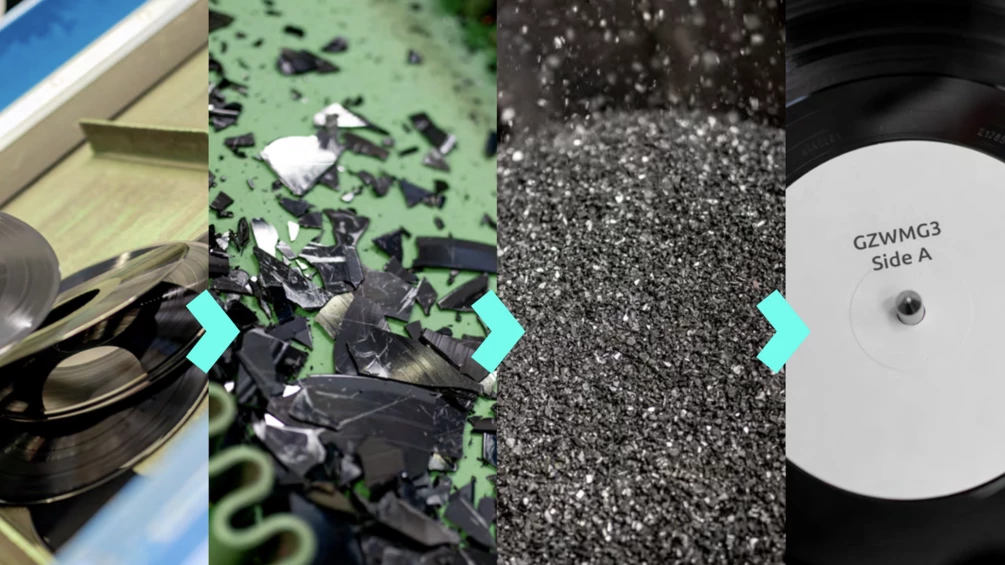
In a landmark initiative poised to reshape the sustainability landscape of the music industry, a comprehensive pilot program has successfully demonstrated the feasibility of recycling unsold vinyl records into new, high-quality pressings without compromising acoustic fidelity. This collaborative effort, spearheaded by Warner Music Group (WMG) and global vinyl manufacturing giant GZ Media, represents a significant stride towards a more circular economy within the burgeoning vinyl market, addressing long-standing environmental concerns associated with record production and waste. The findings, validated through rigorous blind listening sessions at the iconic Abbey Road Studios, indicate a clear path forward for integrating recycled materials into commercial-grade vinyl, coupled with a notable reduction in carbon emissions.
The Genesis of a Green Revolution in Wax
The resurgence of vinyl records over the past two decades has been nothing short of phenomenal. Once considered a relic of a bygone era, LPs have made a powerful comeback, driven by audiophiles, collectors, and a new generation of music enthusiasts drawn to the tactile experience and perceived superior sound quality. This revival, while celebrated, has brought with it an increasing awareness of the environmental footprint associated with vinyl production. Traditional vinyl records are predominantly made from polyvinyl chloride (PVC), a petroleum-derived plastic whose manufacturing process is energy-intensive and whose disposal contributes to landfill waste. Concerns over virgin plastic consumption, energy use, and carbon emissions have spurred a growing demand from artists, labels, and consumers alike for more sustainable alternatives.
Recognizing this critical need, the music industry has been under increasing pressure to innovate. While efforts have been made to explore alternative materials, the challenge of recycling existing vinyl into new, playable records without degrading sound quality has remained a significant hurdle. Previous attempts often faced issues with impurities, inconsistent material properties, and a perceived drop in audio fidelity, leading to a reluctance among manufacturers and labels to adopt widespread recycling practices. It was against this backdrop that Warner Music Group, a major player in the global music landscape, partnered with GZ Media, one of the world’s largest vinyl pressing plants, to tackle this challenge head-on with a structured, scientific approach.
The Pilot Program: Methodology and Collaboration
Launched with the explicit goal of investigating the technical and environmental viability of recycled vinyl, the pilot program embarked on a meticulous process. A substantial volume of 10,000 unsold vinyl records was collected, sourced from a diverse array of pressing plants, record labels, and artists, encompassing various weights and formats. This collection was crucial to ensure the recycled material was representative of the broader market.
The collected records underwent a specialized shredding process at GZ Media’s facilities, transforming them into granular material suitable for reprocessing. This shredded vinyl was then meticulously reworked and blended with virgin PVC to create new vinyl releases. The program experimented with various ratios of recycled material, ranging from 10% to an ambitious 100%, to understand the impact of different concentrations on the final product’s quality and performance.
The scientific rigor of the project was further underscored by the involvement of Abbey Road Studios, a name synonymous with audio excellence and uncompromising quality. At these hallowed studios, a panel of audio and industry professionals participated in comprehensive blind listening sessions. This critical phase involved comparing the sound quality of the newly pressed records, containing varying percentages of recycled material, against records made solely from virgin PVC. The "blind" nature of these tests ensured objective evaluation, free from any preconceptions about the material composition. Experts scrutinized the pressings for a range of audio characteristics, including clarity, dynamic range, frequency response, and the presence of any unwanted noise such such as crackles, clicks, or surface hiss.
Unveiling the Findings: Sound Quality and Environmental Impact
The results of the pilot program offered a compelling validation of the potential for recycled vinyl. According to Warner Music Group’s official press statement, the expert evaluators concluded that "recovered material can be successfully incorporated into new, commercial-grade pressings while maintaining the sound quality and production standard." This core finding addresses the primary concern that has long hampered widespread adoption of recycled vinyl.
A key revelation from the listening sessions was the optimal blend ratio for consistent audio performance. The blend comprising 25% recycled vinyl with 75% new wax was found to yield the most consistent and high-rated audio performance, demonstrating that a significant portion of recycled material can be integrated without perceptible degradation in sound quality for the average listener. While even 10% recycled content showed promise, the 25% blend emerged as a sweet spot, balancing sustainability goals with acoustic integrity.
However, the program also highlighted the challenges associated with higher concentrations of recycled content. Pressings made from 100% recycled vinyl, while environmentally ideal, were consistently rated lowest by the evaluators, with frequent reports of increased crackles, clicks, and background noise. This suggests that while full circularity remains an ultimate goal, current reprocessing technologies for 100% recycled PVC still face hurdles in achieving pristine audio quality. Impurities, uneven material density, and potential degradation during multiple recycling cycles could contribute to these sonic artifacts, indicating areas for future research and development.
Miles Showell, a renowned mastering engineer at Abbey Road Studios, lauded the consistency of the results. "What impressed me was how consistent the pressings were across the different material blends, showing that sustainability and sound quality do not have to be at odds," Showell remarked in a press statement. His endorsement from such an esteemed institution lends significant credibility to the program’s findings and underscores the technical achievement.
Beyond sound quality, the pilot program meticulously analyzed the environmental impact of the entire recycling process. This included assessing the carbon footprint associated with sourcing, shipping, shredding, and processing the unsold vinyl, and then comparing this new model against the current business-as-usual production methods. The comprehensive report concluded that the recycling model resulted in a significant reduction of more than 10% in carbon emissions. This reduction stems from several factors, including the decreased reliance on virgin PVC production, which is energy-intensive, and the diversion of waste from landfills. The environmental benefits extend beyond CO2 equivalent emissions, encompassing reduced raw material extraction and potentially lower energy consumption throughout the supply chain.
Broader Industry Context and Timeline of Sustainability Efforts
The Warner Music Group and GZ Media pilot program is not an isolated effort but rather a significant acceleration of a growing movement within the music industry towards greater environmental responsibility. The push for sustainable practices in vinyl production has been gaining momentum, driven by increased public awareness of climate change and corporate sustainability goals.
- 2020s – The Green Awakening: As vinyl sales continued their upward trajectory in the early 2020s, so too did the scrutiny of its environmental impact. Artists like Billie Eilish, Coldplay, and Massive Attack began advocating for more eco-friendly packaging and production methods, putting pressure on labels and manufacturers.
- 2024 – Benchmarking Carbon Footprints: A pivotal study conducted in 2024 by the Vinyl Record Manufacturer’s Association (VRMA) and the Vinyl Alliance provided crucial baseline data. This report estimated that the production of a standard, black, 140g vinyl record generates just over 1kg of CO2 equivalent (CO2e), a figure often contextualized as being slightly less than the carbon footprint of producing a pint of cow’s milk. This benchmark provided a tangible metric against which future sustainability initiatives, like the WMG/GZ Media pilot, could measure their impact. The pilot’s achievement of a "more than 10% reduction" directly translates to mitigating this 1kg CO2e footprint, a substantial step for every record produced.
- March 2025 – Expanding Recycling Infrastructure: In a complementary development, Key Production Group, a prominent manufacturing and distribution company, launched its own vinyl and CD recycling service in March 2025. This initiative aimed to collect unplayable vinyl and CDs from UK independent record shops for reuse in new releases. While distinct from the WMG/GZ Media project, Key Production’s scheme highlights the growing recognition across the industry of the need for robust, accessible recycling infrastructure for end-of-life or unsellable products. These parallel efforts underscore a collective commitment to circularity, moving beyond mere production efficiency to encompass the entire product lifecycle.
These events illustrate a clear chronological progression towards a more sustainable vinyl industry, with the WMG/GZ Media pilot program representing a significant leap in proving the technical viability of high-quality recycled content at scale.
Implications and Future Outlook
The success of this pilot program carries profound implications for the global music industry, extending from manufacturing processes to consumer choices and environmental policy.
For Manufacturers and Labels: The findings provide a robust business case for investing in recycling infrastructure and adopting recycled materials. Manufacturers like GZ Media can now confidently offer labels a sustainable option that doesn’t compromise on audio quality, particularly with the 25% blend. For major labels like Warner Music Group, this offers a tangible way to meet corporate social responsibility (CSR) targets and respond to increasing consumer demand for eco-friendly products. It could lead to the establishment of industry-wide standards for recycled content in vinyl, much like those seen in other product categories. The ability to utilize unsold inventory also presents an economic advantage, transforming waste into a valuable resource and potentially reducing raw material costs in the long term.
For Artists and Consumers: Artists who are environmentally conscious now have a viable option to press their music on more sustainable formats, aligning their artistic values with their production choices. This can resonate strongly with fans who are increasingly seeking out brands and products with ethical credentials. Consumers can anticipate seeing "eco-friendly" or "recycled content" labels on vinyl releases, empowering them to make informed purchasing decisions that support a greener industry. This transparency could become a significant differentiator in a competitive market.
Environmental Impact and Circular Economy: The "more than 10% reduction in carbon emissions" per record is a substantial win. Scaled across the millions of vinyl records produced globally each year, this could translate into significant reductions in the music industry’s overall carbon footprint. Furthermore, by diverting unsold records from landfills, the program actively contributes to the principles of a circular economy, where resources are kept in use for as long as possible, extracting maximum value from them, and then recovering and regenerating products and materials at the end of each service life. The challenge now lies in expanding collection and reprocessing capabilities to handle the vast quantities of vinyl circulating worldwide.
Technological Advancements and Remaining Challenges: While the 25% blend proved highly successful, the issues with 100% recycled vinyl highlight areas for continued research and development. Innovating reprocessing techniques to minimize impurities and material degradation will be crucial for achieving full circularity without compromising the premium audio experience that vinyl enthusiasts cherish. Further investment in material science and advanced sorting technologies could unlock the potential for even higher percentages of recycled content with unblemished sound.
Potential for Industry-Wide Adoption: The involvement of a major label and a leading manufacturer, coupled with the rigorous testing at Abbey Road Studios, lends immense credibility to these findings. This strong validation is likely to encourage other labels, independent artists, and pressing plants to explore and adopt similar sustainable practices. Collaborative initiatives, knowledge sharing, and potentially even open-sourcing some of the successful methodologies could accelerate the industry’s transition towards widespread use of recycled vinyl.
In conclusion, the Warner Music Group and GZ Media pilot program marks a pivotal moment for the vinyl industry. It has definitively proven that sustainability and sound quality can indeed coexist, laying a robust foundation for a future where the timeless appeal of vinyl records can be enjoyed with a significantly reduced environmental impact. As the industry continues its journey towards a more sustainable future, this initiative stands as a testament to the power of collaboration and innovation in addressing critical environmental challenges.


![Watch Carl Cox spotlight his favourite disco records ahead of Louie Vega b2b set at [UNVRS] Ibiza](https://empire-music.net/wp-content/uploads/2026/09/watch-carl-cox-spotlight-his-favourite-disco-records-ahead-of-louie-vega-b2b-set-at-unvrs-ibiza.webp)