Nana Wu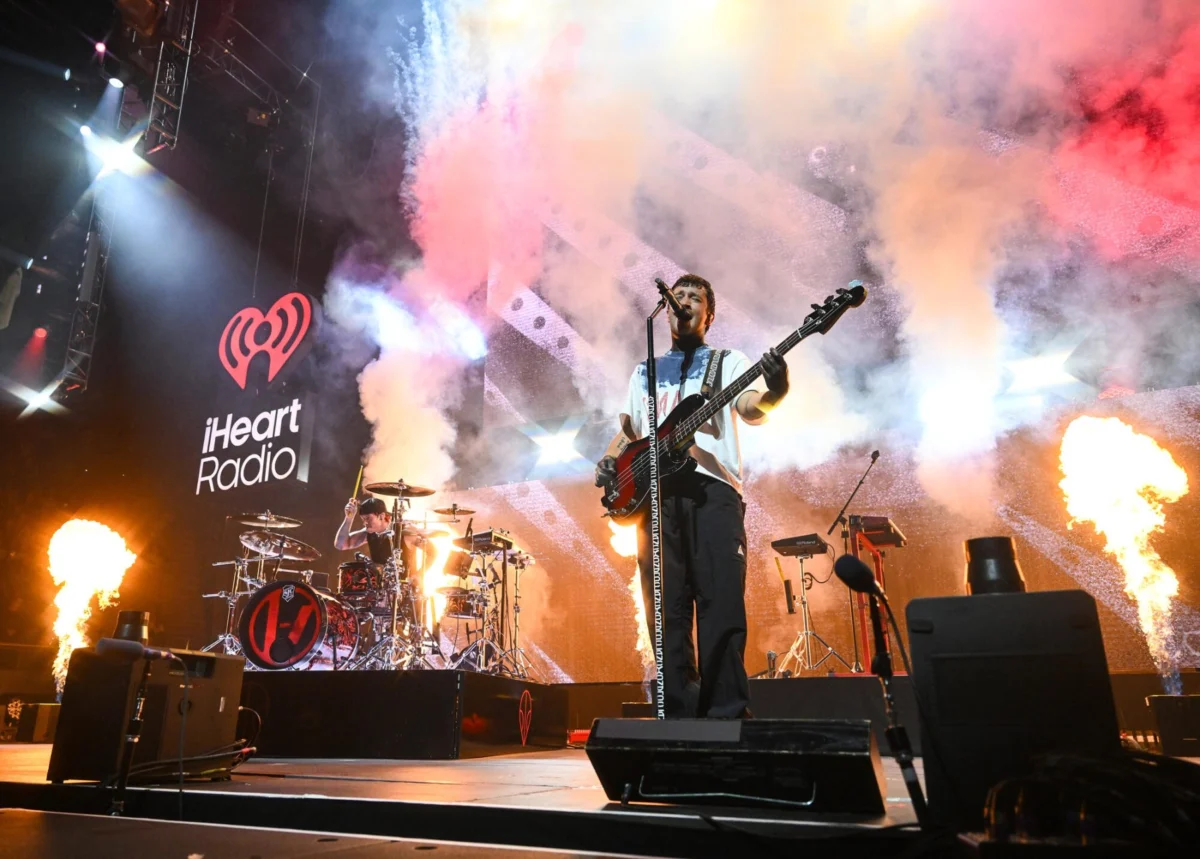
The 2026 edition of Riot Fest, scheduled for September 18-20 at Chicago’s Douglass Park, promises an eclectic and ambitious musical journey, confirming its reputation as a premier destination for diverse music enthusiasts. Headlining the three-day festival are progressive metal titans Tool, alternative rock sensation Twenty One Pilots, post-hardcore stalwarts Pierce the Veil, and celebrated alt-rock icon Alanis Morissette. This star-studded roster anchors a lineup that boldly spans punk, pop, hip-hop, and new wave, complemented by a host of legendary acts, significant reunions, and intriguing debuts designed to captivate a broad audience.
A Legacy of Eclectic Curation: The Riot Fest Story
Riot Fest, conceived in 2005 by Michael Petryshyn and Sean McKeough, began as a multi-venue festival across various Chicago clubs, primarily showcasing punk and hardcore bands. Its initial vision was to create a festival that embraced a wider spectrum of alternative music, differentiating itself from more mainstream offerings. Over the years, it steadily grew in scope and ambition, transitioning to a single outdoor venue format in 2012, first at Humboldt Park and later, beginning in 2015, at Douglass Park. This move allowed the festival to incorporate its signature carnival attractions, including Ferris wheels, carousels, and an array of sideshow performers, solidifying its unique identity as a blend of music festival and punk rock carnival.
The festival’s evolution has been marked by its consistent ability to attract a diverse array of artists, often bringing beloved bands back for rare performances or full-album plays, a distinctive feature that has garnered a loyal fanbase. Riot Fest has navigated various challenges, including community concerns regarding park usage and noise, by engaging with local stakeholders and implementing mitigation strategies. Despite these complexities, its annual return to Chicago has become a cultural touchstone, drawing tens of thousands of attendees each year and generating significant economic activity for the city. Its commitment to showcasing both established legends and emerging talent, while maintaining its quirky, irreverent spirit, has cemented its place as one of North America’s most anticipated music events. The 2026 lineup continues this tradition, pushing boundaries and celebrating the rich tapestry of alternative music.
Headlining Acts: A Blend of Power, Pop, and Poignancy
The selection of headliners for Riot Fest 2026 reflects a strategic decision to appeal to multiple generations and musical tastes. Tool, renowned for their complex song structures, progressive instrumentation, and enigmatic stage presence, mark a rare and significant festival appearance. Their inclusion underscores Riot Fest’s ability to attract acts typically found on larger, more genre-specific bills, bringing a heavy, cerebral edge to the lineup. Fans of their intricate soundscapes and visual artistry will undoubtedly view this as a major draw, adding a dimension of progressive metal that broadens the festival’s sonic palette considerably. This marks a notable expansion of the festival’s traditional genre boundaries, drawing in a demographic often associated with more dedicated rock and metal festivals.
Twenty One Pilots, a duo celebrated for their genre-bending blend of alternative rock, pop, hip-hop, and electronic elements, represent the festival’s contemporary appeal. Their energetic live shows and highly engaged global fanbase ensure a powerful draw for younger attendees and those seeking modern chart-topping sounds. Their presence highlights Riot Fest’s capacity to integrate mainstream alternative success with its punk rock roots, demonstrating a forward-looking approach to curation that embraces popular and evolving musical trends. Their consistent ability to fill arenas worldwide speaks to their massive draw, making them a crucial anchor for the festival’s broader appeal.
Pierce the Veil, a cornerstone of the post-hardcore and emo scene, brings a fervent and dedicated following. Their melodic yet aggressive style and emotionally charged performances resonate deeply with a demographic that has long been central to Riot Fest’s core audience. Their inclusion reinforces the festival’s commitment to the enduring power of punk and its adjacent subgenres, providing a vital connection to the festival’s foundational identity and ensuring a high-energy performance that will galvanize their passionate fanbase.
Finally, Alanis Morissette, an icon of 90s alternative rock, offers a powerful dose of nostalgia and enduring artistic relevance. Her raw, confessional songwriting and powerful vocal delivery have cemented her status as a generational voice, particularly following the monumental success of her album Jagged Little Pill. Her performance is expected to attract a significant cross-section of fans, celebrating a pivotal era in music history while showcasing an artist whose work continues to resonate with themes of introspection, empowerment, and vulnerability. These four headliners collectively embody the festival’s commitment to delivering a multifaceted and memorable experience, catering to both legacy fans and new audiences.
A Genre-Spanning Extravaganza: Beyond the Top Billing
The depth of the 2026 lineup extends far beyond the headliners, presenting a veritable "grab bag" of musical styles that underscores Riot Fest’s unique curatorial vision. Punk rock purists will find solace in the return of veterans like Rise Against, Social Distortion, Alkaline Trio, and Bad Religion, whose enduring legacies continue to energize crowds. These bands represent the foundational ethos of the festival, promising high-energy performances and anthemic singalongs that define the punk rock experience. Their consistent presence at Riot Fest over the years has cemented them as staples, drawing loyal fans who appreciate their unwavering commitment to the genre.
The inclusion of hip-hop legend Nas is a testament to the festival’s broad appeal, bringing a critical and influential voice from the world of rap to a predominantly rock-oriented audience. Known for his intricate lyricism and storytelling prowess, Nas’s presence continues Riot Fest’s tradition of embracing hip-hop artists who share a similar rebellious spirit and lyrical depth, adding a crucial layer of urban music culture to the proceedings. His booking reflects a conscious effort to diversify the musical offerings and appeal to a wider demographic interested in the intersections of various alternative genres. Meanwhile, pop-punk stalwarts like The All-American Rejects ensure a vibrant, accessible dimension to the rock offerings, appealing to those who appreciate catchy melodies and relatable lyrics, bridging the gap between classic punk and more mainstream alternative sounds.

The new wave and classic alternative contingent is particularly strong, featuring an impressive roster of influential acts. Morrissey, the enigmatic frontman of The Smiths, is slated to perform, alongside the godfather of punk, Iggy Pop, whose ferocious stage presence remains legendary even in his later years. Elvis Costello & The Imposters bring their sophisticated blend of rock, pop, and new wave, while Pixies deliver their iconic, influential indie rock sound that has inspired countless bands. Patti Smith and her Band promise a poetic and powerful experience, reaffirming her status as a punk rock visionary and literary force. These artists, many of whom are returning to Riot Fest, solidify the festival’s commitment to showcasing the architects of alternative music, providing a historical narrative to the contemporary sounds on display.
Further enriching the lineup are beloved acts such as The Format, Taking Back Sunday, The Descendants, Pennywise, Bright Eyes, Mom Jeans, Santigold, Gogol Bordello, Pup, Motion City Soundtrack, The Beths, Bayside, Thrice, 3OH!3, Cartel, Less Than Jake, Bowling For Soup, Gwar, and The Suicide Machines. Each of these acts contributes distinct flavors ranging from emo and punk to indie pop and gypsy punk, ensuring that every attendee can find something to resonate with. The festival’s ability to seamlessly weave together such disparate genres speaks to its carefully cultivated identity and its audience’s open-mindedness, creating a truly communal experience for music lovers across various subcultures.
Historic Reunions and Contentious Encounters
One of the most highly anticipated elements of Riot Fest 2026 is the reunion of Sugar, the acclaimed alternative rock band led by Bob Mould, following a hiatus of nearly 30 years. Formed in the early 1990s after Mould’s groundbreaking work with Hüsker Dü, Sugar released critically lauded albums like Copper Blue and File Under: Easy Listening, becoming a significant voice in the post-grunge era with their blend of melodic hooks and powerful guitar-driven rock. Their return to the stage at Riot Fest represents a rare opportunity for fans to witness a pivotal band from alternative rock history, reigniting interest in their influential catalog and potentially introducing their music to a new generation. This reunion is a testament to Riot Fest’s reputation for orchestrating significant musical events that often transcend mere performances.
Adding a dramatic layer of punk rock history, Riot Fest will uniquely feature both The Sex Pistols—with Frank Carter (Gallows) on vocals—and Public Image Ltd. (PiL), led by former Sex Pistols frontman John Lydon. This scheduling creates a palpable tension, given Lydon’s well-documented disdain for his former band’s decision to continue performing without him. Lydon has not performed with The Sex Pistols since 2008 and has been vocal in his criticism, famously dismissing their live shows with Carter as "karaoke" and "almost malicious in its intent." The prospect of these two entities, inextricably linked by punk rock’s foundational narrative yet deeply divided by personal and artistic differences, performing at the same festival is a bold programming move. It offers attendees a unique, perhaps even confrontational, historical juxtaposition, underscoring the enduring power and complexities of punk rock’s legacy. This dual booking is likely to be one of the most talked-about aspects of the festival, providing both a musical experience and a cultural commentary on band dynamics and artistic ownership, fueling discussions among fans and critics alike.
Exciting Debuts and Familiar Favorites
Riot Fest 2026 will also serve as a platform for several notable debuts, further diversifying its appeal. As mentioned, Tool, Twenty One Pilots, and Alanis Morissette will be making their inaugural appearances at the festival, bringing their considerable star power to the Douglass Park stage for the first time. Their presence is a significant draw, broadening the festival’s demographic reach and offering fresh headlining experiences for long-time attendees.
Beyond these headliners, the lineup features the highly anticipated first live Chicago performance by Violet Grohl, daughter of Foo Fighters frontman Dave Grohl. Violet, who recently released her debut studio album, Be Sweet to Me, on Friday, May 29 (presumably in the preceding year, 2025, or earlier in 2026, relative to the announcement), is poised to make a significant impact. Her performance will introduce her burgeoning solo career to a large audience, drawing interest from fans of her father’s legendary work and those curious about the next generation of rock talent. This debut highlights Riot Fest’s role in nurturing new artists and providing a launchpad for emerging voices, demonstrating a commitment to the future of music.
Another intriguing debut is the super buzzy mysterious polka dot-wearing math rock duo Angine de Poitrine. While details about this act remain intentionally scarce, their inclusion signals Riot Fest’s continued commitment to showcasing avant-garde and unconventional artists, adding an element of discovery and intrigue for adventurous attendees. Their unique aesthetic and genre classification suggest a performance that will challenge expectations and provide a fresh, experimental sound, aligning with Riot Fest’s tradition of booking eclectic and unexpected acts.
Alongside these newcomers, several beloved acts are punching their return tickets to the fest, including Patti Smith, Iggy Pop, The Pixies, and Elvis Costello & The Imposters, reinforcing their strong ties to the Riot Fest community and their continued relevance. The costumed horror rockers Gwar are also making their customary annual stop, a tradition that has become a fan favorite, known for their outrageous stage antics, elaborate visual spectacle, and signature "splatter" performances. Their consistent presence underscores the festival’s embrace of the theatrical and the bizarre, cementing their status as an integral part of the Riot Fest experience.
Economic and Cultural Resonance in Chicago
Riot Fest’s annual presence in Chicago has a substantial economic and cultural impact. The festival typically draws an average of 40,000 to 50,000 attendees per day, with a significant portion traveling from outside the Chicago metropolitan area, including international visitors. This influx of visitors translates into millions of dollars in economic activity, boosting local businesses ranging from hotels and restaurants to transportation services and retail. For example, similar large-scale music festivals in major urban centers can generate upwards of $50-100 million in local economic impact annually, through direct spending by attendees and festival operations. Local job creation, both temporary and permanent, in event management, security, hospitality, and logistics, further contributes to the city’s economy. The festival’s operations also engage numerous local vendors and suppliers, creating a ripple effect throughout the community.
Culturally, Riot Fest reinforces Chicago’s reputation as a vibrant music city with a diverse and thriving arts scene. It provides a platform for both global superstars and local talent, fostering a sense of community among music lovers and cementing Chicago’s place on the international festival map. The festival’s unique blend of music, carnival attractions, and counter-culture ethos adds a distinct flavor to Chicago’s cultural calendar, attracting media attention and solidifying its position as a major player in the global festival circuit. While the use of Douglass Park has historically prompted discussions with local residents regarding noise, traffic, and access, festival organizers