Nana Wu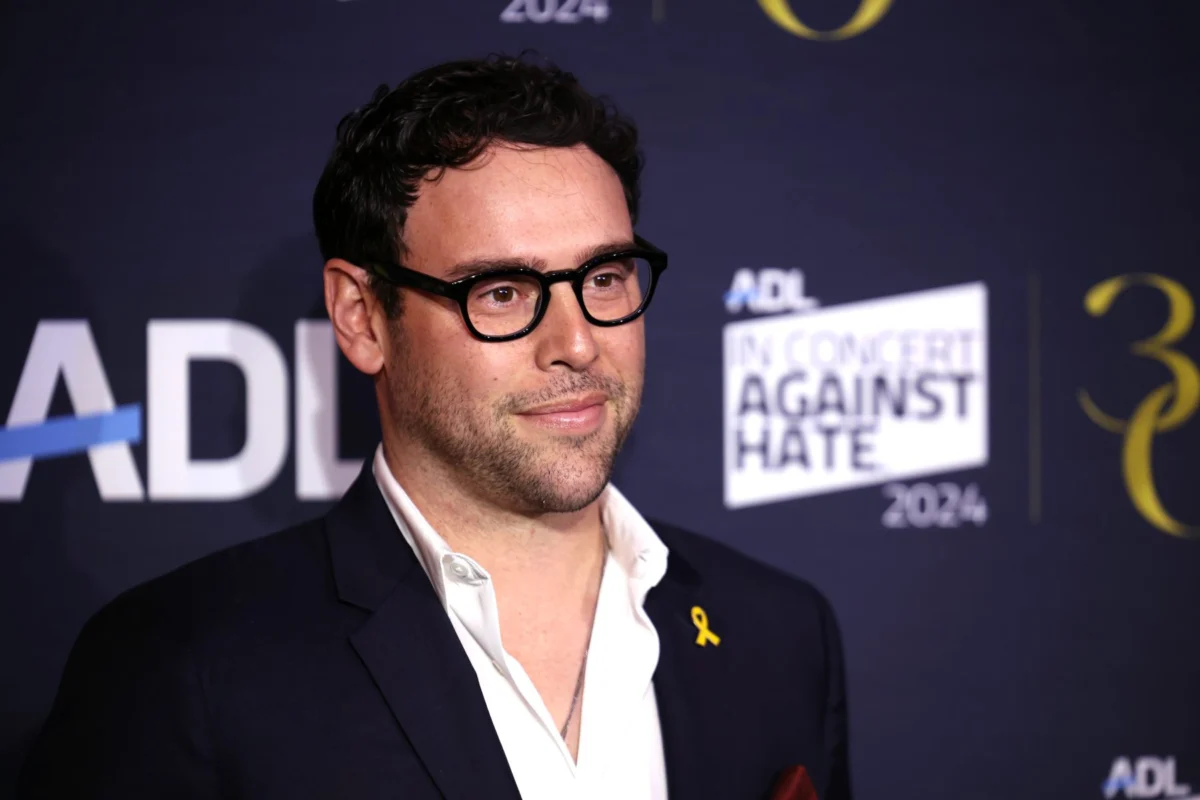
Music impresario Scooter Braun has offered a fresh perspective on his highly publicized conflict with pop superstar Taylor Swift, asserting in a recent podcast interview that his personal interactions with Swift were minimal, despite the controversy that led to him being cast as "a villain." Speaking on the Second Thought With Suzy Weiss podcast, Braun claimed to have met Swift only three times in his life and never engaged in a "substantial conversation" with her, a revelation that seeks to reframe a narrative that has profoundly impacted the music industry and artist rights discussions for half a decade. This statement comes years after the 2019 acquisition of Swift’s master recordings ignited a firestorm, culminating in Swift’s unprecedented re-recording initiative that has reshaped artist-label dynamics.
The core of Braun’s recent remarks on the Second Thought With Suzy Weiss podcast revolves around a fundamental disconnect he perceives regarding the depth of his relationship with Swift. He stated, "I don’t know Taylor Swift. I think I’ve met her in my life three times. I have never had a substantial conversation with her in my life." This assertion directly challenges the public perception cultivated during the height of the feud, where the conflict was often portrayed as a deeply personal clash between two major figures in the music world. Braun further elaborated on a single, brief positive encounter: "I, one time, got invited to a private party by her. She told me she had the utmost respect for me. I told her I had the utmost respect for her." He expressed his enduring confusion about the intensity of the situation, adding, "I will never truly understand that situation, to this day. I wish her nothing but the best."
Background to the Industry-Shaking Dispute
To fully comprehend the significance of Braun’s recent statements, it is crucial to revisit the intricate history of the dispute, which began in earnest in June 2019. Scooter Braun, a prominent figure in artist management and music entrepreneurship, whose roster included global superstars like Justin Bieber, Ariana Grande, and Demi Lovato, saw his company, Ithaca Holdings, acquire Big Machine Label Group (BMLG) from its founder, Scott Borchetta. This acquisition, reportedly valued at over $300 million, included the master recordings of Taylor Swift’s first six studio albums: Taylor Swift, Fearless, Speak Now, Red, 1989, and Reputation.
Master recordings are the original audio recordings from which all copies are made, holding immense value as they generate royalties from sales, streaming, and licensing for film, television, and advertising. For many artists, particularly those who sign early in their careers, the record label often owns these masters in perpetuity or for extended periods. This was the case for Swift, who signed with Big Machine Records as a teenager. Over the years, as Swift ascended to global superstardom, the value of these masters grew exponentially, representing not just a financial asset but also the foundational artistic legacy of her career.
Swift had publicly expressed her desire to own her masters, a common aspiration among established artists seeking full creative and financial control over their work. She had stated that she attempted to negotiate with Borchetta to acquire them, but the terms offered were not acceptable to her. When the sale to Braun’s Ithaca Holdings was announced, Swift responded with a lengthy and emotional Tumblr post, characterizing the acquisition as her "worst nightmare." She accused Braun of "manipulative bullying" throughout her career, referencing past incidents involving his clients, Kanye West and Justin Bieber, which she perceived as attacks on her reputation. She lamented that the sale "stripped me of my life’s work," expressing profound distress that her musical catalog would be owned by someone she deeply distrusted.
A Detailed Chronology of the Conflict
The timeline of the Scooter Braun-Taylor Swift dispute is critical for understanding its evolution and impact:
- 2005-2006: Taylor Swift, then a burgeoning country artist, signs a multi-album deal with Big Machine Records. Under the terms of typical recording contracts, the label retains ownership of the master recordings for her first six albums.
- November 2018: Swift announces her departure from Big Machine Records and signs a new deal with Universal Music Group’s Republic Records. Her new contract notably grants her ownership of all future master recordings. At this time, she publicly states her disappointment that she was unable to acquire her previous masters.
- June 30, 2019: Ithaca Holdings, led by Scooter Braun, acquires Big Machine Label Group for an estimated $300 million. This transaction includes the master recordings of Swift’s first six albums.
- June 30, 2019 (Hours Later): Taylor Swift posts a scathing open letter on Tumblr, expressing her "sadness and disgust" over Braun’s acquisition of her masters. She details her past grievances with Braun and his clients, painting him as an antagonist. Her post instantly goes viral, sparking a massive outcry from her global fanbase, known as "Swifties."
- July 1, 2019: Scott Borchetta, CEO of Big Machine, issues a counter-statement, disputing Swift’s claims and asserting that she was given multiple opportunities to purchase her masters. He publishes what he claims are excerpts of legal documents related to their negotiations.
- November 14, 2019: Swift publicly claims that Braun and Borchetta are blocking her from performing her older songs at the American Music Awards and from using them in a Netflix documentary, unless she agrees to certain conditions, including not re-recording her music. Big Machine denies these claims.
- November 2019: Swift announces her intention to re-record her first six albums to create "Taylor’s Version" editions, thereby devaluing the original masters owned by Braun and creating new masters she would own outright. This strategy becomes a landmark move in artist empowerment.
- October 2020: Scooter Braun sells the master recordings of Swift’s first six albums to Shamrock Capital, a private equity firm, for an estimated $300 million. This sale is reportedly made without Swift’s knowledge or consent, further fueling her frustration.
- November 2020: Swift reveals she received a letter from Shamrock Capital inviting her to partner with them, but she declined after learning that Braun would still profit from the catalog under the new deal. She reaffirms her commitment to re-recording her music.
- April 9, 2021: Swift releases Fearless (Taylor’s Version), the first of her re-recorded albums. It debuts at No. 1 on the Billboard 200, making her the first woman to have three No. 1 albums in less than a year.
- November 12, 2021: Red (Taylor’s Version) is released to critical acclaim and commercial success, also topping the charts.
- July 7, 2023: Speak Now (Taylor’s Version) is released, achieving similar chart-topping success.
- October 27, 2023: 1989 (Taylor’s Version) is released, breaking multiple streaming and sales records.
- Future Event (as per original article): May 2025: The original article states that Swift "announced that she was able to buy back the masters to her first six albums, purchasing them from Shamrock Capital nearly five years after the firm first bought them from Braun." This suggests a future announcement or event where Swift finally regains full ownership from Shamrock Capital, following her re-recording efforts.
Scooter Braun’s Recent Recalibration
Braun’s comments on the Second Thought With Suzy Weiss podcast represent a deliberate attempt to manage his public image and provide his side of a story that has largely been dominated by Swift’s narrative. He acknowledged the dramatic shift in public perception: "I went from being loved and appreciated for over a decade to literally a villain the next night." This abrupt change, he implies, was based on a fundamental misunderstanding of his actual relationship with Swift.
His claim of minimal interaction – "I think I met her three times in my life, and I think I spoke to her really once for like more than two minutes" – aims to depersonalize the conflict. By stressing the lack of a deep, personal connection, Braun suggests that the feud was less about a direct interpersonal animosity and more about a complex business transaction caught in a public relations storm. He reiterated his business rationale, stating, "You don’t spend $300 million buying a label that she’s on unless you’re excited at the opportunity to work with her." This implies his intent was purely professional and geared towards collaboration, not antagonism.
Braun also framed the experience as a learning opportunity. "I chose to grow from it. I’m grateful for it at this point in my life," he said, indicating a desire to move forward from the controversy. He concluded by expressing his bewilderment at the enduring nature of the dispute in his life: "I’m just as confused that this is part of my life as you are. But I choose to learn and grow from it."
Taylor Swift’s Unwavering Stance and Industry Impact
While Braun seeks to reframe his involvement, Taylor Swift’s public statements and actions have remained consistent and powerful. Her assertion that she was "stripped of my life’s work" resonated deeply with artists and fans alike. Her re-recording strategy, dubbed "Taylor’s Version," has been nothing short of revolutionary. By re-recording her albums, Swift created new masters that she owns, allowing her to control licensing and royalties entirely. This move not only diluted the commercial value of the original masters owned by Braun and later Shamrock Capital but also set a powerful precedent for artist empowerment.
The commercial success of "Taylor’s Version" albums has been staggering. Each re-recorded album has debuted at the top of the Billboard 200 chart, often surpassing the original versions in terms of streaming and sales. This unprecedented fan engagement demonstrated the immense loyalty of her fanbase and their willingness to support her quest for artistic ownership. The re-recordings have also allowed Swift to revisit and expand upon her original works, including previously unreleased tracks "from the vault," further enhancing their appeal and value.
Beyond her personal victory, Swift’s actions have sparked a broader conversation within the music industry about artist rights, intellectual property, and fair compensation. Her case has become a touchstone for discussions on the power imbalance between artists and labels, particularly concerning master recordings. It has inspired other artists to scrutinize their contracts and advocate for greater control over their creative output. The "Taylor’s Version" model is now considered a viable, albeit challenging, pathway for artists to reclaim their catalogs.
Broader Industry Implications and Analysis
The Scooter Braun-Taylor Swift feud transcends a mere personal conflict; it has had profound and lasting implications across the music industry:
- Catalyst for Artist Rights: The dispute galvanized the artist rights movement, emphasizing the importance of master ownership. It highlighted the long-standing practice of labels owning masters and the difficulties artists face in acquiring them.
- The "Taylor’s Version" Blueprint: Swift’s re-recording strategy provided a powerful template for artists seeking to regain control of their work. While not every artist has the commercial clout or contractual freedom to undertake such an endeavor, it demonstrated a viable path.
- Shift in Label-Artist Dynamics: For established artists, the power dynamic with labels may be shifting. Labels are increasingly aware of the potential for artists to re-record, which could influence future contract negotiations and the willingness of labels to relinquish master ownership.
- Investment in Music Catalogs: The incident occurred amidst a boom in the acquisition of music catalogs by investment firms. The Swift-Braun saga likely added a layer of complexity for these firms, prompting greater scrutiny of an artist’s relationship with their catalog and the potential for public backlash. While music catalogs remain highly attractive assets due to their stable, long-term revenue streams, the narrative around artist dissatisfaction has become more prominent.
- Power of Fan Engagement: The unwavering support of Swift’s fanbase underscored the immense power of direct artist-fan connections. The "Swifties" became a formidable force, impacting public opinion and directly contributing to the commercial success of the re-recordings.
In conclusion, Scooter Braun’s recent podcast appearance offers his attempt to clarify his perspective on a conflict that has defined a significant chapter in his career and profoundly shaped the modern music industry. His assertion of minimal personal interaction with Taylor Swift aims to pivot the narrative from a personal vendetta to a misunderstood business transaction. However, the lasting legacy of this feud remains firmly rooted in Swift’s powerful narrative of artistic reclamation and her successful, trailblazing re-recording initiative. Regardless of Braun’s current interpretation, the dispute has irrevocably altered discussions around artist ownership, contractual fairness, and the immense influence of a mobilized fanbase, leaving an indelible mark on how music is created, owned, and consumed.